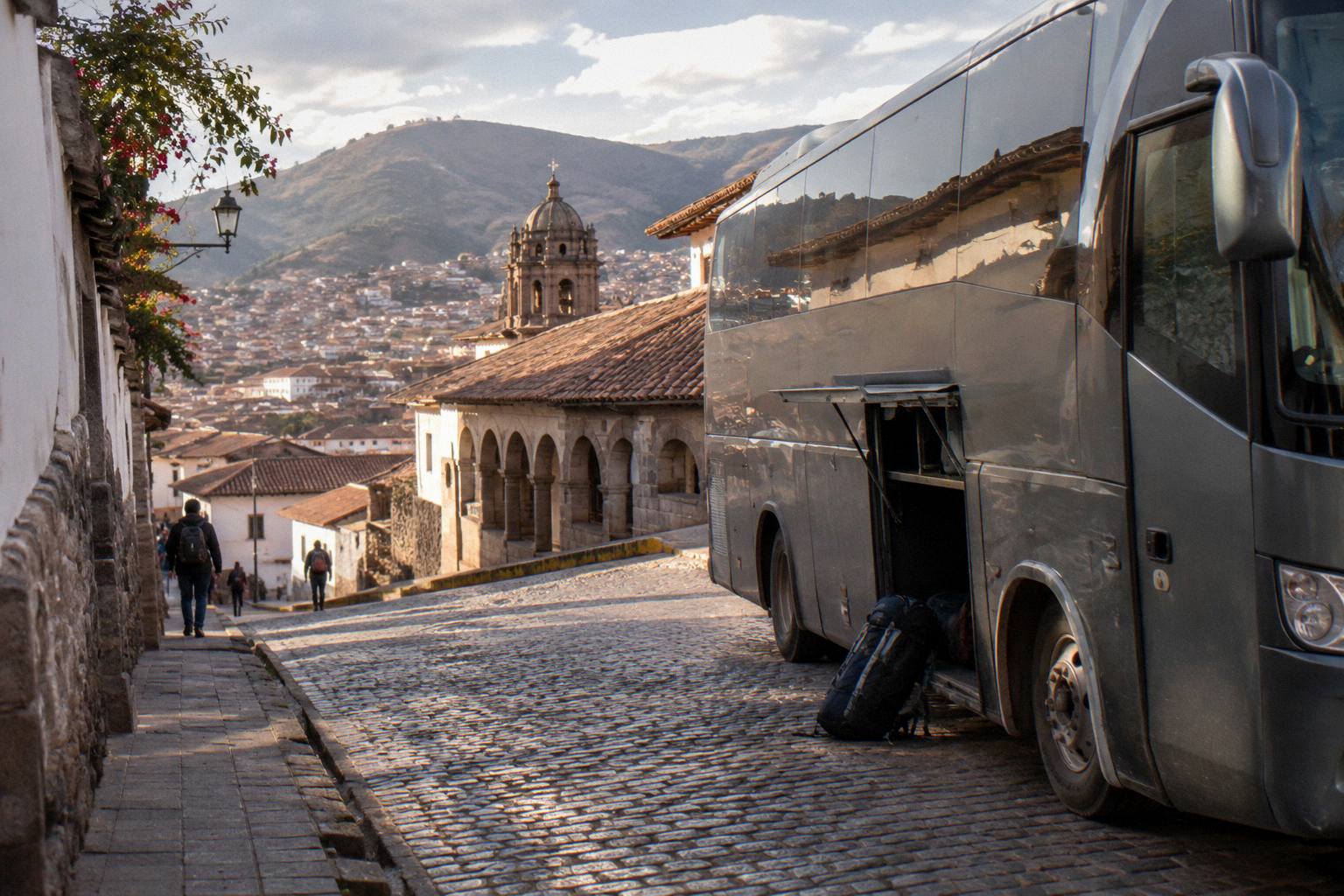
Puno To Copacabana By Bus: Border Crossing Step By Step
The Puno to Copacabana bus is a short ride with a border in the middle of it. Here is the crossing, the Kasani versus Desaguadero choice, and the steps in the order they happen.
Short answer
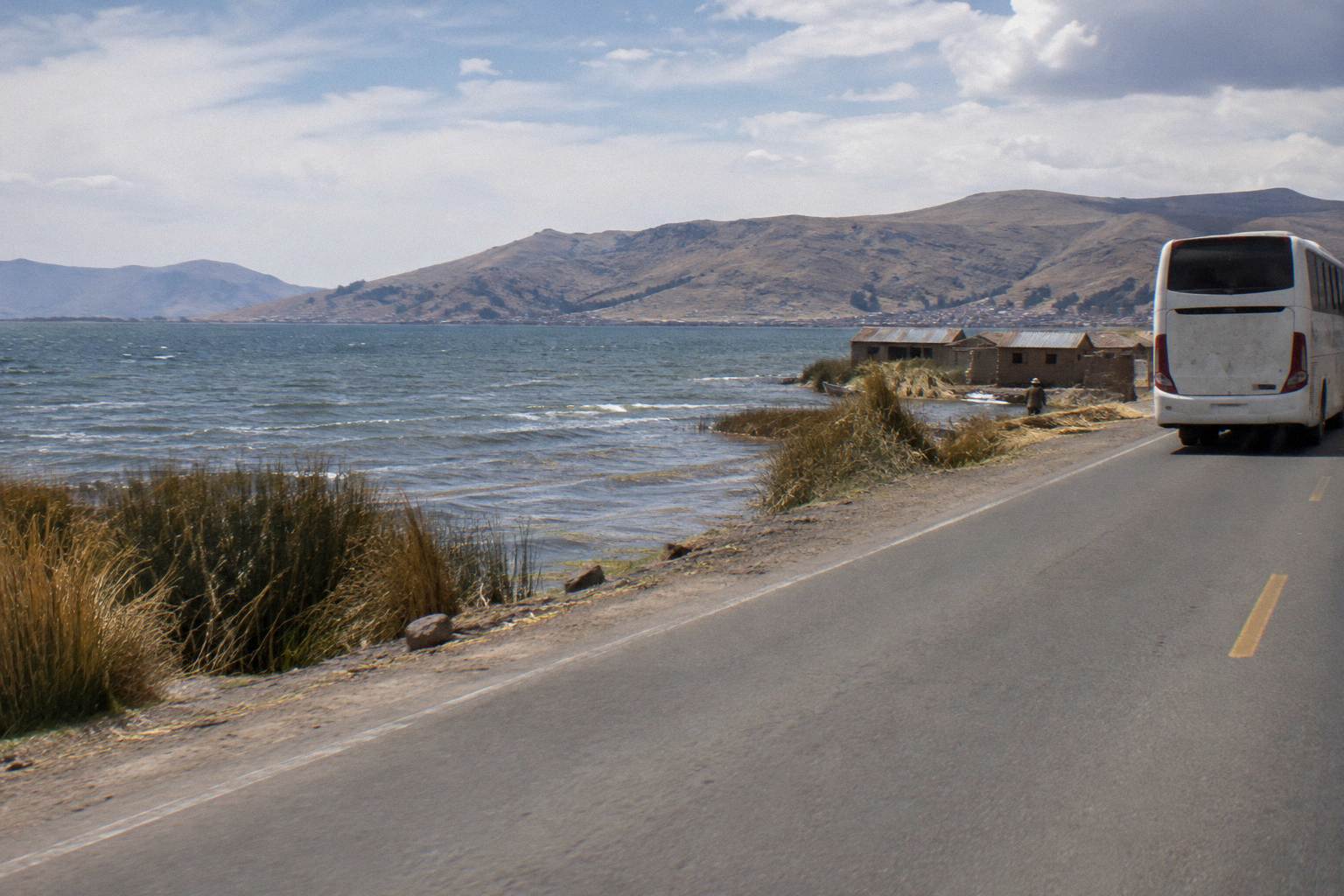
The Puno to Copacabana bus covers about 142 km, an OSRM free-flow drive estimate of about 2.5 hours that real bus journeys exceed, before any border wait. The crossing for Copacabana is Kasani in the district of Yunguyo, about 10 km from Copacabana. Buses cross there; Desaguadero serves a different route.
How Long Is The Bus From Puno To Copacabana?
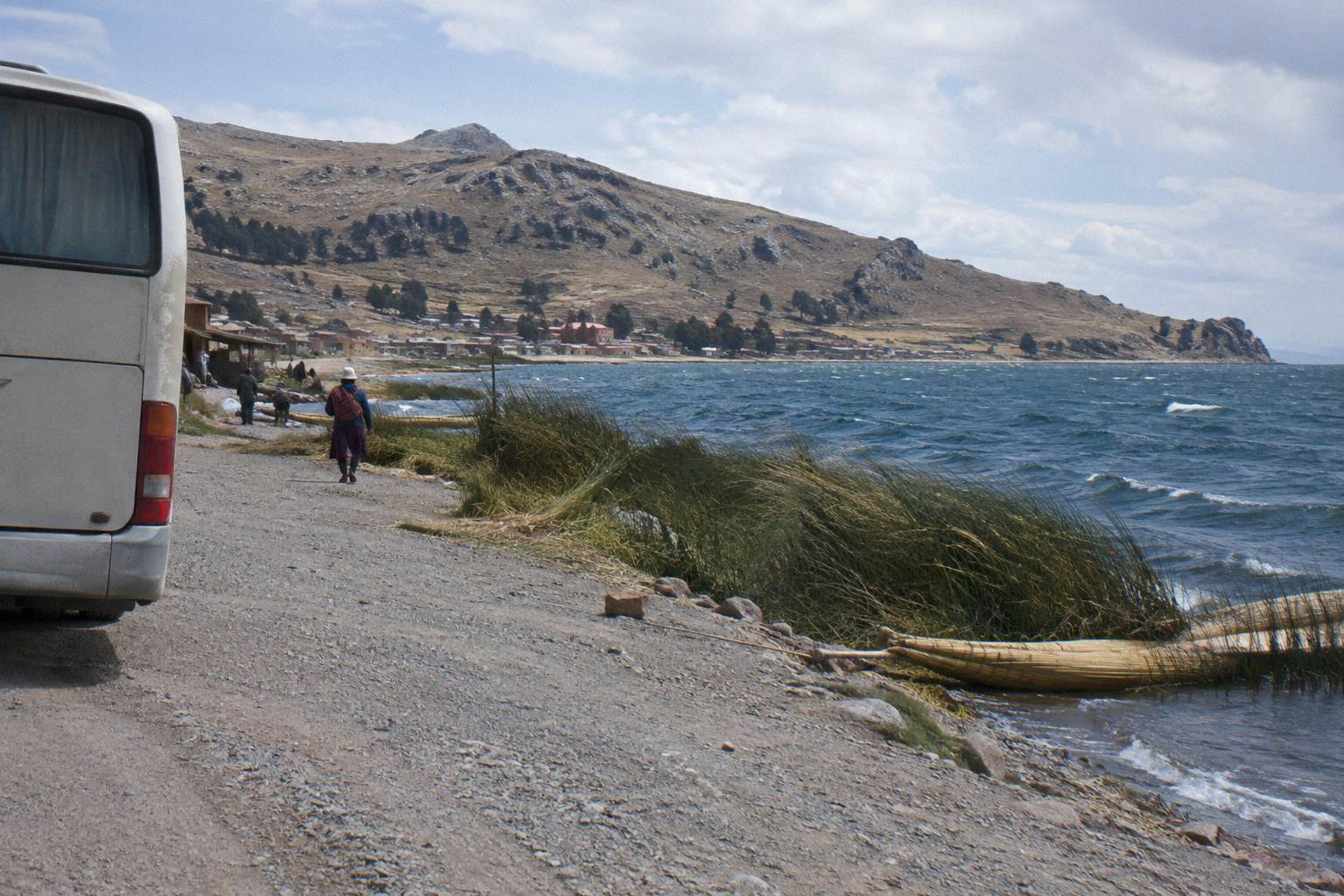
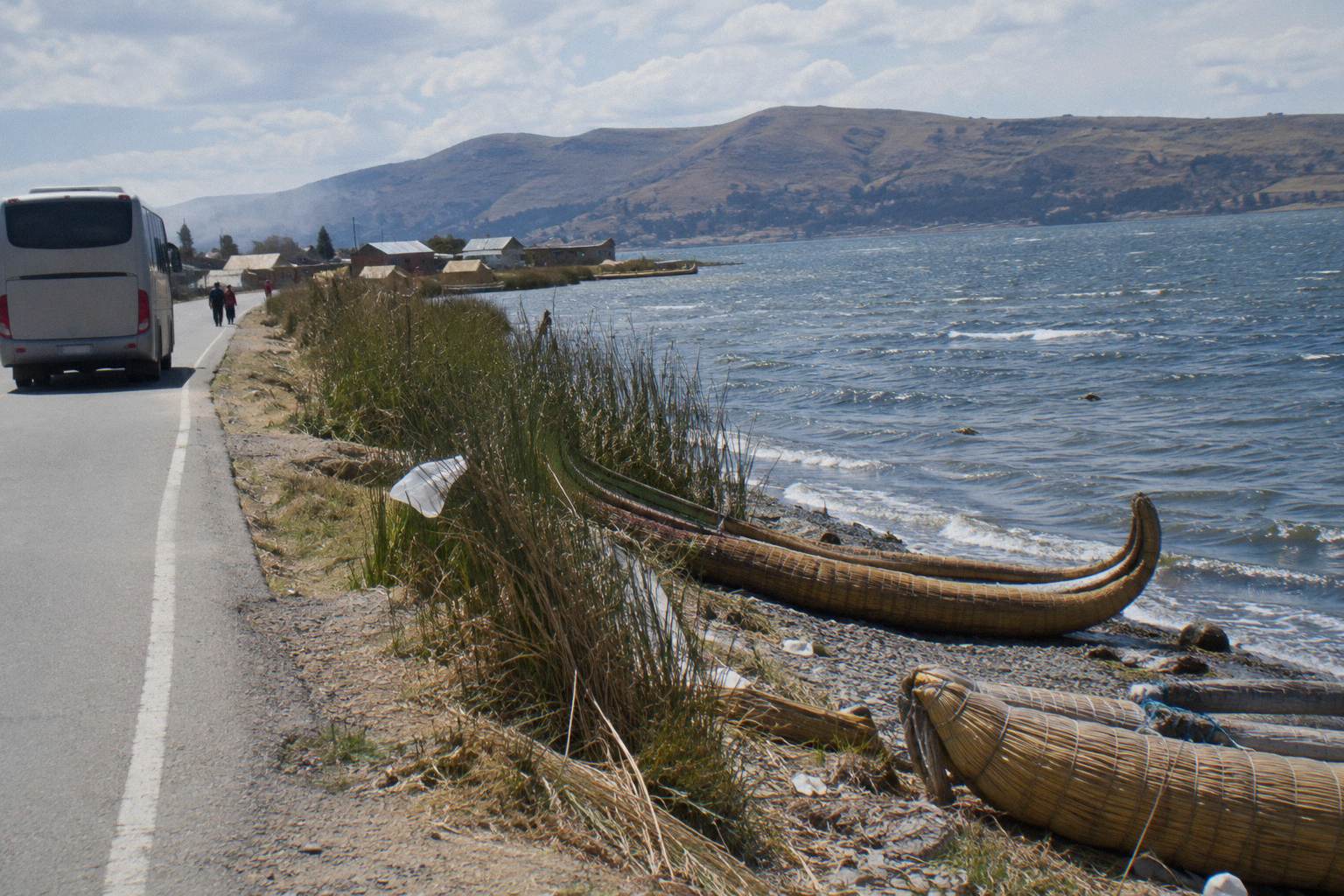
The distance from Puno to Copacabana is about 142 km, an OSRM free-flow drive estimate of about 2.5 hours, and that figure excludes any border wait and any stop the service makes. Real bus journeys run longer than the free-flow estimate, so treat it as a floor for planning, never as a promise of arrival. The route hugs the shore of Lake Titicaca, at 3,812 m, from Puno, at 3,848 m by INEI's figure.
The free-flow number comes from a routing engine driving the road with no traffic, no checkpoint and no immigration queue. A bus crossing into Bolivia adds a stop at the Peruvian migration post, a stop at the Bolivian post, and however long each queue takes that day.
Puno sits above the lake, at 3,848 m per INEI's compendium, and Copacabana sits on the Bolivian shore of the same lake at 3,812 m. Neither end of the ride involves a climb worth planning around; the road runs along the plateau. The altitude question on this route is not the ride, it is that you spend the whole day above the lake's own 3,812 m shoreline, and the altitude and bus travel guide covers what that means for sleep and appetite. Readers coming up from Arequipa, at 2,429 m by the same INEI series, climb more than a kilometre of altitude on the feeder leg before this crossing even starts, which is why the Arequipa night bus is a common way to arrive rested.
For scale, here are the free-flow drive estimates from OSRM for the pairs around this route. Each is a drive estimate that a real bus exceeds, and none applies to any other pair.
| Pair | Distance | Free-flow drive estimate |
|---|---|---|
| Puno to Copacabana | about 142 km | about 2.5 h |
| Puno to La Paz | about 260 km | about 4.5 h |
| Puno to Cusco | about 387 km | about 6.2 h |
| Arequipa to Puno | about 273 km | about 5.5 h |
Peru Hop runs a hop-on hop-off network with departure cities in Lima, Cusco, Arequipa, Copacabana and La Paz, and its pass pages name a Copacabana To Puno To Cusco pass, so the corridor is served by passes as well as by direct seats. For a fuller map of the southern loop, see the southern Peru bus circuit guide, which lays out the stop order most itineraries follow between the coast and the lake.
Which Border Crossing Should You Use, Kasani Or Desaguadero?
For a bus to Copacabana, the crossing is Kasani, in the district of Yunguyo, which Peru's Migraciones describes as the post connecting Peru with the Bolivian city of Copacabana, about 10 km away. Desaguadero is the other major crossing on the Bolivian border, a post Migraciones places 25 m from the Desaguadero bridge, and it serves a more easterly road, not the lakeshore route a Copacabana bus takes. A seat booked to Copacabana crosses at Kasani.
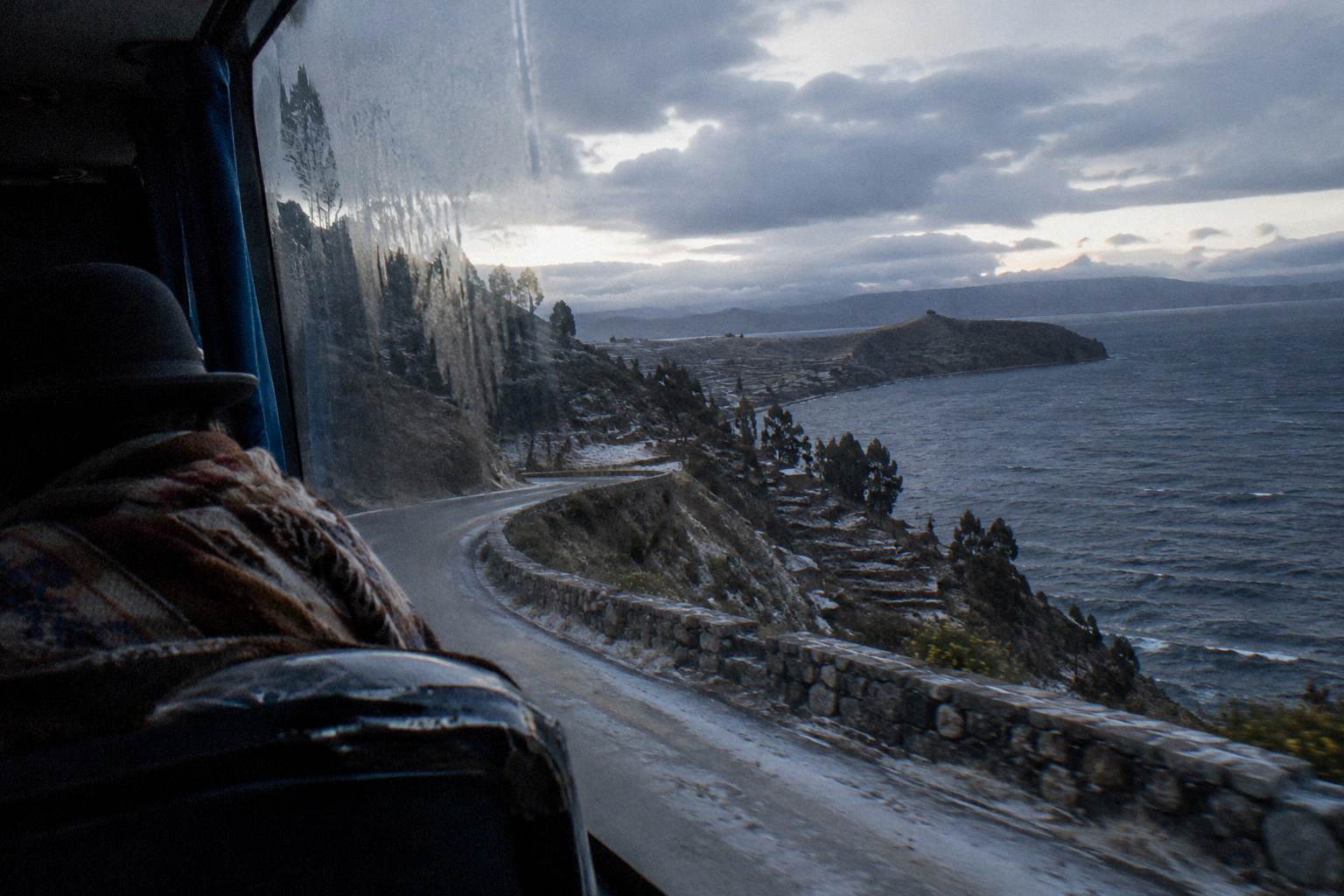
The choice between the two posts is really a choice of destination. Kasani sits on the lakeshore road south of Puno and is the post for Copacabana and the Isla del Sol side of the lake. Desaguadero lies further east and fits itineraries heading toward La Paz by the main highway, or onward into Bolivia without the lake stop. A reader crossing into Bolivia is choosing a bus and border plan, and the bus decides the post: a Copacabana ticket uses Kasani, a Desaguadero ticket lands you at the bridge.
| Border post | Where it fits | Position |
|---|---|---|
| Kasani, Yunguyo | Buses to Copacabana and the lake's Bolivian shore | About 10 km from Copacabana |
| Desaguadero | The highway crossing toward La Paz by the main road | PCF 25 m from the Desaguadero bridge |
Peru's government pages give festival-specific hours for some posts, which say nothing about an ordinary Tuesday, so the honest instruction is to check the official page for the day you travel. The same caution applies in the other direction: Bolivia's entry rules for your passport are a consulate question, and no visa claim by nationality belongs on a bus page. A consulate check is a five-minute email compared with a refused entry at a high-altitude post.
Both governments warn that strikes can shut this border. The UK FCDO states that protests can lead to "suspension of immigration services at land borders", and Canada's advice notes strikes "could also lead to border closures, including with Bolivia" (see the FCDO Peru page). Before a crossing day, that risk is worth a minute of checking, and the section on the day before covers where. The FCDO also names Puno among the regions with recent protests, which is the single strongest reason to run the check on this specific corridor rather than treating border advice as background noise.
What Happens At The Kasani Border Crossing, Step By Step?
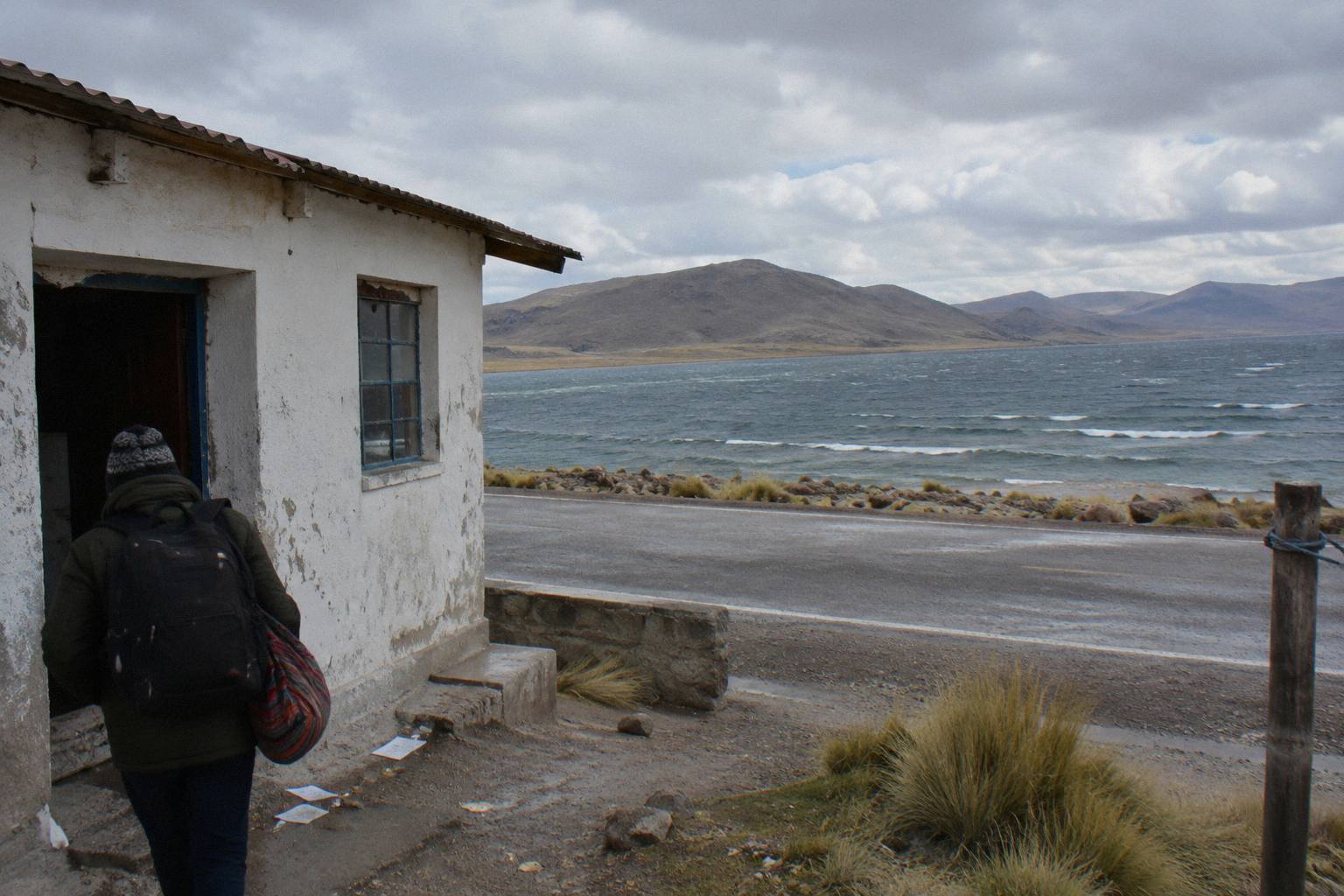
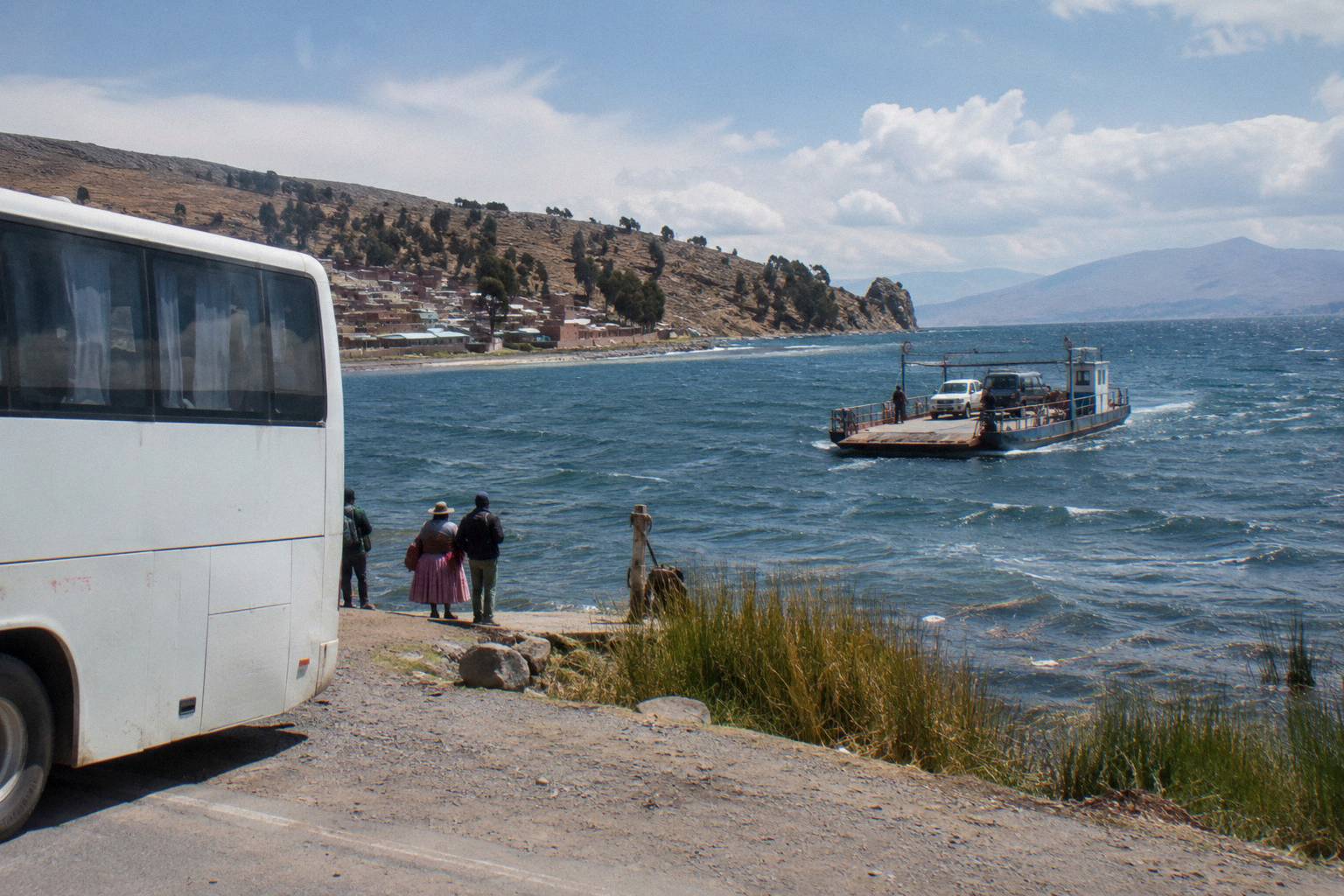
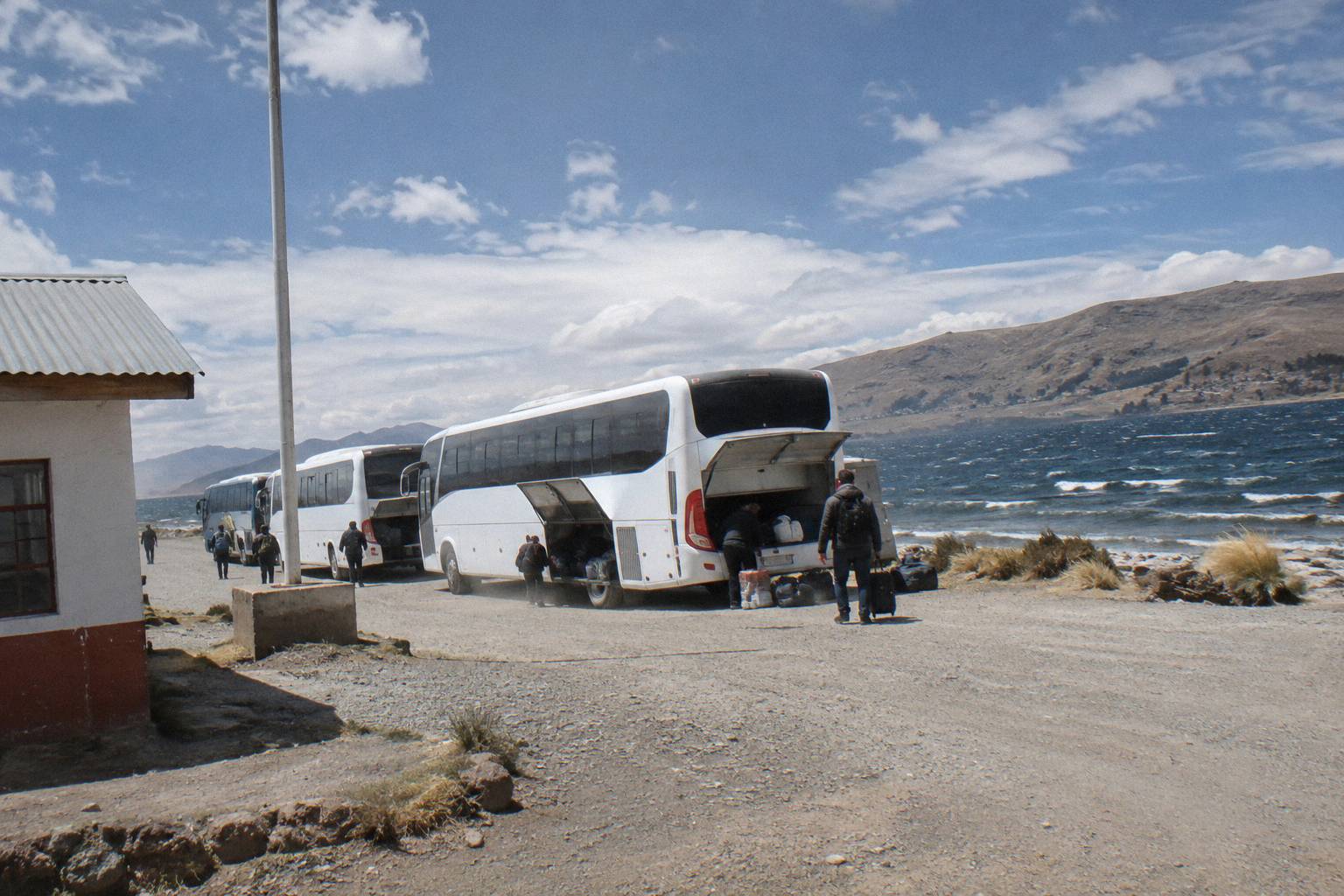
The steps in order are: ride to the Peruvian post at Kasani, get the exit stamp from Migraciones there, ride the short distance into Bolivia, and complete Bolivian entry at the post on the other side. On the Bolivian side, ask at the post about the Andean Migration Card, the TAM. Your documents travel with you, never in the hold.
The order matters more than the timing, because no timetable governs a border. First, the bus stops at the Peruvian migration control and every passenger gets off to be stamped out of Peru. Skipping the exit stamp is the classic error on this crossing: without it, your next entry into Peru looks irregular, and fixing it later means a visit to a Migraciones office rather than a stamp at a counter. Second, the bus rolls across the line and stops again at Bolivian migration, where entry is recorded. Third, if the onward destination is Copacabana, the ride finishes about 10 km later.
The TAM, the Tarjeta Andina de Migracion, is described by Peru's Migraciones as a migration-control document of obligatory use for entering and leaving the territory of the CAN countries. The official page, gob.pe's TAM notice, states the card's obligatory use and notes that printed forms are suppressed only at Jorge Chavez airport and cruise ports. For a land post, the page does not settle whether paper is handed out, so the instruction is to ask at the post rather than rely on either expectation.
Documents on this border follow the same rule the FCDO gives for any Peruvian bus journey: "on bus journeys, keep your passport with you". A passport in a suitcase under the bus turns a two-minute stamp into a delay for the whole vehicle. The same logic covers the luggage hold: up to 20 kg travels free on national service, and SUTRAN advises taking a luggage ticket for anything checked, a habit worth keeping right through the crossing.
How Do You Book A Seat And What Does The Ride Offer?
Seats on this corridor are booked through the operator's own listing or a seat search for the route, and the honest summary of onboard service is that it varies by operator and by vehicle. What can be stated is what regulation requires: national buses carry GPS monitoring, seat belts are mandatory, and up to 20 kg of hold luggage is free on national service. Anything an operator promises beyond that is the operator's claim.
A seat search for this route, Check availability, shows the operators running Puno to Copacabana on a given date, which answers the practical question faster than a list of company names that shifts with the season. Booking direct with an operator works too, and the how to book a Peru bus ticket guide walks through both paths, including what a printed ticket asks for. Some operators on Peruvian corridors ask for passport numbers and full names at booking, so having the document to hand before checkout saves a restart.
The Turismo Mer bus from Puno to Cusco with a lunch stop, rated 4.6 across 24 reviews, runs the long leg north with a drop-off at the Turismo Mer private terminal in Cusco, and its listing gives 11 hours; Check availability shows the current listing. The listing names a lunch stop, and cancellation is free up to 24 hours before for a full refund, as listed. The reviews sit at a small pool of 24, so the rating describes those travellers rather than a crowd.
The altitude question answers itself on this route: Puno at 3,848 m is the high point of most southern itineraries, and Copacabana sits a few dozen metres below the lake's own 3,812 m. Days on the plateau are strong sun and cold air, and no bus amenity changes that. What a bus does give you is a seated, belted ride on a paved shore road, which is the whole product. The onboard extras that matter on a short cross-border leg are the ones regulation backs: a GPS-monitored vehicle, a belted seat, and a driver whose hours are capped. Everything else covered here is indexed on Peru By Bus.
How Do You Reach Puno Before The Crossing?
Puno is reached by long bus from either Cusco or Arequipa, and the shapes are: the Turismo Mer bus from Puno to Cusco with a lunch stop takes 11 hours by its listing, the Turismo Mer sleeper from Arequipa to Puno takes 7 hours by its listing, and the World Explorer Peru direct bus from Cusco to Arequipa takes 10 hours by its listing. Each listing's duration belongs to that product alone.
The Turismo Mer sleeper bus from Arequipa to Puno, rated 4.3 across 20 reviews, is the natural feeder for a Copacabana crossing from the Arequipa side. The listing gives 7 hours, names a 160 degree recline and a night service, and notes that the terminal boarding fee is not included, so check the boarding fee line on the listing rather than an amount here. Cancellation is free up to 24 hours before for a full refund, as listed. With 20 reviews behind the rating, the score is a small sample, printed with its count for exactly that reason.
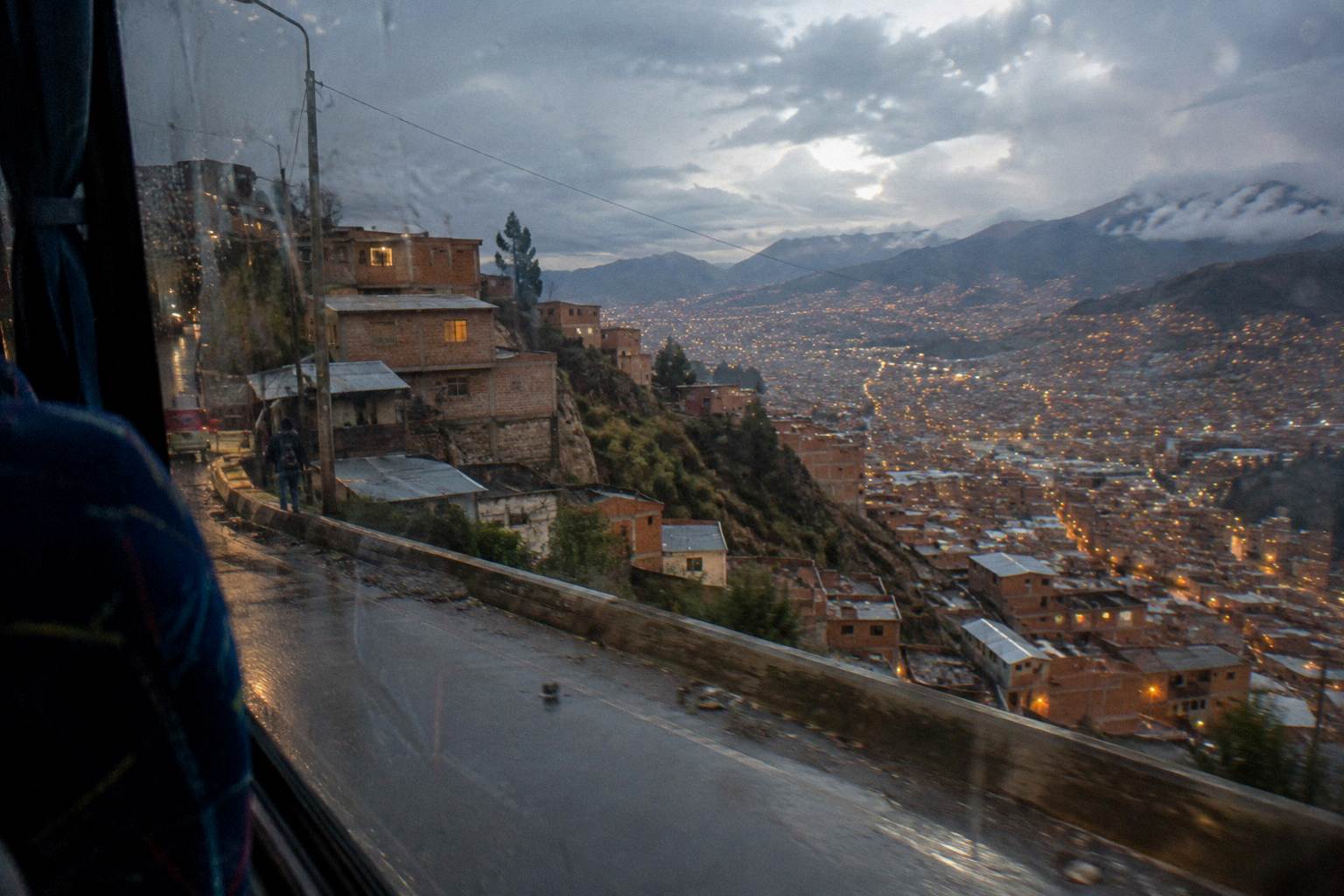
From Cusco, the chain runs through Arequipa or straight to Puno. The World Explorer Peru direct bus from Cusco to Arequipa, rated 3.7 across 16 reviews, lists 10 hours and a Cruzero Suite 160 degree seat, and drops at the Arequipa bus terminal; the listing names a 160 degree seat, which is all that can be said about the seat. Free cancellation applies up to 24 hours before, as listed. The overnight question on these legs has its own page, the overnight bus in Peru guide, which sets out what the government advice says about night services in mountainous regions.
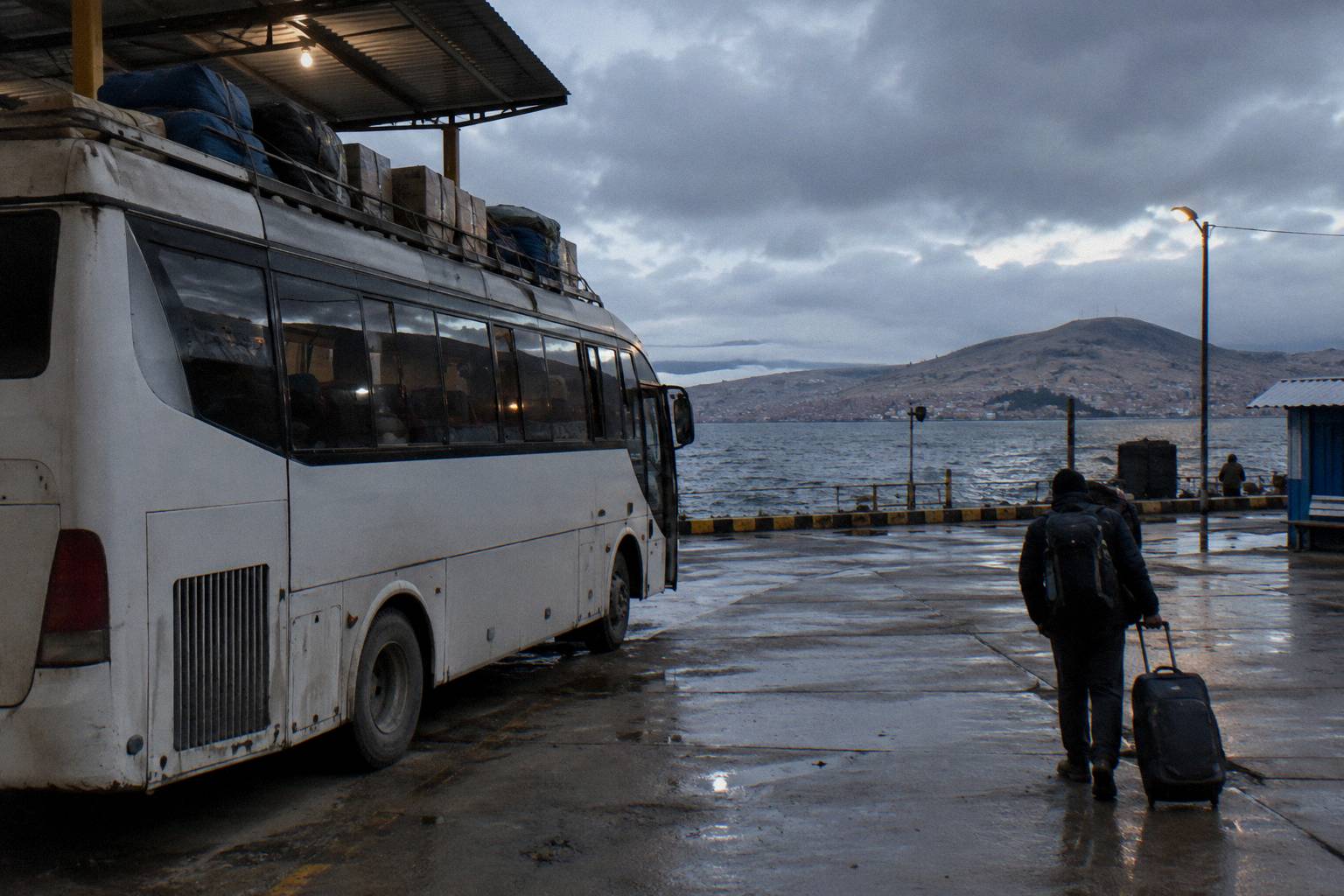
Can You Continue From Copacabana To La Paz Or Back Into Peru?
From Copacabana the onward road runs to La Paz, about 260 km and a 4.5 hour free-flow drive estimate from Puno excluding any border wait, with the lake crossing at the Strait of Tiquina made by separate boat. Back into Peru, the Copacabana To Puno To Cusco pass named on Peru Hop's pass pages covers the return in one ticket, and direct buses run the lakeshore road in the other direction across Kasani again.
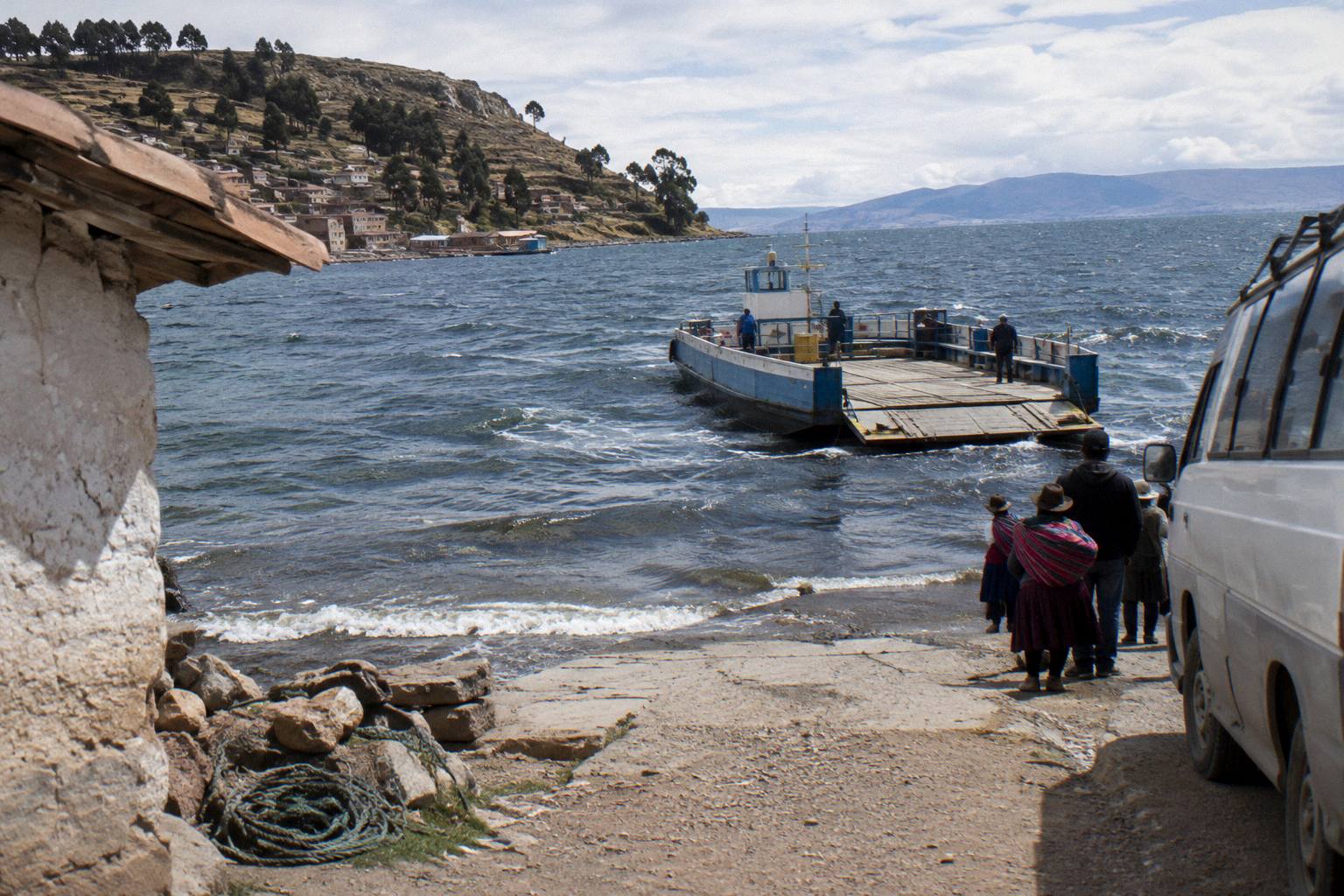
The La Paz leg is where the corridor's oddity sits: buses between the two lake shores cannot carry their own toilet water weight across the strait, and sister-brand Bolivia Hop buses have no onboard toilet because of the lake-crossing weight limit, with public toilets at the Strait of Tiquina. Passengers cross the lake on a separate boat, which is a scheduled part of the journey rather than a disruption. The blog post on whether overnight buses in Peru have toilets explains why that matters on a long leg.
A pass covering several legs in one ticket is the alternative to stitching individual seats. See Peru Hop Passes for the full list: passes on its pages include Full South To Cusco, Canyon To The Lake To La Paz, Cusco To La Paz, Copacabana To Puno To Cusco, Full South To Lima and Get To Lima Quick, with fastest times listed at 6 days, 2 days, 24 hours, and 3 days respectively. Peru Hop reports tickets are valid for one year and a bus time can be changed in the app up to 12 hours before departure. The detailed comparison is in the Peru Hop passes explained guide, and the question of how that model stacks against a plain ticket is worked through in the Peru Hop versus public bus comparison.
What Should You Check The Day Before Travel?
The day-before checklist is three items: the SUTRAN alert map for the road's status, the FCDO and Canada pages for strikes or border closures, and your carrier's own notice channel for the departure point. SUTRAN's map shows closed roads in red, restricted in yellow and open in green, and its 24 hour WhatsApp line 999 382 606 takes reports. Each check takes minutes and each has stopped a wasted journey.
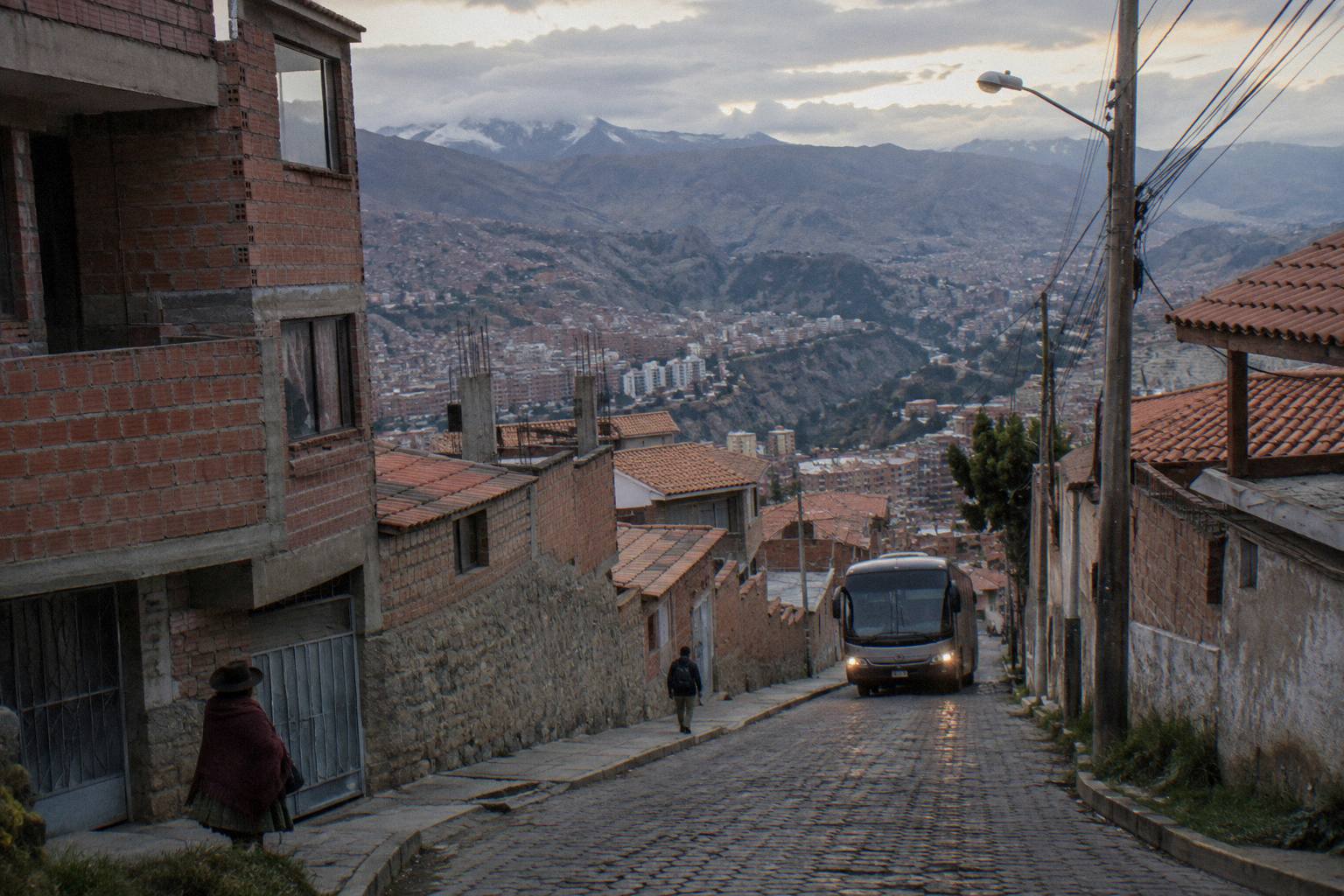
The map is public at alertasviales.sutran.gob.pe, and blockades raised by social protests appear on it as live points. Canada's advice is blunter on buses: "Intercity bus travel can be dangerous due to the risk of bus accidents" and "Avoid taking buses and coaches at night", and the fuller set of quotes is gathered in the Peru bus safety guide. The US advisory, republished by the embassy in Lima, sits at "Level 2 - Exercise Increased Caution" and notes that demonstrations "can shut down local roads, trains, and major highways" without warning.
The same check covers the border itself. The FCDO's El Nino notice, quoted verbatim, warns that "Through late 2026 to April 2027, the El Nino weather event is expected to generate heavy rainfall, possible flooding, landslides, and mudslides, especially in, but not restricted to, the northern and central coast. These could cause travel disruption, such as road closures", and the south is not named in it, but strikes closing the Bolivia border are named by two governments. Rain on the plateau runs September to March by SENAMHI's calendar, with Puno holding 89 percent of its annual rain in those months, so a crossing in that window gets the same map check as any road. The wider playbook for blockades and delays, including what to do if a bus is stopped, is in the strikes, road blocks and rainy season guide.
| Check | Where | What it tells you |
|---|---|---|
| Road status | SUTRAN alert map | Red closed, yellow restricted, green open |
| Government advice | FCDO and Canada Peru pages | Strikes, closures, night-travel cautions |
| Carrier notice | Operator's own page or message channel | Departure point and any service change |
One last document point: SUTRAN's own service lets any passenger check that a bus and driver have their papers in order by plate or driver DNI. On a cross-border leg it is a one-minute check that a regulated, inspected vehicle is the one arriving at the platform. Peru by bus is a regulated industry with a public face, from the speed ceiling to the driver-hour caps, and the crossing at Kasani is the one moment on this route where your own paperwork shares equal billing with the driver's.
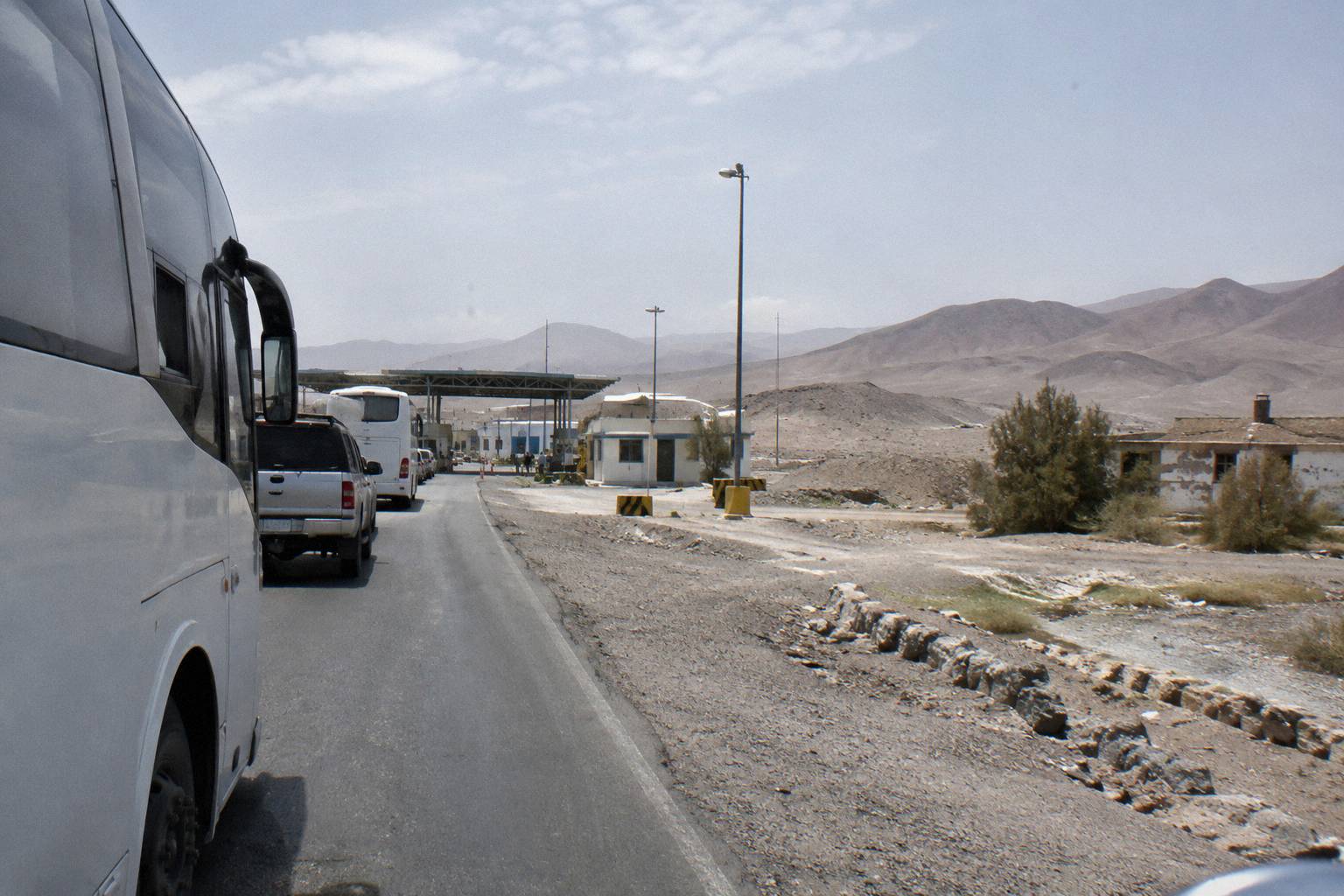
Treat the three checks as a fixed routine rather than a one-off. Run them once in the evening and again before you leave for the terminal, since the FCDO's own warning that disruption can arrive without notice means a green map at dinner can be red by breakfast. Save what you find: a screenshot of the map covering your road, plus copies of both government pages, so the record survives if your connection drops and you can show a driver or ticket clerk exactly what you saw. Keeping the links somewhere reachable without signal costs nothing and pays for itself the moment data runs out. Add the WhatsApp number to your contacts now, while you have reliable wifi, rather than hunting for it later. Read the two advisory pages together instead of picking one, because governments update on different schedules; when one posts a fresh strike notice and the other still shows older text, work from the newer page.
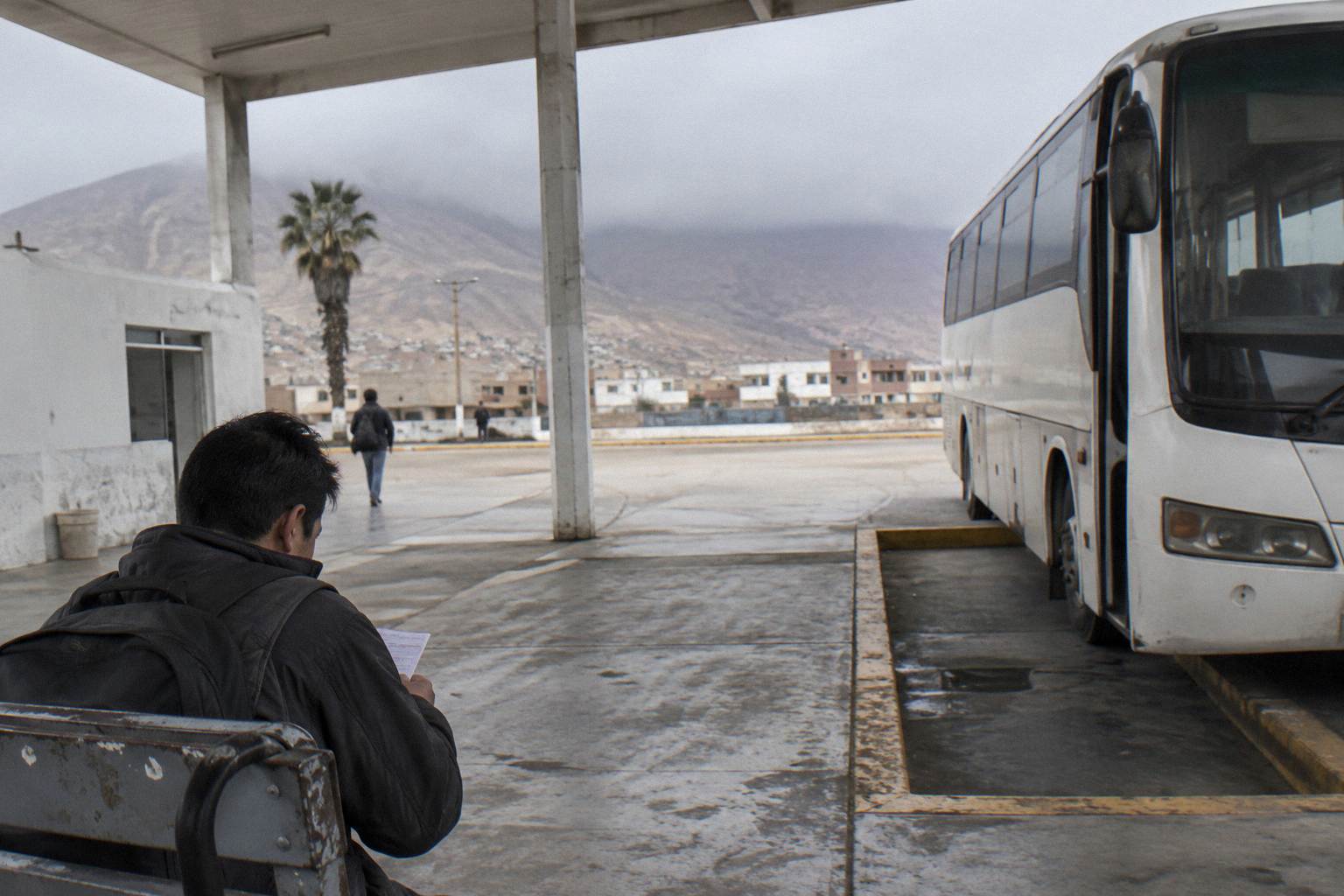
The map itself rewards a specific read. A red point on your road is a hard stop; treat it as a reason to talk to your carrier before you travel anywhere, not after. A yellow point means restricted rather than closed, which is a question worth asking in exact terms: what is the restriction, does it apply to buses, and at which hours. Because blockades surface as live points, the map's value is freshness, so what you want before setting out is the current view, not a screenshot from the morning. And knowing before you reach the terminal means the decision about waiting, rerouting or rebooking happens while every option is still open, rather than once the bus is loaded. If your road shows red, the WhatsApp line that takes reports is the place to flag what you are seeing; pair that with the carrier's own notice before deciding whether to travel at all.
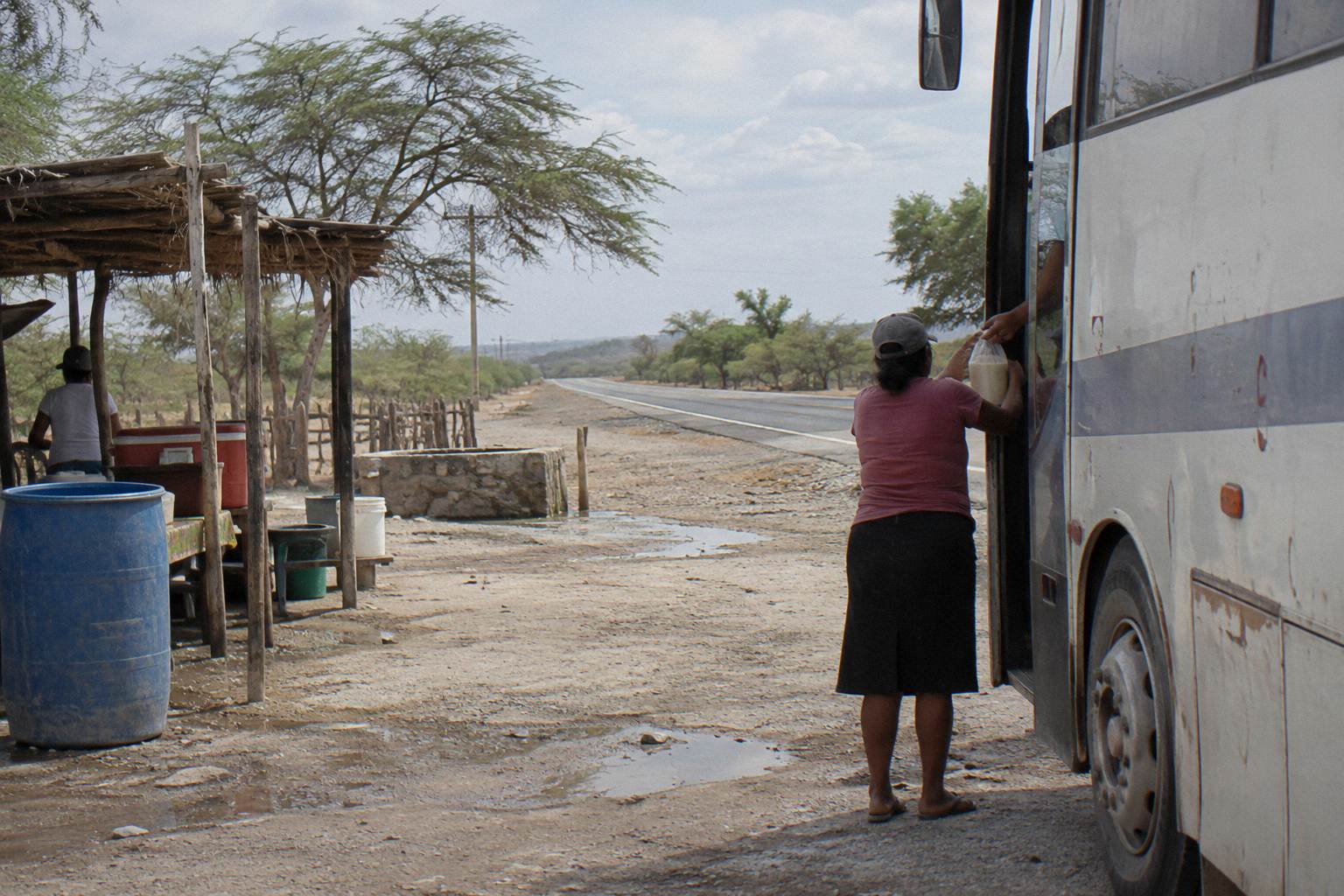
The carrier check deserves the same precision. When you book, or when you confirm the day before, ask for the plate number, and if the operator will share it, the driver's DNI as well; running both through SUTRAN's papers check before you board turns a vague platform scramble into a planned step. A mismatch between the plate you were quoted and the bus that pulls in is exactly the kind of problem this routine exists to catch. Keep your own documents in reach too, with your passport and any migration paperwork at the top of your bag rather than buried, because Kasani is the one stop on this route where you step off with your papers in hand. And wherever a daytime departure exists on your leg, prefer it. Canada's caution on night buses is blunt, and daylight leaves a better margin if the map, the weather or the border itself throws up a surprise.
Common Questions About The Puno To Copacabana Bus
How Far Is The Bus From Puno To Copacabana?
About 142 km, an OSRM free-flow drive estimate of about 2.5 hours, excluding any border wait. Real bus journeys exceed the free-flow estimate, so it is a planning floor, not a timetable.
Which Border Crossing Does The Copacabana Bus Use?
Kasani, in the district of Yunguyo, which Migraciones describes as the post connecting Peru with Copacabana, about 10 km away. Desaguadero is the highway crossing further east and serves a different road.
What Are The Border Steps In Order?
Exit stamp from Peru at Kasani, ride across, then Bolivian entry at the post on the other side. Ask at the post about the TAM card, and keep your passport with you, never in the hold.
Can A Pass Cover Copacabana And The Rest Of The Circuit?
Yes. Peru Hop's pass pages name Copacabana To Puno To Cusco among the passes, with departure cities including Copacabana and La Paz, and Peru Hop lists a fastest time of 24 hours for Cusco To La Paz.
How Do I Reach Puno Before The Crossing?
By long bus from Cusco or Arequipa.