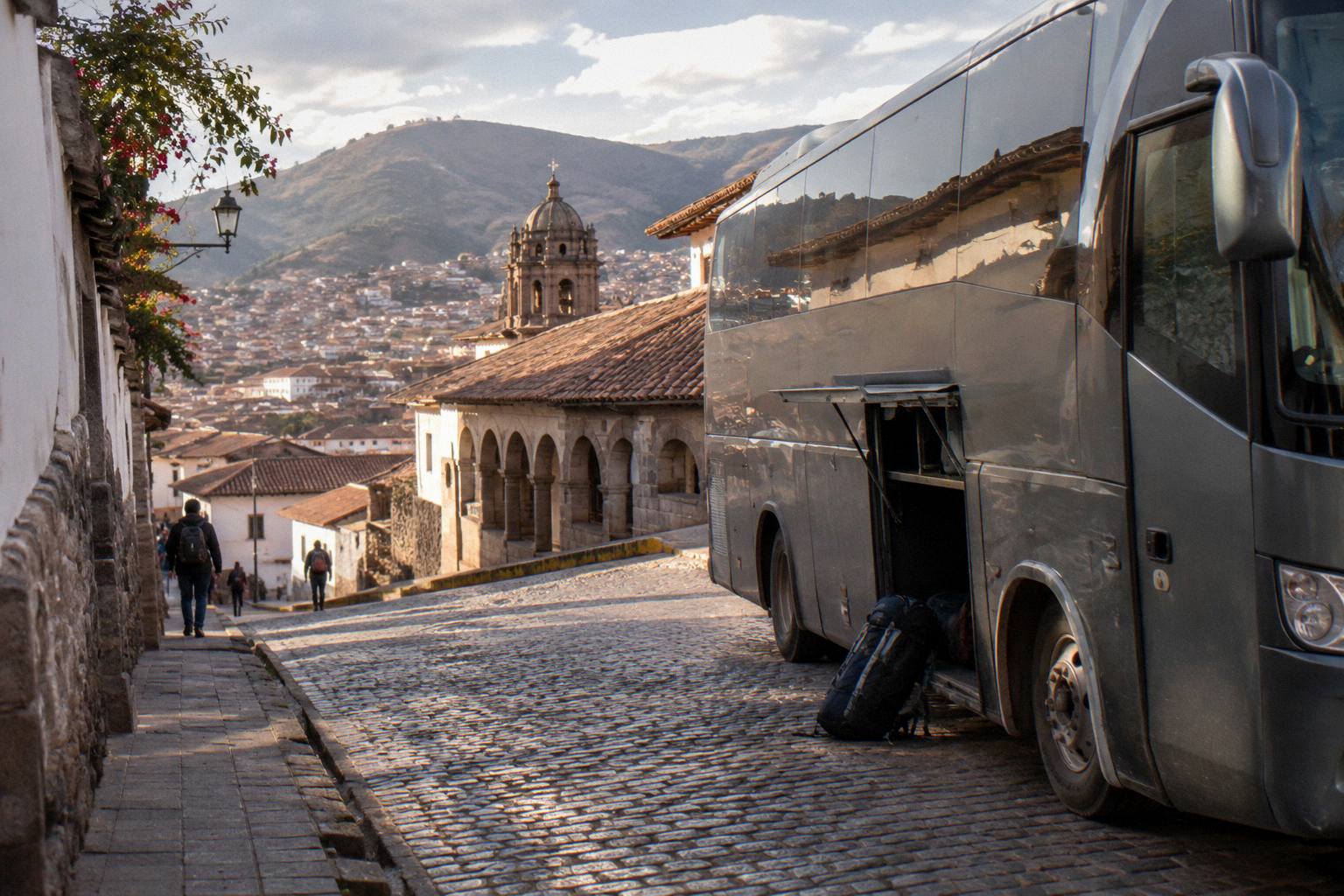
Overnight Bus Peru: Which Routes Work, Which To Skip
Night buses cover Peru's long distances while passengers sleep, but the advisories from four governments treat night travel differently from day travel, and the route you pick matters more than the seat you book.
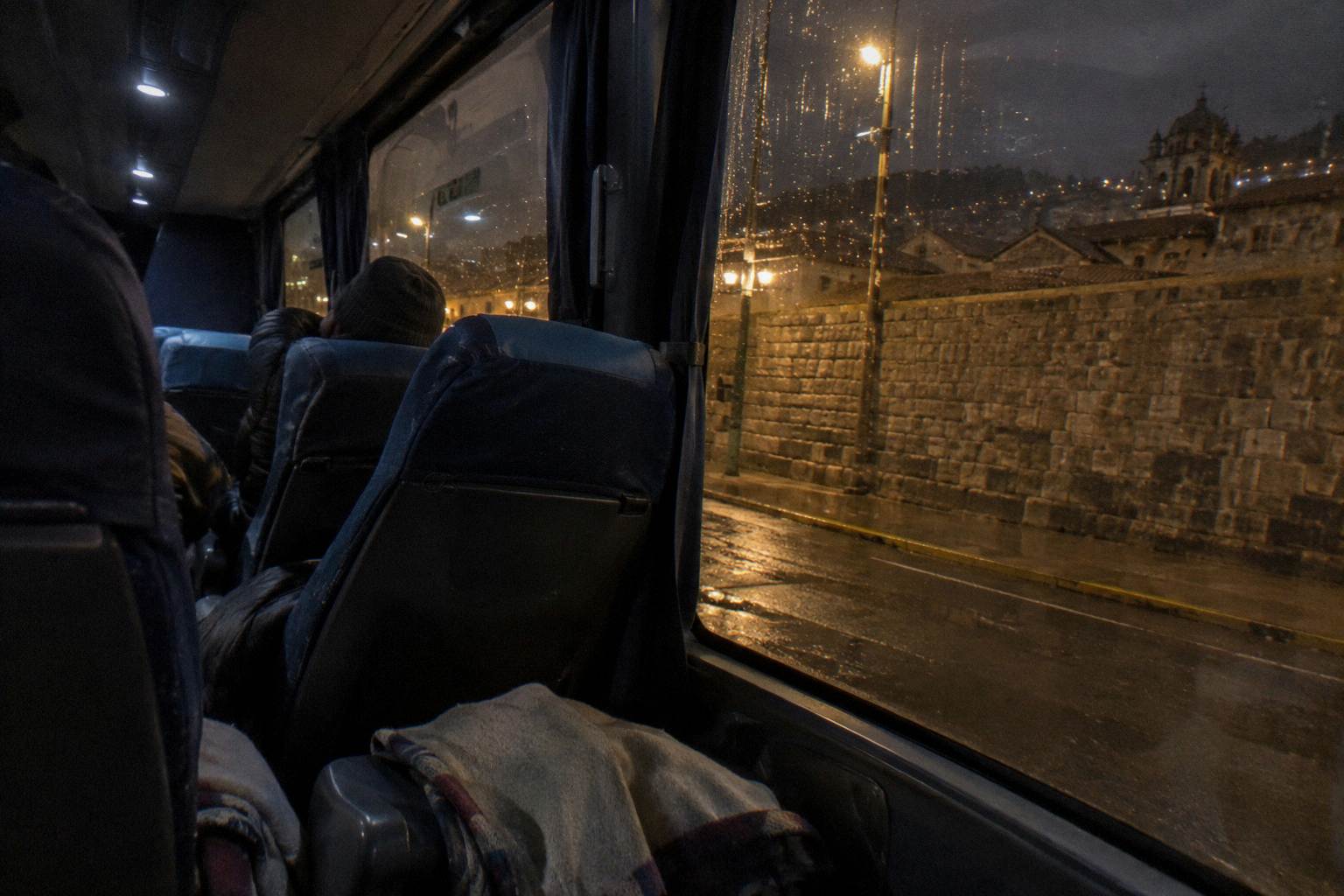
Short answer
Peru's longest corridors, Lima to Arequipa at about 1,002 km and a 14.3 hour free-flow drive estimate, are where night buses are most used. Government advisories tell travellers to avoid overnight travel, especially in mountainous and remote regions, and to use reputable companies. The Arequipa to Puno sleeper, 4.3 across 20 reviews, is one listed night option.
Peru is a big country with a thin long-distance rail network, and the bus does the work that trains and flights share in other places. A night departure turns a 14 hour sit into a hotel on wheels for people on a tight schedule, and the southern corridor in particular carries heavy night traffic between Lima, Arequipa, Puno and Cusco. That convenience is exactly why the decision deserves a hard look rather than a reflex, because the same governments that publish travel advice for Peru write specific, repeated warnings about night bus travel, and the geography that makes a night bus tempting, long mountain roads, is the geography the warnings name. This guide walks through the routes where a night bus is a reasonable plan, the ones advisories point away from, and the seat, terminal and ticket details that change how a night on board goes.
What Is A Peru Overnight Bus Actually Like?
A Peru overnight bus is an intercity coach running a long corridor through the night, with reclining seats in cama or semi-cama classes, an onboard toilet on full-size coaches, hold luggage at the terminal, and a crew that Peru's national transit regulation requires to double up: a trip exceeding 4 hours at night needs a second driver. Classes and recline angles are the real variable, from roughly 140 degrees up to full 180 degree flat beds on the premium services, and the berth you buy matters as much as the route.
The frame for the whole decision is set by government advice rather than by any operator's marketing. The UK FCDO writes plainly on its Peru safety and security page: "Bus crashes are common, especially at night. Only use reputable transport companies, and where possible, avoid overnight travel, especially in mountainous and remote regions." That is a quotable official position, not a paraphrase, and it names both the hour and the terrain. Australia's Smartraveller adds a different risk to the same picture: "Robberies and assaults occur frequently on intercity buses, including while passengers are sleeping", with specific mention of "theft as you sleep on intercity bus routes between Lima, Ica, Nazca and Cusco".
None of that amounts to an instruction never to board a night bus. It means the burden of the decision sits with the traveller: pick the corridor, the operator and the class deliberately, and treat a night bus as a choice with a known official caution attached rather than as a default. The sections below separate the corridors where the maths works from the ones where a daylight departure or a split journey answers better.
| Fact | Detail | Source basis |
|---|---|---|
| Night crew rule | Second driver when a trip exceeds 4 hours at night | Peru's national transit regulation |
| Bus speed cap | 90 km/h for interprovincial buses on roads with no other speed sign | SUTRAN |
| Luggage allowance | Up to 20 kg free on national service, plus a fare receipt | Peru's national transit regulation |
| Seat belts | Crew must announce that belts are mandatory | Peru's national transit regulation |
| Boarding | Passengers board only at authorised points, with the bus stopped | Peru's national transit regulation |
| Road status | Live map, red closed, yellow restricted, green open | SUTRAN alert map |
For background on how the system fits together, the how Peru bus travel works guide covers terminals, tickets and the boarding process end to end, and the Peru bus classes, cama and semi cama guide explains what each seat tier promises on paper.
Which Night Routes Work Best?
The corridors that work best for a night bus are the long, heavily trafficked southern and central highway runs: Lima to Arequipa at about 1,002 km with a 14.3 hour free-flow drive estimate, and Lima to Trujillo on the north coast at about 557 km and 9.1 hours free-flow, both on major paved highways served by full-size coaches with two-driver crews. The free-flow figures are OSRM drive estimates that real bus journeys exceed, not timetable times, and they are the honest way to compare corridor length.
The southern corridor is where Peru's night bus culture is most visible. Lima to Arequipa runs down the Pan-American Highway, and the US Embassy Lima republication of the State Department advisory notes that U.S. government employees "may travel at night with commercial bus companies along the Pan-American Highway, to Huaraz, and on the Lima-Arequipa-Cusco corridor." That sentence is a useful marker of which roads the professionals treat as the spine, even though the same advisory carries a "Level 2 - Exercise Increased Caution" headline and warns that "Criminal groups sometimes set up roadblocks to rob people in areas outside of Lima." The north coast run to Trujillo shares the same highway character: long, flat and busy.
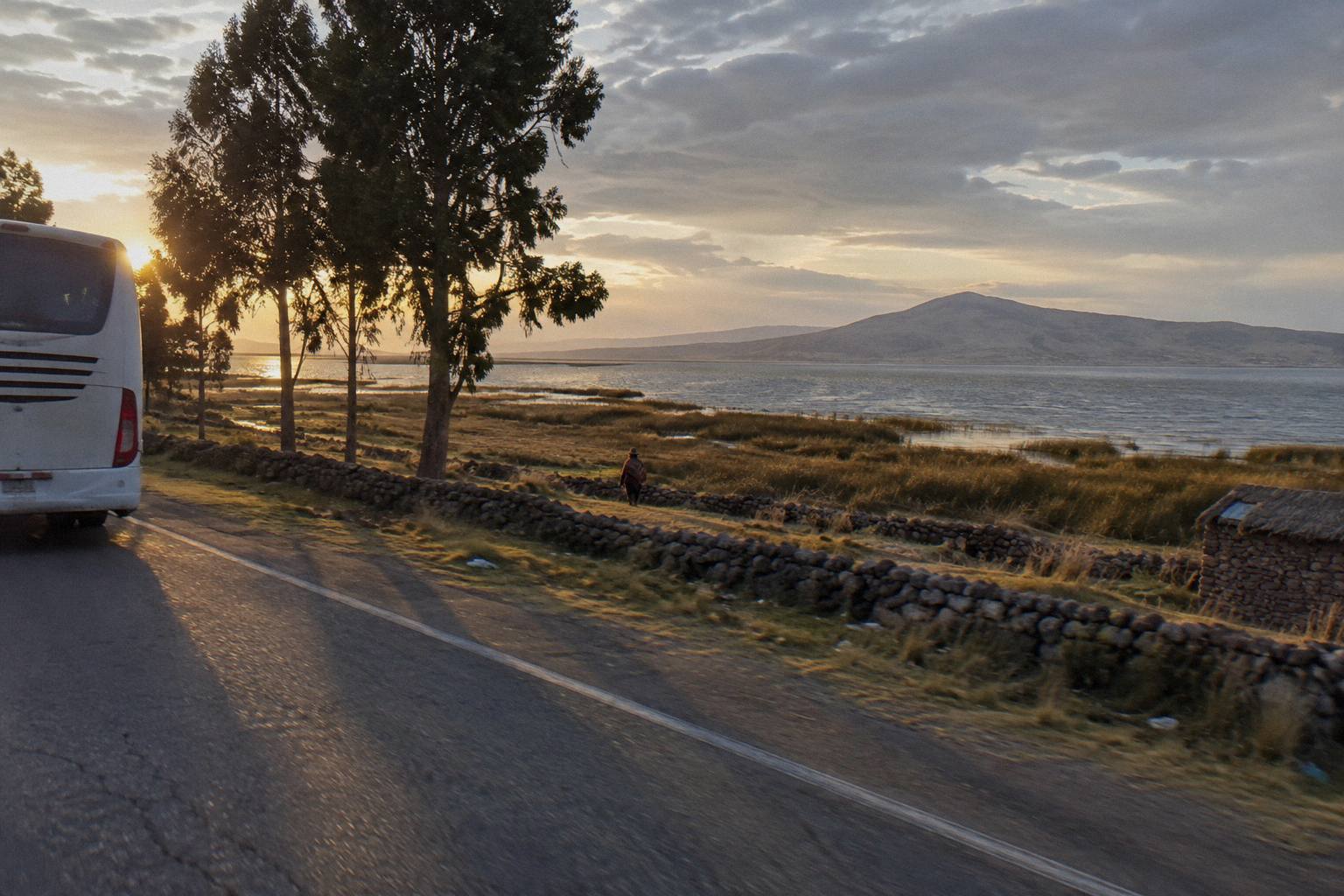
Arequipa to Puno is the short mountain night hop, about 273 km with a 5.5 hour free-flow drive estimate, and it is the one route in this guide with a true sleeper product listed: the Turismo Mer sleeper bus from Arequipa to Puno, rated 4.3 across 20 reviews, whose listing names a 160 degree recline and a night service, with free cancellation up to 24 hours before for a full refund and a terminal boarding fee that is not included, so check the boarding fee line on the listing. The Direct Sleeper Bus from Arequipa to Puno Check availability runs a 7 hour listed journey on a corridor that crosses high plain rather than steep switchbacks, which is a different proposition from the Cusco-bound mountain legs.
The daytime alternative on the lake route is worth naming in the same breath: the Turismo Mer tourist bus from Puno to Cusco with a lunch stop, rated 4.6 across 24 reviews, turns the same southern highlands into a sightseeing run with a listed 11 hour duration, and the Bus from Puno to Cusco with all-you-can-eat lunch page covers it. Puno sits at 3,848 m per INEI's compendium, and Cusco at about 3,400 m, so this is high-altitude road either way.
| Corridor | Distance | Free-flow drive estimate | Night fit |
|---|---|---|---|
| Lima to Arequipa | About 1,002 km | About 14.3 h | Long Pan-American run, two-driver territory, heavy coach traffic |
| Lima to Trujillo | About 557 km | About 9.1 h | North coast highway, busy corridor |
| Arequipa to Puno | About 273 km | About 5.5 h | Short mountain hop with a listed sleeper service |
| Lima to Huaraz | About 402 km | About 5.5 h | Canyon and pass road, gain altitude fast, advisories favour daylight |
Free-flow drive estimates come from OSRM routing between city centres; real bus journeys take longer, and no figure here is a timetable promise. For the full corridor picture, the southern Peru bus circuit guide lays out the Lima to Cusco chain stop by stop.
Which Night Routes Are Better To Skip?
The routes to skip at night are the remote mountain and canyon legs: anything crossing the high passes toward Huaraz, the Cusco mountain corridors beyond the main highway, and remote regional roads, because Canada's advice is blunt, "Avoid taking buses and coaches at night", and the FCDO's caution about overnight travel is aimed precisely at "mountainous and remote regions". The Lima to Huaraz run, about 402 km with a 5.5 hour free-flow drive estimate, climbs from the coast into the Callejon de Huaylas and is a far better daylight trip than a night one.
The altitude story is part of the reason. Huaraz sits at 3,073 m and the Conococha pass at 4,087 m per INEI, and a night arrival into thin air after a bus night does the acclimatisation maths no favours; the Peru bus altitude sickness guide covers the sequencing. The Cusco side has its own remote leg: the back-door road to Hidroelectrica, about 212 km and 5.1 hours free-flow, which the Cusco to Machu Picchu by bus via Hidroelectrica guide treats as a daylight operation with rest stops.
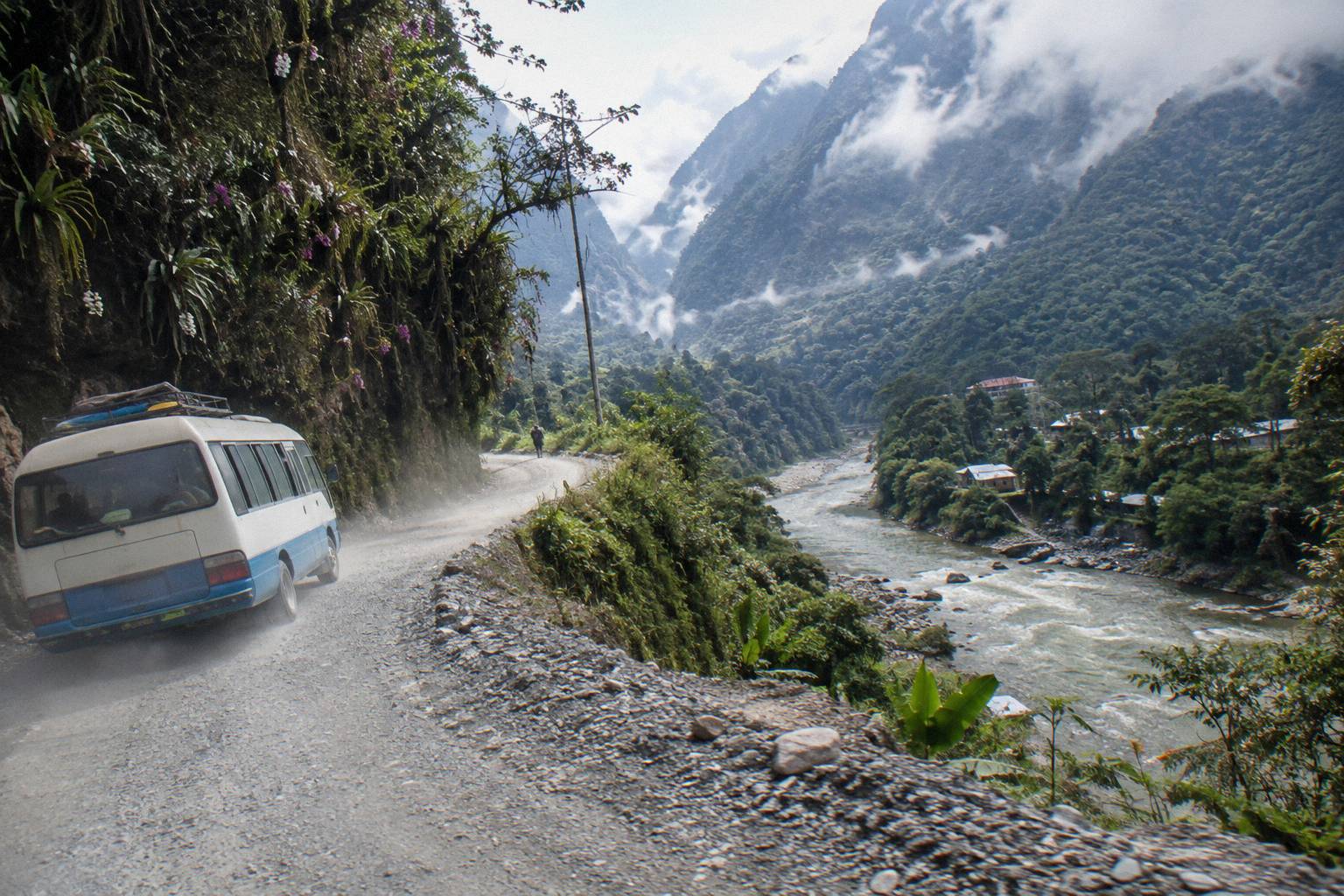
Smartraveller's warning about "bogus roadblocks or checkpoints on roads outside major cities after dark" lands hardest on exactly these roads, and the FCDO adds "Armed robbers sometimes hold up provincial and inter-city buses." A remote provincial night route concentrates every named risk into one ticket. The honest summary of official guidance: the four governments publishing advice on Peru do not treat a night bus as equivalent to a day bus anywhere, and the gap widens sharply off the main highways.
If the plan only works with a night leg on a mountain route, the workable compromise is to split the journey: ride the highway portion at night where traffic is dense, and take the mountain leg in daylight. That costs a hotel night and buys daylight on the segment where daylight matters most.
Is It Safe To Sleep On A Night Bus In Peru?
No government advisory says night bus travel in Peru is safe, and this guide will not say it either: the FCDO states "Bus crashes are common, especially at night", Canada writes "Intercity bus travel can be dangerous due to the risk of bus accidents, which are usually caused by excessive speed, poor vehicle maintenance and driver fatigue", and Smartraveller reports theft from sleeping passengers between Lima, Ica, Nazca and Cusco. What the same advice offers is a set of behaviours that reduce specific risks on a route you have already chosen.
The theft risk is the one a sleeper passenger can act on directly. Smartraveller's phrase "theft as you sleep on intercity bus routes between Lima, Ica, Nazca and Cusco" describes opportunistic stealing from bags and pockets, and the standard countermeasures are unglamorous: passport and valuables on your body, the FCDO says "on bus journeys, keep your passport with you", day pack in the overhead rack across from your seat rather than above it where you cannot see it, and nothing worth stealing in the seat-back pocket. The Peru bus luggage and theft guide goes deeper on hold luggage and the ticket SUTRAN advises asking for.
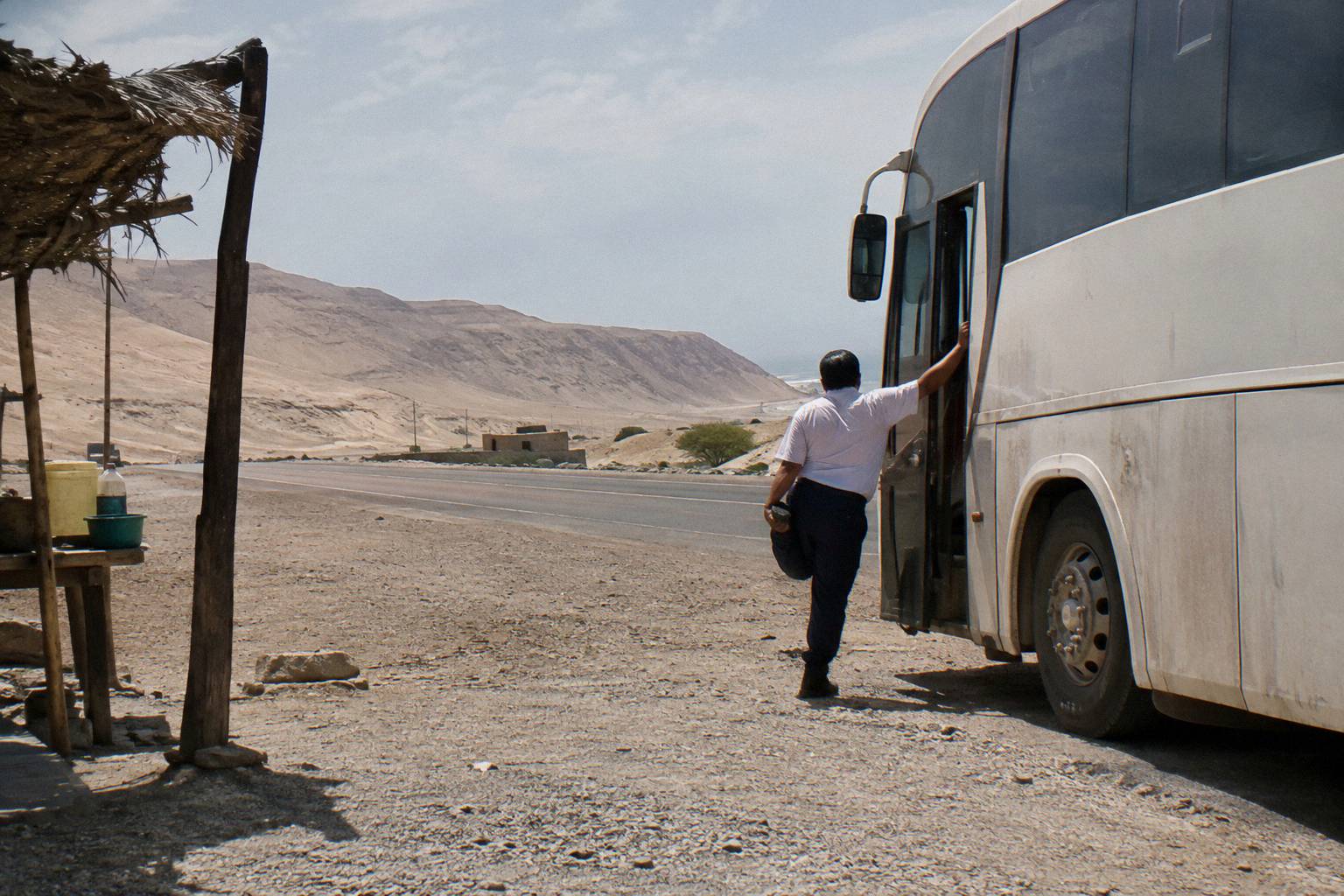
The arrival end has its own quoted warning. The FCDO writes: "There is a risk of robbery by criminals posing as taxi drivers, especially at Jorge Chavez International Airport and bus terminals", and advises readers to "use one of the taxis registered at bus terminals." Canada's version is "Remain particularly vigilant at bus terminals and in taxis" and "Only use authorized cabs located inside airport terminals and bus stations." A night arrival means a dark city, a heavy bag and a taxi decision, so the terminal's registered rank beats the friendliest offer at the door. The wider set of guides lives on Peru By Bus.
Company choice is the lever the advisories name most. The FCDO's "Only use reputable transport companies", Smartraveller's "Use only reputable bus companies" and Canada's "Follow the main roads used by bus tour companies" all push the same direction, and those are their words, quoted, not a verdict of this page. The Peru bus safety guide and the who is the safest bus company in Peru post work through what operators themselves publish about crews, monitoring and terminals.
Which Seat Should You Pick On A Night Bus?
On a night bus the seat is the product: on a full-flat service take a solo window berth away from the toilet and stairs, on a 160 degree semi-cama lower-deck window seats give a wall to lean on, and rows over the wheels ride smoother, while the back rows collect toilet traffic and the front rows collect light and noise from the crew area. Seat maps open at booking on the major lines, so the choice is real, not theoretical.
The toilet trade-off decides more nights than any other single pick. Being two or three rows from the onboard toilet beats being adjacent to it on a 10 hour run, and being far from it beats both if your bladder is unreliable. On double-deck coaches the lower deck rides steadier and stays darker; the upper deck earns its keep on a scenic day run, which is the opposite of the night bus use case. The best seat on a Peru overnight bus post maps the rows against doors, toilets and stairs in detail.
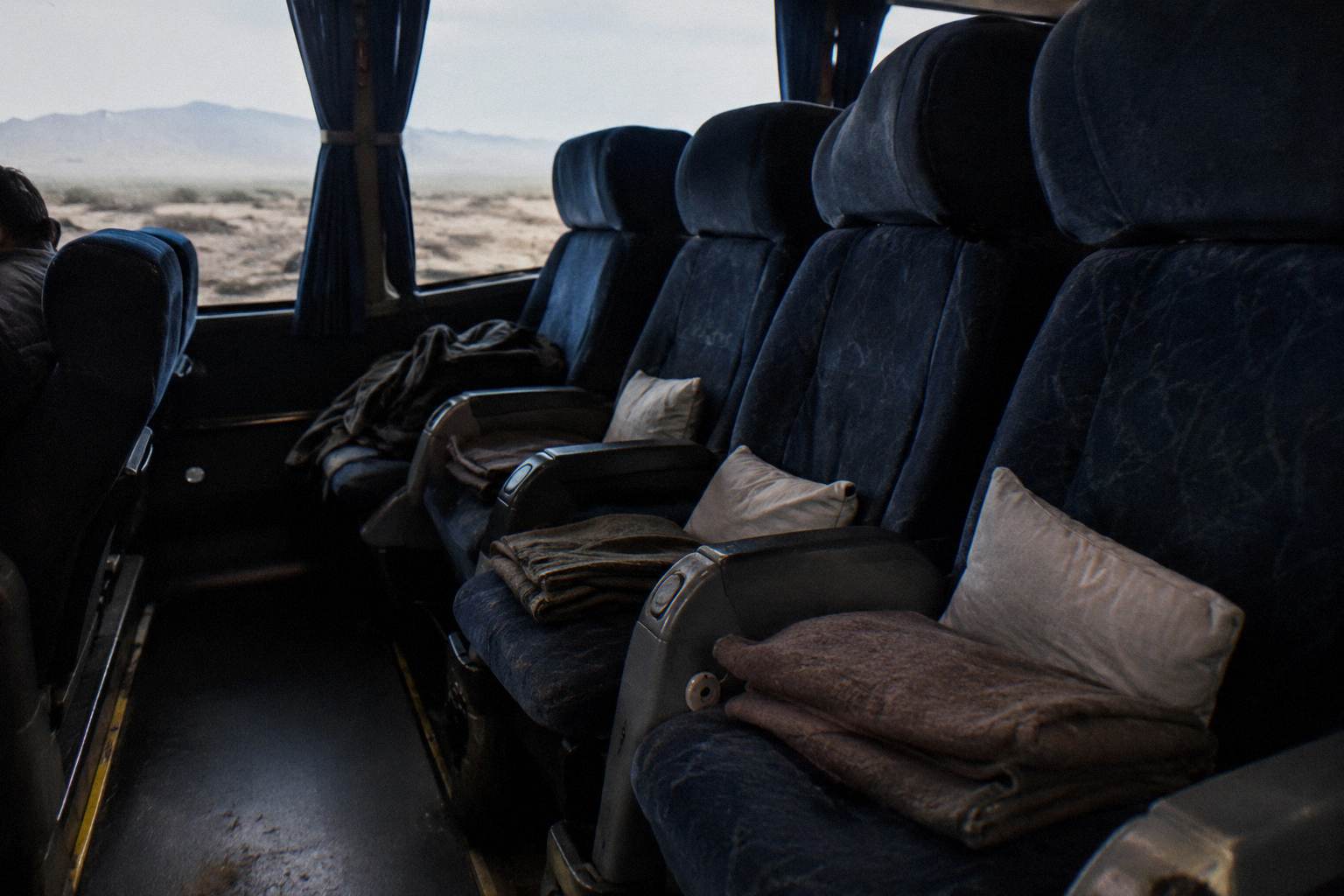
Class names describe angles, and operators publish their own numbers. The comparison below uses only figures the operators state on their own pages.
| Operator | Class | Recline stated by operator | Notes from the operator's page |
|---|---|---|---|
| Cruz del Sur | Suite | 160 degrees | Lists 20 kg hold plus 6 kg hand luggage |
| Cruz del Sur | Reclining seats | 180 degrees | Lists toilet, GPS monitoring, Wi-Fi marked courtesy service |
| Civa | SuperCiva | 160 degrees lower level, 140 upper | Stated on the operator's own service page |
| Movil Bus | Ejecutivo VIP | 140/160 degrees | Lists GPS monitoring and speed control |
| Linea | Super VIP | 180 degrees, "tipo cama" | Wi-Fi "sujeto a disponibilidad del operador" |
| Turismo Mer | Sleeper | 160 degrees | The listed Arequipa to Puno night service |
Oltursa publishes no recline degrees for its classes, so no figure appears for it here; check the operator's page for what economico and bus cama VIP include. The Cruz del Sur, Oltursa, Civa and Movil Bus compared guide carries the fuller operator-by-operator breakdown.
What Should You Do At The Terminal Before A Night Departure?
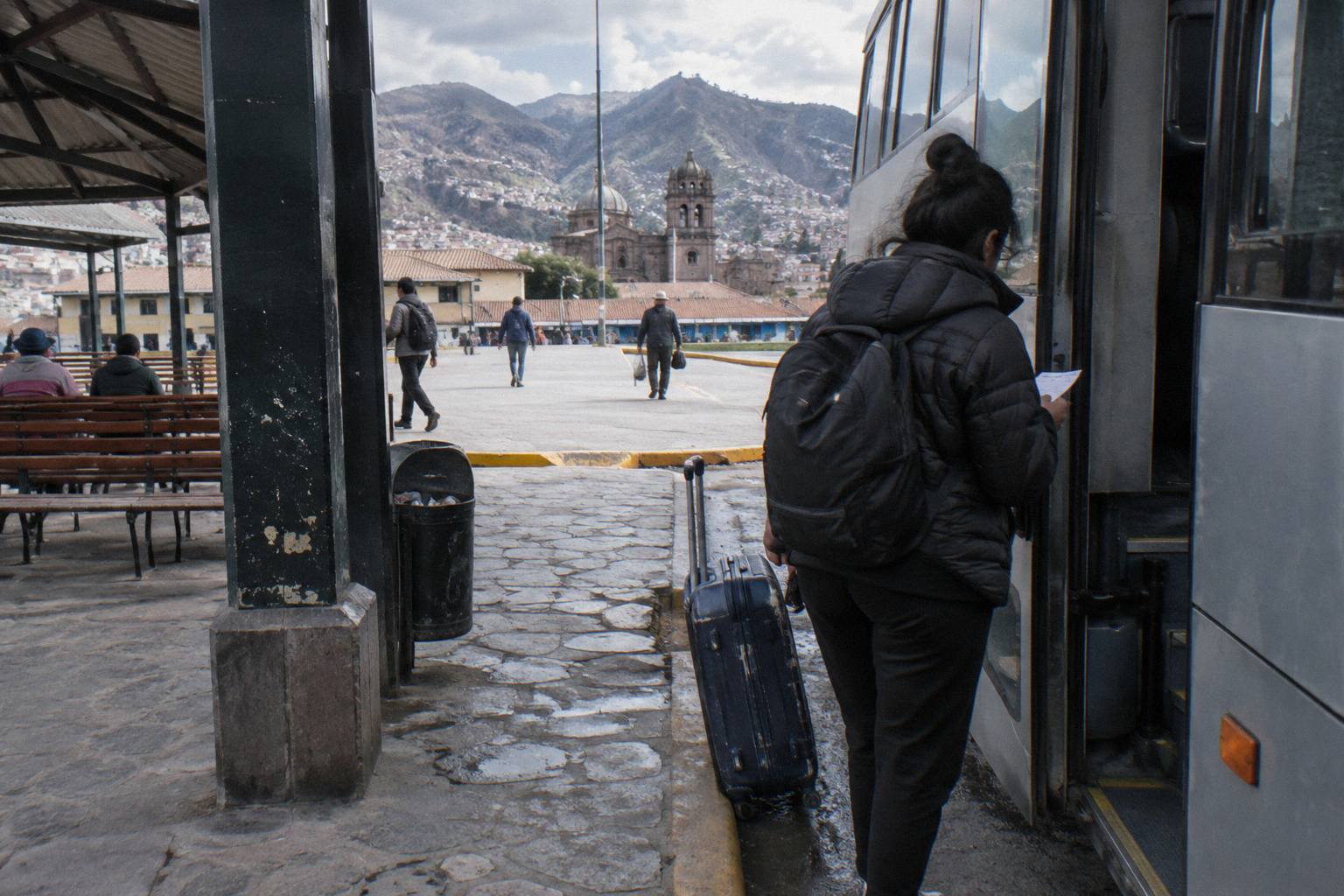
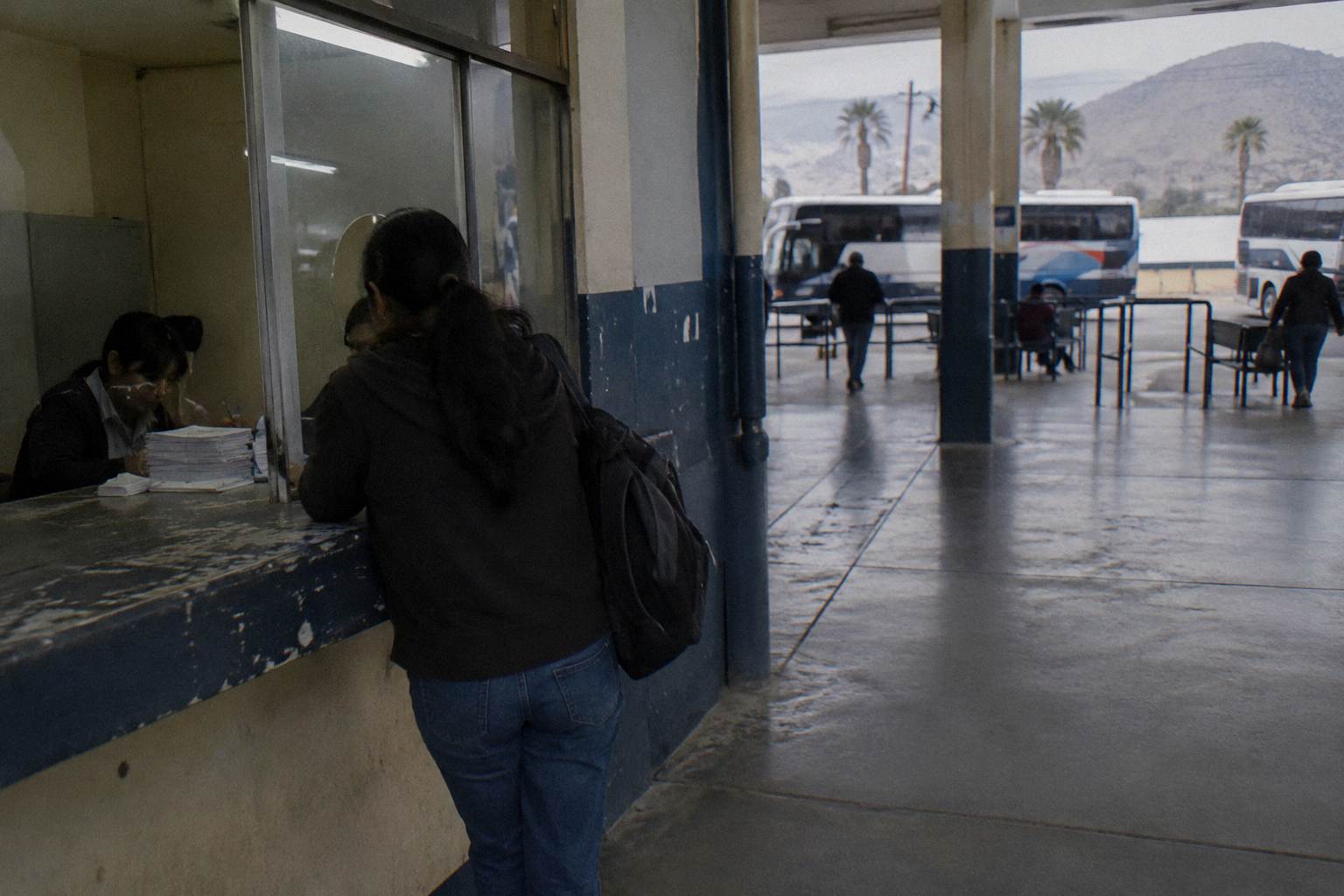
Before a night departure, arrive early enough to check in hold luggage and collect the luggage ticket SUTRAN advises passengers to request, keep your passport on your body per the FCDO, board only at the authorised point with the bus stopped as the transit regulation requires, and sort your terminal taxi before you sleep rather than after you land. Terminals, not streets, are where the process happens: Peru's national transit regulation obliges regular carriers to use habilitated terminals rather than the public road.
The check that most travellers skip and should not: any bus and driver can be checked by plate number or driver DNI on SUTRAN's public lookup, which shows whether the vehicle and crew papers are in order before you hand over your night. Cruz del Sur also publishes its boarding security on its own comfort page, listing DNI control, a metal detector and recording of passengers, plus a pilot change every 4 hours and a permanent medical check and alcohol test; those are the operator's own claims, printed as such.
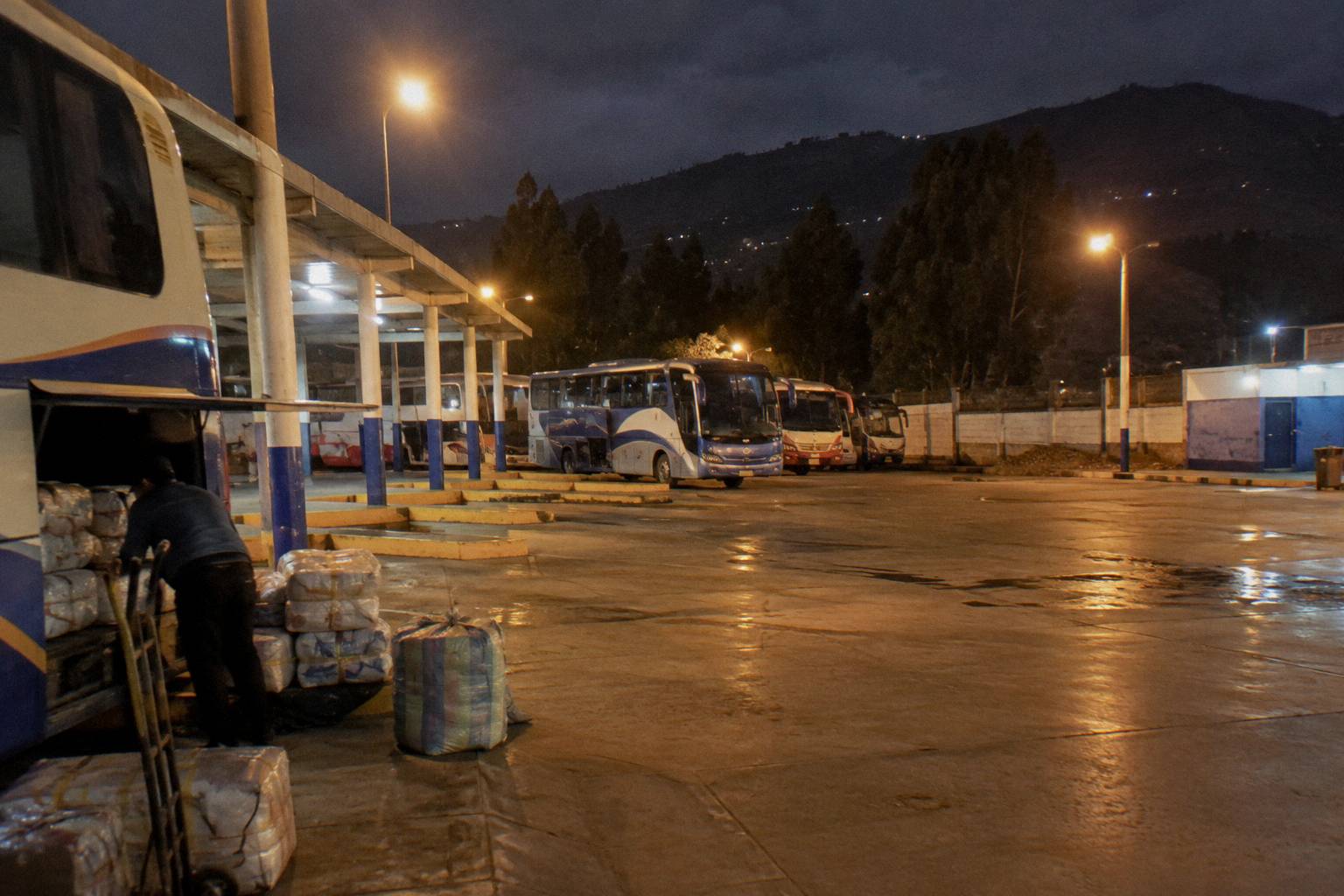
Terminal addresses differ by company, and no city has a single main terminal: Cruz del Sur lists its Lima base at Terminal Javier Prado, Av. Javier Prado Este 1109, La Victoria, while Oltursa lists Jiron Manuel Portocarrero 380 in Surquillo, both on their own pages. The Peru bus terminals by city guide collects the confirmed addresses so you know which terminal your night bus leaves from before you are standing in the wrong one with a deadline.
Money and documents belong on your body for the whole ride. The FCDO's "on bus journeys, keep your passport with you" is about the cabin, not the hold, and it pairs with the same page's warning about criminals posing as taxi drivers at bus terminals. Plan the arrival taxi from the terminal's registered rank, or have your accommodation send a named driver, before the bus rolls.
What Are The Night Driving Rules Buses Operate Under?
Peru's national transit regulation caps continuous driving at 4 hours at night and requires a second driver on any trip that exceeds it, requires national buses to carry permanent GPS monitoring transmitted to the authority, limits interprovincial buses to 90 km/h only on roads where no other speed sign applies, and mandates seat belts with a crew announcement that they are compulsory. These rules shape what a night journey looks like operationally, including the crew changes a long-haul passenger experiences as a stop in the dark.
The 90 km/h point is more conditional than it sounds. SUTRAN states the limit applies "unicamente en aquellas vias que no cuenta con algun tipo de senalizacion reguladora", only on roads without other regulatory signage, and separately requires a speed limiter device that stops a bus passing 110 km/h; that limiter is a device rule, not a licence to drive at 110. In poor visibility or bad weather the posted limits halve under the transit regulation.
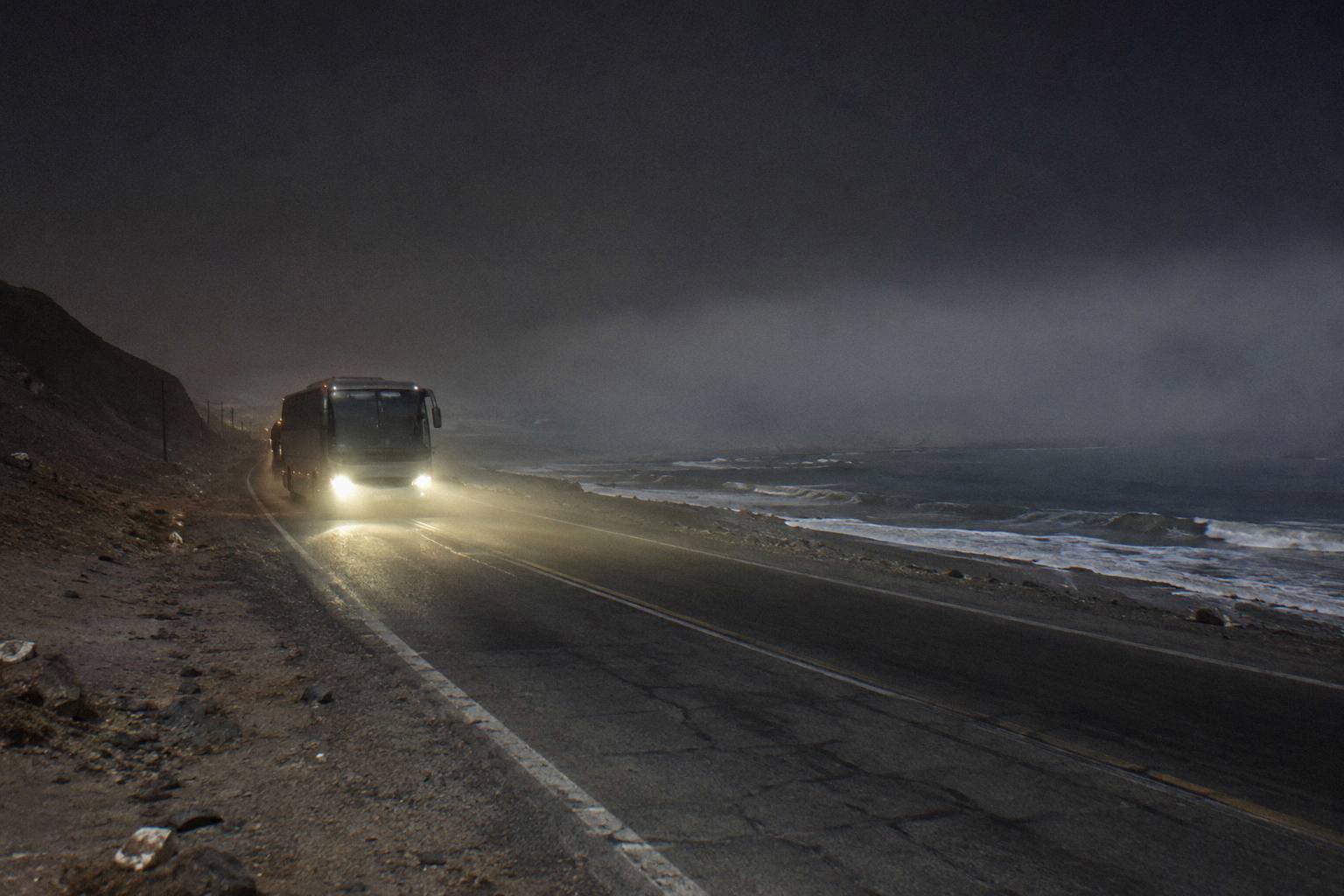
Weather is a night multiplier in the Andes, where the rainy season runs roughly September to April. The FCDO notice on the current El Nino event states: "Through late 2026 to April 2027, the El Nino weather event is expected to generate heavy rainfall, possible flooding, landslides, and mudslides, especially in, but not restricted to, the northern and central coast. These could cause travel disruption, such as road closures." Checking SUTRAN's alert map the day before is the practical response, and the Peru bus delays, strikes and rainy season guide covers disruption in depth.
How Does A Sleeper Ticket Compare With Other Night Options?
A listed sleeper or semi-cama tourist bus, a hop-on hop-off pass and a conventional carrier ticket answer different needs: the sleeper sells the recline and the cabin service, the conventional carrier sells the corridor frequency out of company terminals, and a pass sells flexibility across many legs, with Peru Hop reporting tickets valid 1 year and bus times changeable in the app up to 12 hours before departure. The comparison is about what you are buying, not a ranking.
On the listed-ticket side, the Cusco to Arequipa leg illustrates the conventional alternative: the World Explorer Peru direct bus, rated 3.7 across 16 reviews, whose listing names a Cruzero Suite 160 degree seat and a 10 hour listed duration with free cancellation up to 24 hours before; the Direct Bus Cusco to Arequipa page carries it. Arequipa to Cusco is about 487 km with a 9.4 hour free-flow drive estimate, mountain road for most of it, which places it in the daylight-favoured group under the advice quoted earlier.
A pass works differently. Peru Hop runs a hop-on hop-off network across Peru and Bolivia with buses every day, hotel or Airbnb pickup rather than terminals and taxis, a local bilingual host on board, and coaches listed with semi-cama reclining seats, toilets, GPS tracking, speed-restriction software, seatbelts and a team of drivers; Peru Hop reports 395,000+ passengers and 20,000+ TripAdvisor reviews since 2013. Those numbers are the operator's own. Whether a night leg suits a given pass is a route question, and the pass question is bigger than one night: the Peru Hop passes explained guide and the Peru Hop versus public bus comparison do that maths properly.
If a night bus appeals mainly because it saves a hotel night, price the day split honestly: two daylight rides plus a bed in a city will beat a bad night's sleep on a mountain road, and on the corridors the advisories flag, it is not close. The sleeper alternative on the short lake hop remains the listed Turismo Mer night service, and the schedule question for Lima departures is covered in the what time overnight buses leave Lima post.
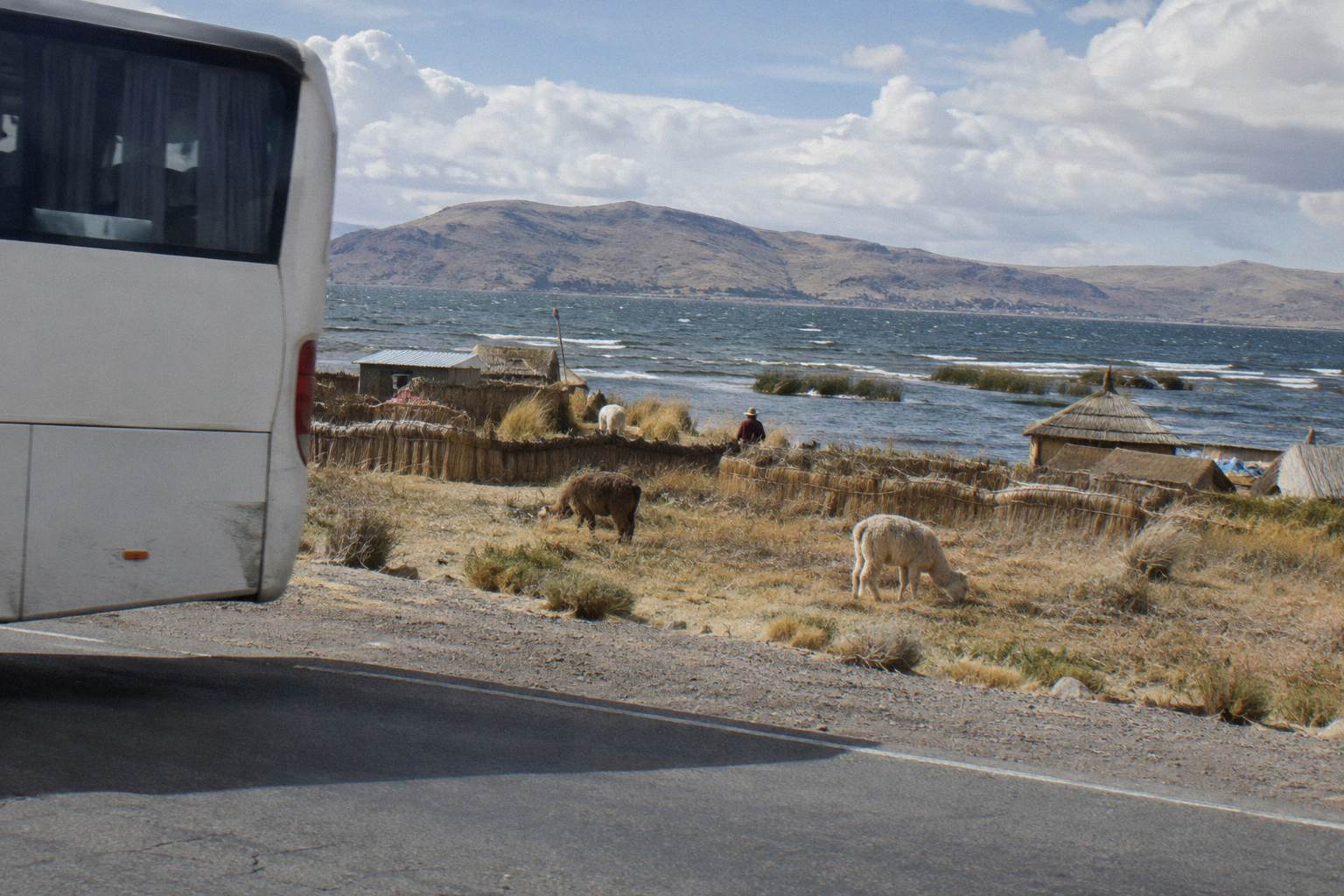
The daytime Puno to Cusco tourist bus, 4.6 across 24 reviews with a lunch stop, is the same-highlands daylight counterweight to any night plan on the lake route, and pairing the two, sleeper one way, sightseeing bus back, is the pattern that fits the official advice best on the southern loop.
Night Bus Or Day Bus: The Practical Checklist
Decide the night question in this order: corridor first, then operator, then class, then seat, because the advisories grade risk by terrain and remoteness, not by company or fare, and a full-flat bed on a remote mountain road is still a night on a remote mountain road. Every item below traces back to a quoted advisory or a regulation line already covered above.
| Decision | The question to answer | Where the answer comes from |
|---|---|---|
| Corridor | Is this a major highway or a remote mountain road? | FCDO: avoid overnight travel "especially in mountainous and remote regions" |
| Company | Does the operator publish crew, GPS and terminal practices? | Operator pages, quoted as their own claims |
| Ticket | Can it be postponed or transferred? | INDECOPI: 24 hours notice, real reissue cost only |
| Luggage | Did you get a luggage ticket for the hold bag? | SUTRAN advises passengers to request one |
| Documents | Passport on your body, not in the hold bag? | FCDO: "keep your passport with you" |
| Arrival | Terminal taxi sorted from the registered rank? | FCDO and Canada advice on terminals and taxis |
One callout before booking anything: if the trip is a multi-city southern loop rather than a single night leg, a pass deserves a look alongside single tickets, and See Peru Hop Passes for the network's own terms, pickup model and stop list, keeping the FCDO and Smartraveller quotes above in view either way.
On refunds, know which product you hold. The listed tourist buses in this guide each carry free cancellation up to 24 hours before for a full refund, as listed; the First Class Huaraz ticket from Lima says non-refundable and cannot be changed, and asks for passport numbers and full names to print tickets. Conventional carrier tickets sit under the INDECOPI rule: postponement or transfer with 24 hours notice at the real reissue cost. Check the cancellation line on whatever listing you are about to pay for.
The Arequipa to Puno sleeper, 4.3 across 20 reviews with a listed 160 degree recline, is the one true sleeper product on the routes covered here, and its short corridor, about 273 km, keeps the night compact rather than epic.
Common Questions About Overnight Buses In Peru
Are Overnight Buses In Peru Safe?
No government advisory describes night bus travel in Peru as safe. The FCDO states "Bus crashes are common, especially at night" and advises avoiding overnight travel "especially in mountainous and remote regions"; Canada writes "Avoid taking buses and coaches at night"; Smartraveller reports theft from sleeping passengers. Route choice, company choice and onboard habits are the levers the advisories themselves point to.
Which Peru Overnight Routes Make The Most Sense?
The long highway corridors: Lima to Arequipa, about 1,002 km with a 14.3 hour free-flow drive estimate, and Lima to Trujillo on the north coast, about 557 km and 9.1 hours free-flow. Arequipa to Puno, about 273 km, is a short night hop with a listed sleeper service. Free-flow estimates are drive figures that real journeys exceed, not timetable times.
Do Peru Overnight Buses Have Toilets And Beds?
Full-size intercity coaches list onboard toilets, and classes range from about 140 degree reclines to 180 degree flat beds depending on operator and class; the table above lists the recline angles operators publish themselves. The Turismo Mer Arequipa to Puno sleeper lists a 160 degree recline. Bolivia Hop vehicles have no onboard toilet because of the lake-crossing weight limit.
What Seat Should I Choose On A Night Bus?
Lower-deck or over-wheel rows for a smoother, darker ride, window for a wall to lean on, and two or three rows from the toilet rather than beside it. Seat maps open at booking on the major lines, so the choice is available at purchase time.
How Should I Prepare For The Night Itself?
Passport and valuables on your body, hold luggage checked with the luggage ticket SUTRAN advises requesting, day bag where you can see it, and the arrival taxi planned from the terminal's registered rank, following the FCDO advice on terminals and taxi robbery risks.
Can I Cancel Or Change A Night Bus Ticket?
It depends on the product. The listed tourist buses in this guide each state free cancellation up to 24 hours before for a full refund, as listed. Under INDECOPI rules a domestic bus ticket can be postponed or transferred with 24 hours notice at only the real reissue cost. Always read the cancellation line on the specific listing before paying.