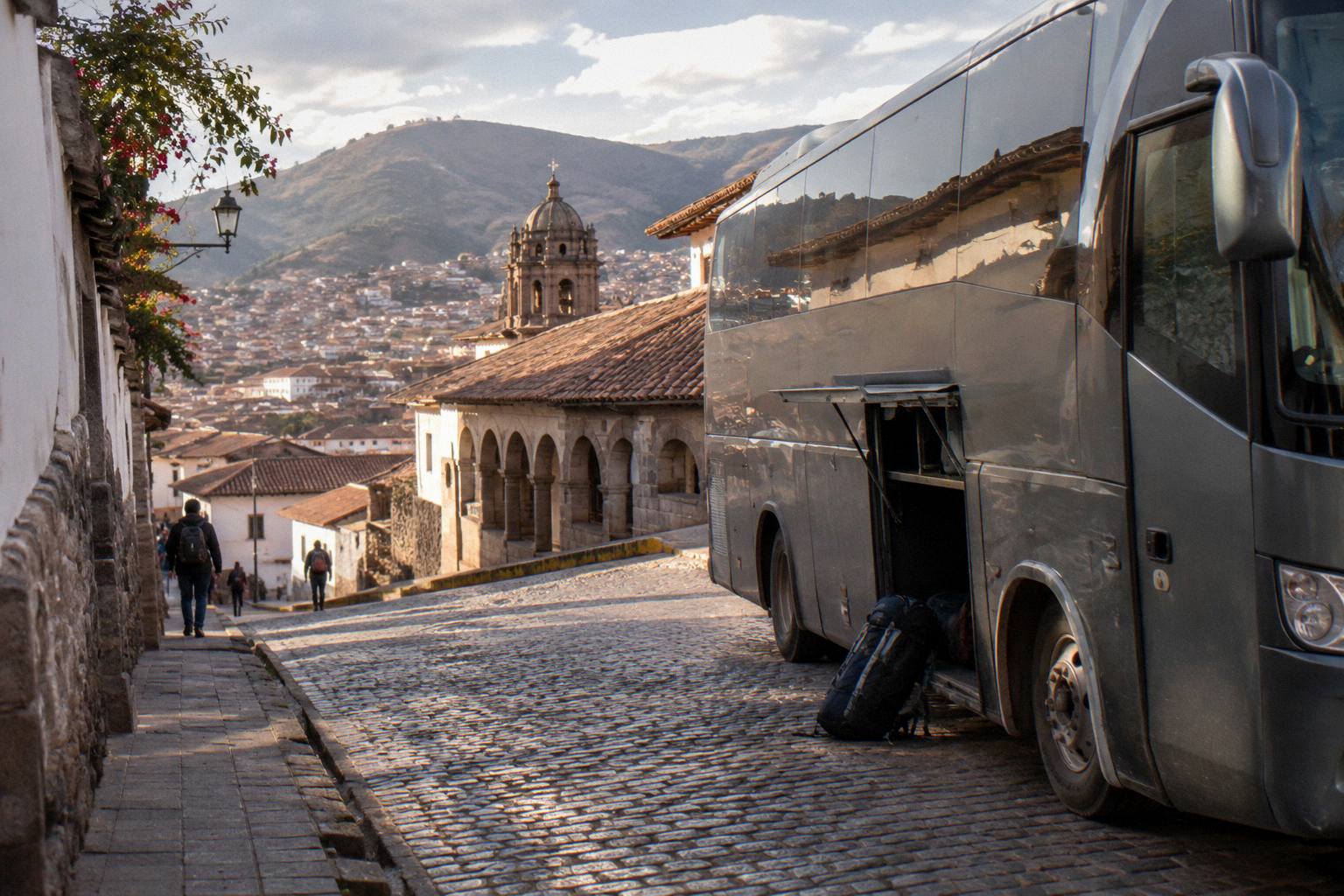
Peru Hop Bus: How The Hop-On Hop-Off Network Works
A hop-on hop-off pass is a different product from a bus ticket: one pass, a year of validity, hotel pickup and a host on board. This guide explains how the network works, what each pass covers and where it stops.
Short answer
The network links Lima, Paracas, Huacachina, Nazca, Arequipa, Puno, Cusco, Copacabana and La Paz with one ticket valid for 1 year. Peru Hop reports 395,000+ passengers since 2013 across more than 20 named passes. Buses run every day, pickup is at your hotel or Airbnb, and a bus time can be changed in the app up to 12 hours before departure.
A single bus ticket buys one seat on one departure. A hop-on hop-off pass buys a corridor: you ride a leg, stop for two days in a desert oasis, then board a later bus on the same ticket. That single difference shapes everything else, from pickup at your hotel door to the host who rides along and explains each stop. Peru Hop is the operator that runs this model across southern Peru and into Bolivia, and this guide lays out how its network fits together, pass by pass, without repeating its marketing.
The corridor it serves is the classic south: Lima down the coast to Paracas and Huacachina, inland to Nazca and Arequipa, up to Puno on Lake Titicaca, then Cusco, or across to Copacabana and La Paz. For background on how regular Peruvian bus travel works, terminals and all, read how Peru bus travel works; for the full south-coast routing, see the southern Peru bus circuit guide.
What Is The Peru Hop Bus And Who Is It For?
A hop-on hop-off pass is one ticket, valid for 1 year, that lets a traveller ride any leg of the network's fixed corridor and get off at named stops for as long as they like, then board a later bus. Peru Hop reports 395,000+ passengers since 2013, from 85+ nationalities. It suits people moving down the coast and into the Andes on a flexible schedule rather than those wanting the most direct seat between two cities.
The core idea is freedom of timing. Buy a pass that ends in Cusco, ride to Paracas, stay three nights, ride onward. The ticket stays live for a year from booking, and a bus time can be changed in the app up to 12 hours before departure, per the operator's pass terms. Buses run every day on the corridor, so a missed departure means waiting for the next one rather than buying a new ticket.
Who benefits most from that? Travellers on an open itinerary who already know they want Paracas, Huacachina and Arequipa in whatever order the weather allows. First-time visitors who value a bilingual local host on every bus, hotel pickup with no terminal to find, and a WhatsApp help line. The model is weakest for anyone with fixed dates in one city, for whom a single one-way ticket does the same job with less commitment.
For the research-minded, Peru By Bus separates what the operator reports from what a pass actually delivers. The sections below do that pass by pass, starting with the map.
Where Does The Hop-On Hop-Off Network Actually Go?
The network's fixed corridor runs Lima, Chincha, Paracas, Huacachina, Nazca, Arequipa, Lagunillas, Puno, Cusco, Copacabana and La Paz, with departures from Lima, Cusco, Arequipa, Copacabana and La Paz. More than 20 named passes cover different slices of that chain. Peru Hop lists fastest completion times from 24 hours, Cusco to La Paz, up to 10 days, Lima to Cusco to La Paz.
Not every pass walks the whole chain. Get To Cusco Quick skips Arequipa and Puno and lists 3 days. To Cusco Without The Canyon skips the Colca side. Canyon To The Lake To La Paz starts in Arequipa and lists 2 days. The first table below gives the corridor at a glance; the second shows the passes confirmed on the operator's own pass pages, with the fastest time each one states.
| Corridor fact | Detail |
|---|---|
| Stops named on pass pages | Chincha, Paracas, Huacachina, Nazca, Arequipa, Lagunillas, Puno, Cusco, Copacabana, La Paz |
| Departure cities | Lima, Cusco, Arequipa, Copacabana, La Paz |
| Ticket validity | 1 year, unlimited hops at named stops |
| Bus frequency | Every day, per the operator |
| Passes listed | 22 on the operator's pass filter line |
| Pass | Stops named on the pass page | Fastest time (Peru Hop lists) |
|---|---|---|
| Full South To Cusco | Chincha, Paracas, Huacachina, Nazca, Arequipa, Lagunillas, Puno, Cusco | 6 days |
| Get To Cusco Quick | Chincha, Paracas, Huacachina, Nazca, Lagunillas, Cusco | 3 days |
| Canyon To Lima | Arequipa, Nazca, Huacachina, Paracas, Chincha, Lima | 3 days |
| Canyon To The Lake To La Paz | Arequipa, Lagunillas, Puno, Copacabana, La Paz | 2 days |
| Lima To Cusco To La Paz | Lima through Copacabana to La Paz | 10 days |
| Cusco To La Paz | Cusco to La Paz | 24 hours |
| Cusco To Canyon To La Paz | Cusco, Arequipa side, La Paz | 5 days |
| Copacabana To Puno To Cusco | Copacabana, Puno, Cusco | Check the pass page |
Those fastest times assume you ride every leg without hopping off, which rather defeats the purpose. A Full South pass hopped at Paracas, Huacachina, Arequipa and Puno becomes a two or three week trip, and the year of validity is what makes that possible. Other passes among the listed tickets include Full South To Lima, Get To Lima Quick, Cusco To The Oasis To Lima, To Cusco Without The Canyon and Lima To La Paz To Cusco.
One structural note: the border legs into Bolivia are run with the linked Bolivia Hop sister brand, and those buses have no onboard toilet because of the lake-crossing weight limit, with public toilets at the Strait of Tiquina crossing, where passengers cross the lake on a separate boat. The Puno to Copacabana bus guide covers that crossing in detail.
If the first coastal legs are what draw you, direct tourist-bus tickets also exist on that stretch: the Wayki Bus Miraflores to Paracas one-way, rated 4.2 across 62 reviews, Check availability, and the Huacachina one-way with a Paracas stop, 3.7 across 77 reviews, both serve the first slice without a pass.
How Do The Passes, Stops And Ticket Validity Work?
Every pass is one ticket for the whole corridor slice it names, valid for 1 year, with unlimited hops at the stops on that corridor. A bus time can be changed in the app up to 12 hours before departure, buses run every day, and help runs by WhatsApp and phone. Peru Hop reports tickets are used flexibly rather than in one continuous ride.
Mechanically it works like this. Book a pass, receive the booking in the app, then reserve a seat on each leg as your plans firm up. Change a leg up to 12 hours before it departs and the ticket stays open, per its pass terms. There is no penalty clock ticking day by day the way a rail pass ticks: the year runs from booking, and the hops are yours to place anywhere in it.
The stops are the network's real structure. Each pass page names the towns where the bus halts, and those are the only hop points. On Full South To Cusco the halts are Chincha, Paracas, Huacachina, Nazca, Arequipa, the Lagunillas viewpoint, Puno and Cusco. You cannot invent a mid-route stop in a town the pass does not name; the corridor is fixed even though the timing is not.
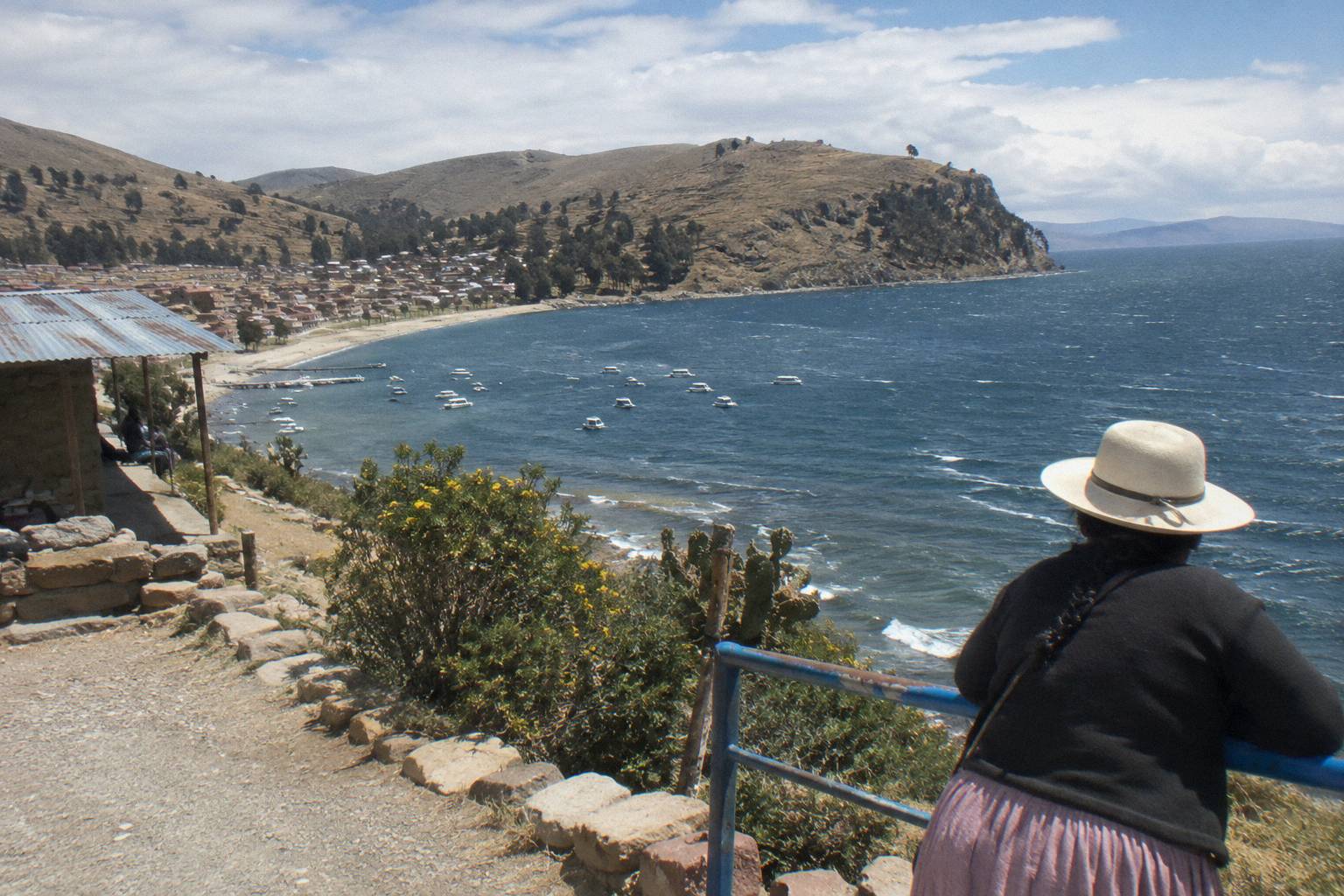
A short callout for the buyer: pass pages are where the live detail sits, including each pass's own stops and schedule notes, so See Peru Hop Passes on the operator's own site before choosing one, since pass structures change more than the corridor does.
The day trips are a separate layer. Fixed one and two day tours run from Lima, Cusco and La Paz for travellers who fly in, and extra tours bookable alongside a pass include Rainbow Mountain, the Ballestas Islands, buggy and sandboarding in the dunes, a Nazca Lines flight, Colca Canyon options from a full day to three-day treks, Lake Titicaca tours and Isla del Sol. None of these are legs of the bus corridor; they bolt onto it.
What Are The Buses Like Onboard?
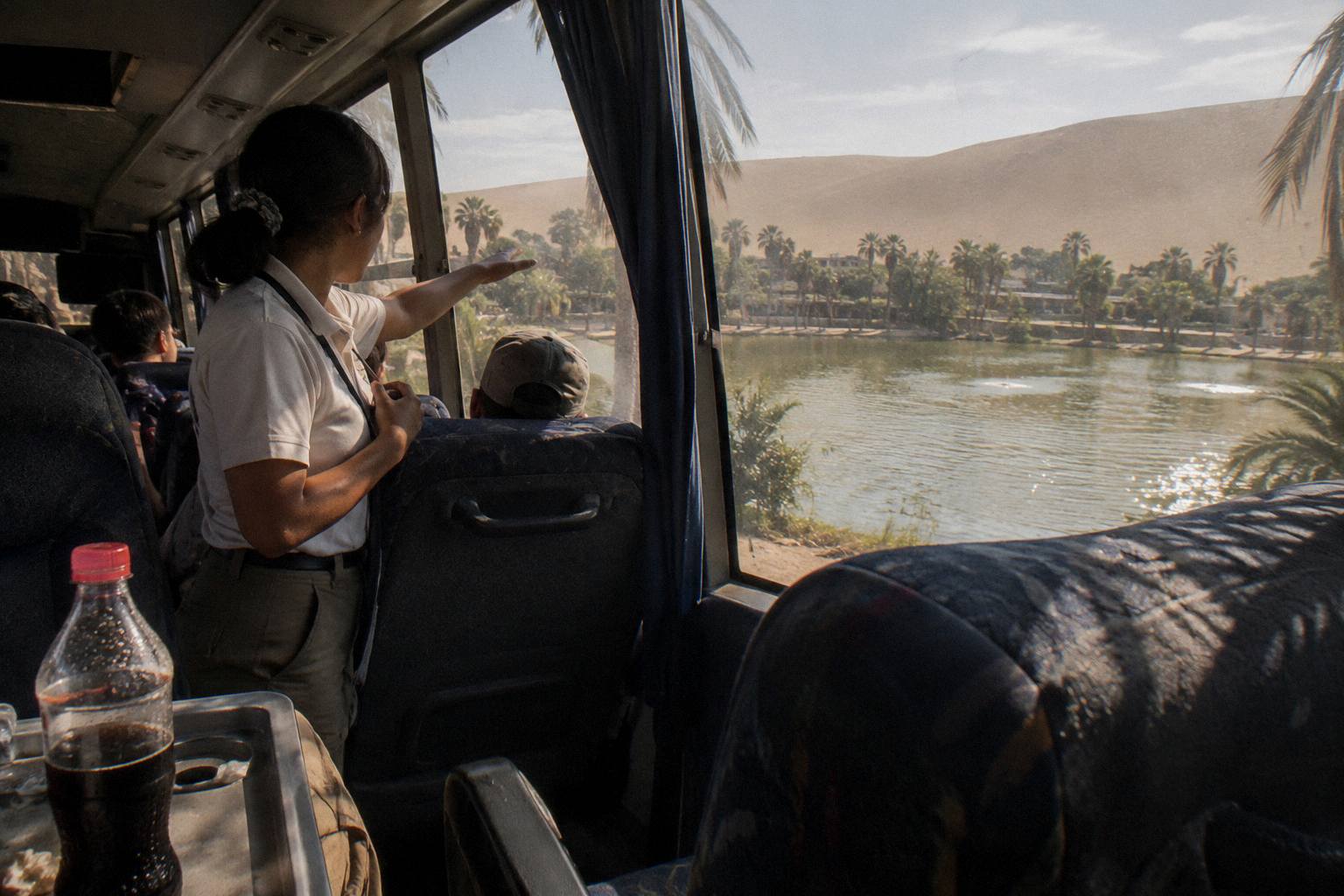
The fleet runs semi-cama reclining seats with air conditioning and heating, TVs, USB charging, toilets, GPS tracking, speed-restriction software, seatbelts and a team of drivers, with Wi-Fi the operator says is powered by satellite. A local bilingual host rides every bus. Those are the operator's own specifications, stated on its buses and safety page.
Semi-cama means a seat that reclines partway toward flat, less than the full 160 or 180 degree cama beds on some regular long-distance lines. For a comparison of seat classes across Peruvian operators, the Peru bus classes guide breaks down the degrees and what each one costs in comfort on a night leg.
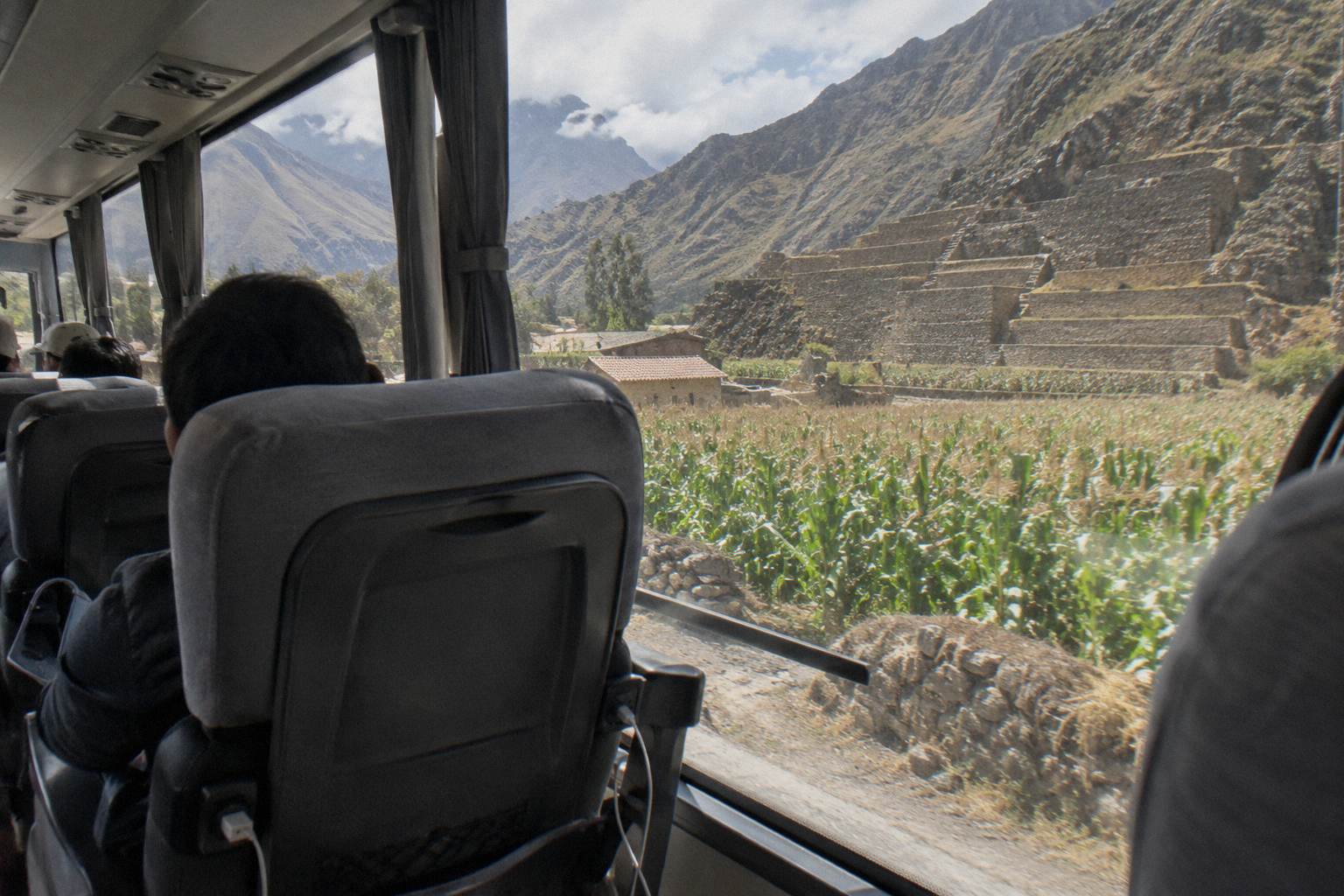
The onboard reality worth planning around is leg length. The Nazca to Arequipa leg is long, and some later legs on the corridor run in the evening or overnight, which is exactly the window foreign governments caution about. The UK FCDO advises: "Bus crashes are common, especially at night. Only use reputable transport companies, and where possible, avoid overnight travel, especially in mountainous and remote regions" (gov.uk). Canada's advice is blunter still: "Avoid taking buses and coaches at night" (travel.gc.ca). A pass does not exempt its holder from that arithmetic; it just makes the timing choice explicit when you reserve each leg.
Against that, the safety kit is real and inspectable: GPS tracking, speed-restriction software, seatbelts at every seat and a team of drivers, all listed by the operator. Under Peru's rules you can independently check any bus and driver by plate or driver document number on SUTRAN's lookup, which works for any carrier in the country, hop-on hop-off or not.
How Do Hotel Pickup And The Bus Host Work?
Pickup is at your hotel or Airbnb, with no terminals and no taxis to reach a departure point, and a local bilingual host rides every bus to explain stops, borders and onward options. Peru Hop reports this door-to-door model across its whole network, and it is the clearest difference from a regular terminal-based departure.
On a regular Peruvian intercity service you reach a company terminal, queue, have luggage tagged and board at a gate, as the Peru bus terminals by city guide describes. Here the bus collects passengers from their accommodation in the departure city, which removes the terminal taxi journey entirely. That matters more than it sounds: the FCDO warns "There is a risk of robbery by criminals posing as taxi drivers, especially at Jorge Chavez International Airport and bus terminals," and advises travellers to "use one of the taxis registered at bus terminals."
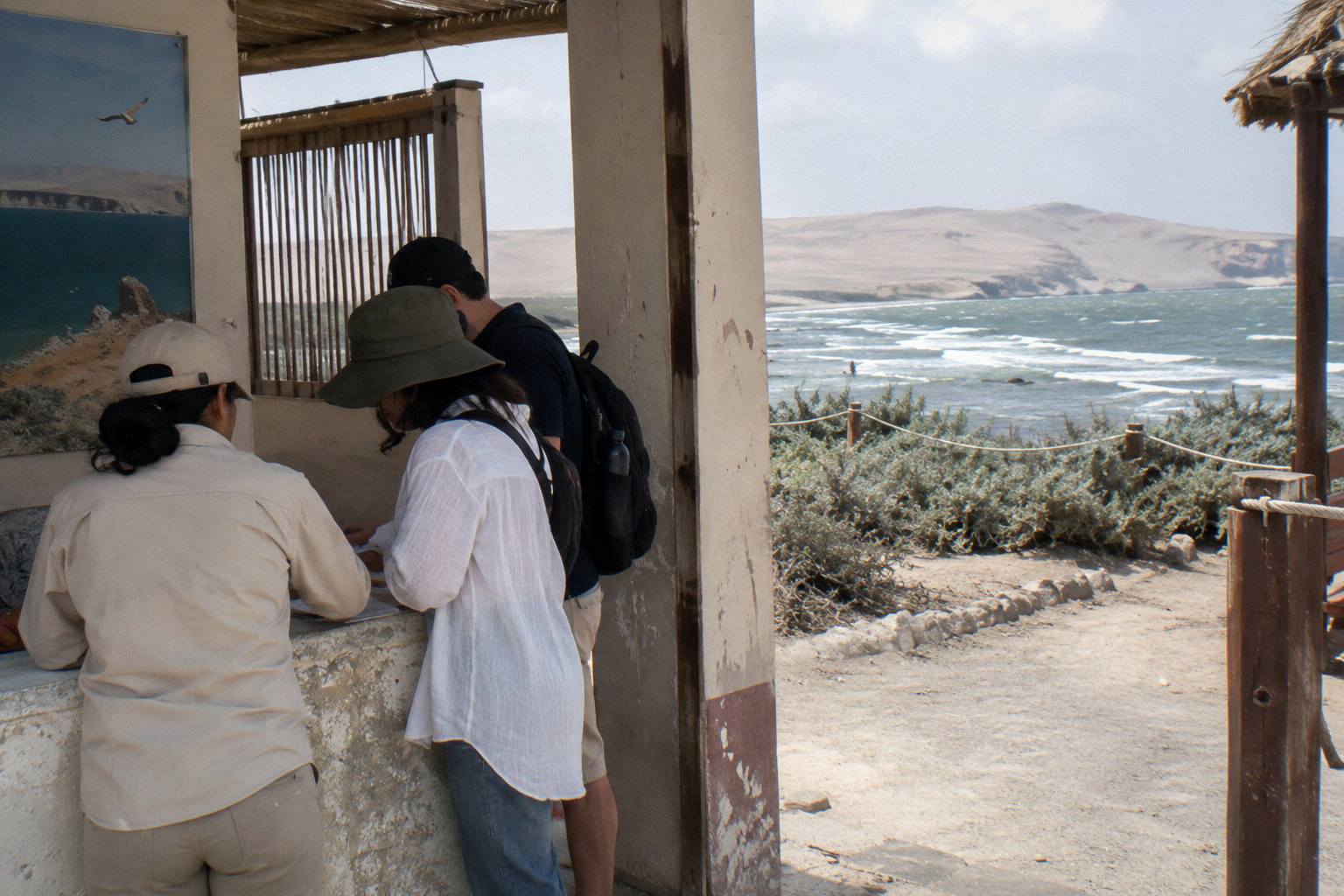
The host is the other half of the product. A bilingual local on each bus narrates the route, flags the border paperwork on Bolivia legs, books the hidden-stop visits and answers the questions a first-time visitor would otherwise take to a forum. On regular services no equivalent role exists; the crew drives and tickets, and information is your own job.
What Are The Hidden Stops On The Lima Passes?
Lima-origin passes include stops the operator calls its hidden stops: the Secret Slave Tunnels in Chincha, the Nazca Lines Viewing Tower, the Paracas National Reserve, the Lake Lagunillas viewpoint and a pisco vineyard in Ica. These are halts built into pass itineraries, not bookable tours.
Each one is a roadside pause on a leg you are riding anyway. The viewing tower outside Nazca gives an elevated look at a stretch of the lines from the ground, distinct from a flight over them. The Lagunillas viewpoint sits on the Arequipa to Puno leg at altitude, where the lake spreads below the road. The vineyard halt in Ica ties into the region's pisco tradition, and the reserve stop in Paracas adds coastal scenery to what is otherwise a transit day.
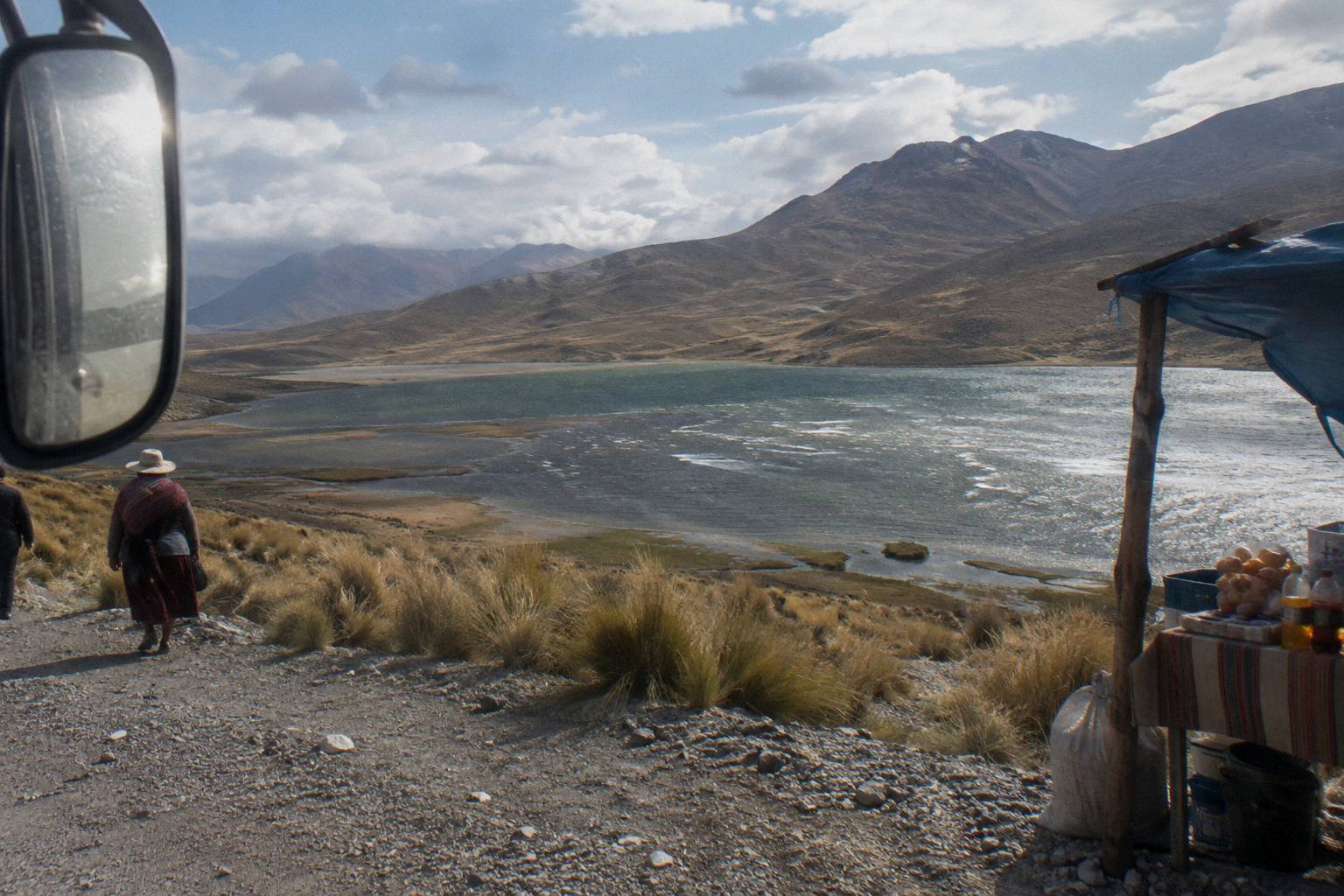
The honest framing is that these are pauses, not guided excursions. A halt at a vineyard is a halt at a vineyard; the depth of the visit depends on the day and the host. Travellers who want depth at any of these places book the standalone day tour instead, which is a different product on the same corridor.
For the coastal slice specifically, note that the region sits within the zone the FCDO flags for the El Nino weather event: "Through late 2026 to April 2027, the El Nino weather event is expected to generate heavy rainfall, possible flooding, landslides, and mudslides, especially in, but not restricted to, the northern and central coast. These could cause travel disruption, such as road closures". Check SUTRAN's road alert map before any coastal leg; it shows closed roads in red, restricted in yellow and open in green.
Where Does The Network Not Go?
It does not reach Machu Picchu, Huaraz, Puerto Maldonado, northern Peru, the central highlands, Tacna and the Chile border, Ecuador or the jungle. Peru Hop's own page says Cusco to Aguas Calientes is by train, trek or bus, and it points to a partner operator for Machu Picchu tours. Every other region needs a regular carrier.
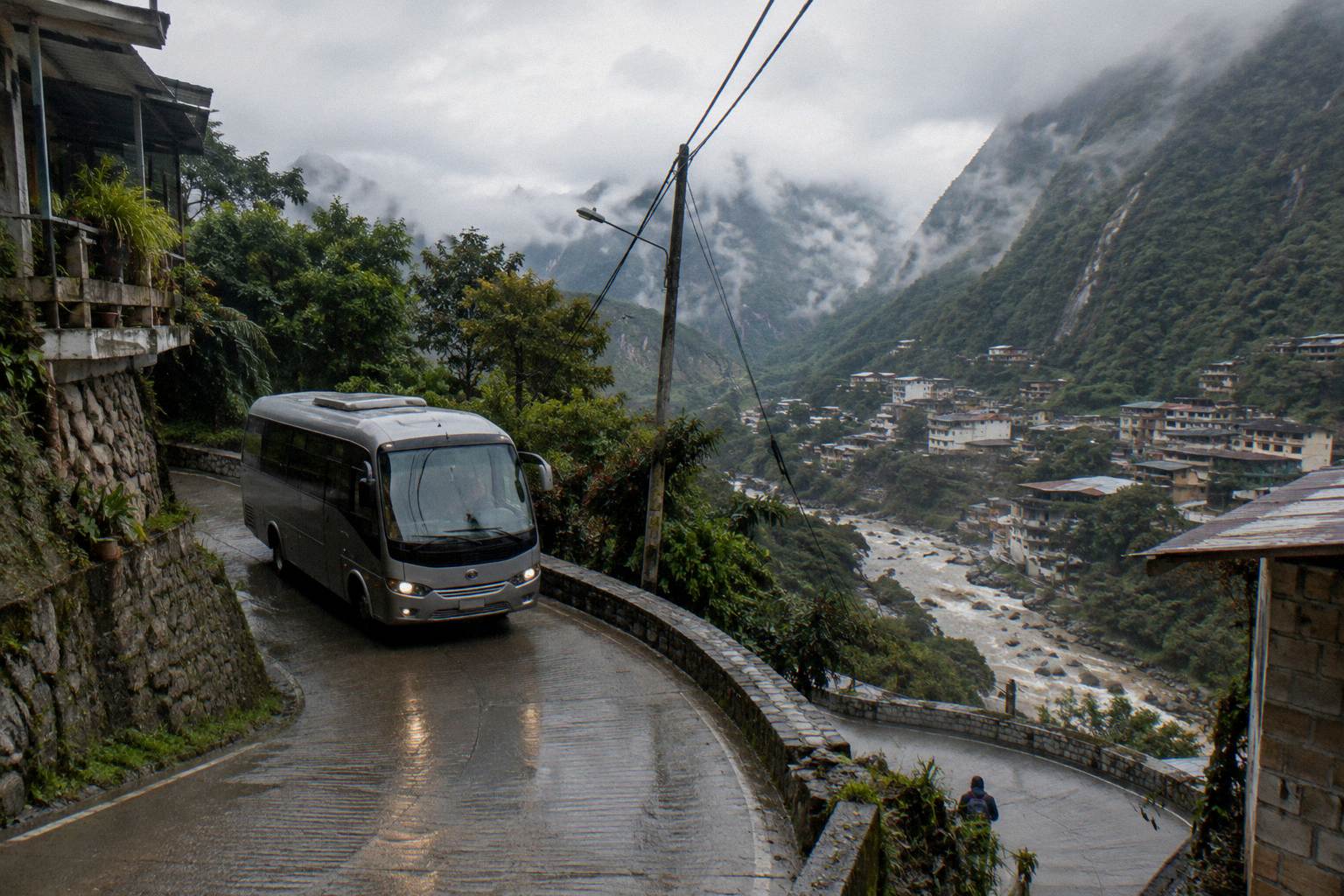
The Machu Picchu point causes the most confusion, so state it plainly: the network ends at Cusco, and the last leg to Aguas Calientes is a separate journey. The back-door bus route from Cusco to Hidroelectrica is one option, covered in the Cusco to Machu Picchu by bus via Hidroelectrica guide; a dedicated tourist bus runs that road, the listing gives 6 hours with two rest stops, and it is rated 4.3 across 53 reviews.
Huaraz is the other frequent ask. The network has no pass there, and the regular route is the long climb from Lima, covered in the Lima to Huaraz bus guide. The north coast, Trujillo to Mancora, the Chachapoyas ruins, the central highland cities and the Amazon side of the country all sit outside the corridor as well. For those, the north coast bus guide maps the regular lines.
How Does A Pass Compare With Regular Bus Tickets?
A pass bundles flexibility, hotel pickup, a host and the hidden stops into one year-valid ticket, while regular tickets buy one seat on one departure with none of that. The trade-offs run both ways: passes commit you to one operator's corridor, and some legs are long, while individual tickets let you pick the operator and class per leg, including full flat-bed services on night routes.
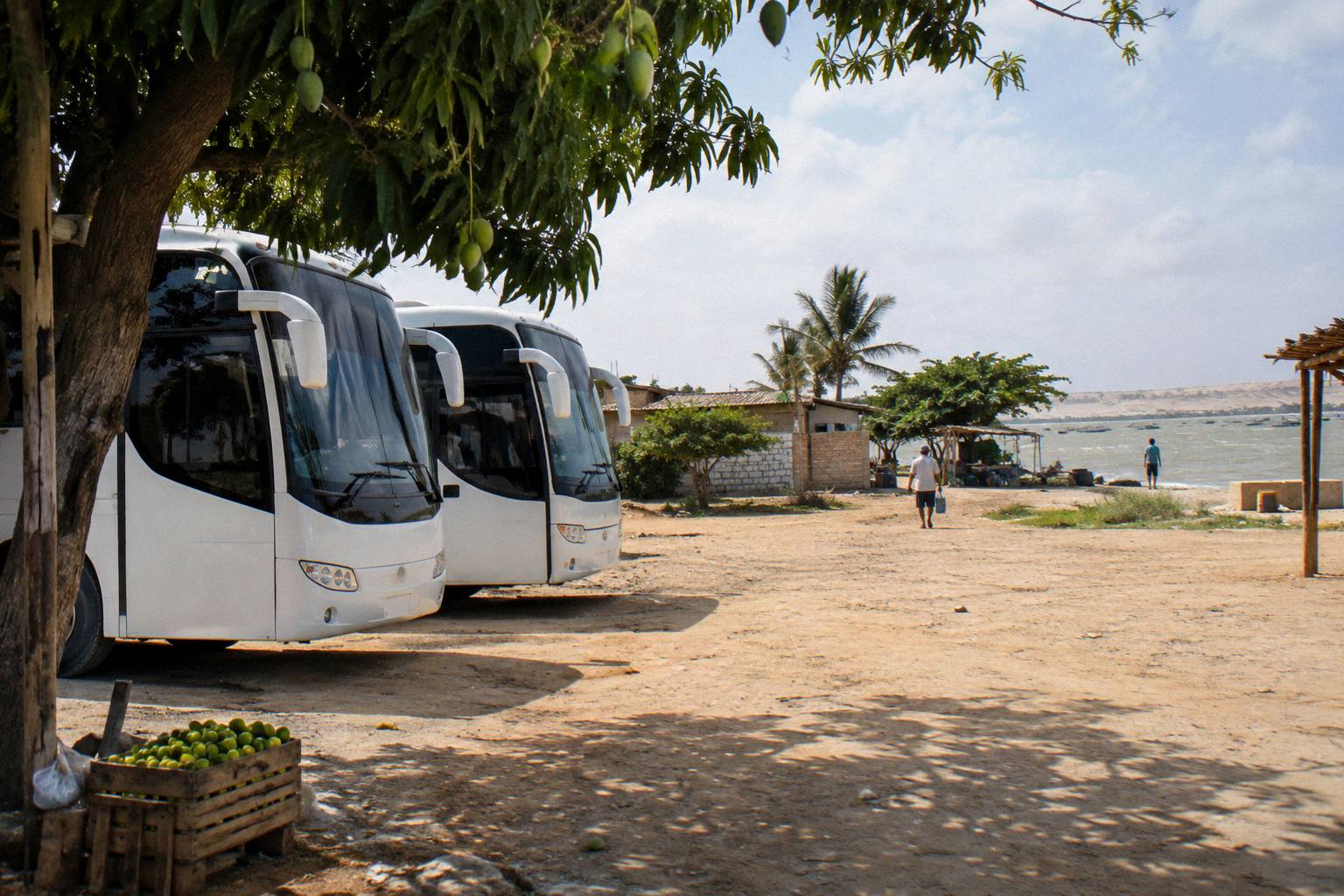
The clearest comparison point is the south-coast corridor, where both models run in parallel. A direct tourist bus covers Lima to Paracas, the listing gives 3 hours, drop-off at El Chaco. Another covers Lima to Huacachina with a Paracas stop, the listing gives 8 hours for the whole run. Buy those two seats and you have replicated the first slice of a pass at the cost of losing the flexibility: change plans and you are into each operator's own cancellation terms rather than a year-valid ticket you rebook in an app.
| What you buy | Hop-on hop-off pass | Regular one-way ticket |
|---|---|---|
| Validity | 1 year, hops anywhere on the pass corridor | One seat, one departure |
| Pickup | Hotel or Airbnb door | Company terminal |
| Host | Bilingual local host on every bus | Crew only |
| Extra stops | Hidden stops built into Lima passes | None beyond the route |
| Changing plans | App change up to 12 hours before departure | Operator's own terms |
The Huacachina one-way illustrates the trade neatly. It runs Lima, with stops in Paracas, through to the oasis, drop-off at a hostel meeting point, with free cancellation up to 24 hours before for a full refund as listed, and it covers in a single seat what a Lima pass holder would spread over days.
On the Andean legs the regular lines offer something the pass fleet does not: full flat-bed classes. Turismo Mer runs a sleeper from Arequipa to Puno with a 160 degree recline, the listing gives 7 hours for the night run, and it is rated 4.3 across 20 reviews. The overnight bus in Peru guide covers what to expect on night services across classes.
Onward from Puno, a tourist bus with a lunch stop covers the Puno to Cusco leg, the listing gives 11 hours, and it is rated 4.6 across 24 reviews, a strong score on a small pool. It shows what a single well-run leg looks like beside the pass model's corridor ticket.
The fuller head-to-head, including where a pass wins and where a sequence of tickets wins, is in the Peru Hop versus public bus comparison. The short version: the more stops you want between Lima and Cusco, the more the pass model pays off; the fewer, the more a pair of one-way tickets looks like the simpler purchase.
What About Strikes, Blockades And Seasonal Disruption?
Strikes and road blockades can close stretches of the corridor with little notice, and the FCDO names Arequipa, Cusco and Puno among regions with recent protests, advising "Do not attempt to pass blockades." A year-valid pass absorbs disruption better than a fixed ticket, since a blocked leg can be rebooked in the app up to 12 hours before departure.
Peruvian road politics move fast. The FCDO states: "Political protests in Peru are unpredictable and can escalate quickly. Demonstrations can become violent and lead to roadblocks, travel disruption, including trains, and suspension of immigration services at land borders." Canada adds that "Roadblocks are frequently erected during demonstrations" and that strikes "could also lead to border closures, including with Bolivia," which touches the Copacabana and La Paz legs directly. The US Embassy advisory notes "Criminal groups sometimes set up roadblocks to rob people in areas outside of Lima."
Season compounds it. Puno holds 89 percent of its annual rain between September and March, per SENAMHI, which is the Lake Titicaca end of the corridor. The practical routine on any Andean leg: check the SUTRAN alert map, ask at your accommodation about local strike talk, and confirm with the carrier the day before. The Peru bus delays and strikes guide walks through the full toolkit.

For travellers pairing the corridor with a coastal start, the Miraflores to Paracas one-way remains the simplest first leg on the network's own home turf: 4.2 across 62 reviews, drop-off at El Chaco, free cancellation up to 24 hours before for a full refund as listed.
Common Questions About The Peru Hop Bus
What Is The Peru Hop Bus?
It is a hop-on hop-off bus network covering Lima, Chincha, Paracas, Huacachina, Nazca, Arequipa, Puno, Cusco, Copacabana and La Paz. One pass is valid for 1 year, buses run every day, and a local bilingual host rides each departure. Peru Hop reports 395,000+ passengers since 2013.
Does The Network Go To Machu Picchu?
No. The operator's own page says Cusco to Aguas Calientes is by train, trek or bus, and it points to a partner operator for Machu Picchu tours. The bus corridor ends at Cusco, and the final leg is a separate journey.
Does It Go To Huaraz Or Northern Peru?
No. There is no pass serving Huaraz, the north coast, the central highlands, Tacna and the Chile border, Ecuador or the jungle. Those regions are served by regular intercity carriers.
How Long Is A Pass Valid?
Tickets are valid for 1 year from booking, per the operator's pass terms, with unlimited hops at the stops named on the pass. A reserved bus time can be changed in the app up to 12 hours before departure.
What Are The Hidden Stops?
On Lima passes the built-in halts are the Secret Slave Tunnels in Chincha, the Nazca Lines Viewing Tower, the Paracas National Reserve, the Lake Lagunillas viewpoint and a pisco vineyard in Ica. They are pauses on legs you ride anyway, not guided tours.
Is A Pass Better Than Regular Bus Tickets?
It depends on the itinerary. A pass bundles flexibility, hotel pickup, a host and the hidden stops; separate tickets let you choose the operator and seat class on each leg, including flat-bed sleepers the pass fleet does not offer. The more stops you want between Lima and Cusco, the more the pass model fits.