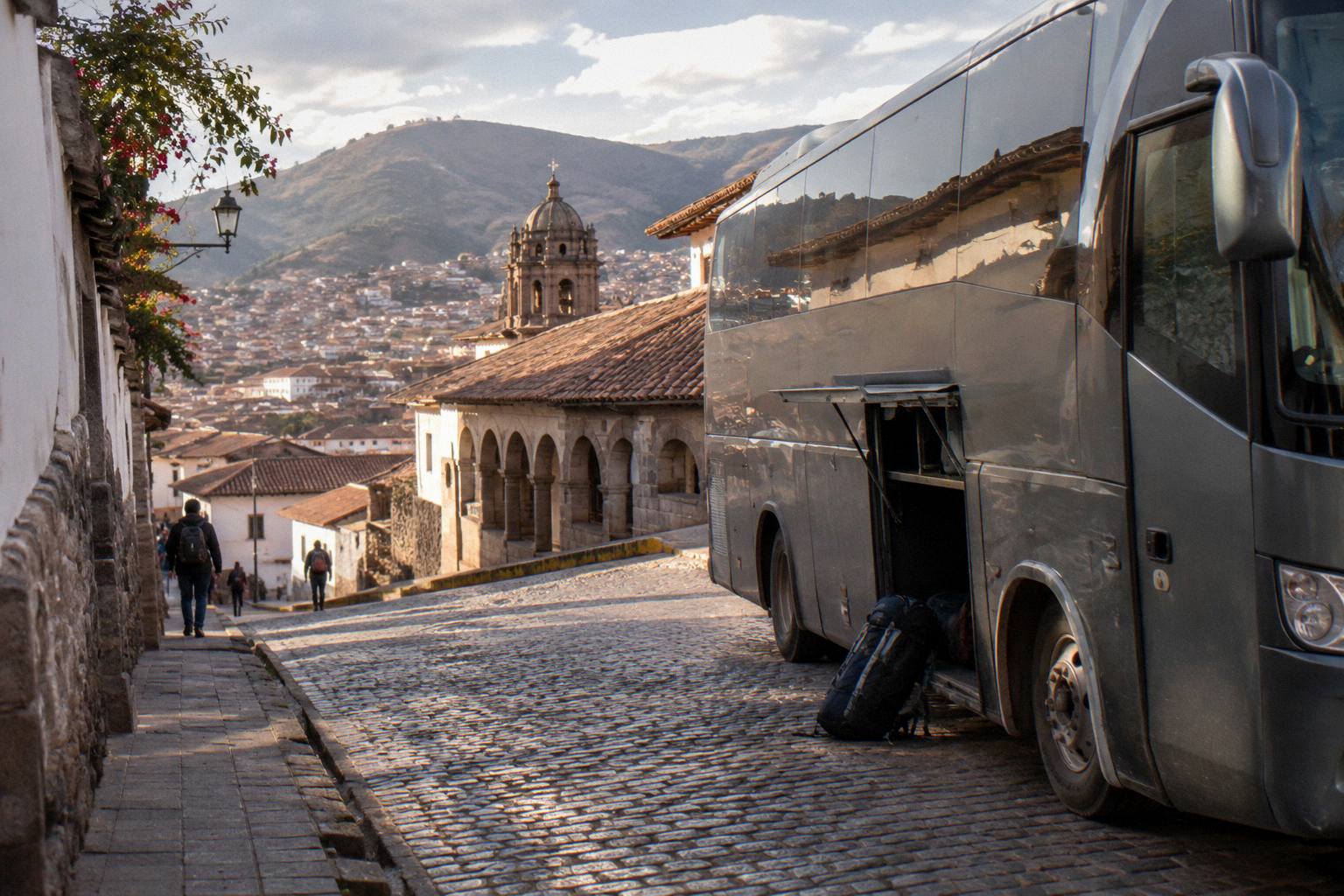
Peru Hop Bus Passes Explained: Routes, Stops And Which To Pick
A hop-on hop-off pass is a single ticket that carries you down Peru's southern route in stages, letting you leave the bus at Paracas or Arequipa and reboard days later. Here is how the pass system works, which routes exist, and how to choose one.
Short answer
The pass network sells more than 20 named passes covering Lima, Chincha, Paracas, Huacachina, Nazca, Arequipa, Lagunillas, Puno, Cusco, Copacabana and La Paz. Tickets are valid 1 year, buses run every day, and a bus time can be changed in the app up to 12 hours before departure. Fastest completion times range from 24 hours to 10 days.
Passes sold on the hop-on hop-off network work differently from a normal bus ticket. Instead of buying Lima to Cusco as one seat on one coach, you buy a route: the bus carries you between stops, you get off where you like, and a later bus in the same network picks you up when you move on. The system was built for travellers who want the southern gringo trail broken into stages without reselling each leg, and it now runs into Bolivia as well as Peru.
This guide lays out the pass structure: the routes confirmed on the operator's own pass pages, the stops those pages name, the fastest completion times the operator lists, and the mechanics of the ticket itself. It sticks to structure and choosing, not price, because pass prices change and belong on the operator's page. For background on how Peruvian bus travel works generally, the how Peru bus travel works guide covers terminals, boarding and ticket basics, and the Southern Peru bus circuit guide covers the same route on regular carriers.
What Is A Hop-On Hop-Off Bus Pass?
A hop-on hop-off pass is a single ticket valid for 1 year that lets you ride the buses along one fixed route, getting off and back on at the stops the route serves, with departures every day and a bus time changeable in the app up to 12 hours before departure. The operator runs the network across Peru and Bolivia with departure cities of Lima, Cusco, Arequipa, Copacabana and La Paz, so a pass can be bought in either direction and from either country's end of the chain. Rather than one long coach ride, a pass is a sequence of hops: Lima to Paracas one day, Paracas to Huacachina three days later, and so on down the line.
The difference from ordinary intercity tickets is the freedom to pause. A regular ticket binds you to a date and a departure, while the pass holder chooses the next hop as the trip unfolds. The operator states that tickets let you hop on and off freely along the route, that buses run every day, and that phone and WhatsApp help is available, with phones staffed from 9am to 7pm Peru time. Peru Hop reports carrying more than 395,000 passengers since 2013, drawn from 85+ nationalities, with 20,000+ TripAdvisor reviews, 8,000+ Google reviews and 1,500+ Trustpilot reviews, figures stated by the operator rather than independently audited.
Pickup is part of the design. The operator collects passengers at their hotel or Airbnb rather than at a terminal, which removes the terminal-arrival situation the UK FCDO warns about: "There is a risk of robbery by criminals posing as taxi drivers, especially at Jorge Chavez International Airport and bus terminals", advice that also says to "use one of the taxis registered at bus terminals" when a terminal is unavoidable. A local bilingual host rides every bus, per the operator's own description of the service.
| Pass mechanic | What the operator states |
|---|---|
| Ticket validity | 1 year from purchase |
| Departures | Buses run every day |
| Changing a bus time | In the app, up to 12 hours before departure |
| Pickup | Hotel or Airbnb pickup, no terminals or taxis |
| Onboard host | A local bilingual host on every bus |
| Help | Phone and WhatsApp support, phones staffed 9am-7pm Peru time |
Which Pass Routes Run South To Cusco?
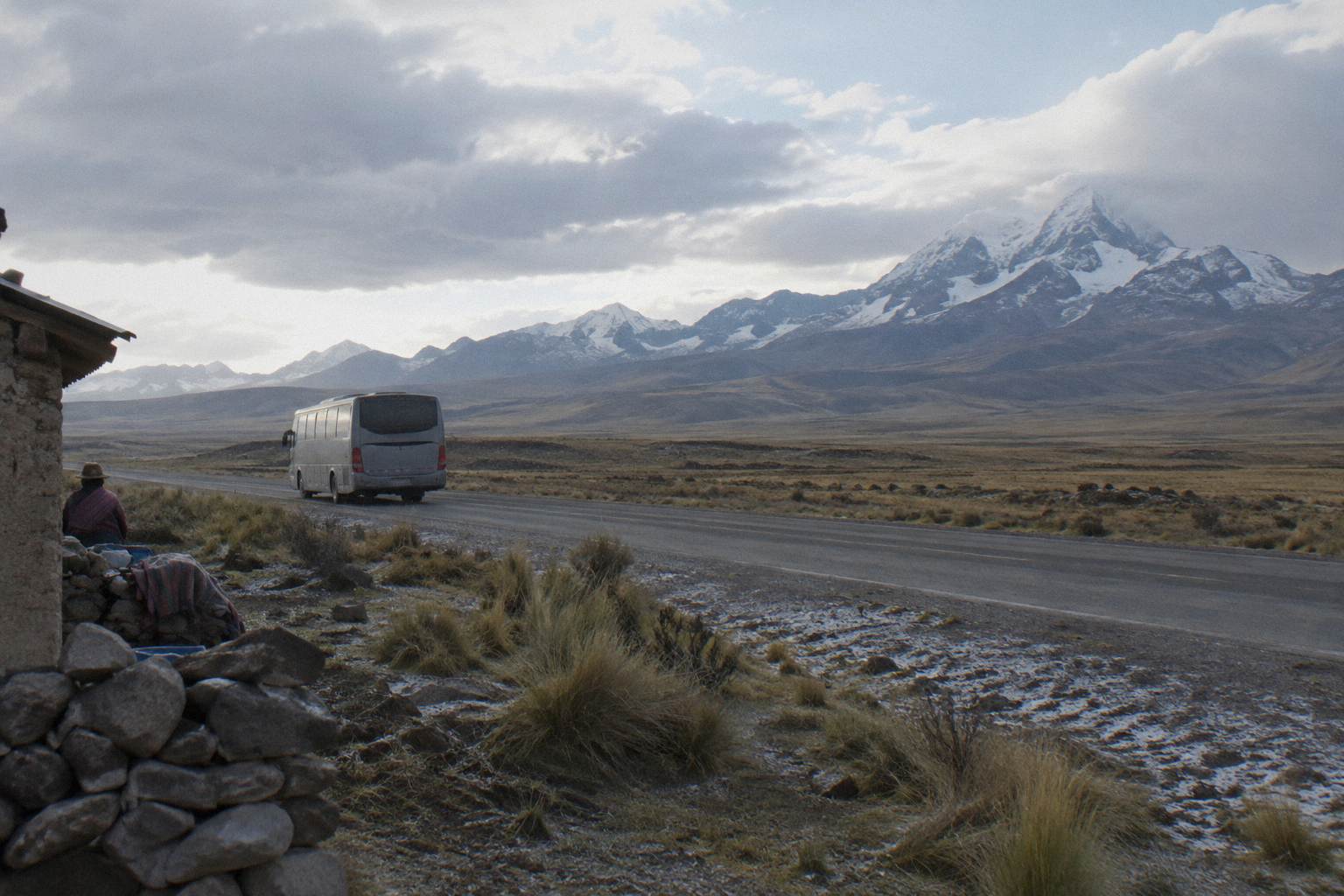
The southbound chain runs from Lima through Chincha, Paracas, Huacachina, Nazca, Arequipa, and Lagunillas to Puno and finally Cusco. The flagship Full South To Cusco pass strings the entire route together and has a listed fastest time of 6 days when ridden straight through. Three shorter variants trade stops for speed: Get To Cusco Quick skips Arequipa and Puno to finish in a listed 3 days, while To Cusco Without The Canyon keeps the lake but drops the Arequipa leg. Two Bolivian continuations extend the same chain toward Copacabana and La Paz. Every stop name below is printed as named on the pass page itself.
Full South To Cusco names the complete chain on its pass page and is the one to buy if you want every stage open to you. Get To Cusco Quick covers the coast then jumps to Cusco, skipping Arequipa and Puno, with a listed fastest time of 3 days. To Cusco Without The Canyon keeps the lake but drops the Arequipa leg, suiting travellers who have already seen Colca country or plan to return for it.
Two Bolivian continuations extend the same chain. Lima To Cusco To La Paz runs the full southern route then continues to Copacabana and La Paz, with a listed fastest time of 10 days, while Lima To La Paz To Cusco does the loop in the other order, reaching Bolivia first and finishing in Cusco. Both pass pages name the full chain from Lima through to Copacabana and La Paz, so every intermediate stop stays open along the way.
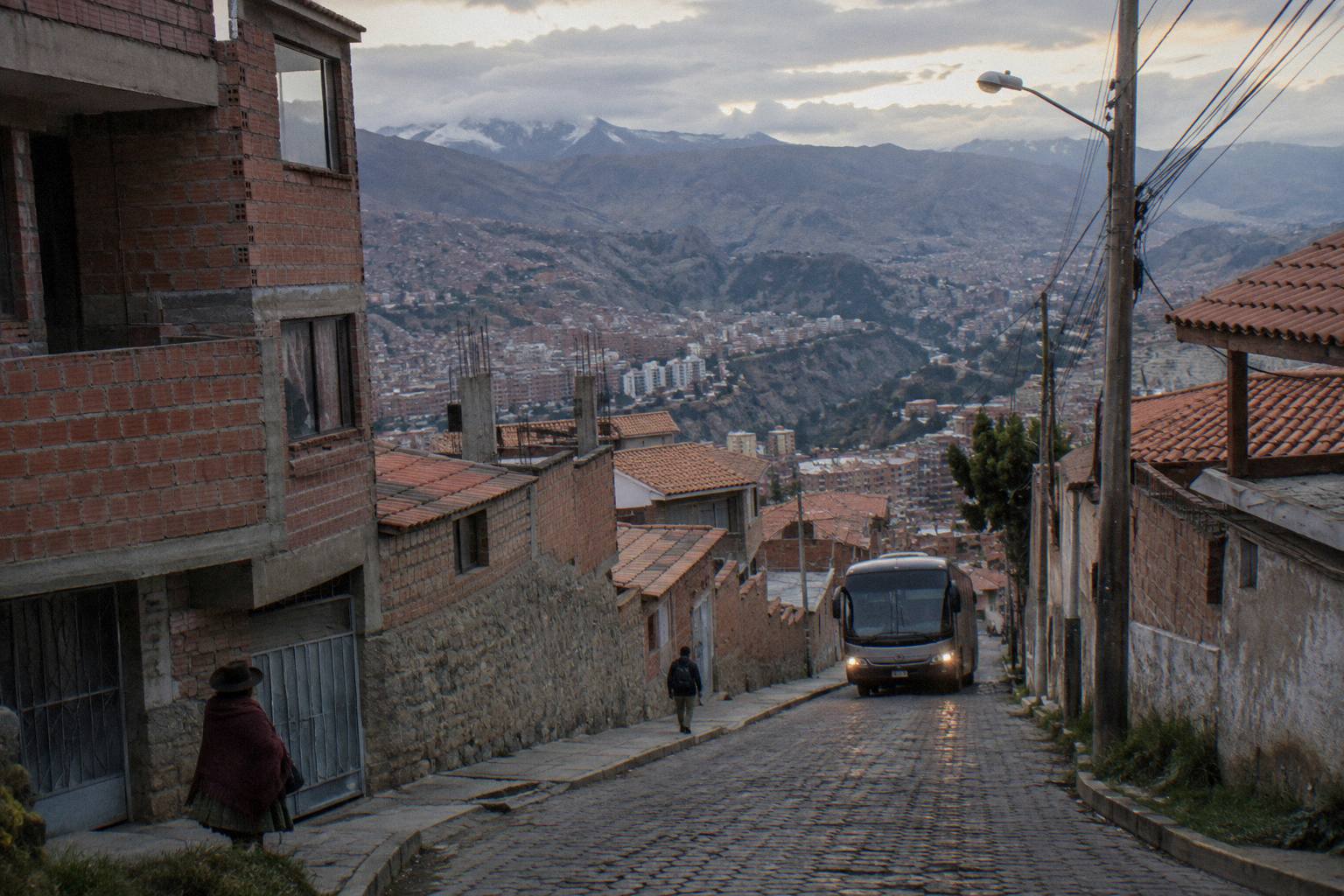
Free-flow drive figures from public routing data give a sense of the distances a pass covers, though no pass leg equals these numbers in practice because buses stop and real journeys run longer: Lima to Paracas is 251 km, Arequipa to Puno 273 km, Puno to Cusco 387 km, and Cusco sits about 3,400 m above sea level, so the top of the pass route is genuinely high country. The altitude question deserves its own reading, and the Peru bus altitude sickness guide covers acclimatisation along this exact chain.
If a pass is more network than your trip needs, the first leg of this route also runs as a simple one-way ticket: the Wayki Bus one-way tourist bus from Miraflores to Paracas, rated 4.2 across 62 reviews, with Wayki Bus, Miraflores Pickup if the coast leg is all you are buying.
For travellers weighing the whole question of guided bus products against independent travel, the Peru bus tours vs independent bus travel guide compares the two approaches route by route.
Which Passes Skip Stops Or Start Elsewhere?
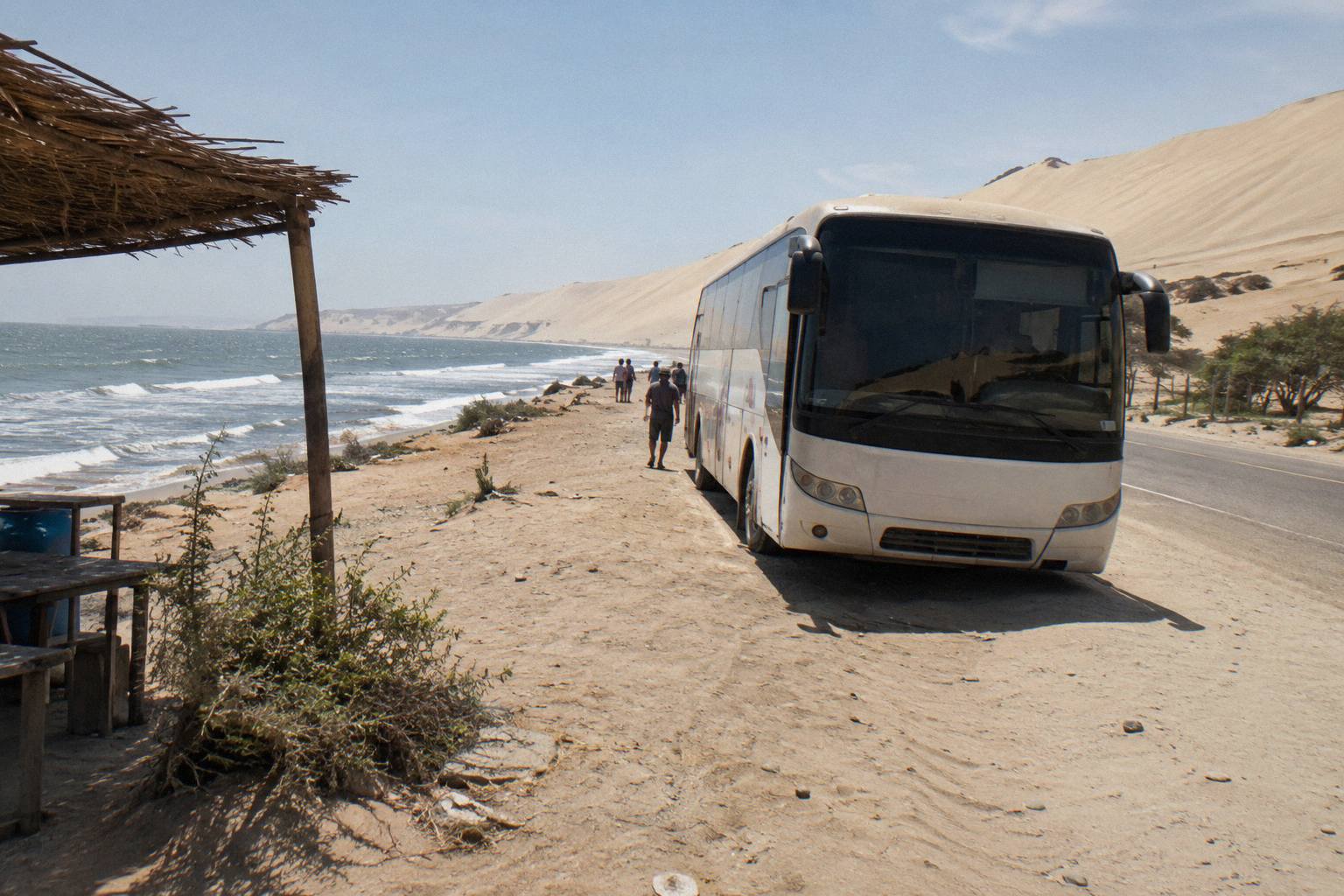
Not every pass starts in Lima: passes depart from Cusco, Arequipa, Copacabana and La Paz as well, and each city's set trims the chain to what lies ahead of it, so Canyon To Lima covers only Arequipa, Nazca, Huacachina, Paracas, Chincha and Lima in a listed 3 days. Northbound travellers from Cusco have four options: Full South To Lima runs the whole chain in reverse, Get To Lima Quick rushes the coast, To Lima Without The Lake drops Puno, and Cusco To The Oasis To Lima makes Huacachina the centrepiece. From Arequipa, Canyon To Lima and Canyon To Lake To La Paz are the two shapes, the second reaching Copacabana and La Paz in a listed 2 days.
The Bolivian and lakeside sets close the loop. Cusco To La Paz is the sprint, listed at 24 hours if you ride it straight through, while Cusco To Canyon To La Paz adds the Arequipa leg for a listed 5 days and La Paz To Copacabana To Cusco plus its La Paz variants reverse the journey from Bolivia. From Copacabana itself, Copacabana To Puno To Cusco serves travellers already at the lake who are heading into Peru, and its pass page names those three points.
| Pass | Direction | Stops named on the pass page | Listed fastest time |
|---|---|---|---|
| Full South To Cusco | Lima to Cusco | Chincha, Paracas, Huacachina, Nazca, Arequipa, Lagunillas, Puno, Cusco | 6 days |
| Get To Cusco Quick | Lima to Cusco | Chincha, Paracas, Huacachina, Nazca, Lagunillas, Cusco | 3 days |
| Canyon To Lima | Arequipa to Lima | Arequipa, Nazca, Huacachina, Paracas, Chincha, Lima | 3 days |
| Canyon To Lake To La Paz | Arequipa to La Paz | Arequipa, Lagunillas, Puno, Copacabana, La Paz | 2 days |
| Cusco To La Paz | Cusco to La Paz | Cusco to La Paz direct | 24 hours |
| Cusco To Canyon To La Paz | Cusco to La Paz | Cusco, Arequipa route, Copacabana, La Paz | 5 days |
| Lima To Cusco To La Paz | Lima to La Paz | Full chain to Copacabana, La Paz | 10 days |
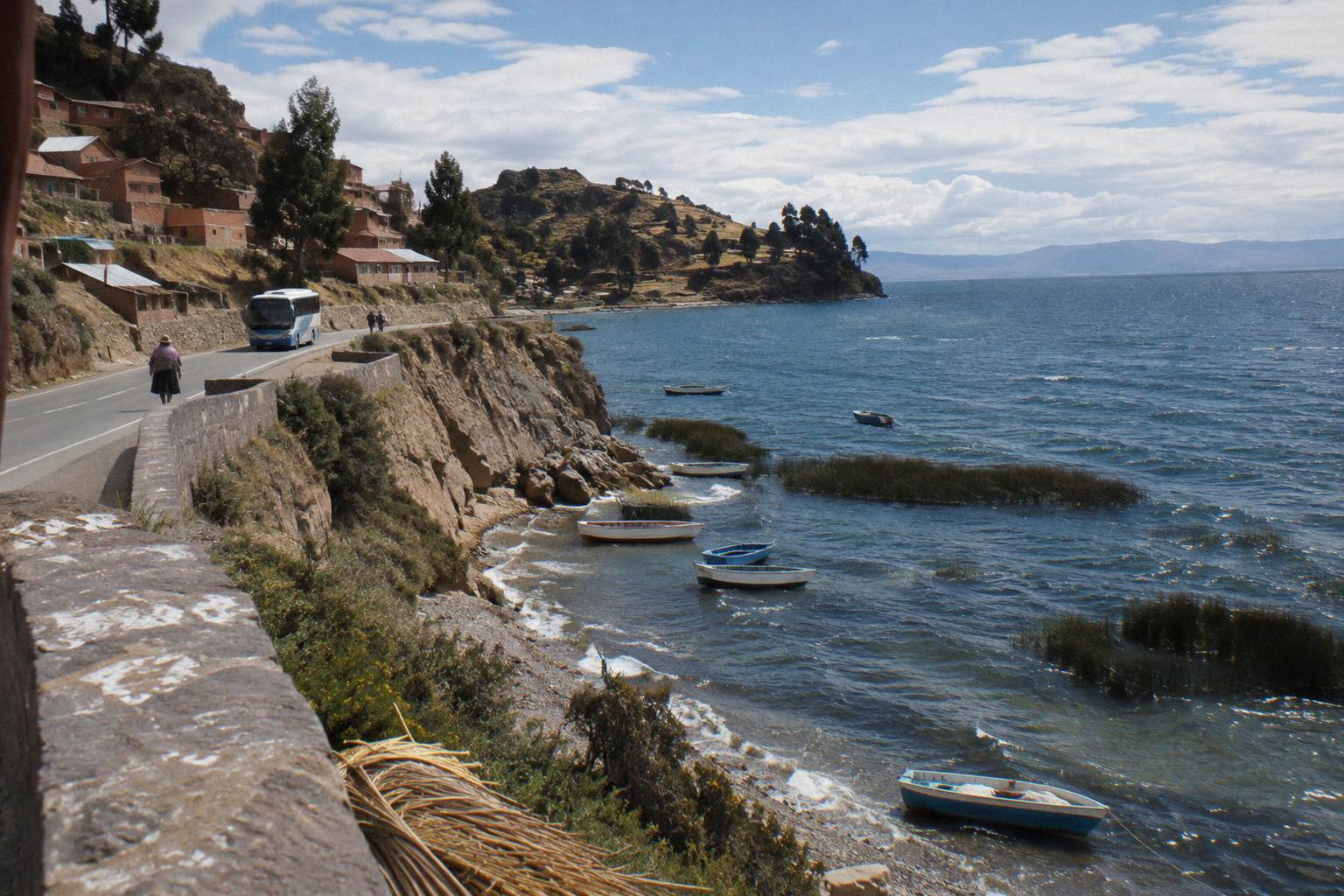
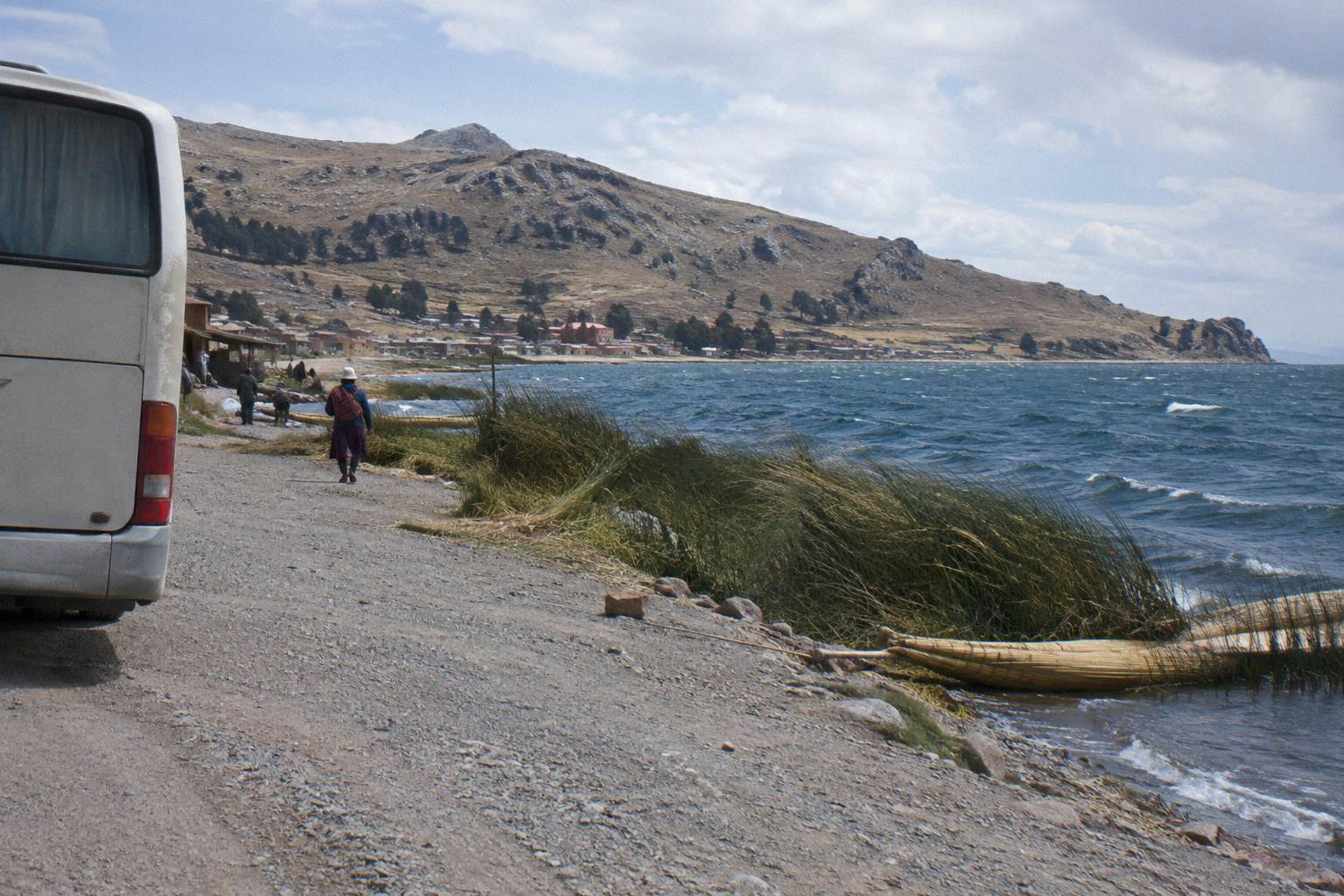
One structural note worth having before choosing: the Bolivia-bound legs cross Lake Titicaca by boat, with passengers separated from the bus, and the sister Bolivia Hop buses carry no onboard toilet because of the lake-crossing weight limit, with public toilets available at the Strait of Tiquina. The Puno side of the lake is also wet at a specific season: SENAMHI data shows Puno holds 89 percent of its annual rain between September and March, so the lake legs and the passes reaching Copacabana reward dry-season timing. The Puno to Copacabana bus guide covers that border crossing on regular carriers.
What Do Pass Pages Actually List For Stops And Times?
Pass pages carry highlights text and a fastest-time line rather than a formal stop table, so stops print here as named on the pass page, without a guaranteed order, and the fastest times are the operator's own statements, not measured schedules. This distinction matters when planning. A pass page that names Chincha, Paracas and Huacachina tells you those hops exist; it does not commit to an arrival order or a timetable hour, and no timetable hour appears anywhere on the site you are reading, because passes are booked by leg through the operator's own system rather than by printed schedule.
The listed fastest times are best read as floors, not plans. Peru Hop lists Full South To Cusco at 6 days, which means riding every hop back to back with no time anywhere, an odd way to use a product whose whole point is stopping. A realistic pass trip budgets a night or three at each stop, which is why a 6-day floor becomes a two or three week journey for most holders, and why the 1-year validity exists: the operator sells the route, and the calendar is the traveller's.
Disruption planning belongs here too. Strikes and blockades can interrupt any Peruvian road: the FCDO states that "Political protests in Peru are unpredictable and can escalate quickly" and that demonstrations "can become violent and lead to roadblocks, travel disruption, including trains, and suspension of immigration services at land borders", naming Arequipa, Cusco and Puno among regions with recent protests. Pass holders have an advantage in these moments, since one operator can rebook the whole chain, but the practical tool is public: SUTRAN's road alert map shows closed roads in red, restricted in yellow and open in green, with a 24-hour WhatsApp line. The Peru bus delays, strikes and roadblocks guide covers this in depth.
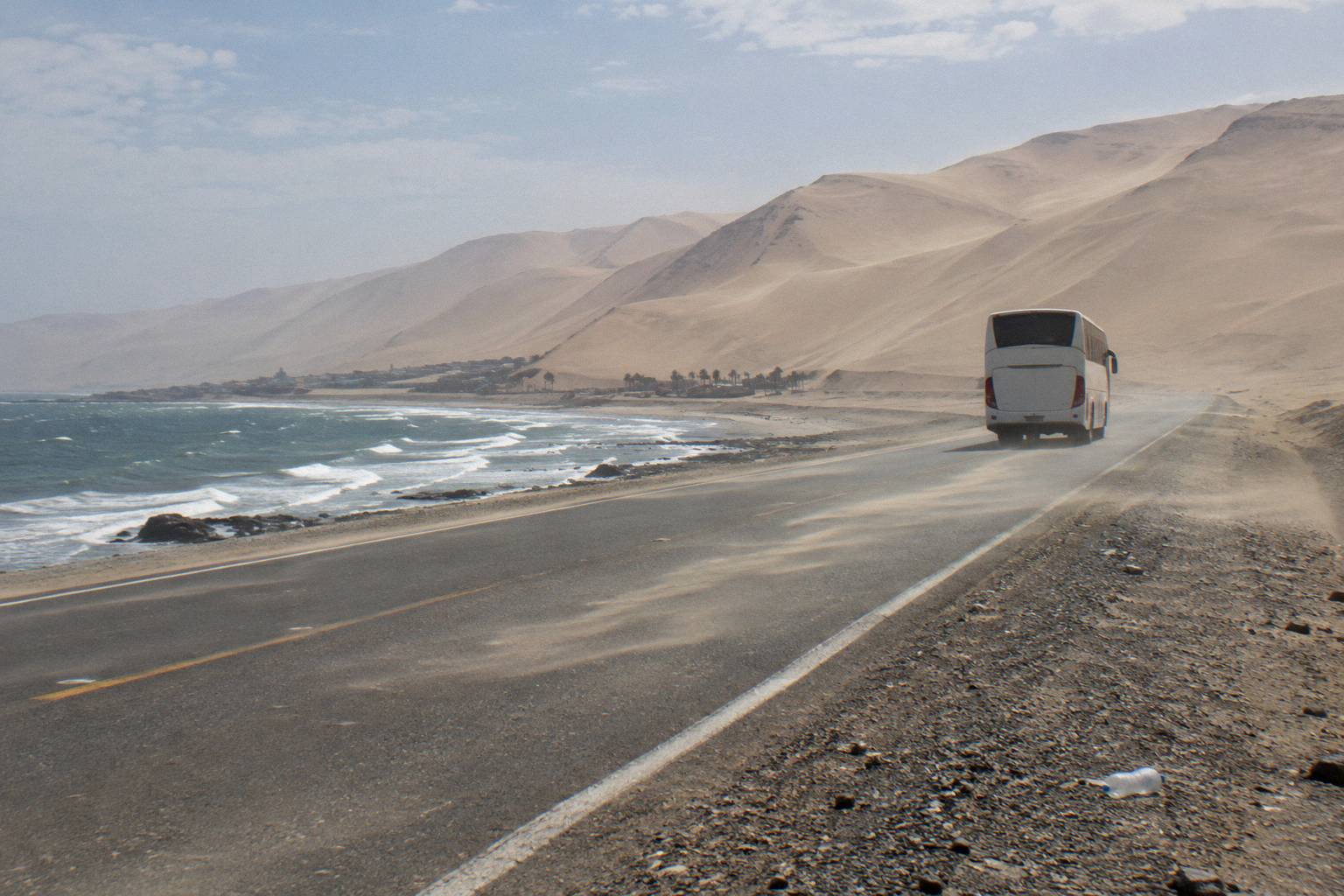
For the coast leg in particular, a pass is not the only product shape: the Wayki Bus one-way bus from Lima to Huacachina, rated 3.7 across 77 reviews, runs Lima to the oasis with a stop in Paracas and a listed duration of 8 hours, free cancellation up to 24 hours before for a full refund as listed.
How Do Tickets, Changes And Pickups Work?
A pass ticket is bought for one named route, is valid 1 year, and each hop within it is reserved against a specific bus, changeable in the app up to 12 hours before that departure, with hotel or Airbnb pickup at both ends and no terminal boarding on the operator's own legs. The reservation flow is the part new holders get wrong: the pass entitles you to the route, but you still reserve each bus time, and the 12-hour window is the deadline for moving a reservation. Miss a bus without changing it and the pass itself remains valid, though the operator's terms govern what happens to that specific leg, so the app is the working tool throughout the trip.
Pickup replaces the terminal. The operator collects at the door and drops at accommodation-side points in each stop town, which reshapes the daily experience of the route: no terminal halls, no luggage claim queues, and no taxi negotiation at arrival, against the FCDO's terminal-robbery caution. The trade is that pickups happen on the operator's schedule, so a missed pickup window is a missed hop. Passengers keep their passport on their person throughout, per FCDO advice to "on bus journeys, keep your passport with you", and the Peru bus luggage and theft guide covers hold luggage and hand-luggage practice on Peruvian buses generally.
Around the passes, the operator also sells fixed day trips from Lima, Cusco and La Paz for travellers who fly rather than ride, plus extras bookable along the route: Rainbow Mountain from Cusco, the Ballestas Islands from Paracas, buggy and sandboarding at Huacachina, a Nazca Lines flight, Colca Canyon as a full day, 2-day tour or trek, and Lake Titicaca tours plus Isla del Sol. These sit outside the pass itself, so budget them separately when comparing a pass trip against independent travel.
What Are The Buses Like Onboard?
The network's buses carry semi-cama reclining seats, air conditioning and heating, televisions, USB charging, toilets, GPS tracking, speed-restriction software, seatbelts and a team of drivers, all listed by the operator on its own fleet page, with the single exception that Bolivia-bound buses have no onboard toilet. Semi-cama means a reclining seat rather than a flat bed, and the seat-class ladder above it is explained in the Peru bus classes guide, which covers what semi-cama, cama and suite seats mean across Peruvian operators. For a pass route that includes night hops, that difference is the comfort question.
The safety engineering is worth reading closely because it is operator-stated rather than a regulator's finding: GPS tracking, speed-restriction software and a team of drivers are the operator's own claims, and Smartraveller advises "Use only reputable bus companies" alongside its warning that "Robberies and assaults occur frequently on intercity buses, including while passengers are sleeping", including "theft as you sleep on intercity bus routes between Lima, Ica, Nazca and Cusco", the exact corridor the southern passes run. Government advice is blunt about night travel on regular carriers: the Government of Canada says "Avoid taking buses and coaches at night", and the FCDO says "where possible, avoid overnight travel, especially in mountainous and remote regions". Pass routes that ride at night deserve that caution read in full before booking.
A structural fact that cuts the other way: Peru's national transit regulation requires regular carriers to use terminals and forbids using the public road as one, with boarding only at authorised points, and any bus and driver in the country can be checked by plate or driver ID through SUTRAN's public lookup. The pass network's door pickup model sidesteps street boarding, and its driver-team claim matches what the regulation demands of long routes, where trips beyond 5 hours by day or 4 at night require a second driver.
Which Stops Are Worth Hopping Off For?
The five stops the operator itself flags as hidden stops on Lima passes are the Secret Slave Tunnels in Chincha, the Nazca Lines Viewing Tower, the Paracas National Reserve, the Lake Lagunillas viewpoint and a Pisco vineyard in Ica, visits folded into pass hops rather than sold separately. These are the network's own differentiators, places a regular intercity coach passes at speed. The Nazca tower is the low-cost way to see the lines without a flight, Lagunillas is a high-altitude lake crossed between Arequipa and Puno that scheduled carriers do not stop for, and the Chincha tunnels sit on a coast leg that conventional buses run straight through.
The marquee stops need no introduction but do need time budgeted. Paracas anchors the Ballestas Islands boats, Huacachina the dune buggies and sandboarding, Arequipa the Colca Canyon tours, Puno the Lake Titicaca homestays and Copacabana the Isla del Sol walks. Machu Picchu is the deliberate exception: the pass network does not serve it, the operator's own page sends travellers from Cusco toward Aguas Calientes by train, trek or bus with a partner operator, and the Cusco to Machu Picchu by bus via Hidroelectrica guide covers that back-door route on regular services. Any pass plan should treat Cusco as the launch point for Machu Picchu, not a stop the bus reaches.
| Stop on the southern chain | What the hop is known for | Extras bookable along the route |
|---|---|---|
| Paracas | Ballestas Islands boats and the national reserve | Ballestas Islands tour |
| Huacachina | Dune buggies and sandboarding at the oasis | Buggy and sandboarding session |
| Nazca | The lines, viewable from the pass network's viewing tower | Nazca Lines flight |
| Arequipa | Colonial centre and trekking country | Colca Canyon full day, 2-day tour or trek |
| Puno | Lake Titicaca homestays and islands | Lake Titicaca 2-hour, full-day or 2-day tour |
| Copacabana | Isla del Sol walks on the Bolivian side | Isla del Sol excursion |
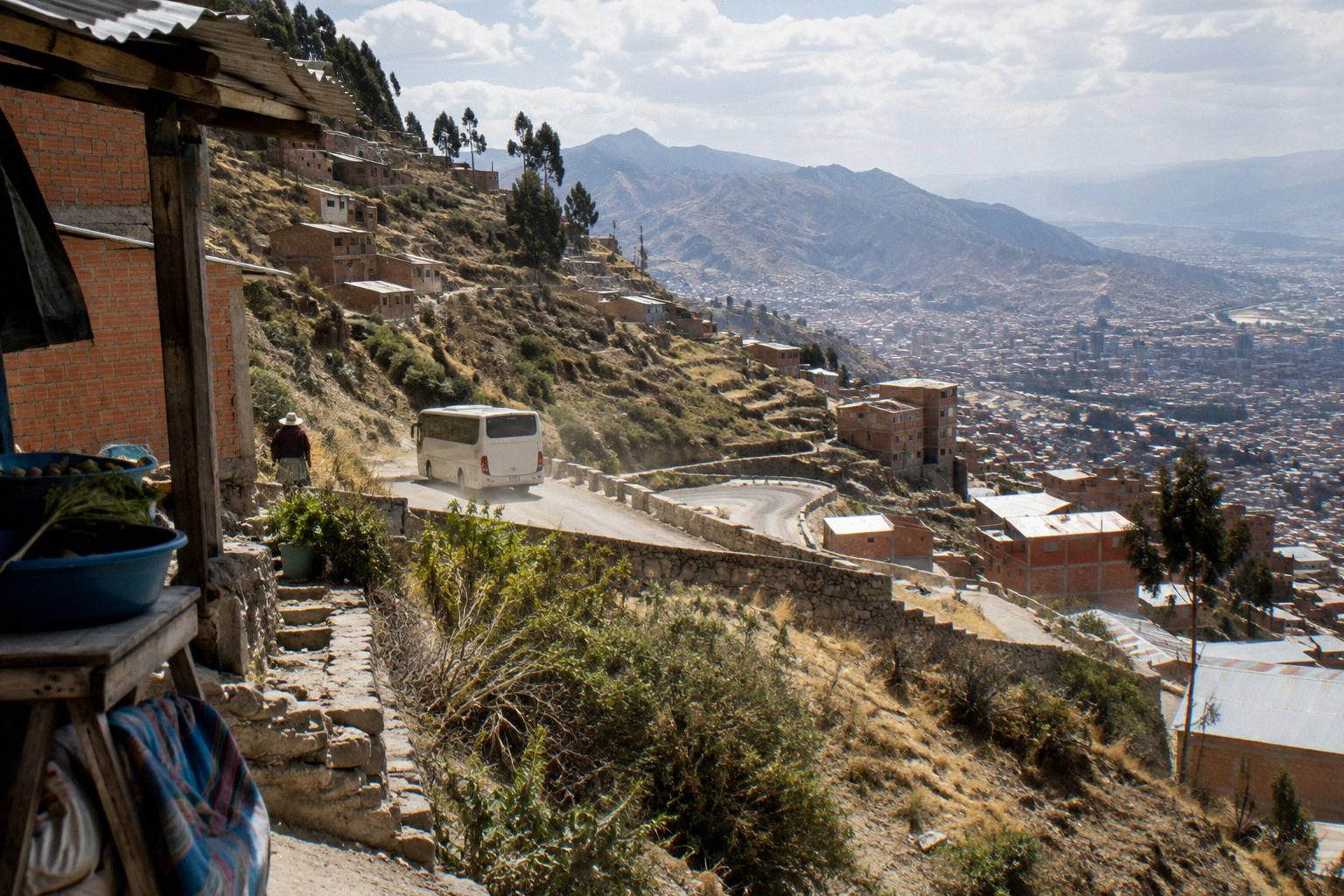
The stop math is what choosing a pass actually is. Full South To Cusco opens eight named stops, and a traveller who wants four nights between Paracas, Huacachina and Arequipa before reaching Cusco uses the same pass as one who rides straight through, because the validity clock is 1 year, not 6 days. Get To Cusco Quick suits a tighter calendar, at the cost of Arequipa and Puno, and the lake question is the one to settle first: skipping Puno is hard to reverse later, since no other pass shape reaches Titicaca except the Bolivian continuations.
Pass Or Point-To-Point Bus Tickets?
A pass suits a multi-stop trip down the southern chain, while point-to-point tickets suit a fixed two or three stop plan, and the decision turns on whether the hop-on hop-off freedom, hotel pickups and host outweigh the tighter route lock of a single-operator network. The pass system's strengths concentrate on the coast and southern corridor it actually serves: it does not reach Huaraz, the north coast, the central highlands or the jungle, so any itinerary beyond Lima-to-Cusco-to-La Paz needs regular carriers for the rest, and Peru By Bus covers those routes in its route guides. A traveller pairing Machu Picchu with Huaraz, for example, would buy a pass for the south and ordinary tickets for the Ancash leg.
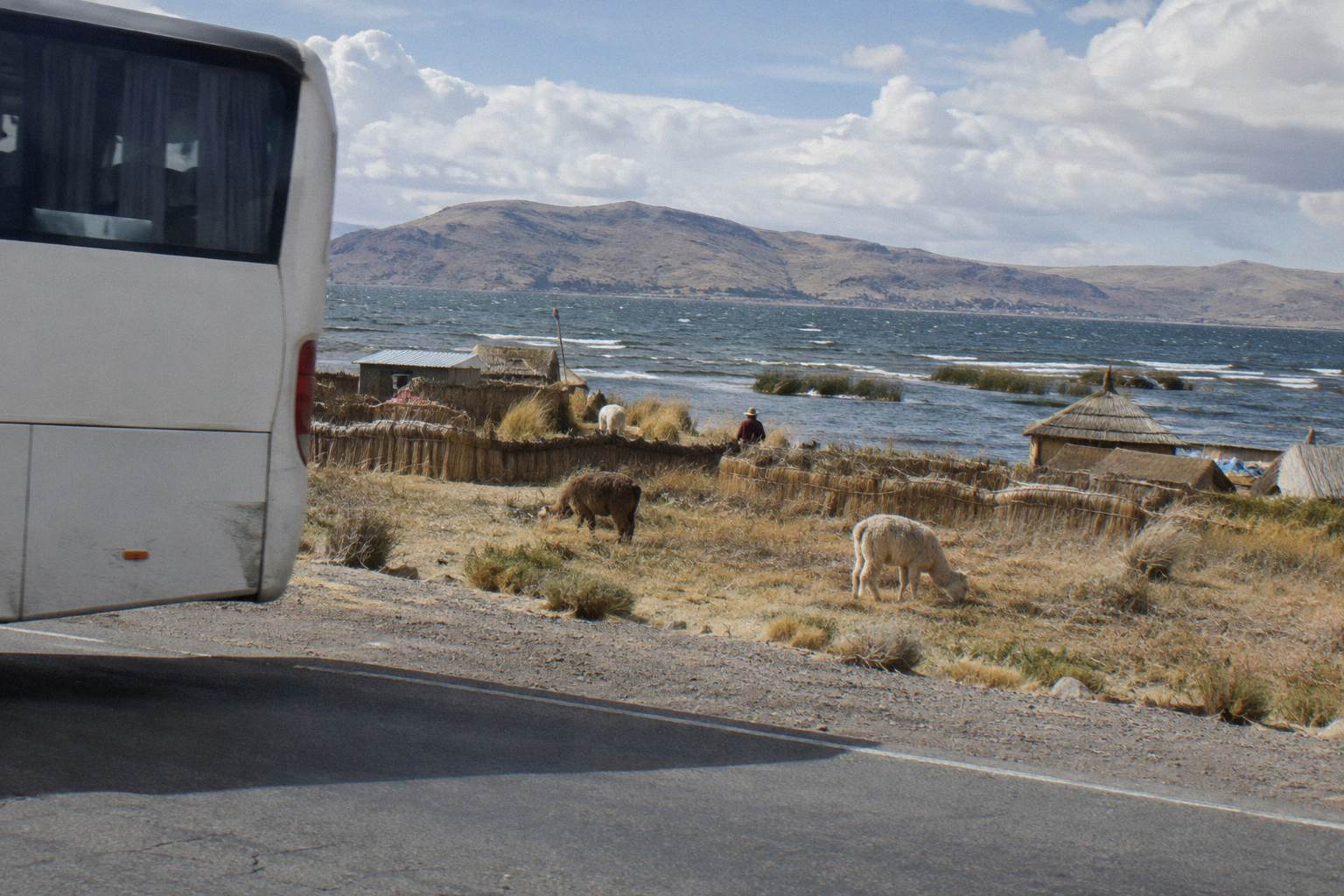
Point-to-point tickets compare well when the trip is linear. The southern coast's first stages run as one-way tourist buses on their own, like the Paracas and Huacachina tickets this page features, and regular carriers such as Cruz del Sur and Oltursa sell the corridor by the seat, covered in the Cruz del Sur guide and the Oltursa, Civa and Movil Bus compared guide. What a regular ticket cannot do is pause: change plans in Huacachina and you are buying a new seat, while a pass holder rebooks the next hop in the app. INDECOPI rules do give domestic ticket holders the right to postpone or transfer with 24 hours' notice at only the real reissue cost, which softens the lock of ordinary tickets but still ties each ticket to one leg.
The overnight question also differs between the two. Pass routes and regular carriers both ride some legs at night on the southern corridor, and the Government of Canada's advice, "Avoid taking buses and coaches at night", applies to both equally, though the US Embassy notes its own employees "may travel at night with commercial bus companies along the Pan-American Highway, to Huaraz, and on the Lima-Arequipa-Cusco corridor." Night legs are a personal risk decision on either product; the overnight bus in Peru guide lays out the considerations.
Choosing between pass shapes then comes down to three questions. Which end do you start from, since each departure city has its own set. Do you want the lake, since the Titicaca stops appear only on passes that name Puno, Copacabana or La Paz. And how much coast do you want, since the quick passes trade Chincha and the desert stops for speed. Answer those three and the pass list narrows to one or two names.
Common Questions About Peru Hop Passes
How Does A Peru Hop Pass Work?
You buy one named route, and the ticket is valid for 1 year. Buses run every day along the route, you reserve each hop against a specific bus, and you can change a bus time in the app up to 12 hours before departure. Pickup is at your hotel or Airbnb, with a local bilingual host on every bus.
Which Peru Hop Pass Goes To Machu Picchu?
None. The network's own page states that Cusco to Aguas Calientes is by train, trek or bus, and it recommends a partner operator for Machu Picchu tours. A pass gets you to Cusco; the Machu Picchu leg is separate.
What Is The Fastest Time To Complete A Full South Pass?
Peru Hop lists Full South To Cusco at 6 days ridden straight through. Get To Cusco Quick, which skips Arequipa and Puno, is listed at 3 days, and the full Lima To Cusco To La Paz route is listed at 10 days.
Can You Get Off The Bus And Stay Somewhere Longer?
Yes, that is the product's core mechanic. The operator states you can hop on and off freely along the route within the ticket's 1-year validity, reserving each next hop as your plans settle.
Do The Pass Buses Have Toilets?
On the Peru legs, yes, the operator lists toilets among onboard features. Bolivia Hop buses have no onboard toilet because of the lake-crossing weight limit, with public toilets at the Strait of Tiquina during the crossing.
Is A Pass Better Than Separate Bus Tickets?
It depends on the shape of the trip. A multi-stop journey down the southern chain with flexible dates suits a pass; a fixed two or three stop plan often suits one-way tickets, and the southern coast's early legs are sold as one-way tourist buses on their own.