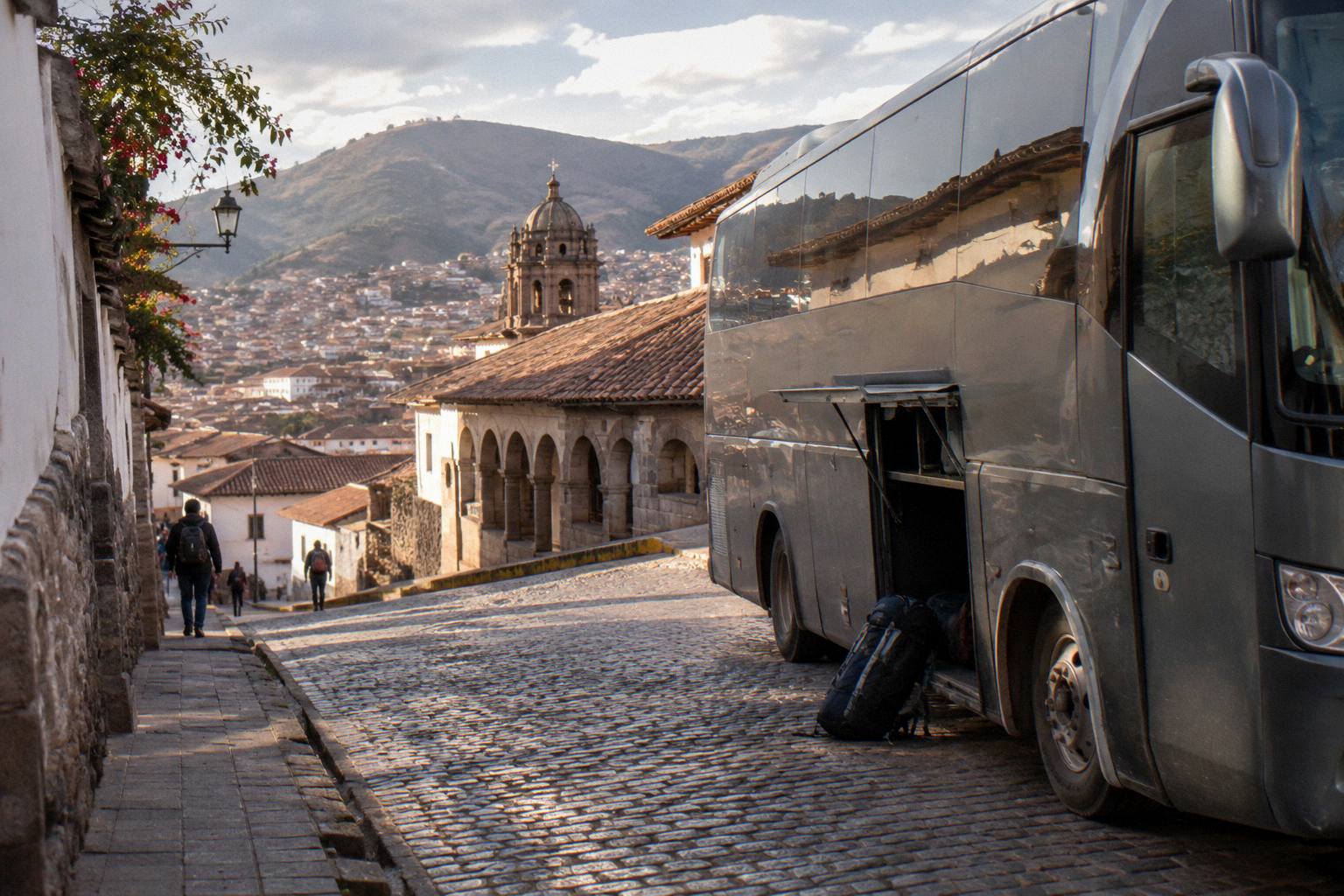
Peru Hop Bus Review: What Travellers Say And What To Check
A hop-on hop-off pass is one way to move through southern Peru, and it deserves a close look before you buy. This review sets out what the operator itself reports, what the network covers, and the honest caveats that decide whether it fits your trip.
Short answer
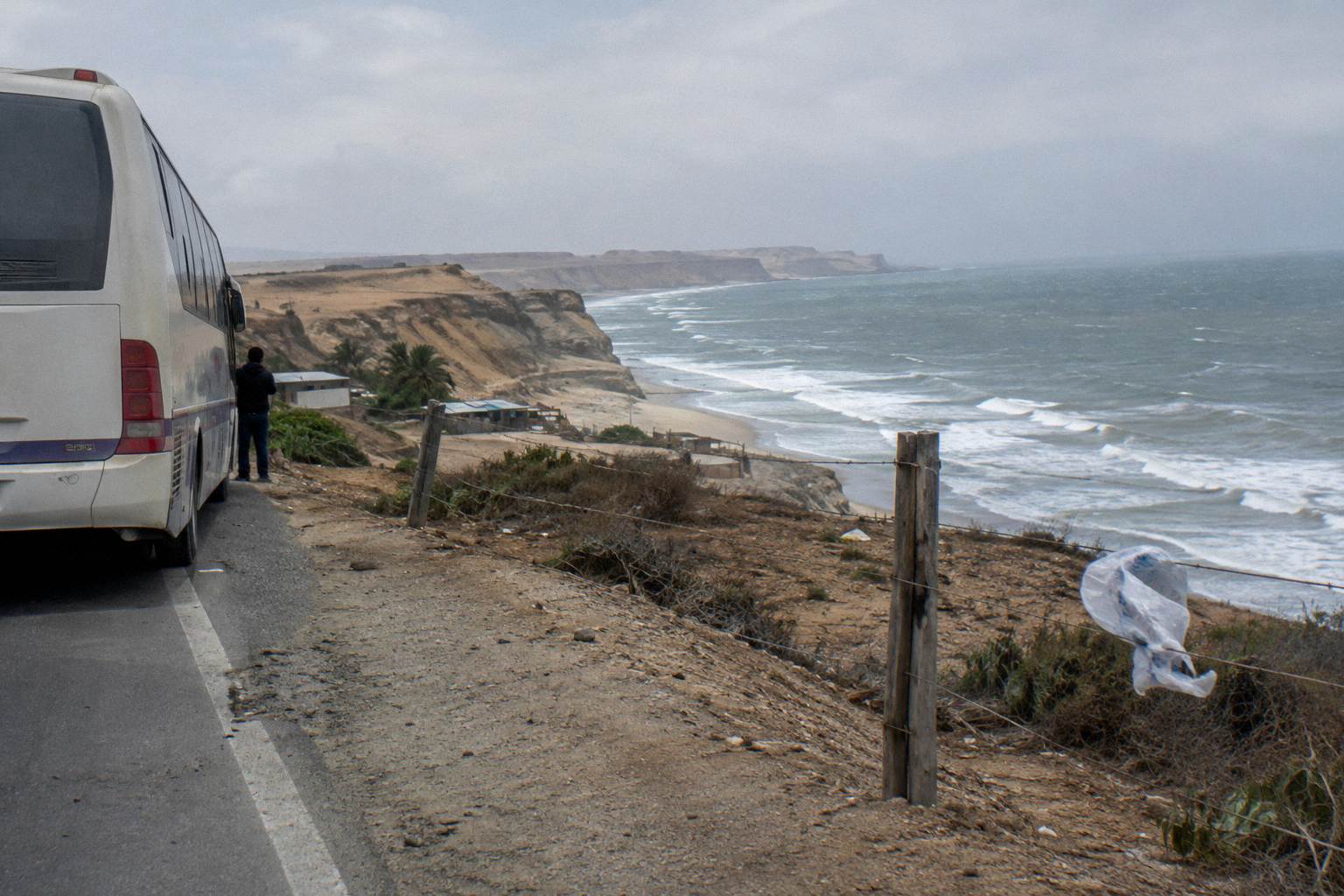
The pass is a hop-on hop-off network across Peru and into Bolivia, valid for 1 year, with a bus time changeable in the app up to 12 hours before departure. Peru Hop reports 395,000+ passengers and 20,000+ TripAdvisor reviews. It does not reach Machu Picchu, Huaraz or the north, and some legs are long.
A hop-on hop-off bus pass is a different product from a normal interprovincial bus ticket, and reviews of it tend to split along that line. The operator behind the passes, Peru Hop, runs a network across Peru and into Bolivia with hotel pickup, a host on board and the freedom to board a later bus at any stop.
Is A Hop-On Hop-Off Pass Right For Your Trip?
The pass suits a first trip down the southern corridor: Lima, Paracas, Huacachina, Nazca, Arequipa, Puno, Cusco, and on to Copacabana and La Paz. It suits travellers who want pickup at their accommodation, a bilingual host on board, and the freedom to stay longer in a town without rebuying a seat. It does not suit anyone heading to Huaraz, the north coast, the central highlands, the jungle, or Machu Picchu itself, because the network does not serve them.
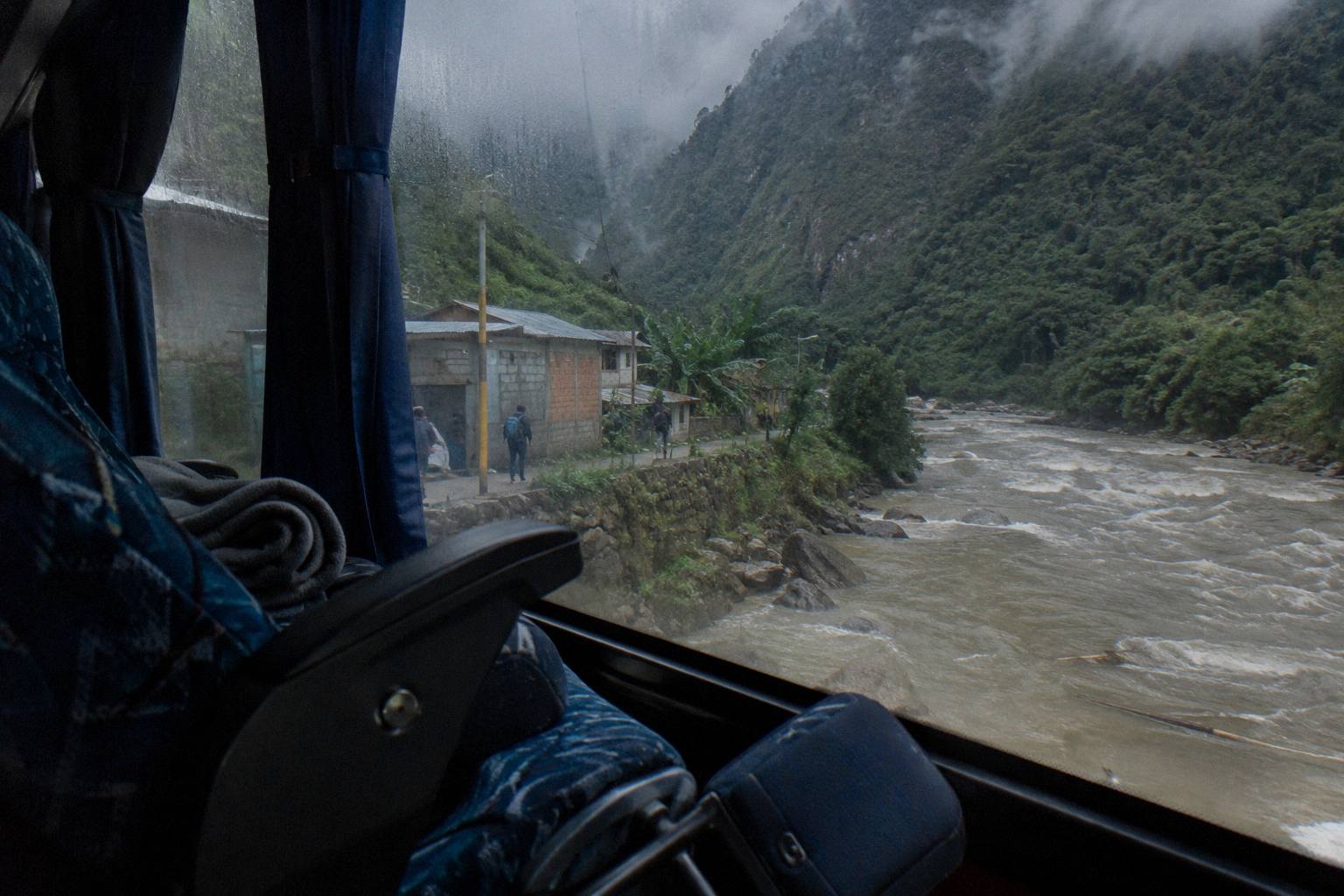
That last point deserves emphasis, because it is the single most common misunderstanding. The operator's own Machu Picchu page states that the leg from Cusco to Aguas Calientes is by train, trek or bus, and it points to a partner tour operator rather than its own coaches. A pass gets you to Cusco comfortably; the ruins are a separate journey with a separate ticket. The same applies to Huaraz, to Trujillo and Chiclayo and Mancora, to Huancayo and Ayacucho, to Tarapoto and Iquitos, and to the Tacna to Arica border run. None of them sit on the network.
What the pass replaces is the string of separate ticket purchases along the southern route. Instead of a Lima to Paracas seat, a Paracas to Huacachina seat, a Huacachina to Nazca seat and so on, one ticket covers the whole chain, and you decide at each town whether to board the next day's bus or the one after that. For background on how this differs from ordinary service, the how Peru bus travel works guide explains terminals, boarding and ticket basics.
The trade is control. A regular carrier ticket lets you pick your company, your seat class and your departure from a full timetable. A pass locks you to one operator's schedule and one standard of bus. Whether that trade is worth it depends on how much of your planning you want done for you, and the rest of this review works through each part of it.
Where Does The Network Actually Go?
The network runs the southern corridor in both directions: Lima down through Paracas, Huacachina, Nazca and Arequipa to Puno and Cusco, and onward to Copacabana and La Paz in Bolivia. Departure cities are Lima, Cusco, Arequipa, Copacabana and La Paz. Passes differ by what they skip: one version omits Arequipa and Puno to reach Cusco faster, another skips the lake, and there are short passes that start in Arequipa or Cusco and run back to Lima.
The operator lists more than twenty named passes. The Full South To Cusco pass names Chincha, Paracas, Huacachina, Nazca, Arequipa, Lagunillas, Puno and Cusco in its highlights. Get To Cusco Quick names Chincha, Paracas, Huacachina, Nazca, Lagunillas and Cusco, skipping Arequipa and Puno. Canyon To Lima runs the chain in reverse from Arequipa. From La Paz there is a set of passes back through Copacabana and Puno toward Cusco or Lima.
Peru Hop lists fastest completion times for several passes, which is the clearest way to see how much ground each one covers:
| Pass | Fastest completion, as the operator lists it |
|---|---|
| Full South To Cusco | 6 days |
| Get To Cusco Quick | 3 days |
| Canyon To Lima | 3 days |
| Canyon to Lake to La Paz | 2 days |
| Cusco to La Paz | 24 hours |
| Lima to Cusco to La Paz | 10 days |
Those are operator-stated minimums for moving without stopping, not suggested itineraries. The point of the pass is that you can stretch any of them across weeks, since tickets are valid for a year and you can hop on and off freely.
For a sense of the driving involved, the free-flow drive estimates below give the raw distances between the main stops. Real bus journeys exceed these figures because they include stops, pickup runs and traffic, and border legs exclude the border wait entirely.
| Leg | Distance | Free-flow drive estimate |
|---|---|---|
| Lima to Paracas | 251 km | 3.5 h |
| Paracas to Huacachina | 74 km | 1.3 h |
| Nazca to Arequipa | 566 km | 7.8 h |
| Arequipa to Puno | 273 km | 5.5 h |
| Puno to Cusco | 387 km | 6.2 h |
| Puno to La Paz | 260 km | 4.5 h, no border wait |
If your trip is one or two legs of that corridor rather than the chain, a single direct seat may serve you better than a pass. The southern Peru bus circuit guide maps the same corridor with regular carriers, and the tourist bus seats below cover two of the most travelled legs:
What Do The Reported Numbers Say About The Operator?
The reported numbers point to an operator with substantial reach and a large base of public feedback: Peru Hop says it has carried more than 395,000 passengers since 2013, drawn riders from over 85 nationalities, and accumulated more than 20,000 TripAdvisor reviews, 8,000 Google reviews, and 1,500 Trustpilot reviews.
The scale matters in one specific way: a company that has been running this corridor since 2013, with drivers in teams and a bilingual host on every bus, is a different proposition from a single-coach outfit. It also matters what the numbers cannot tell you. A large passenger count says nothing about whether the schedule suits your dates, whether the hidden stops interest you, or whether the long legs fit your tolerance for a day on a coach.
What the operator publishes about its own operation is concrete: buses run daily, tickets are valid for a year, a bus time can be changed in the app up to 12 hours before departure, and phone and WhatsApp help operates with stated hours. Pickup is at your hotel or Airbnb, with no terminals and no taxis, which removes two of the friction points that regular carriers cannot: getting yourself to a company terminal, and the terminal taxi environment that foreign governments flag directly.
This is also where a pass and a regular seat genuinely differ rather than just in comfort. The UK FCDO advises, on its Peru safety and security page, "There is a risk of robbery by criminals posing as taxi drivers, especially at Jorge Chavez International Airport and bus terminals." Hotel-to-hotel movement sidesteps the terminal taxi question at every hop. For how regular terminals work, and how to judge them, see the Peru bus terminals by city guide.
What it does is shift where the decisions sit: with a pass, the operator holds the schedule, the drivers and the pickup logistics; with a regular carrier, you hold the ticket, the terminal and the taxi choice.
What Are The Buses And Seats Like?
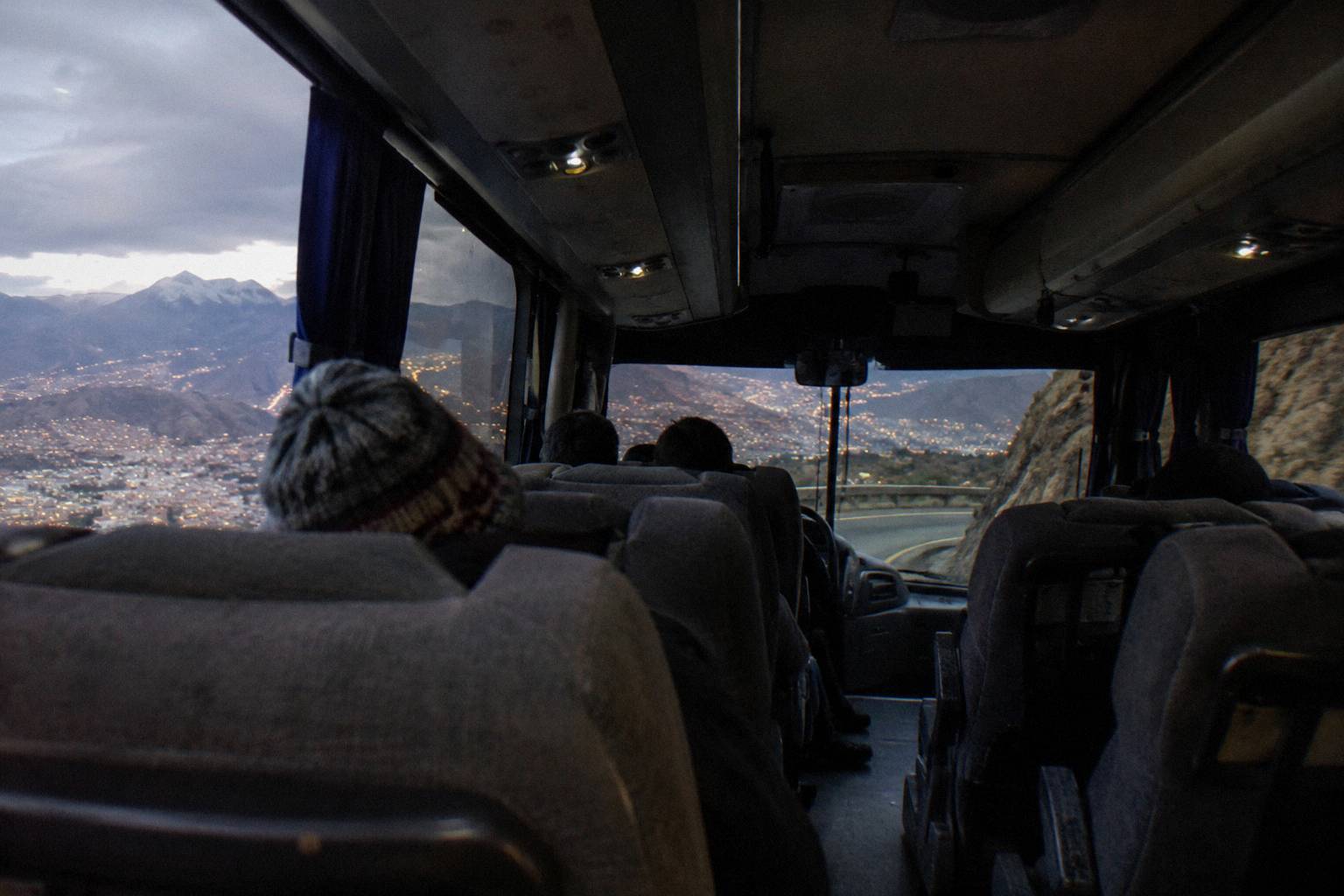
The operator describes its buses as mid-to-upper tier interprovincial coaches with semi-cama reclining seats, air conditioning and heating, TVs, USB charging, toilets, GPS tracking, speed-restriction software, seatbelts, and a team of drivers rather than a single driver. Those equipment details are operator claims, printed as claims, positioning the service below full 180 degree beds and comparable to the semi-cama class most long-haul carriers use.
Semi-cama means a reclining seat with a leg rest, generally around the 140 to 160 degree mark depending on the operator, and the Peru bus classes explained guide covers the differences in detail. Peru Hop's own pages state semi-cama without publishing a degree figure, so no degree is printed here. What the class buys you is sleep on a night leg, of which the network has some: the operator acknowledges that certain later legs run in the evening or overnight, including the long Nazca to Arequipa stretch.
Two equipment notes are worth separating from marketing. GPS tracking and speed-restriction software are stated by the operator, and speed control is not a trivial claim on Peruvian highways: SUTRAN states the 90 km/h limit for interprovincial buses applies on roads without other speed signage. Second, the sister operation on the Bolivia side is different: Bolivia Hop buses have no onboard toilet because of the lake-crossing weight limit, with public toilets at the Strait of Tiquina while passengers cross the lake on a separate boat. Anyone planning the La Paz leg should expect that arrangement.
The driver-team claim lines up with Peruvian regulation rather than exceeding it. Peru's national transit regulation requires a second driver when a trip exceeds 5 hours of continuous driving by day or 4 at night, and a third beyond 20 hours, so teams of drivers on these corridors are the regulated norm rather than a special feature.
What Are The Hidden Stops On The Lima Passes?
The hidden stops on Lima passes are the ones the operator lists: the Secret Slave Tunnels in Chincha, the Nazca Lines viewing tower, the Paracas National Reserve, the Lake Lagunillas viewpoint and a pisco vineyard in Ica. Each is made from the road as the route runs and comes included with the pass, giving pass holders something a direct bus seat cannot offer, because no regular carrier stops mid-route at a viewpoint or vineyard.
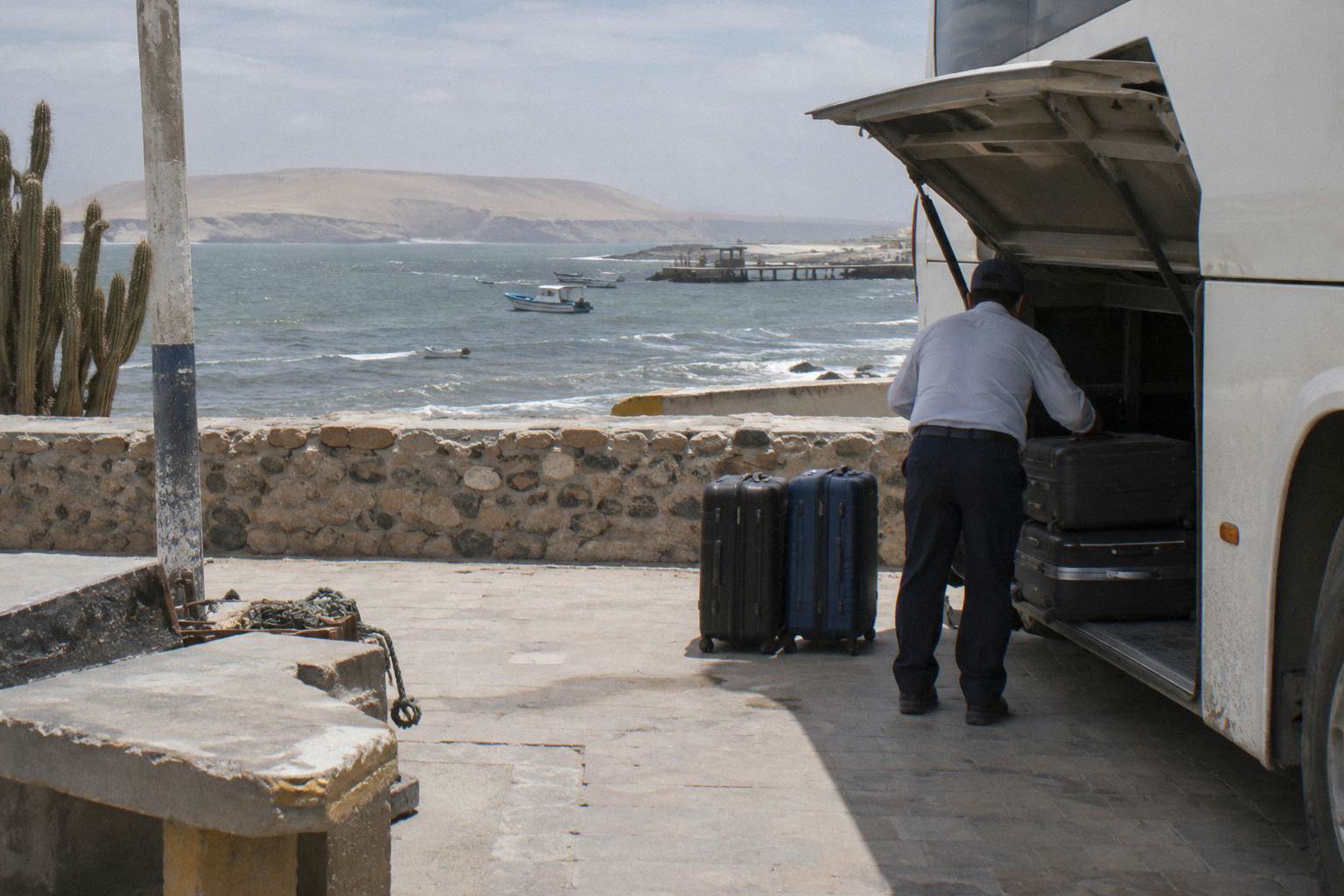
Each one is a roadside stop rather than a full excursion, which is the honest framing. The Nazca Lines viewing tower is a public tower beside the Pan-American Highway: you climb it, you see three of the figures from ground level, and you move on. It is not the flight over the lines, which the operator sells separately as an extra tour. The Paracas reserve stop is a drive through part of the reserve's landscape rather than the Ballestas Islands boat trip, which is also a separate extra. The vineyard stop in Ica is a pisco tasting visit on the way to Huacachina. The wider set of guides lives on Peru By Bus.
| Hidden stop | What it is, as the operator describes it | Separate extra tour also sold |
|---|---|---|
| Secret Slave Tunnels, Chincha | Tunnels stop on the Lima to coast leg | None listed |
| Nazca Lines viewing tower | Roadside tower visit | Nazca Lines flight |
| Paracas National Reserve | Reserve stop from the route | Ballestas Islands boat trip |
| Lake Lagunillas viewpoint | High-altitude lake viewpoint stop | None listed |
| Pisco vineyard, Ica | Vineyard and tasting stop | None listed |
Whether these stops justify a pass depends on how you would otherwise see them. Reached independently, several of them need a private car, a tour or a colectivo detour, which is exactly the friction the pass removes. A traveller who plans to stay two nights in Paracas and tour the reserve properly, though, gains little from a route stop.
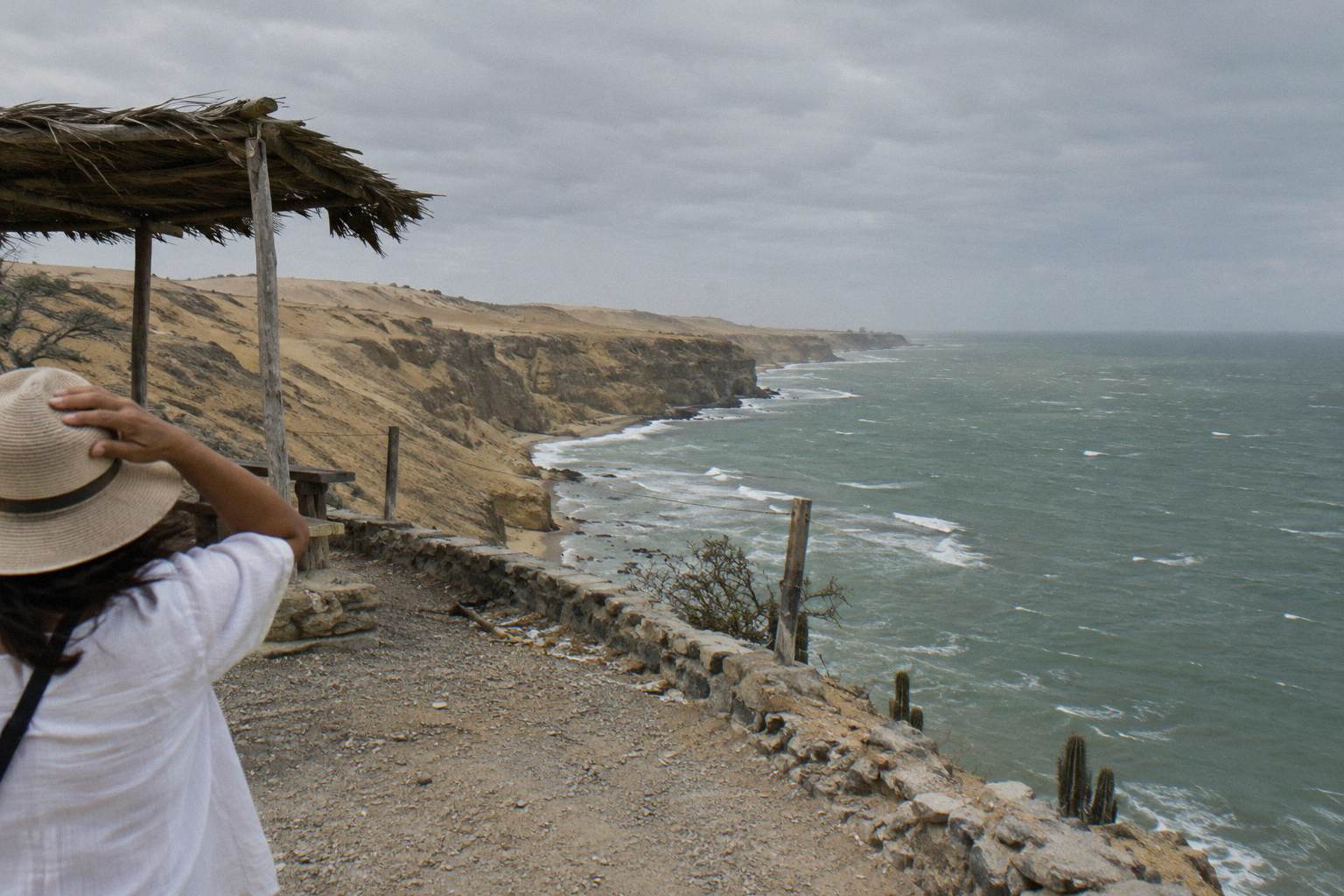
The Paracas leg itself is worth a note, because it is the network's most-run segment and the one where a direct seat competes hardest. If a hop-on pass is more flexibility than your itinerary needs, the Wayki Bus one-way tourist bus from Miraflores to Paracas covers the same first leg as a single ticket, rated 4.2 across 62 reviews, with a listed drop-off at El Chaco in Paracas and free cancellation up to 24 hours before for a full refund as listed. Check availability if a single seat fits better than a chain of them.
The Huacachina leg is the other strong candidate for a direct seat. The Wayki Bus one-way bus from Lima to Huacachina with a Paracas stop runs Lima to Huacachina with a stop in Paracas along the way, rated 3.7 across 77 reviews, dropping at the Viajero hostel meeting point in Huacachina. It mirrors, as one ticket, what the pass does across two hops.
How Flexible Is The Ticket Once You Buy It?
Very flexible: your pass stays valid for a full year, you can hop on and off as you please, and you can change any bus time in the app up to 12 hours before departure, all per the operator's pass terms. That means a planned two-day stop in Paracas can stretch to five without buying anything new, and the operator's phone and WhatsApp support handles changes.
For comparison, a regular Peruvian carrier ticket has its own, different flexibility. INDECOPI states a domestic bus ticket can be postponed or transferred with at least 24 hours notice, with the carrier allowed to charge no more than the real cost of reissuing. The pass's app window is tighter at 12 hours before departure, but it applies to every hop for a year rather than to one journey once.
The honest caveats around flexibility are two. First, freedom to hop means nothing if the next bus is full, and popular dates on the southern corridor fill; the operator's own advice is to reserve each next leg in the app rather than turn up. Second, flexibility is about timing, not routing: a pass that skips Arequipa cannot unskip it, so the pass choice you make at purchase fixes your corridor for the year.
One practical note sits above all of this. Strikes and road blockades in Peru can close roads with little notice, and the FCDO states "Political protests in Peru are unpredictable and can escalate quickly" and advises "Do not attempt to pass blockades." Before any hop, the SUTRAN alert map shows closed roads in red, restricted in yellow and open in green, with a 24 hour WhatsApp line. The Peru bus delays and strikes guide covers this in depth.
What Are The Honest Downsides And Long Legs?
The real costs of a pass are time and pace, not equipment. The Nazca to Arequipa leg is 566 km with a free-flow drive estimate of 7.8 h, and real running exceeds that; some later legs run in the evening or overnight, which foreign governments specifically caution about on intercity buses; and the corridor is fixed, so a change of plan beyond it means a separate ticket.
The night-leg point deserves the government wording rather than a paraphrase. Canada advises "Avoid taking buses and coaches at night", and the UK FCDO states "Bus crashes are common, especially at night. Only use reputable transport companies, and where possible, avoid overnight travel, especially in mountainous and remote regions." The US Embassy advisory notes that US government employees "may travel at night with commercial bus companies along the Pan-American Highway, to Huaraz, and on the Lima-Arequipa-Cusco corridor", which is a specific allowance rather than a general endorsement. A pass buyer on the southern corridor will meet at least one evening or overnight leg, and should know these advisories exist rather than meet them cold.
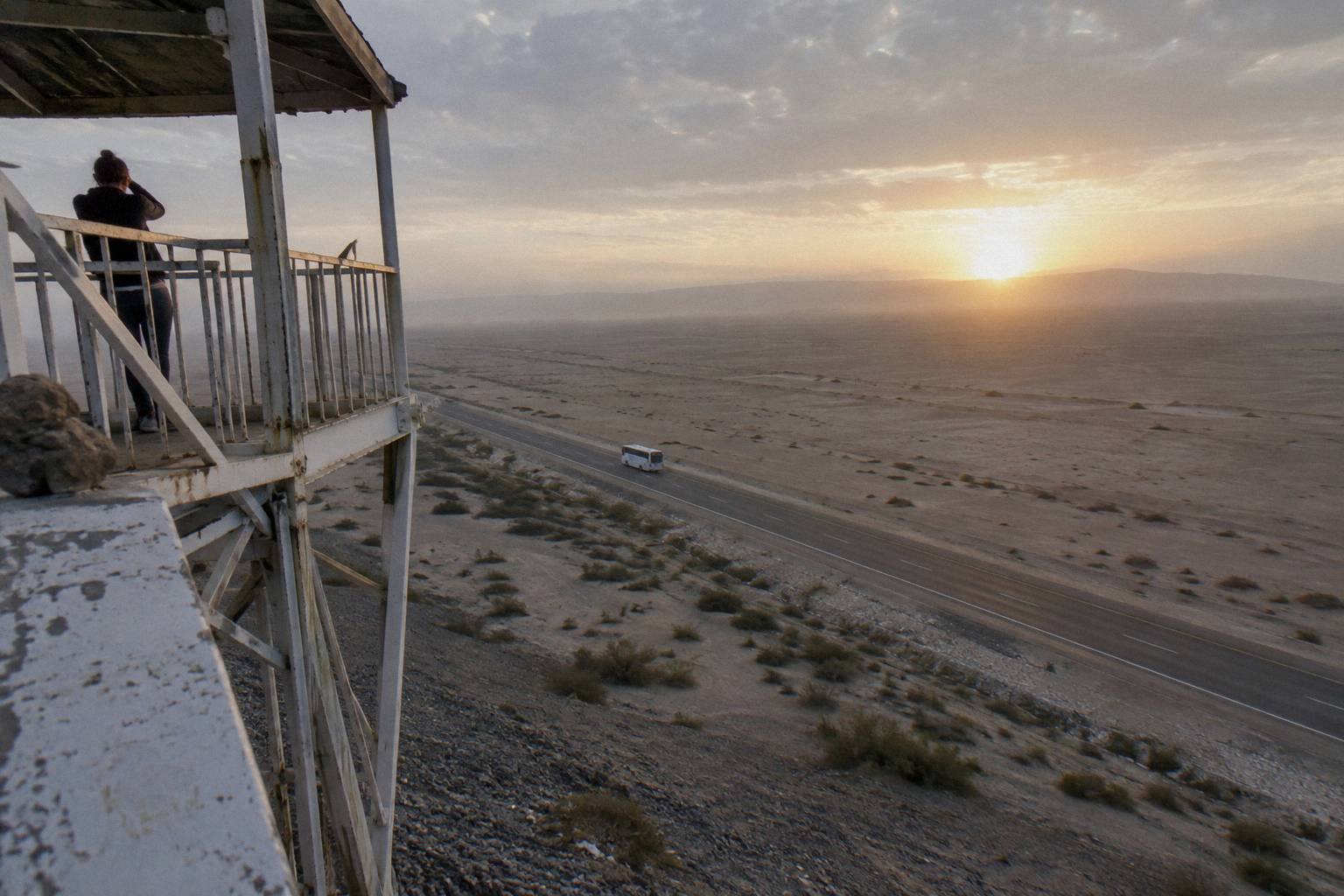
Pace is the quieter downside. The pass moves down the corridor on a fixed rhythm, and travellers who want to linger somewhere the schedule rushes, or skip something it lingers on, end up fighting the product. The hidden stops are a good example in both directions: a pisco tasting is a delight or an unwanted hour, depending on the rider.
Against those downsides, the pass buys pickup at your door, a host who handles the stops, and five route stops that no direct seat includes. Whether that trade favours you is the whole decision, and it is why this review prints the caveats as plainly as the features.
How Does It Compare With A Regular Interprovincial Bus Seat?
A regular bus ticket buys one seat on one bus from one terminal at a fare you pick from a live timetable, while the pass buys a whole corridor with door pickup on a single operator's schedule; carriers also offer more classes, from 140 degree semi-cama seats to 180 degree beds, with fares printed per leg.
On the Puno to Cusco leg, for instance, regular service includes a tourist bus with a lunch stop: the Turismo Mer bus from Puno to Cusco with an all-you-can-eat lunch is rated 4.6 across 24 reviews and runs the 387 km leg, which has a 6.2 h free-flow drive estimate, as a single ticket with free cancellation up to 24 hours before for a full refund as listed. A pass covers the same leg with no lunch stop and no separate booking. A traveller already holding a pass uses it; a traveller doing one leg buys the seat.
The deeper comparison, including fares, classes and the argument for mixing both on one itinerary, is laid out in the hop-on pass versus public bus guide. The short version: long first trips on the southern corridor tend to suit a pass, tightly planned trips and single legs tend to suit direct seats.

What Should You Check Before You Pay?
Before you pay, confirm four things: your destinations sit on the network, since Machu Picchu, Huaraz, the north, the central highlands and the jungle are not served; the pass shape matches your pace, with fastest completion times from 24 hours to 10 days inside a year of validity; you accept long night legs, especially Nazca to Arequipa; and the app's 12 hour change window fits how you travel. Read government advisories on night intercity buses before you buy.
Then the small practical list. Confirm your pickup address is serviceable, since the operator collects from hotels and Airbnbs rather than terminals. Read the pass's own page for its stop list, because passes differ in what they skip, and the operator re-checks its schedules. Check the Bolivia leg's arrangements if La Paz is on your route: the lake crossing by separate boat and the toilet-free Bolivia-side buses are part of the product, and border formalities are handled at the Kasani or Desaguadero posts depending on the route. For border documents, including the Tarjeta Andina de Migracion, the official Migraciones pages are the reference, and visa questions belong with the Bolivian consulate for your passport.
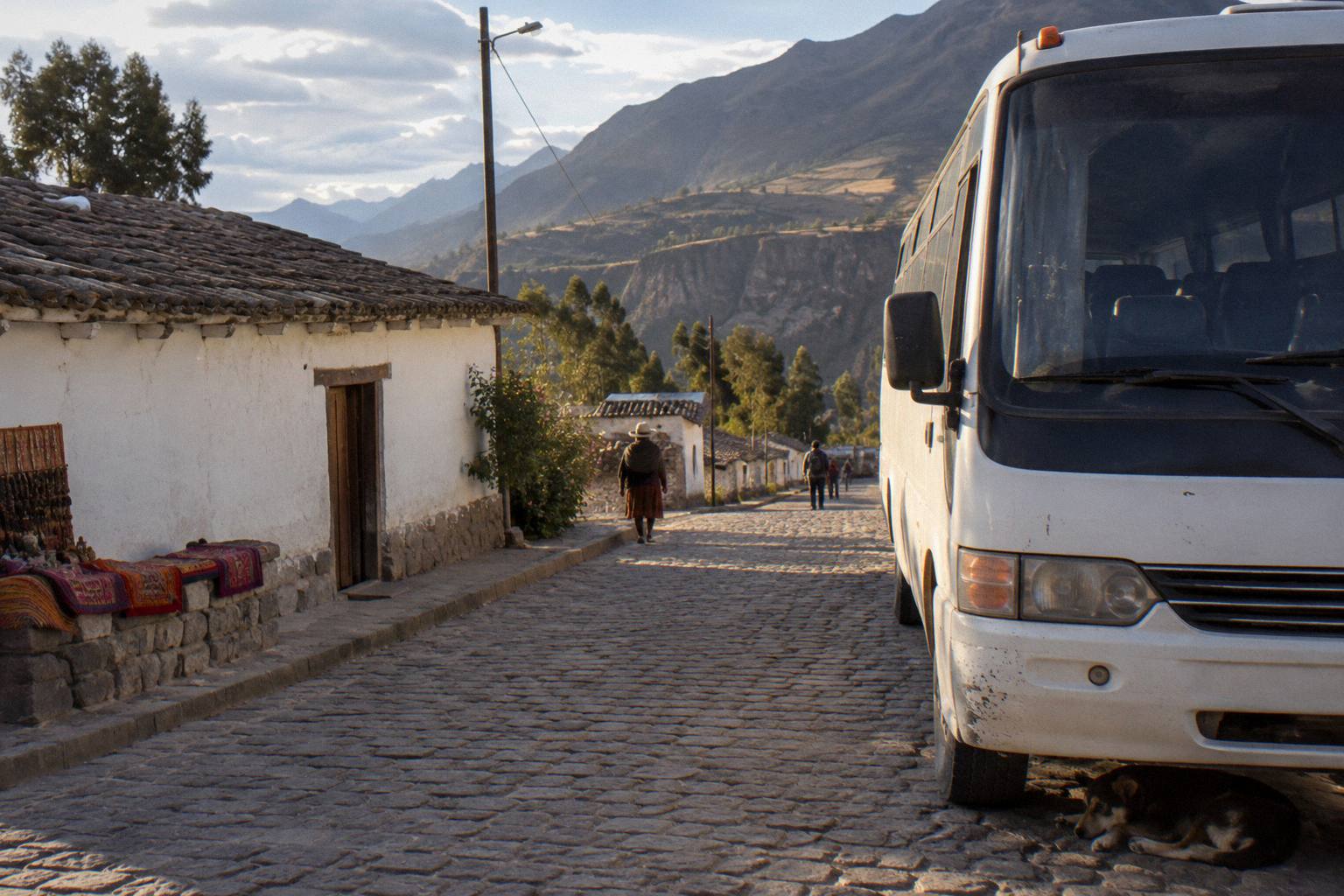
If the balance of the review lands in favour of a pass for your trip, the passes are listed on the operator's own site, and the terms above are the ones to hold it to: a year of validity, free hopping, and app changes up to 12 hours before departure. See Peru Hop Passes.
Common Questions About Hop-On Bus Passes In Peru
Does The Hop-On Network Reach Machu Picchu?
No. The operator's own page states that Cusco to Aguas Calientes is by train, trek or bus, and it recommends a partner tour operator for Machu Picchu visits. A pass delivers you to Cusco; the ruins are a separate journey and ticket.
How Long Is The Pass Valid, And Can I Change My Bus Time?
Per the pass terms, tickets are valid for 1 year, you can hop on and off freely, and a bus time can be changed in the app up to 12 hours before departure. Phone and WhatsApp help is available during stated hours.
Are The Buses Equipped With Toilets And Wi-Fi?
The operator states its Peru-based buses have toilets, USB charging, semi-cama reclining seats, air conditioning and heating, GPS tracking and Wi-Fi. Bolivia-side buses have no onboard toilet because of the lake-crossing weight limit; public toilets sit at the Strait of Tiquina while passengers cross on a separate boat.
Where Does The Bus Pick Me Up?
At your hotel or Airbnb, per the operator's terms, with no terminals and no taxis. A local bilingual host rides every bus and handles the hidden stops along the route.
For single legs, direct seats like the tourist buses listed above are the comparison point.
What Happens If Strikes Or Road Blockades Disrupt My Route?
The FCDO states political protests in Peru "are unpredictable and can escalate quickly" and advises "Do not attempt to pass blockades." Check the SUTRAN alert map and the carrier the day before each hop, and work with the operator's help channels to retime a leg, which the app allows up to 12 hours before departure.