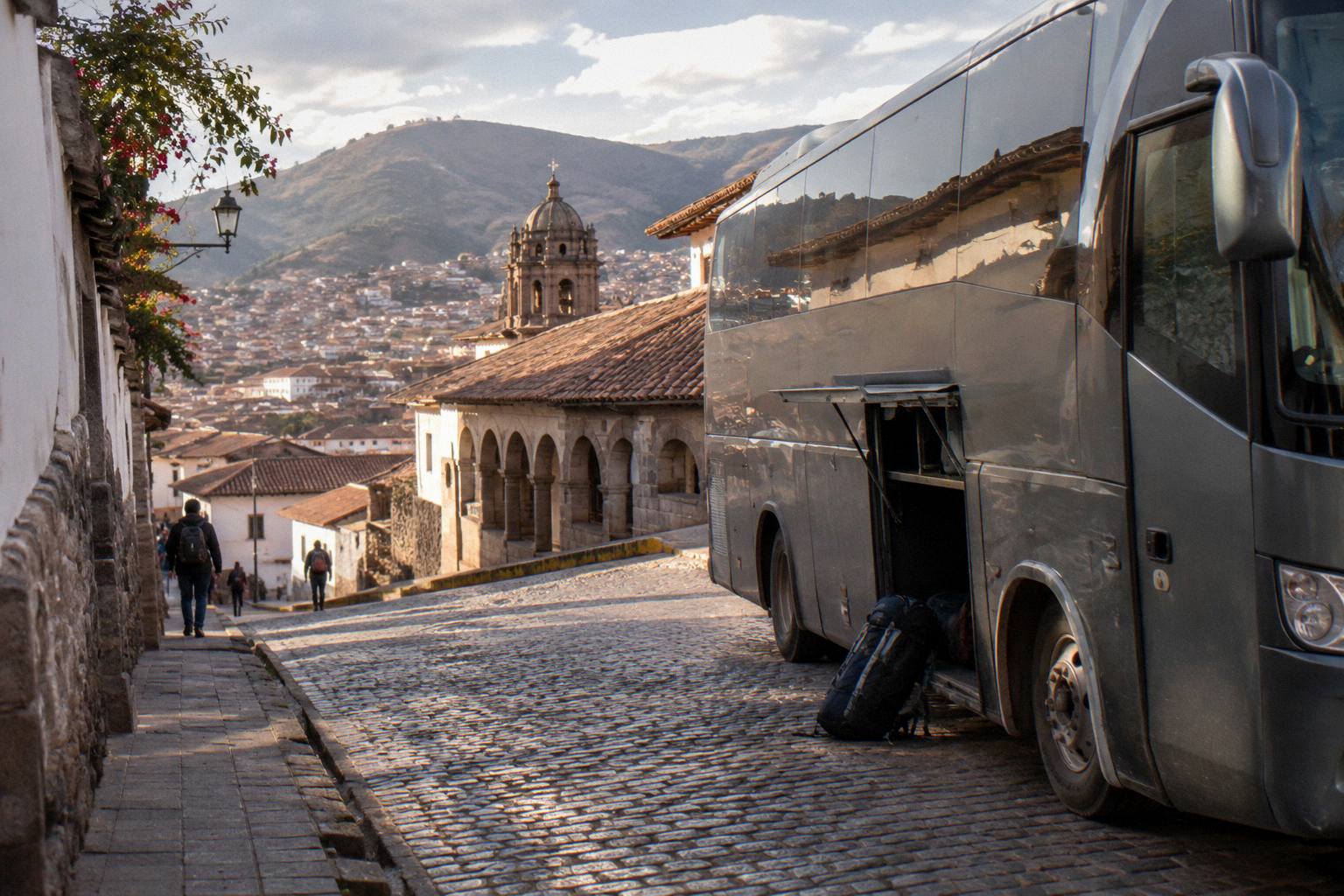
Peru Bus Classes Explained: Cama, Semi-Cama, 160 And 180 Seats
Peruvian operators sell seats by recline degrees and Spanish class names, and each company uses the words its own way. Here is what the operators themselves list, degree by degree.
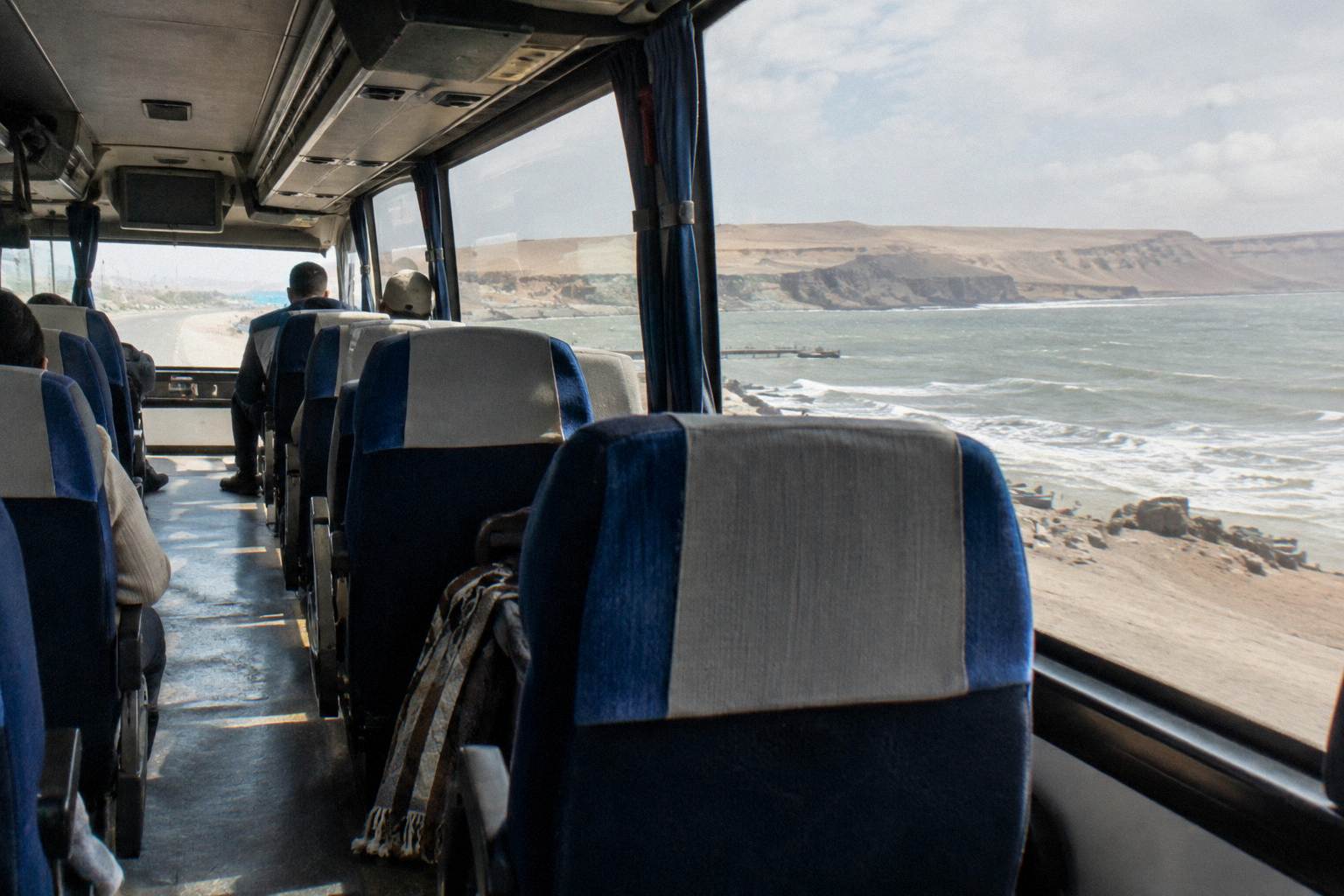
Short answer
Cama means a bed-like seat that reclines toward 180 degrees; semi-cama is a standard coach seat around 140 to 160 degrees. Peru has no national seat standard, so Cruz del Sur, Oltursa, Civa, Movil Bus and Linea each define classes on their own pages, and only some publish recline degrees at all.
Peruvian bus tickets are sold by class name, and the class name is a recline promise. Cruz del Sur lists Suite seats at 160 degrees on its Lima to Cusco service and reclining seats at 180 degrees on its comfort page. Civa's SuperCiva page gives 160 degrees on the first level and 140 on the second. Movil Bus publishes four classes spanning 120 to 180 degrees, and Linea publishes four of its own. Oltursa publishes none. The words cama and semi-cama sit on top of all this, and they are not a standard: they are shorthand each operator uses for its own seat tiers, which is why two tickets with the same word on them can be different products.
This guide sets out what each major operator actually states on its own pages, degree by degree, and how to read a class name when you buy. It also covers the luggage allowances attached to each carrier, the safety equipment Peru's national transit regulation requires on every interprovincial bus regardless of class, and where a hop-on hop-off pass fits if you would rather not commit to one seat on one departure. Nothing here is a fare comparison: prices move by date and season, and the right question is which seat, not which number.
What Does Cama Actually Mean On A Peru Bus?
Cama is the Spanish word for bed, and on a Peru bus it means a seat designed for sleeping: a wide chair that reclines deeply, with the operator stating the angle in degrees and 180 degrees meaning a flat or near-flat lie. Because cama is a marketing tier rather than a regulated standard, the exact recline, width and legroom depend on the operator's class page for that specific service.
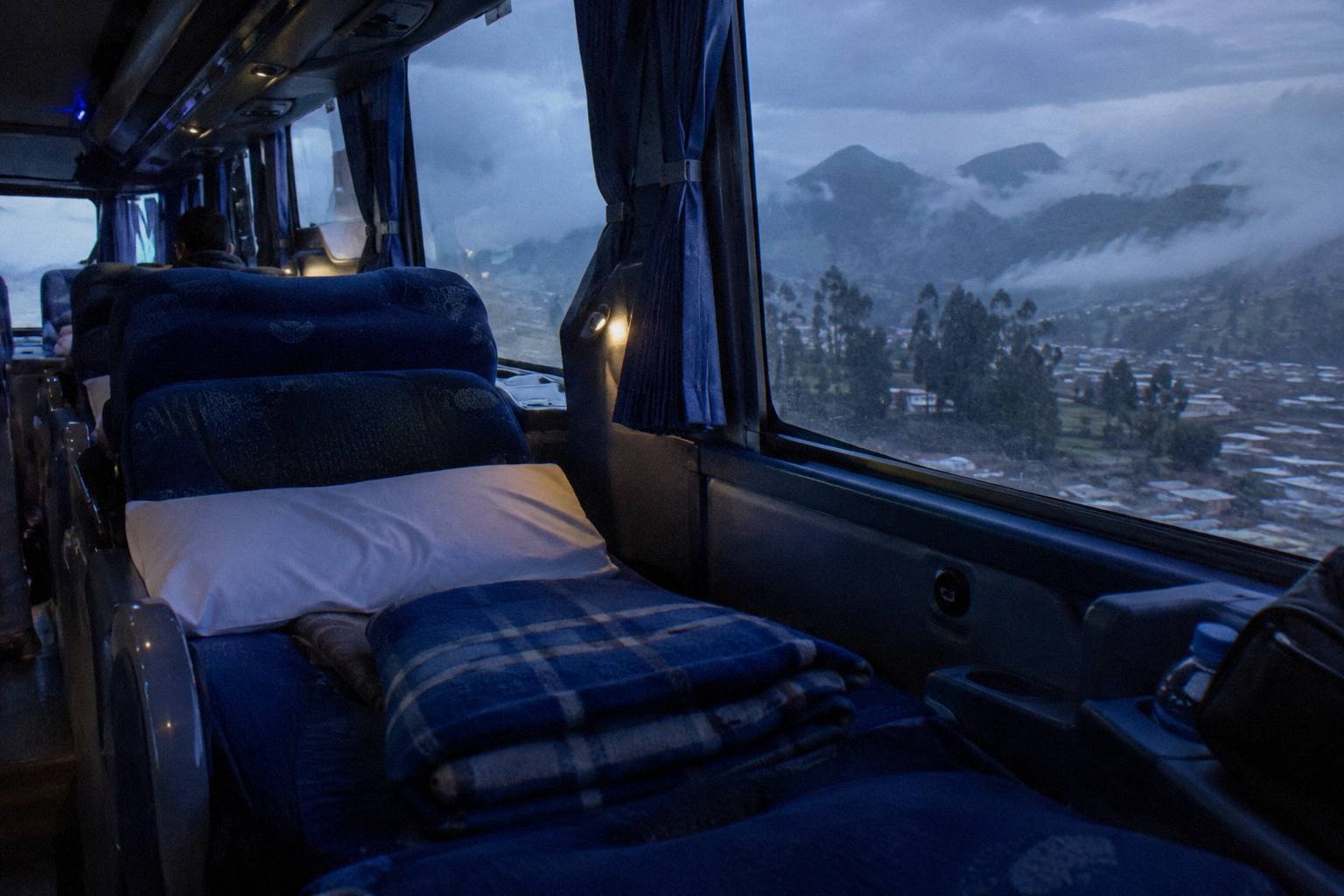
The clearest way to see this is to line up what the operators themselves publish. Cruz del Sur's comfort page lists reclining seats at 180 degrees, with its Suite class on the Lima to Cusco route specified at 160 degrees. Linea calls its top class Super VIP and describes it as 180 degrees, "tipo cama", a bed-type seat. Movil Bus goes one further: its Premier class is 160 degrees on the first level of the bus and 180 degrees, described as "full flat", on the second level. These are the operators' own descriptions, taken from their own service pages, and they are the operator-stated source for what a class contains.
What cama does not tell you is everything else. Two buses can both advertise a bed-type seat while differing in seat pitch, cabin layout, whether the downstairs level exists at all, and what happens at the ticket desk. A 160 degree seat on a single-level coach and a 160 degree seat on the upper deck of a double-decker are different experiences, and the class name covers both. The practical habit worth building is simple: find the operator's service or class page, read the degrees it prints, and treat anything the page does not print as unknown rather than assumed. Where a page prints no degrees at all, as with Oltursa, no degree claim belongs in your planning.
The regulation backdrop is the same for every class. Peru's national transit regulation requires three-point belts at the driver seat and minimum two-point belts at all passenger seats, and the crew must announce that belts are mandatory. It also requires national buses to carry GPS-based control and monitoring that transmits to the authority permanently. A cheaper seat does not remove those requirements, and a cama seat does not add to them: class buys comfort, not a different safety regime.
| Operator | Top class as the operator describes it | Recline degrees the operator prints |
|---|---|---|
| Cruz del Sur | Reclining seats (comfort page); Suite on Lima to Cusco | 180; Suite 160 on Lima to Cusco |
| Linea | Super VIP, "tipo cama" | 180 |
| Movil Bus | Premier, "full flat" on second level | 160 first level, 180 second level |
| Civa | SuperCiva | 160 first level, 140 second level |
| Oltursa | Bus cama VIP | No degrees stated on its pages |
What Is A Semi-Cama Seat And When Is It Enough?
A semi-cama is the standard long-distance coach seat: narrower than a cama, arranged in a denser layout, and reclining partway instead of lying flat. Operators that publish angles place their semi-cama-style tiers between about 120 and 160 degrees, so one company's semi-cama can recline nearly as far as another's cama. For a daytime ride of a few hours on a paved corridor, that is enough seat for most people.
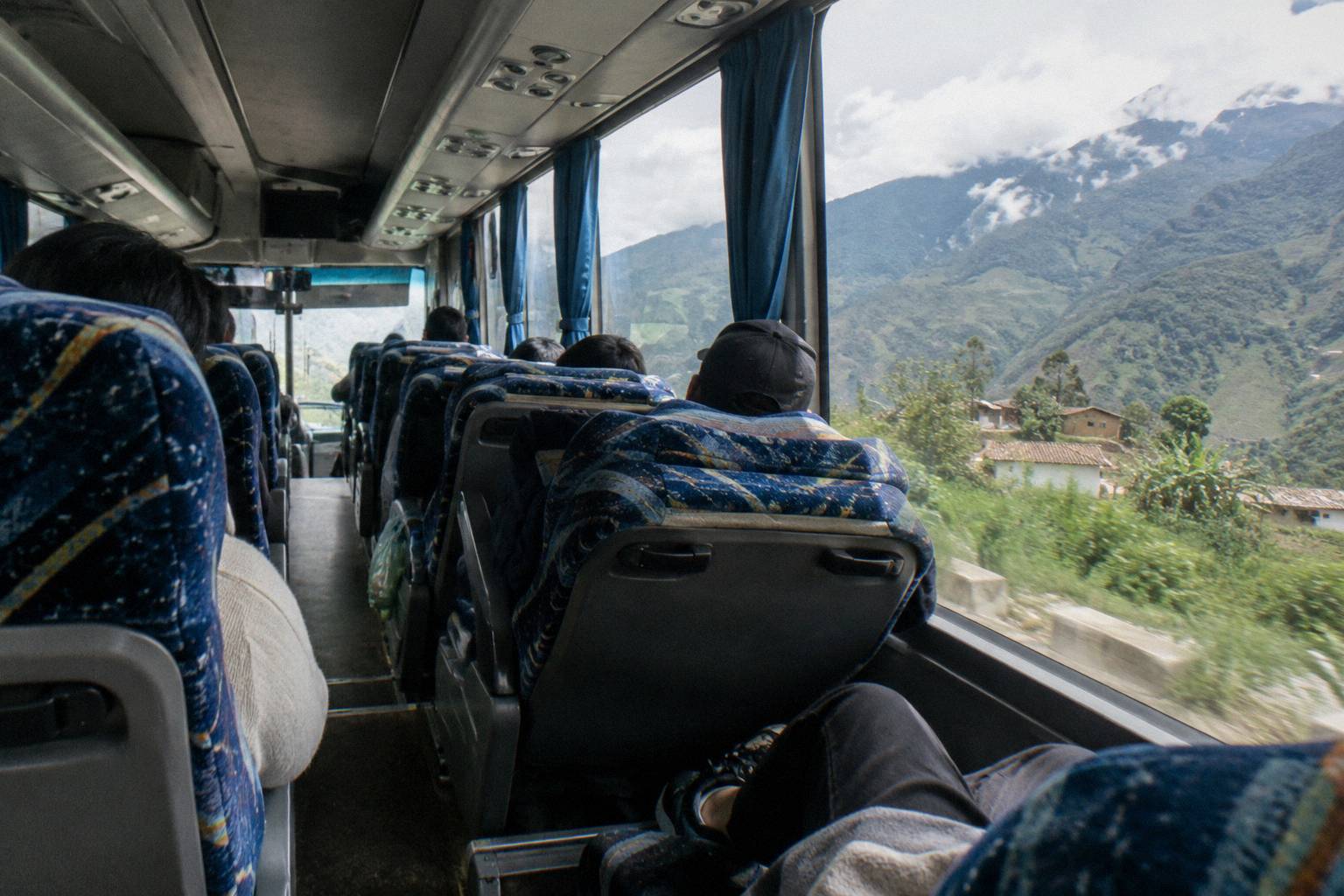
Movil Bus gives the cleanest published ladder. Its Economico class is 120 degrees, Ejecutivo VIP is 140 or 160 depending on the service, Presidencial is 160, and Premier tops out at the 180 full flat upstairs. Linea's ladder runs Especial at 145 degrees, VIP and Dorado at 160, and Super VIP at 180. Civa's SuperCiva splits by level: 160 downstairs, 140 upstairs. Notice what these numbers mean in practice: Linea's VIP at 160 degrees and Civa's first-level SuperCiva at 160 degrees sit exactly where many people expect "cama" to sit, and both are sold as ordinary classes, not flagship ones. The word on the ticket is the operator's choice of vocabulary.
When semi-cama is enough comes down to the ride and the clock, and the advice services are blunt about the clock. The UK FCDO states: "Bus crashes are common, especially at night. Only use reputable transport companies, and where possible, avoid overnight travel, especially in mountainous and remote regions." Canada's advice goes further: "Avoid taking buses and coaches at night." Neither advisory distinguishes seat class, because class is not the variable they are addressing. A cama seat on a night departure does not change that guidance, and a semi-cama on a daytime coastal run is a different proposition from the same seat on a mountain road after dark.
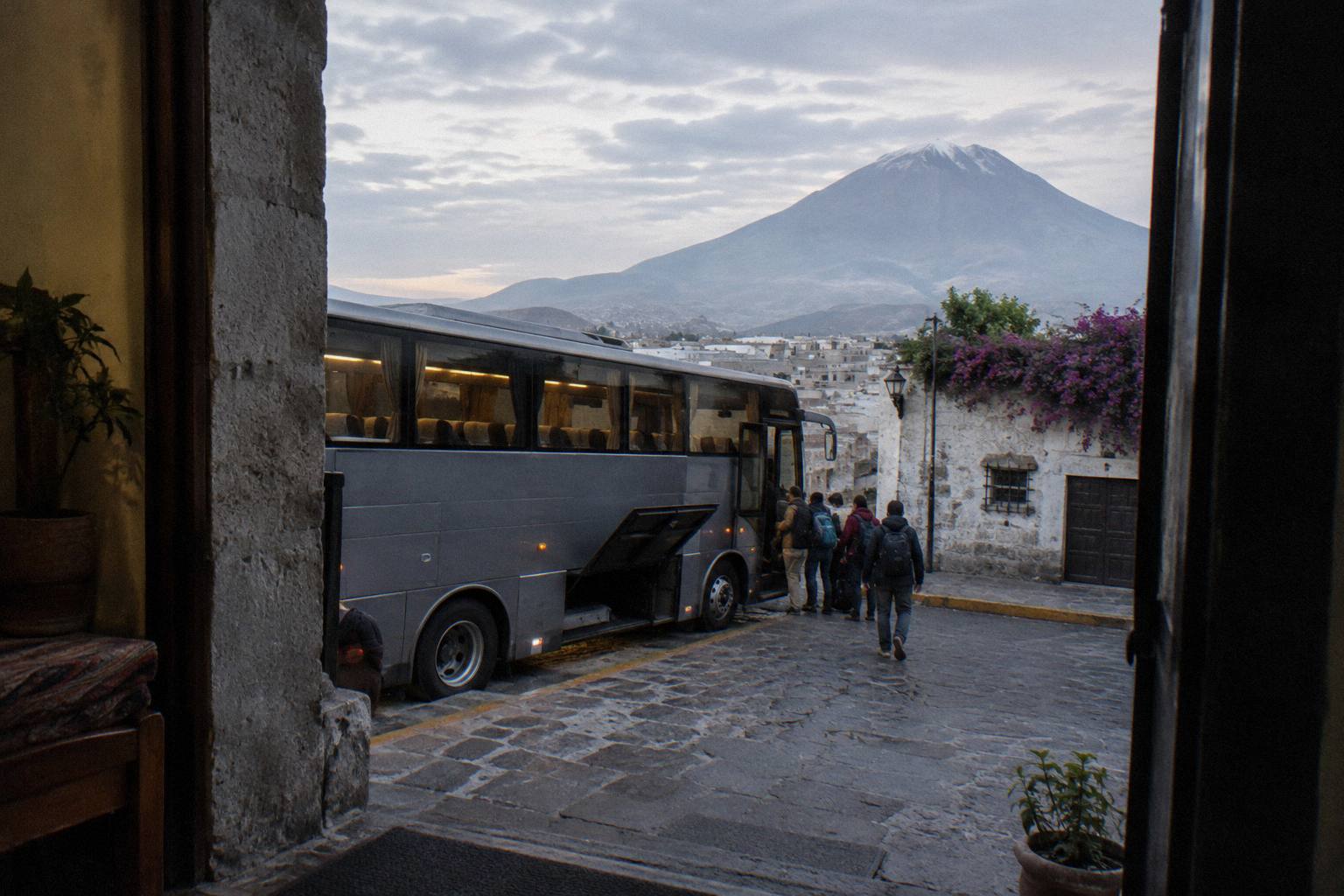
The route length is the other variable. On the southern corridor the stages are long: the OSRM free-flow drive estimate for Lima to Arequipa is 1,002 km and 14.3 hours, and Arequipa to Cusco is 487 km and 9.4 hours, figures real bus journeys exceed because they exclude stops and traffic. Nobody prints those as bus times, but they size the day. A 140 degree seat that is pleasant for a three-hour stage is a different matter across a ten-hour mountain corridor, and that is where the published degrees, a full flat or not, and the operator's own class page earn their place in your decision.
Which Operators Offer Which Seat Classes?
Five national operators publish seat class charts on their own pages: Cruz del Sur sells 180 and 160 degree tiers, Linea lists 180, 160 and 145 degree options, Movil Bus ranges from 120 to 180 degrees, Civa offers 160 and 140 degree seats by level, and Oltursa sells two named classes with no published degrees, so the right recline depends on picking the operator that serves your region.
The regional point matters as much as the degrees. Linea's network is northern only: Lima, Chimbote, Trujillo, Pacasmayo, Chiclayo, Piura, Huaraz, Cajamarca, Chepen and Jaen. Movil Bus concentrates on Lima to Huaraz, Chiclayo, Trujillo, Chachapoyas, Cajamarca, Tarapoto and Oxapampa, and its pages show no Cusco or Arequipa service. For the southern tourist corridor, Lima to Paracas to Arequipa to Cusco to Puno, the full-class operators are Cruz del Sur and Civa, plus the tourist-bus and sleeper services sold as bookable tickets. Planning a class upgrade starts with planning the operator, because the class list changes with the region.
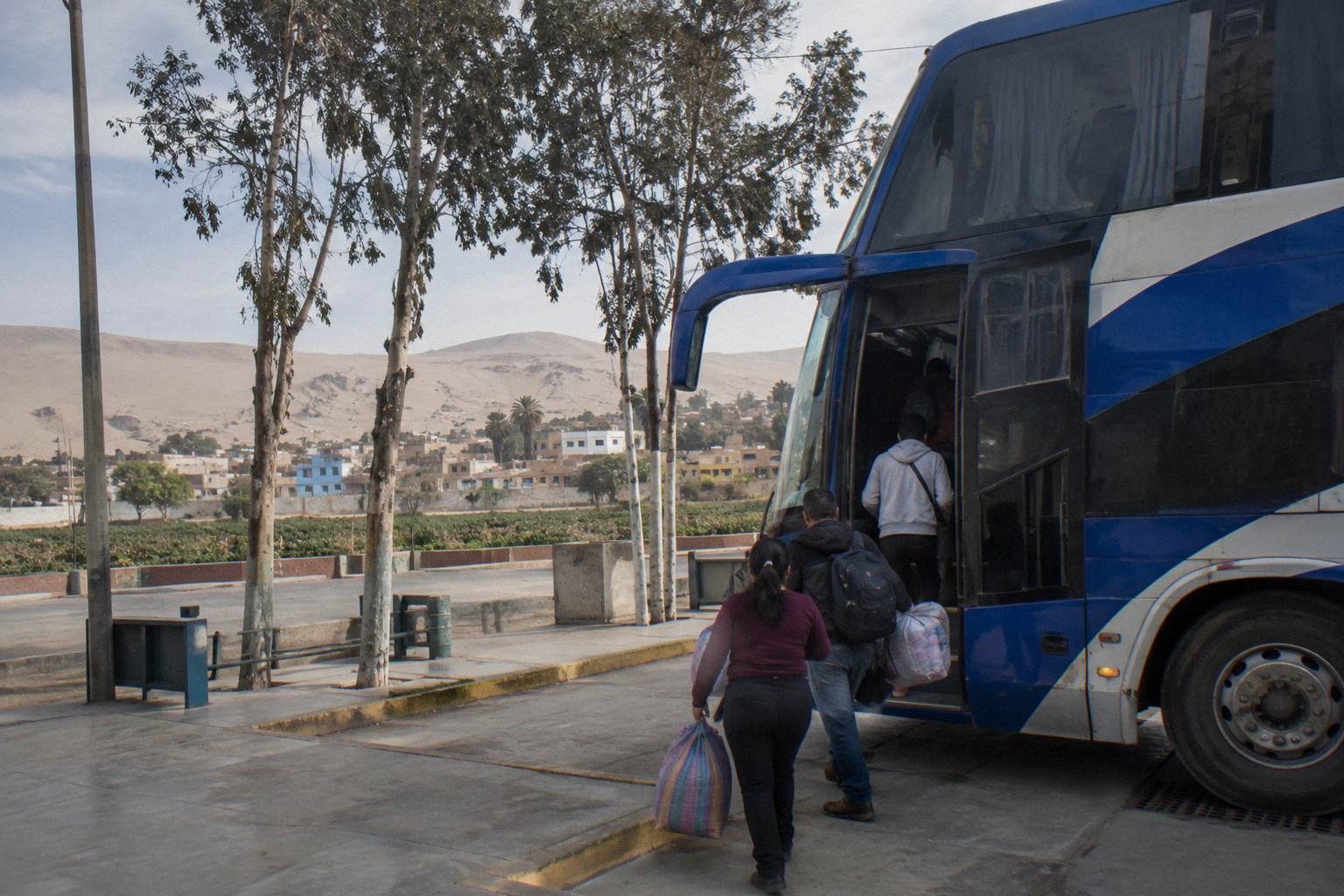
Cruz del Sur's own pages add the operational detail behind the seat. The comfort page lists a pilot change every 4 hours, permanent medical checks and alcohol tests, DNI control with a metal detector, video recording of passengers, GPS satellite monitoring, seat belts, a toilet, Wi-Fi and crew on board marked as a courtesy service, and an ECO3 air purifier. The Lima to Cusco page specifies the Suite seat at 160 degrees, 20 kg hold plus 6 kg hand luggage, and online sales until one hour before departure. Oltursa's pages state 20 kg hold free, one hand piece up to 5 kg, GPS monitoring around the clock, and tariffs described as referential, meaning they move; its two classes are economico and bus cama VIP, with no recline degrees stated anywhere, so no degree figure should be attached to them.
| Operator | Class | Recline as stated | Luggage as stated | Network focus |
|---|---|---|---|---|
| Cruz del Sur | Suite (Lima to Cusco) | 160 | 20 kg hold + 6 kg hand | National, southern corridor |
| Cruz del Sur | Reclining seats | 180 | 20 kg hold + 6 kg hand | National |
| Linea | Super VIP | 180 | 20 kg | North only |
| Linea | VIP / Dorado | 160 | 20 kg | North only |
| Linea | Especial | 145 | 20 kg | North only |
| Civa | SuperCiva | 160 first level / 140 second | Check the operator's page | National |
| Movil Bus | Premier | 160 first / 180 second | 20 kg + 8 kg | North and central |
| Movil Bus | Presidencial | 160 | 20 kg + 8 kg | North and central |
| Movil Bus | Ejecutivo VIP | 140 / 160 | 20 kg + 8 kg | North and central |
| Movil Bus | Economico | 120 | 20 kg + 8 kg | North and central |
| Oltursa | Bus cama VIP | Check the operator's page | 20 kg + 5 kg | National |
On the southern corridor, bookable tourist tickets also carry class information in their listings. The Turismo Mer sleeper bus from Arequipa to Puno, 4.3 across 20 reviews, lists a 160 degree recline and a night service, with the terminal boarding fee listed as not included, so check the boarding fee line on the listing. The World Explorer Peru direct bus from Cusco to Arequipa, 3.7 across 16 reviews, names a Cruzero Suite 160 degree seat. The Turismo Mer tourist bus from Puno to Cusco, 4.6 across 24 reviews, runs a tourist bus with a lunch stop and an 11 hour duration as the listing gives it. These are one-way tickets with free cancellation up to 24 hours before departure for a full refund, as listed, which makes the class comparison low-risk while you decide.
If the sleeper question is the one holding up your booking, the Arequipa to Puno sleeper bus ticket is the direct way to test a 160 degree seat on a night service, and you can check availability beside it. The listing gives 7 hours for the run and drops you in Puno.
Is A 160 Or 180 Degree Seat Worth Paying More For?
Yes, on long routes: a 160 degree seat is the step that genuinely changes how you sleep, while the move from 160 to a full flat 180 matters mainly if you sleep on your side. Since operators price these tiers apart and no fares stay stable enough to print, judge the upgrade as comfort per hour, where a free-flow drive estimate past nine hours beats a three-hour coastal hop.
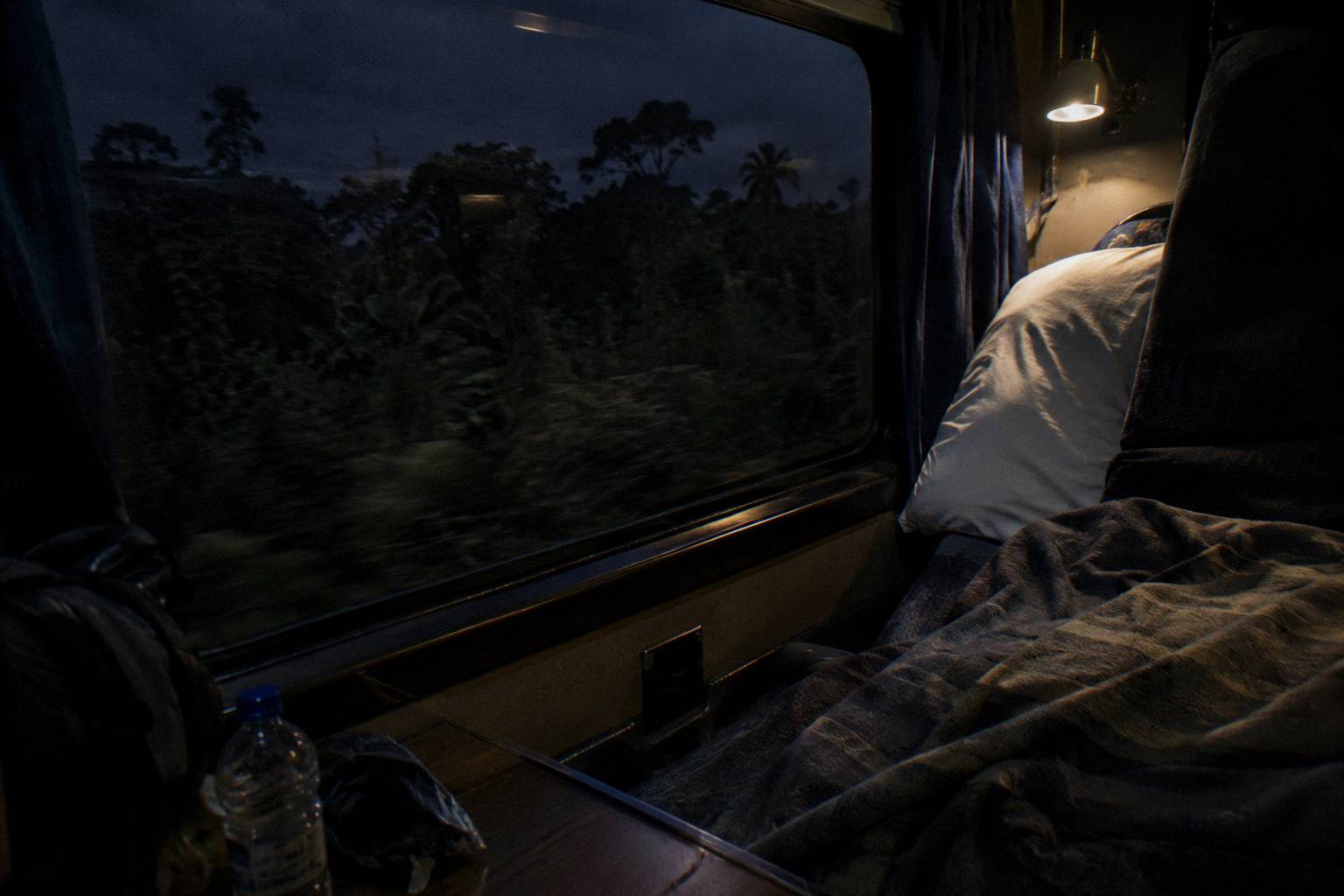
Consider the corridor stages by their free-flow drive estimates: Paracas to Huacachina is 74 km and 1.3 hours, Arequipa to Puno is 273 km and 5.5 hours, Arequipa to Cusco is 487 km and 9.4 hours, and Lima to Arequipa is 1,002 km and 14.3 hours. Real journeys exceed those figures. On the short stage, the difference between 140 and 180 degrees is close to irrelevant; on the two longest, it is the difference between arriving rested and arriving folded. Sleeping on a night bus also has a security dimension that no seat class solves: Smartraveller states that "Robberies and assaults occur frequently on intercity buses, including while passengers are sleeping" and names "theft as you sleep on intercity bus routes between Lima, Ica, Nazca and Cusco". The FCDO's parallel instruction is "on bus journeys, keep your passport with you". A flatter seat does not exempt anyone from that. More of these guides are collected on Peru By Bus.
The second-level question is worth a paragraph of its own. On double-deck services, the same class name can mean different degrees upstairs and downstairs, as Civa's SuperCiva does at 160 and 140 and Movil Bus's Premier does at 160 and 180. The booking flow picks the level for you if it does not ask, so a passenger who wants the full flat on Movil Bus needs the second level, and a passenger who wants Civa's deeper recline needs the first. This is also where the operator's own page beats any summary: the degrees above are printed on Civa's and Movil Bus's service pages, and the Cruz del Sur pages print their own figures, but no operator prints everything, and Oltursa prints no degrees for either of its classes.
There is a regulatory floor under all of this that costs nothing extra. Peru's national transit regulation caps continuous driving at 5 hours by day and 4 at night, requires a second driver when a trip exceeds those spans and a third driver beyond 20 hours, and Cruz del Sur separately lists a pilot change every 4 hours as its own practice. The regulation also requires up to 20 kg of luggage to travel free on national service and gives the passenger the right to a fare receipt. None of that depends on the ticket class, which is why the class decision is genuinely about the seat and nothing else.
For the Cusco side of the corridor, the Cusco to Arequipa direct bus is the ticket that names a Cruzero Suite 160 degree seat, 3.7 across 16 reviews, with a 10 hour duration as the listing gives it and free cancellation up to 24 hours before, as listed.
What Do You Get Beyond The Seat Itself?
Beyond the seat, class tiers add courtesy Wi-Fi, toilets, GPS monitoring, luggage allowances ranging from 20 kg plus 5 kg to 20 kg plus 8 kg, and terminal perks such as Cruz del Sur's VIP lounge at its Javier Prado terminal in Lima. Regulation also mandates belts, monitoring, and boarding only at authorised points with the bus stopped on every class, though no tier exempts you from the government advice on night travel and terminal taxis.
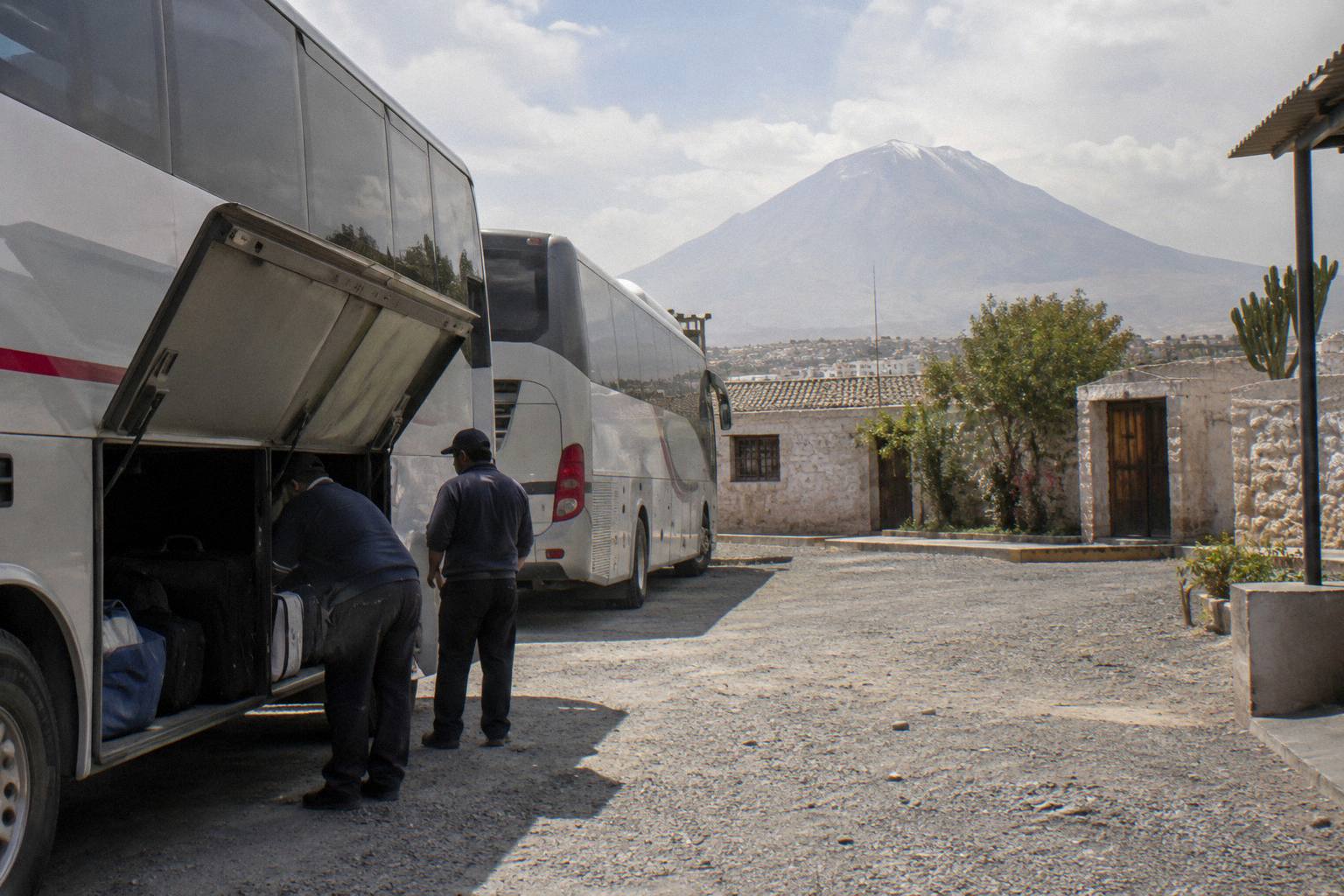
The bundled details come straight off the operators' pages. Cruz del Sur marks its Wi-Fi and onboard crew as a courtesy service and lists a VIP lounge at Terminal Javier Prado, "Av. Javier Prado Este 1109, Urb. Sta. Catalina, La Victoria, Lima". Oltursa states GPS monitoring around the clock and one hand piece up to 5 kg. Movil Bus states GPS monitoring with speed control, 20 kg hold split across up to 3 pieces and 8 kg hand luggage split across up to 2. Linea lists GPS position and speed control, alcohol testing, driver rest verification and seat-belt control on its safety page, and marks Wi-Fi and streaming as subject to the operator's availability. Civa's printable facts stop at the SuperCiva degrees, and its luggage figures are not listed on its own site, so the answer for Civa is the operator's page at booking time.
Two passenger-side rules from the regulation are worth knowing alongside the class choice. INDECOPI states that a domestic bus ticket can be postponed or transferred with at least 24 hours notice, with only the real cost of reissuing chargeable and no penalty. And SUTRAN advises getting a luggage ticket for hold bags; the regulation sets hold luggage in the hold and overhead racks, never in the aisle or exits, and sets minimum compensation for loss or damage from the carrier's fault. Neither rule cares whether the seat reclines 145 or 180 degrees.
The terminal is part of the class experience too, because regular carriers must use habilitated terminals at origin, destination and stops, and the public road may not be used as a terminal. That is why a Cruz del Sur Cusco arrival lands at Terminal Terrestre Cusco, "Av. Vallecito 538, Cusco", and an Oltursa Lima departure leaves from "Jiron Manuel Portocarrero No 380, Surquillo", each from the company's own terminal rather than a single city terminal. The FCDO's terminal warning applies at every one of them: "There is a risk of robbery by criminals posing as taxi drivers, especially at Jorge Chavez International Airport and bus terminals", and its instruction is to "use one of the taxis registered at bus terminals".
| What the tiers bundle | Stated by | Detail as printed |
|---|---|---|
| Wi-Fi and crew | Cruz del Sur | Marked "servicio de cortesia" on the comfort page |
| Wi-Fi and streaming | Linea | "Sujeto a disponibilidad del operador" |
| GPS monitoring | Oltursa, Movil Bus, Linea, Cruz del Sur | Stated on each operator's own pages |
| Hold luggage | Cruz del Sur 20 kg + 6 kg hand; Oltursa 20 kg + 5 kg; Movil Bus 20 kg + 8 kg; Linea 20 kg | Operator terms pages |
| Terminal lounge | Cruz del Sur | VIP lounge at Terminal Javier Prado, Lima |
How Do You Choose A Seat Class For Your Route?
Match the operator to your region first, then the seat class to your hours: Linea and Movil Bus for the northern network, Cruz del Sur and Civa plus the bookable tourist tickets for the southern corridor. For overnight trips, trust the published degrees rather than the word cama alone, and check the SUTRAN alert map the day before travel, since blockades and closures appear there live.
The day-before check has an official tool. SUTRAN's interactive alert map shows closed roads in red, restricted roads in yellow and open roads in green, with causes including natural events, accidents, infrastructure damage and the human factor, which is where social protest blockades appear. The FCDO's protest context explains why the map matters: "Political protests in Peru are unpredictable and can escalate quickly. Demonstrations can become violent and lead to roadblocks, travel disruption, including trains, and suspension of immigration services at land borders", and regions with recent protests named include Arequipa, Cusco and Puno, three stops on the southern corridor. Its instruction on encountering a blockage is plain: "Do not attempt to pass blockades."
You can also check the specific bus and driver. SUTRAN runs a public lookup where a plate number or the driver's DNI shows whether the bus and conductor have their papers in order, and the FCDO's own words frame the choice of carrier: "Only use reputable transport companies", its phrasing, not a verdict on any named firm. Smartraveller's parallel line is "Use only reputable bus companies." Those sentences are the advisory services' words about an entire market, and the practical translation is the lookup, the alert map and the operator's own published standards, from Cruz del Sur's medical checks to Linea's driver rest verification.
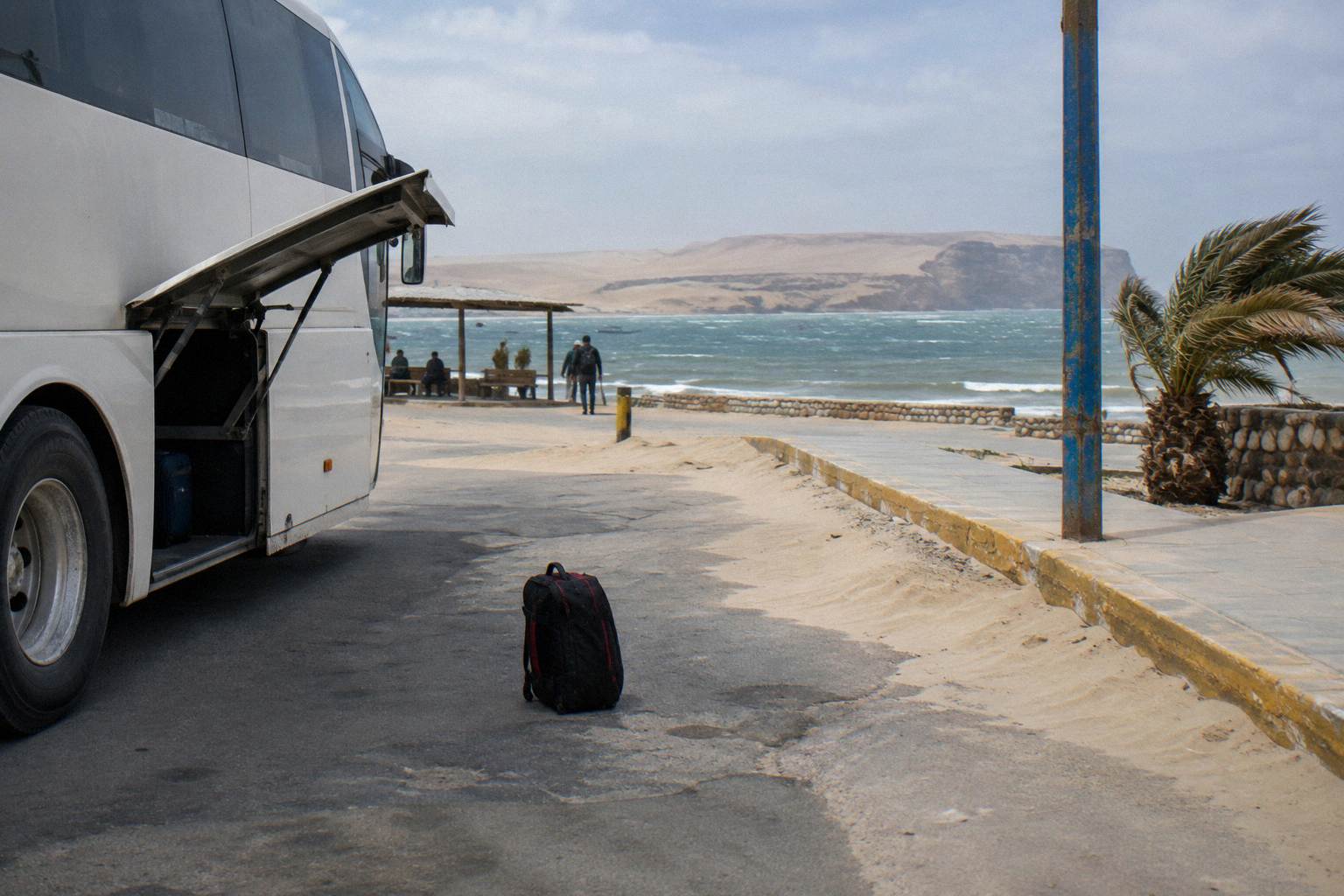
For riders who want the seat decision made once rather than route by route, Peru Hop runs a hop-on hop-off network on semi-cama reclining seats with air-conditioning and heating, TVs, USB, toilets, GPS tracking, speed-restriction software, seatbelts and a team of drivers, with hotel or Airbnb pickup rather than terminal boarding. Peru Hop reports tickets valid for one year, a bus time changeable in the app up to 12 hours before departure, and a local bilingual host on every bus. The See Peru Hop Passes page lists the passes; the network covers the Lima to Paracas to Arequipa to Cusco to Puno corridor and does not reach Huaraz, the north or Machu Picchu. For that service the Peru Hop hop-on hop-off review covers how the semi-cama seats compare across its passes, and the Peru Hop passes explained guide breaks down the stop lists.
Cama Or Semi-Cama: Which Should You Book?
Book cama for any overnight stage or any ride whose free-flow drive estimate passes nine hours, since real buses run longer than those estimates; book semi-cama for daytime stages of a few hours, where the recline barely matters. On the southern corridor, that means cama for Arequipa to Cusco at 9.4 hours and Lima to Arequipa at 14.3.
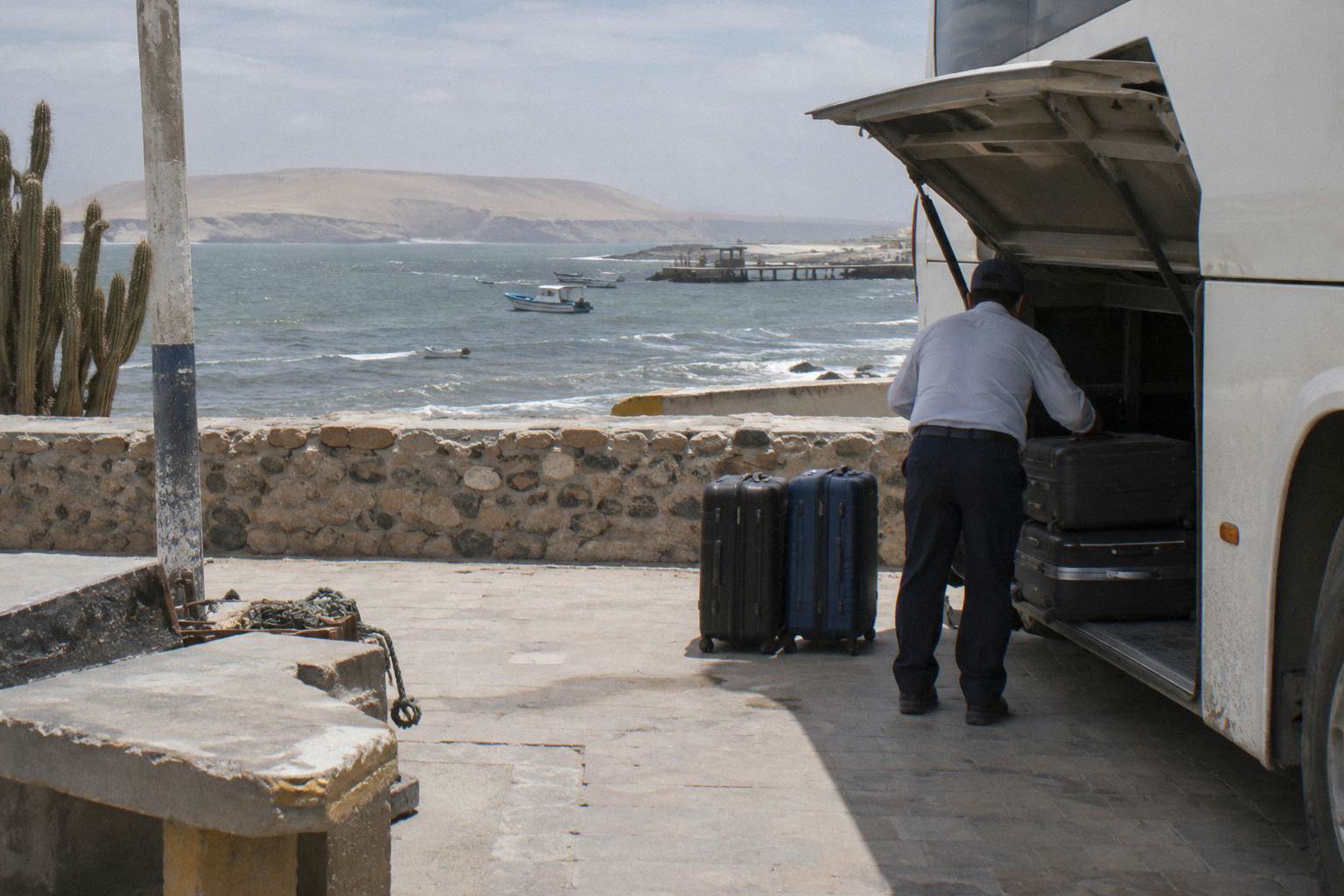
One worked example ties the whole comparison together. A rider heading from Arequipa toward Cusco in comfort has a natural two-step: the Turismo Mer sleeper from Arequipa to Puno, with its listed 160 degree recline and night service, then the Turismo Mer tourist bus from Puno to Cusco with its lunch stop, 4.6 across 24 reviews. The free-flow estimates are 5.5 hours for the first stage and 6.2 for the second, excluding stops. The sleeper is where the degrees pay; the daytime leg is where the lunch stop and the view over Abra La Raya, about 4,300 m by INEI's figures, are the product. That is the class decision in miniature: pay for recline where you sleep, pay for the itinerary where you look out the window.
The Puno to Cusco leg deserves its own line because it is the corridor's most bookable tourist ticket. The listing gives 11 hours, a lunch stop named by the operator, and a drop-off at the Terminal Privado Turismo Mer in Cusco, with free cancellation up to 24 hours before departure for a full refund, as listed. A rider can Check availability on the Puno to Cusco tourist bus with lunch once the class plan is settled.
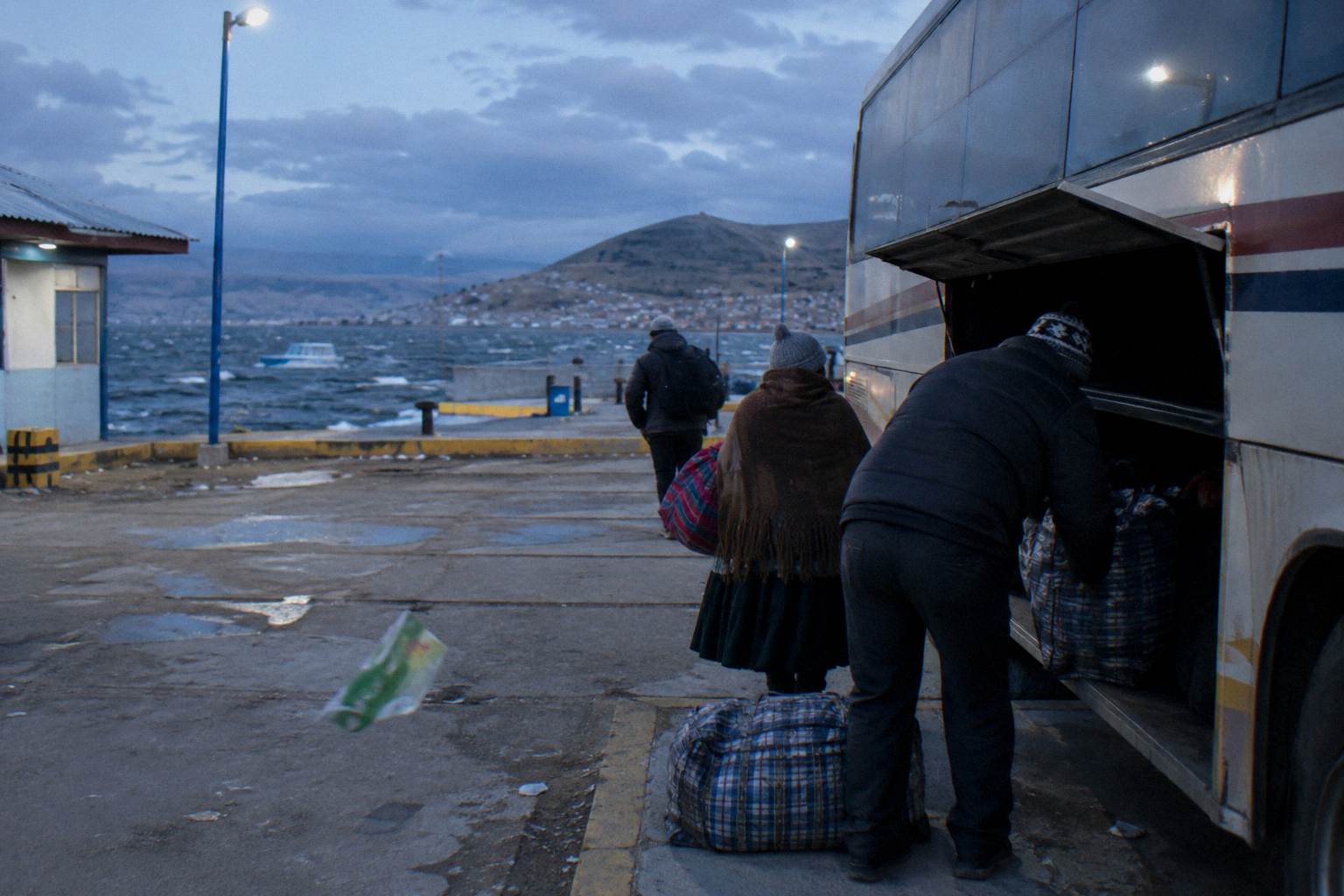
Altitude belongs in the class plan on this corridor, because the deepest recline does not soften a headache. Puno sits at about 3,848 m per INEI and Cusco at about 3,400 m, while Arequipa is 2,429 m and Lima 162 m. The altitude and bus travel guide covers acclimatisation sequencing in detail; the class-relevant point is that the sleeper arrives in Puno, the highest of these cities, which argues for a first night at a lower stage for riders sensitive to altitude.
| Stage | Free-flow drive estimate | What the estimate excludes | Where recline pays |
|---|---|---|---|
| Lima to Paracas | 251 km, 3.5 h | Stops, traffic, boarding | Little: daytime length |
| Lima to Arequipa | 1,002 km, 14.3 h | Stops, traffic, boarding | Fully: deepest tier |
| Arequipa to Puno | 273 km, 5.5 h | Stops, traffic, boarding | On the night service |
| Arequipa to Cusco | 487 km, 9.4 h | Stops, traffic, boarding | Fully: long mountain day |
| Puno to Cusco | 387 km, 6.2 h | Stops, traffic, boarding | Daytime: comfort, not sleep |
| Cusco to Hidroelectrica | 212 km, 5.1 h | Stops, traffic, boarding | Optional: tourist bus serves it |
A final word on where the words stop helping. Cama and semi-cama are vocabulary, and every operator defines its own vocabulary on its own site. The degrees printed here are the operators' own numbers, the luggage figures are their own terms, and the regulation floor is the same under every ticket. A reader who checks the operator's class page for the exact service, the SUTRAN map for the road, and the advisory wording for the clock has done everything a class comparison can do, and the rest is the seat.
Common Questions About Peru Bus Seat Classes
What Does Cama Mean On A Peru Bus?
Cama means bed in Spanish and signals the operator's deepest reclining tier, with 180 degrees meaning a flat or near-flat lie. It is not a regulated standard: Cruz del Sur, Linea and Movil Bus each define their own top class on their own pages, so the recline degrees printed for the specific class matter more than the word.
What Is The Difference Between Semi-Cama And Cama?
Semi-cama is the standard coach seat, denser and narrower, with published recline between about 120 and 160 degrees depending on the operator; cama tiers reach 160 to 180. Because Linea's VIP at 160 degrees and Civa's first-level SuperCiva at 160 degrees sit in semi-cama territory at other companies, comparing published degrees beats comparing words.
Which Peru Bus Operator Has 180 Degree Seats?
Cruz del Sur lists 180 degree reclining seats on its comfort page, Linea lists its Super VIP at 180 degrees, and Movil Bus lists Premier at 180 full flat on the second level. Oltursa states no recline degrees for either of its classes, so no figure can be attached to its bus cama VIP tier.
Is A 160 Degree Bus Seat Worth It?
On a long stage it can be. The free-flow drive estimate for Arequipa to Cusco is 9.4 hours and Lima to Arequipa 14.3, and real journeys exceed those figures, so the recline has many hours to pay for. On a short stage like Paracas to Huacachina at a 1.3 hour estimate, the difference matters far less.
Do Seat Classes Include Luggage?
Luggage is set by operator, not by class. Cruz del Sur states 20 kg hold plus 6 kg hand, Oltursa 20 kg plus 5 kg, Movil Bus 20 kg plus 8 kg, and Linea 20 kg. The regulation separately entitles passengers to 20 kg free on national service, and SUTRAN advises getting a luggage ticket for hold bags.
Does A Better Seat Class Make Night Buses Safer?
No. Class buys comfort, not a different safety regime: belts, GPS monitoring and driver-hours rules apply to every interprovincial ticket. The FCDO states "Bus crashes are common, especially at night" and advises avoiding overnight travel where possible, and Canada's advice says "Avoid taking buses and coaches at night", regardless of seat.