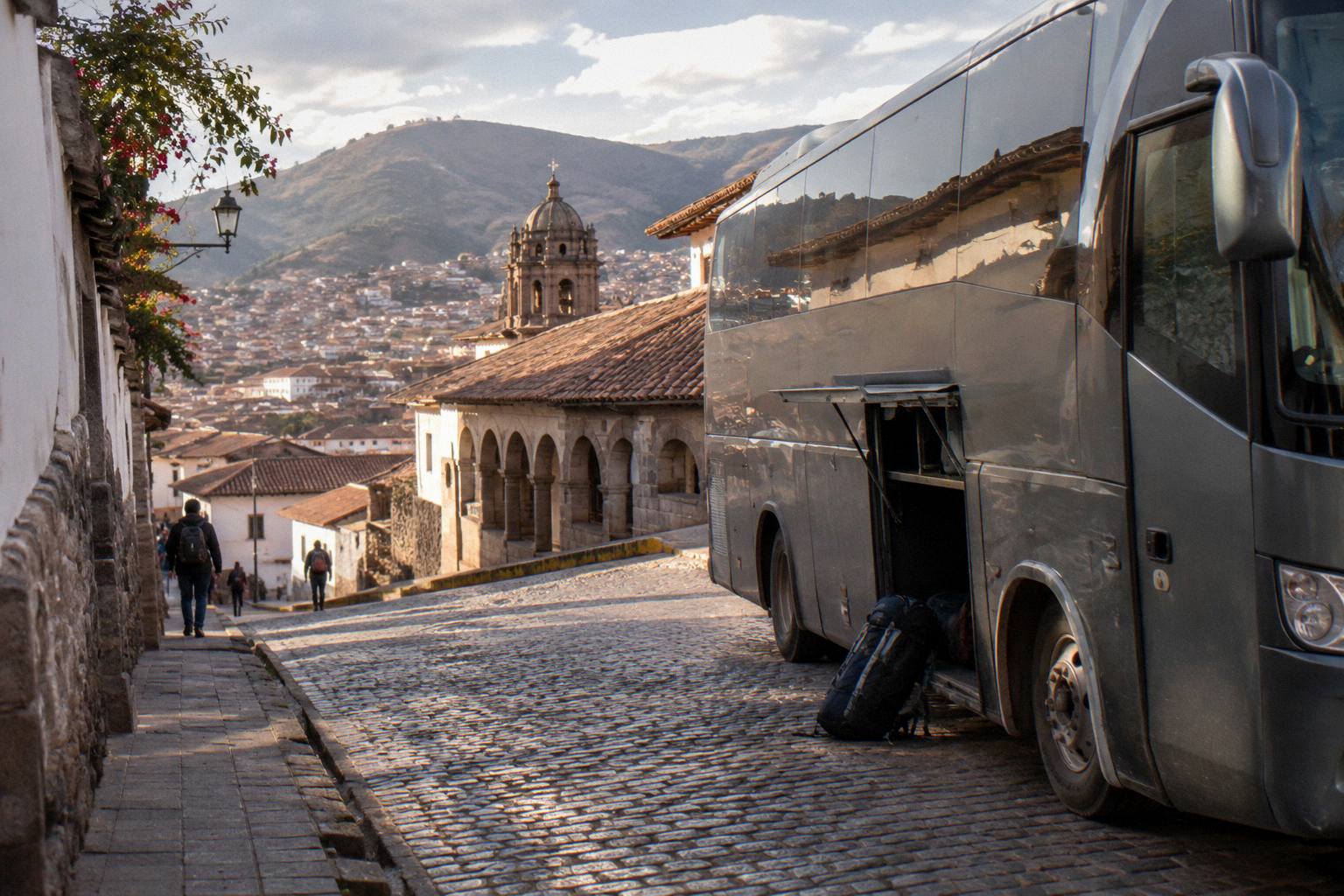
Cruz Del Sur Bus Peru: Classes, Routes And What To Expect
Cruz del Sur is one of the names a Peru bus search surfaces first. This guide sets out what the operator itself lists, from seat recline degrees and luggage to terminals and boarding controls, and where a tourist bus fits the same routes.
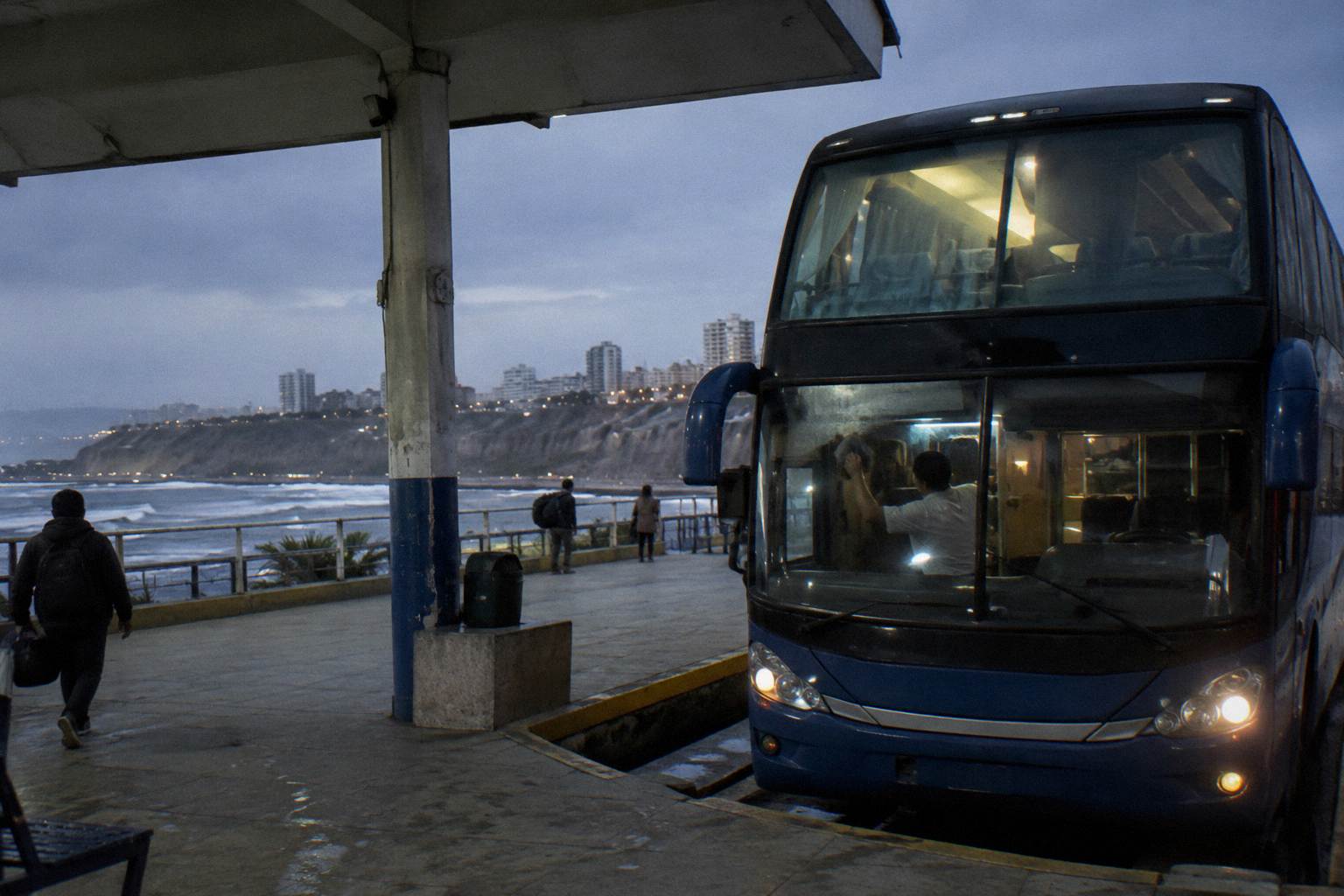
Short answer
Cruz del Sur is a long-running Peruvian interprovincial operator whose own pages list 180 degree reclining seats on its main service, a 160 degree Suite seat on Lima to Cusco, 20 kg hold plus 6 kg hand luggage, GPS monitoring, and a pilot change every 4 hours. Fares are variable, so check the operator's own booking page for the date.
Cruz del Sur shows up in almost every Peru bus search, and its own site publishes more detail than most Peruvian operators: seat recline degrees by class, hold and hand luggage allowances, boarding controls and terminal addresses. That transparency is useful, because a lot of what circulates about Peruvian buses is secondhand. This guide reports what the operator states on its own pages, adds the official rules that apply to every interprovincial carrier in the country, and marks where a tourist bus on a shared route is a different kind of product rather than a cheaper or dearer version of the same one.
Nothing here is a fare. Cruz del Sur states its tariffs vary by date, so every price question points back to the operator's booking page. What can be pinned down is the shape of the product: which classes exist, how far the seats recline, where the buses leave from, and what the rules say about luggage, ticket changes and driver hours.
What Is Cruz Del Sur And Where Does It Go?
Cruz del Sur is a Peruvian interprovincial bus operator running a national network out of Lima along the Pan-American Highway and into the southern highlands. Its listed destinations include Cusco, Arequipa, Puno, Ica, Nazca, Huaraz, Trujillo, Chiclayo, Piura and Tacna, and on the Lima to Cusco corridor it lists 7 daily departures, with online sales open until 1 hour before departure.
The distances involved explain why the network looks the way it does. Peru is long and mountainous, and a southern circuit by bus strings together several hundred kilometres of coast before climbing into the sierra. The free-flow drive estimates below come from a public routing engine measuring the road distance with no traffic, no stops and no mountain pace: a real bus journey takes longer than every figure shown, and none of these is a timetable time.
| Pair | Distance | Free-flow drive estimate |
|---|---|---|
| Lima to Paracas | 251 km | 3.5 h |
| Lima to Ica | 297 km | 4.3 h |
| Ica to Nazca | 142 km | 2.4 h |
| Nazca to Arequipa | 566 km | 7.8 h |
| Lima to Arequipa | 1,002 km | 14.3 h |
| Arequipa to Puno | 273 km | 5.5 h |
| Puno to Cusco | 387 km | 6.2 h |
Read those numbers as floors, not plans. Lima to Arequipa at a free-flow 14.3 hours is a two-meal journey in practice, and the Lima to Cusco corridor is timetabled at 20 hours or more because the routing assumption behind the 1,103 km figure runs through Abancay and Nazca on mountain road. The operator's Lima to Cusco route page is where the actual departure count and booking window for that corridor are stated.
A passenger on this network is riding under Peru's national transit regulation, not under operator goodwill alone. Interprovincial buses carry mandatory GPS monitoring that transmits to the transport authority, and SUTRAN, the national transport regulator, states that the 90 km/h ceiling for interprovincial buses applies on roads without any other speed signage, which is a narrower rule than many riders assume. The SUTRAN speed notice sets that out directly. For a fuller picture of how the system works, the how Peru bus travel works guide walks through terminals, tickets and boarding as one process.
Which Bus Classes Does Cruz Del Sur Offer?
Cruz del Sur offers a main service with 180-degree reclining seats, a Suite seat at 160 degrees on Lima to Cusco, Evolution seats at 160 and 140 degrees on a two-floor bus, and an Ica Express class at 140 degrees on a single floor, with all class names and recline figures taken from the operator's own published claims.
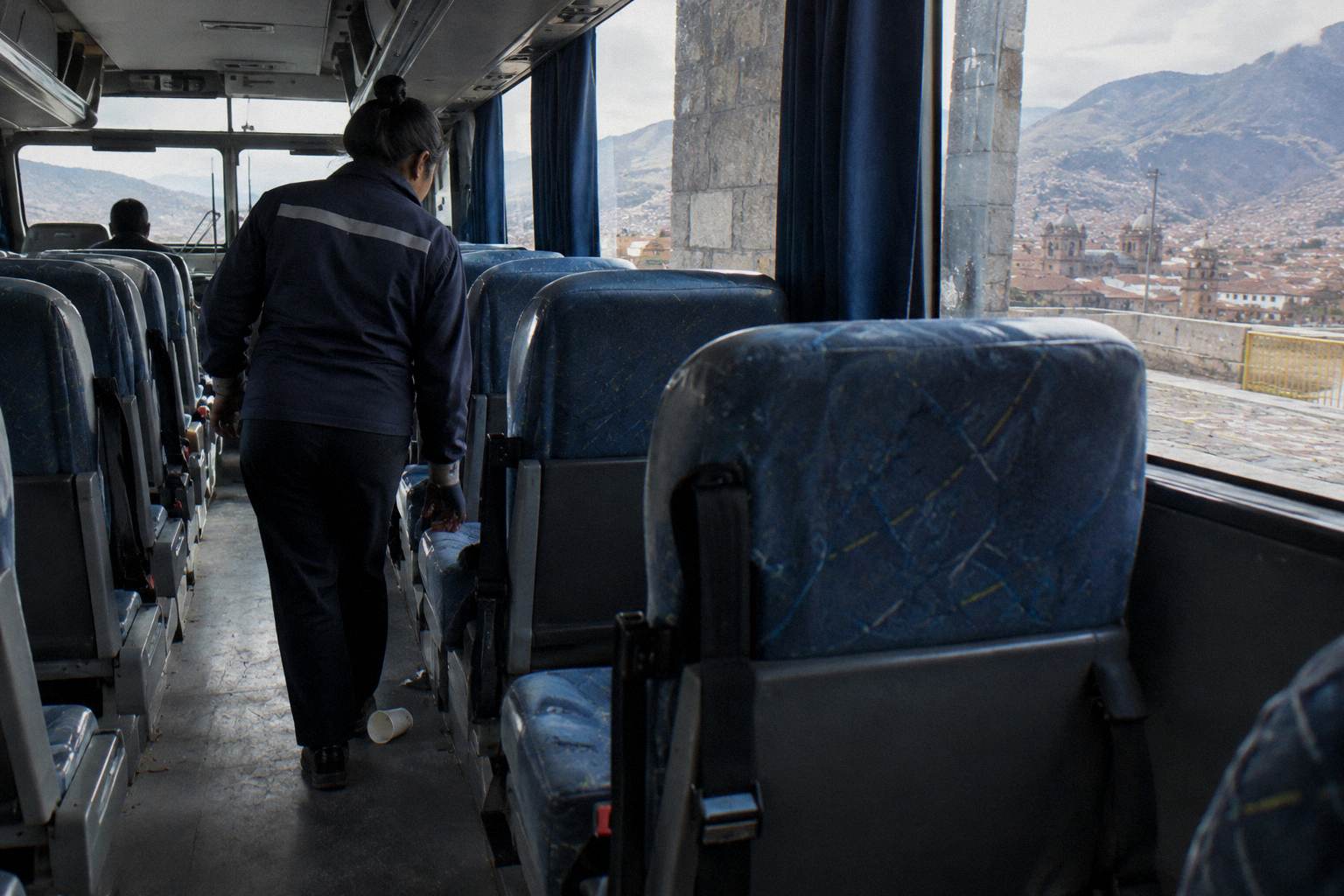
The class ladder matters more on a Peruvian bus than on a European one, because the journeys are long and the difference between a 140 and a 180 degree seat is the difference between sleeping badly and sleeping. The Peru bus classes, cama and semi cama guide explains the vocabulary across the whole market; the short version is that "cama" means bed-like recline and "semi cama" means less, and that an operator's own degree figures are the only ones worth comparing, since class names are not standardised between companies.
| Class or seat (Cruz del Sur lists) | Recline, as the operator states | Where stated |
|---|---|---|
| Main reclining service | 180 degrees | Comfort page |
| Suite (Lima to Cusco) | 160 degrees | Lima to Cusco route page |
| Evolution | 160 degrees and 140 degrees, two floors | Marketing page |
| Cruzero Suite | 160 degrees | Marketing page |
| Ica Express | 140 degrees, single floor | Marketing page |
Two cautions on that table. One class on the operator's marketing pages gives contradictory floor and recline descriptions between two of its own pages, so no figure for it is printed here: where an operator disagrees with itself, a traveller should read the seat map at booking rather than a summary. And the comfort page's onboard list, which includes an air purifier and video recording of passengers at boarding, is marketing copy for the operator's own operation, though the boarding controls it describes, a DNI identity check and a metal detector, are concrete procedures rather than mood.
The safety page is also where the operator states a pilot change every 4 hours, permanent medical checks and alcohol testing for drivers. That claim lines up with the national rule that continuous driving is capped at 5 hours by day and 4 at night, with a second driver required beyond that, so the operator's schedule sits inside the regulation rather than exceeding it. How this operator stacks up against its main rivals on paper is covered in the Oltursa, Civa and Movil Bus compared guide.
On some of the same corridors, tourist buses run as a different product: fewer seats, stops at viewpoints and a host, rather than a scheduled interprovincial service. Three of them cover the southern routes this guide's readers weigh most.
The Puno to Cusco tourist bus with a lunch stop, rated 4.6 across 24 reviews, is the clearest overlap with the Cruz del Sur corridor: it runs the same 387 km stretch between the two cities, and its listing gives 11 hours for the journey with a lunch stop built in, against a scheduled service's point-to-point run. Its price sits on the live listing rather than in a stable figure, and it carries free cancellation up to 24 hours before for a full refund as listed.
Where Do Cruz Del Sur Buses Leave From?
Cruz del Sur boards at its own terminals and counters, and its pages list street addresses per city: Terminal Javier Prado at Av. Javier Prado Este 1109 in La Victoria, Lima; the Cusco arrival terminal at Av. Vallecito 538; the Arequipa Terrapuerto at Av. Arturo Ibanez S/N, Pab. B, Local 23-27; and further terminals in Puno, Ica, Nazca, Huaraz, Trujillo, Chiclayo, Piura and Tacna. Address pages differ by company, and no city has one single main terminal.
That last point is the one travellers miss. Lima alone has several long-distance terminals run by different companies in different districts, and a ticket bought for one operator is a ticket for that operator's address, not for the city in general. The Peru bus terminals by city guide maps the whole picture; the Cruz del Sur rows, straight from the operator's own pages, are these:
| City | Cruz del Sur address (as the operator lists) |
|---|---|
| Lima | Av. Javier Prado Este 1109, Urb. Sta. Catalina, La Victoria |
| Cusco (arrival) | Terminal Terrestre Cusco, Av. Vallecito 538 |
| Arequipa | Terrapuerto, Av. Arturo Ibanez S/N, Pab. B, Local 23-27 |
| Puno | Jr. 1 de Mayo 703-705, Barrio Cesar Vallejo |
| Ica | Cal. Fray Ramon Rojas 189, Urb. San Miguel |
| Nazca | Esquina Lima y San Martin s/n |
| Huaraz | Jr. Teresa Gonzales de Faning 457 |
| Trujillo | Av. Amazonas 437 |
| Chiclayo | Av. Bolognesi 888 |
Boarding itself is regulated. Regular carriers must use terminals at origin, destination and stops, the public road may not be used as a terminal, and passengers board and alight inside the terminal area at authorised points with the bus stopped. In practice that means a Cruz del Sur departure is a terminal experience: identity check, metal detector, hold luggage tagged, then boarding from a platform. The comfort page also lists a VIP lounge at the Javier Prado terminal in Lima.
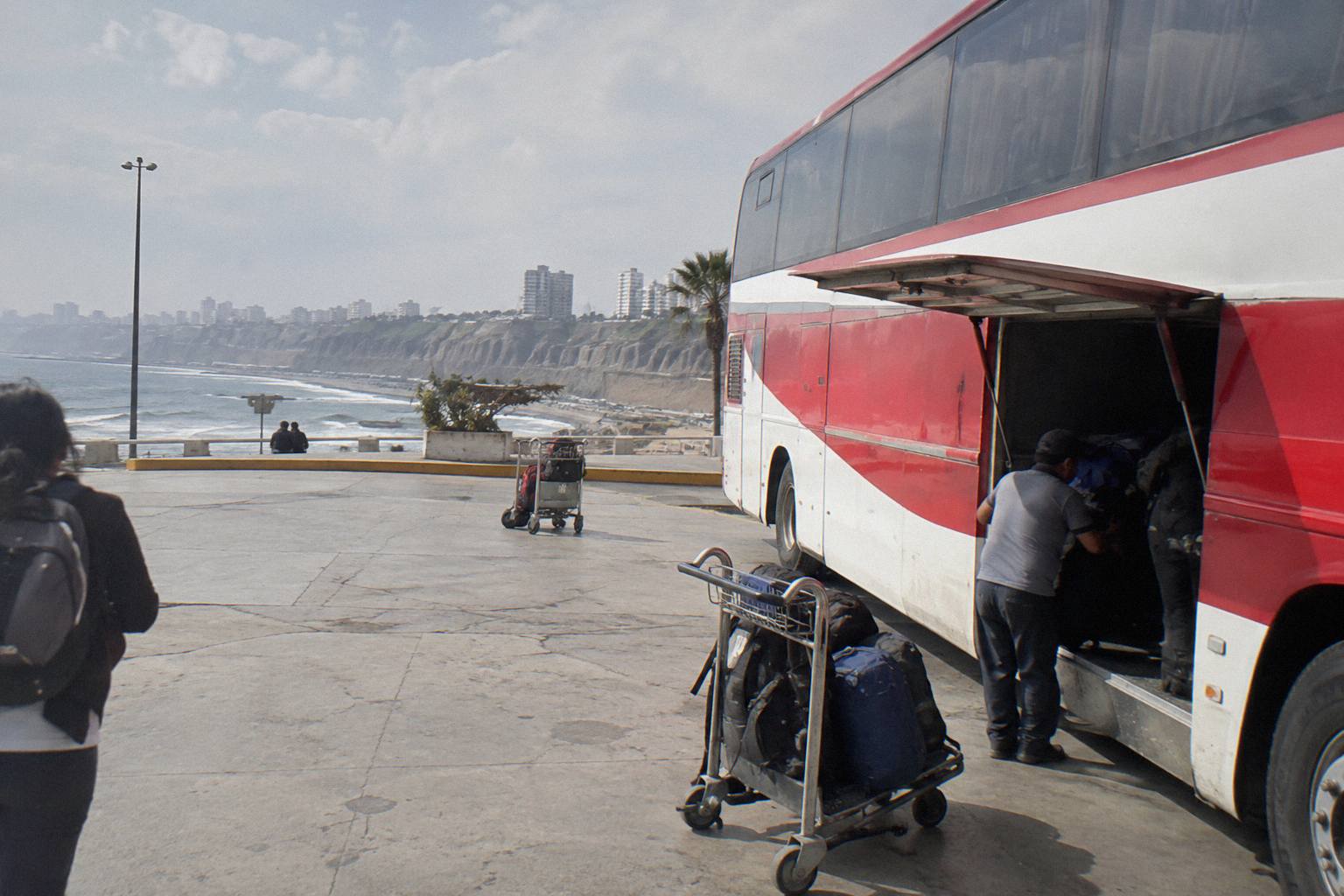
The other side of terminals is what happens outside them. The UK FCDO states: "There is a risk of robbery by criminals posing as taxi drivers, especially at Jorge Chavez International Airport and bus terminals", and advises travellers to "use one of the taxis registered at bus terminals". The FCDO safety and security page carries that advice verbatim, and it applies to the pavement outside Javier Prado as much as anywhere.
How Much Luggage Can You Bring On A Cruz Del Sur Bus?
Cruz del Sur allows 20 kg of hold luggage plus 6 kg of hand luggage on its Lima to Cusco service, matching Peru's national rule that entitles each passenger on national routes to 20 kg free. Because hand-luggage liability rules are not clearly published, keep valuables in a small day bag with you at your seat rather than in the hold.
The 20 kg figure is not an operator promotion, it is the regulatory floor for national service, and the operators that publish their own numbers cluster on it: Cruz del Sur at 20 kg hold plus 6 kg hand, Oltursa at 20 kg hold plus one hand piece up to 5 kg, Movil Bus at 20 kg hold plus 8 kg hand. A carrier is liable for hold luggage lost or damaged through its fault, with a minimum compensation set by weight band as a percentage of the fare, and SUTRAN advises passengers to get a luggage ticket for each hold item, which is advice rather than a written legal requirement.
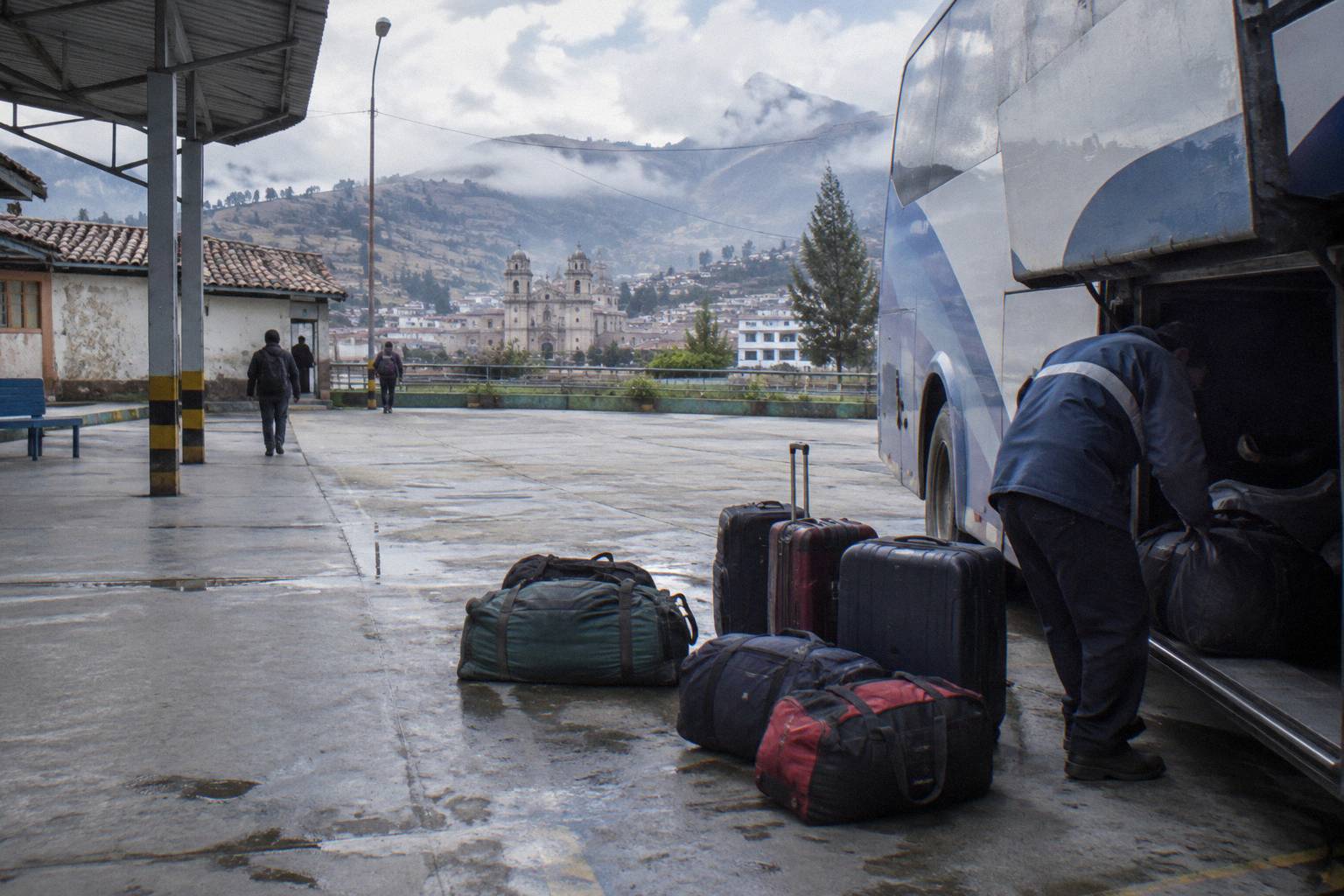
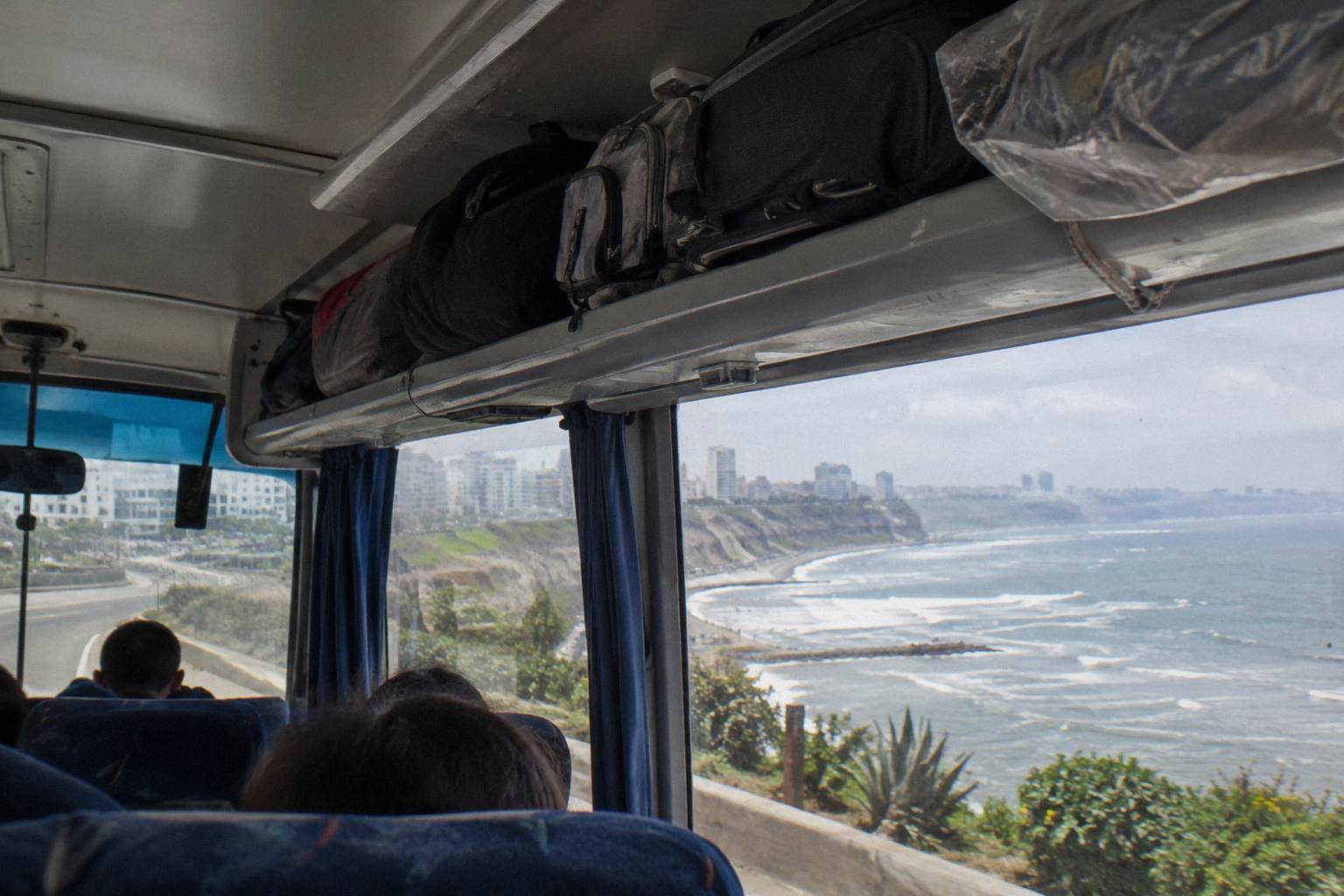
Regulation also requires luggage to travel in the hold and the overhead racks, never in the aisle or blocking exits, and caps the bus at its manufacturer's seat count with everyone seated. The fuller picture, including how theft on buses is addressed and what the advisories say about sleeping passengers, is in the Peru bus luggage and theft guide.
What Safety Measures Does Cruz Del Sur List?
Cruz del Sur's own comfort and safety pages list a pilot change every 4 hours, permanent medical checks and alcohol testing for drivers, DNI control and a metal detector at boarding, video recording of passengers, GPS satellite monitoring, seat belts, and an onboard toilet, with Wi-Fi and crew listed as a courtesy service; the operator presents these as claims about its own operation.
The boarding procedures deserve their own sentence, because they are unusual for travellers arriving from countries where a long-distance bus is a walk-on affair. At a Cruz del Sur terminal, the operator states, a passenger's identity document is checked against the ticket, bags pass a metal detector, passengers are video recorded, and hold luggage is tagged. It adds minutes to departure and it is the most visible layer of a system that also includes the regulatory GPS feed, speed limiters that prevent a bus exceeding 110 km/h as a device setting, and driver-hour limits. Other pages covering the same trip are gathered on Peru By Bus.
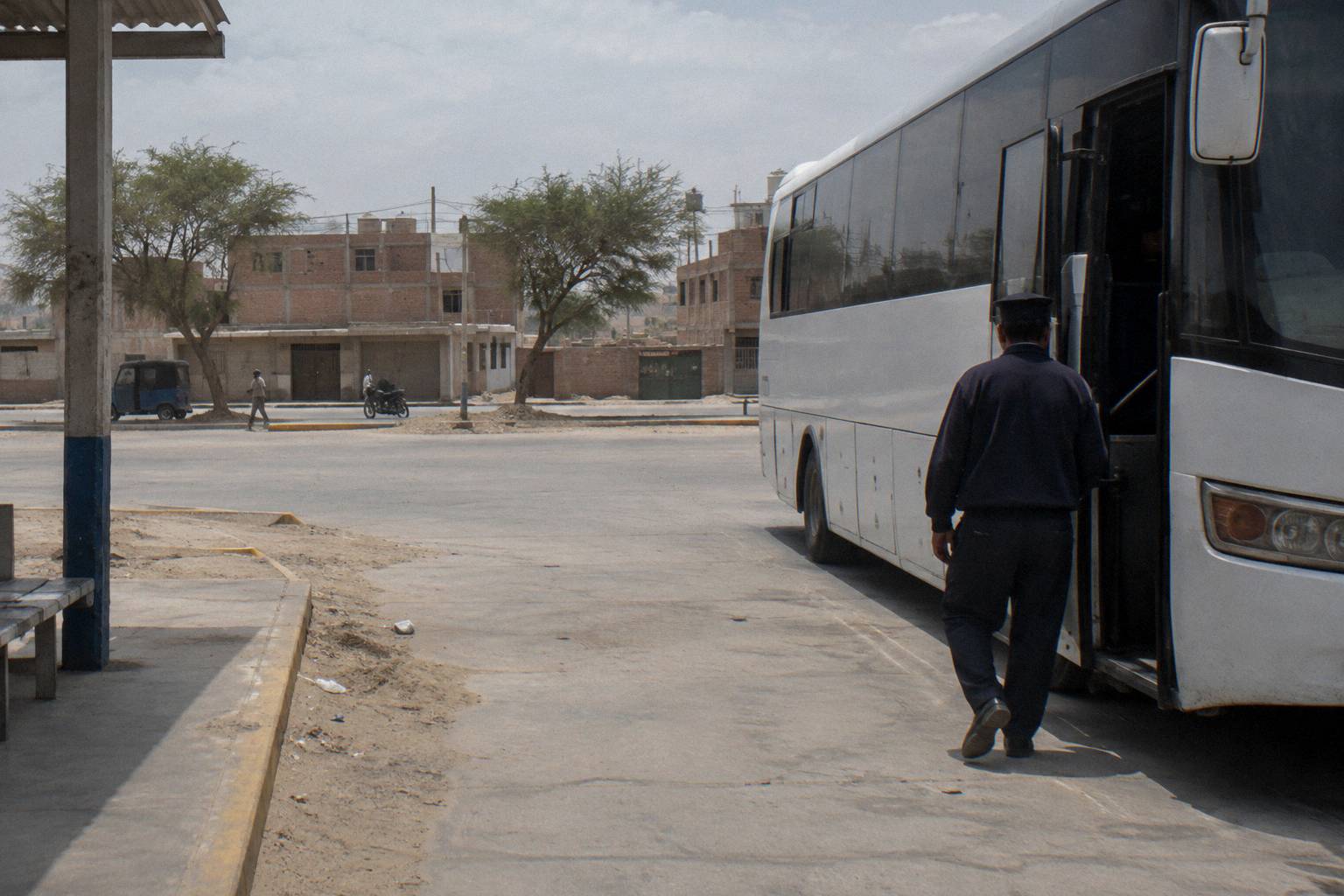
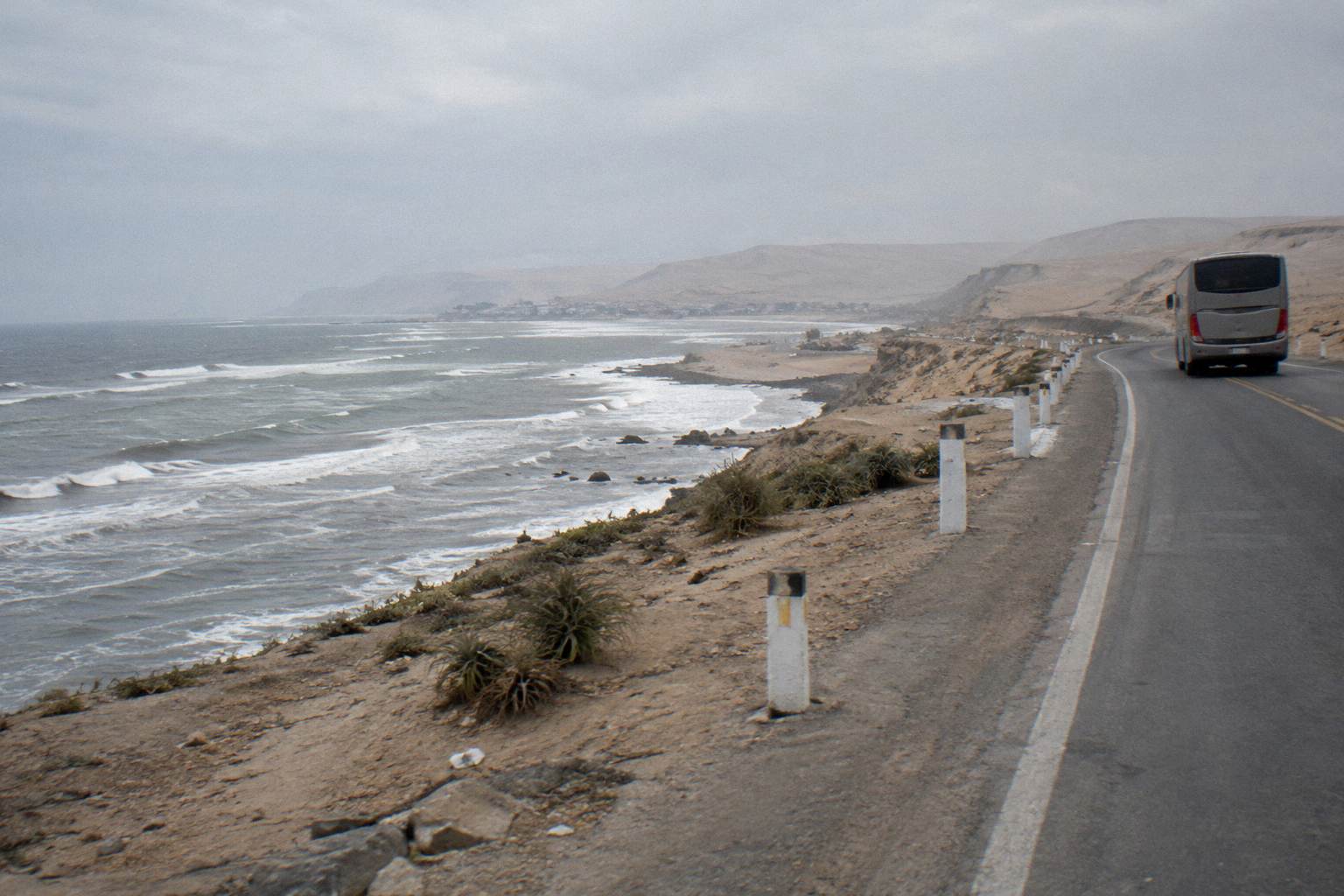
What no operator page can promise is the road. The FCDO states plainly: "Bus crashes are common, especially at night. Only use reputable transport companies, and where possible, avoid overnight travel, especially in mountainous and remote regions." Smartraveller adds that "robberies and assaults occur frequently on intercity buses, including while passengers are sleeping", and Canada's advisory says to "avoid taking buses and coaches at night". Those advisories are quoted, not paraphrased, because the decision they describe is the reader's. The US Embassy's republication of the State Department advisory notes that US government employees "may travel at night with commercial bus companies along the Pan-American Highway, to Huaraz, and on the Lima-Arequipa-Cusco corridor", which is a specific corridor statement rather than a general one. The Peru bus safety and overnight bus in Peru guides take those decisions apart in more detail.
How Do Booking, Changes And Complaints Work?
Book online with Cruz del Sur up to 1 hour before departure on Lima to Cusco. Every domestic bus ticket in Peru follows the same rules: with at least 24 hours' notice you can postpone or transfer a ticket at only the real reissue cost, a delay or non-compliance entitles you to information plus rebooking or a refund, and complaints go to the carrier's complaint book first, with 15 working days to answer, then to INDECOPI.
The 24-hour rule is the one worth memorising, because it applies regardless of what a checkout page implies. It does not set a voluntary-cancellation refund, and non-refundable products exist on tourist-bus listings too: the Lima to Huaraz bus ticket, a separate operator's product, states on its listing that it is non-refundable and cannot be changed, and asks for passport numbers and full names to print tickets. The rule covers postponement and transfer, and the reissue cost is the only charge allowed.
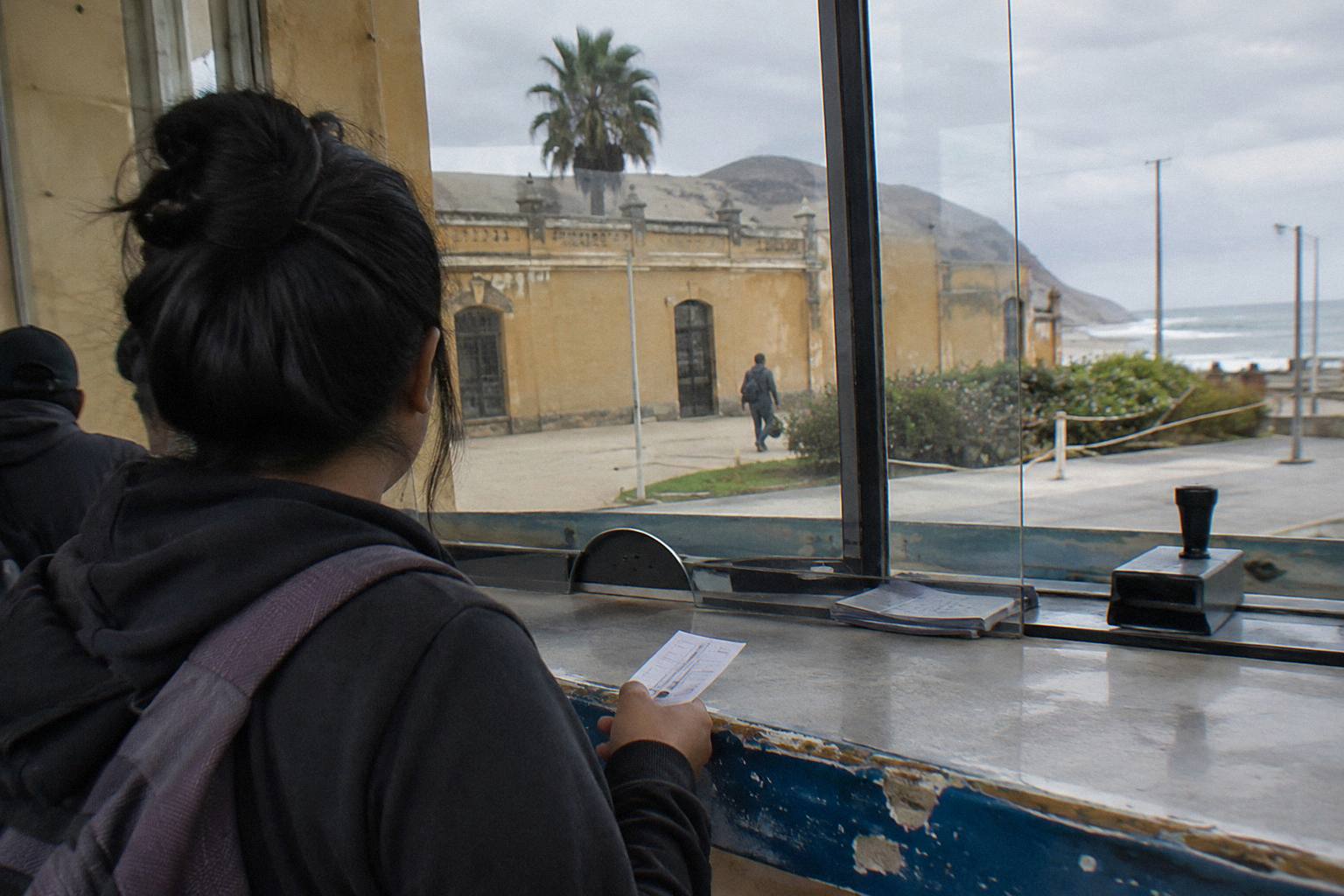
Disruption is the other booking reality. Strikes and roadblocks appear with little notice, and the FCDO warns that political protests "can escalate quickly and lead to roadblocks, travel disruption, including trains, and suspension of immigration services at land borders", advising travellers not to attempt to pass blockades. SUTRAN's live alert map shows roads closed in red, restricted in yellow and open in green, and the SUTRAN alert map is the page to open the day before any long journey. The Peru bus delays, strikes and rainy season guide covers the whole pattern.
Before travel, a passenger can also verify the vehicle and driver: SUTRAN's public lookup by plate or driver document number shows whether a specific bus and driver have their paperwork in order. It is a two-minute check that turns a company's marketing claim into a record.
When Does A Tourist Bus Beat A Scheduled Seat?
A tourist bus beats a scheduled seat when the ride itself is part of the trip: the Puno to Cusco route packs a lunch stop into 11 hours, the Arequipa to Puno sleeper crosses overnight in 7 hours with a 160 degree recline, and the Lima to Paracas service picks up in Miraflores and drops you at El Chaco in 3 hours, all with free cancellation up to 24 hours before.
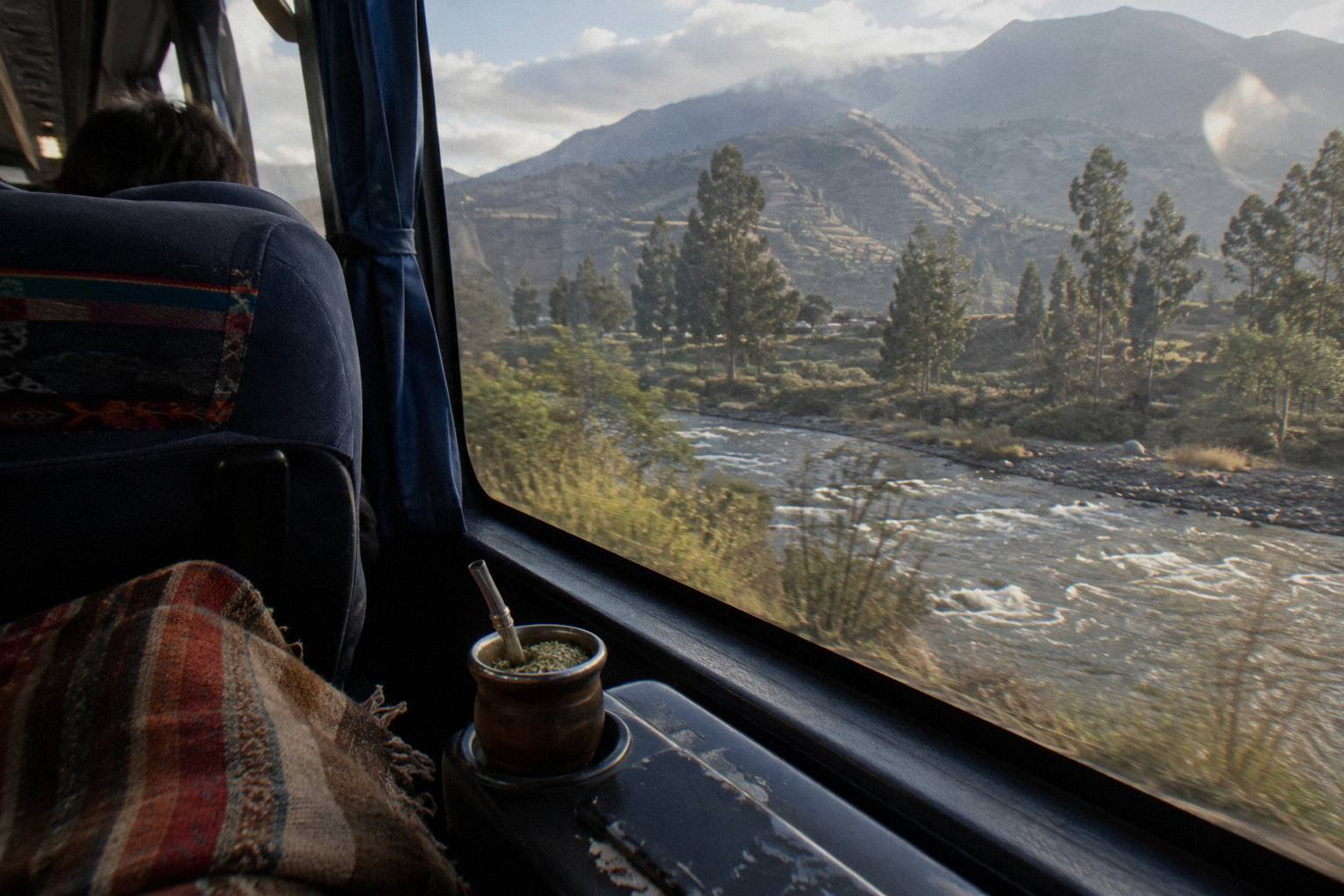
On the Puno to Cusco leg, the comparison is direct. The Puno to Cusco tourist bus with a lunch stop, operated by Turismo Mer and rated 4.6 across 24 reviews, runs the same 387 km road with a stop for an all-you-can-eat lunch, dropping at the operator's own private terminal in Cusco, and check availability shows the current price and dates on the live listing. A scheduled seat on the same road trades the lunch and the host for a timetable built around connections.
South of Cusco, the Arequipa to Puno corridor has a sleeper option in the same family of products: the Turismo Mer sleeper bus from Arequipa to Puno, rated 4.3 across 20 reviews, lists a 160 degree recline, a night service over the 273 km road in 7 hours as the listing gives it, and a terminal boarding fee that is not included, so check the boarding fee line on the listing. It ends in Puno, at about 3,848 m on the INEI altitude table, which makes the sleep the point of the product.
On the coast, the overlap is with the Lima to Paracas leg. The Wayki Bus Peru one-way tourist bus from Miraflores in Lima to Paracas, rated 4.2 across 62 reviews, picks up in Miraflores and Barranco, gives 3 hours for the run, and drops at El Chaco in Paracas, all with free cancellation up to 24 hours before as listed. A second booking page by another operator covers the same leg with hotel pickup in Miraflores and Barranco from US$18 per person on its own basis; the two are separate listings, not versions of one product. Against a scheduled departure from Javier Prado, the trade is hotel-district pickup and a tourist-bus cabin for a terminal start.
None of those tourist buses is a Cruz del Sur ticket, and no ticket on this site is. The comparison that matters is the shape of the day: terminal to terminal on a timetable, or door district to drop-off point with stops woven in. Readers building a whole southern loop can take that trade route by route in the southern Peru bus circuit guide.
What Should You Check Before Riding?
Before any Cruz del Sur trip, run four checks: the operator's booking page for your fare and seat map on the exact date, SUTRAN's alert map for the road's status the day before you travel, SUTRAN's plate lookup for the bus and driver, and the terminal address for your departure point. Also follow the FCDO's terminal taxi advice at both ends, and keep your passport at your seat rather than in the hold, as the FCDO advises on bus journeys.
The seat map deserves the last word. Recline degrees, luggage allowances and boarding controls are published, comparable facts, but the class names shift between operators and the fare moves with the date. A reader who checks the live seat map at booking, the road status the day before, and the terminal address on the ticket has done everything that can be done in advance; the rest is the road. For the wider map of operators, prices by route and the flight comparison, the how to get around Peru by bus overview gathers the whole system in one place.
Common Questions About Cruz Del Sur Buses
How Far Do Cruz Del Sur Seats Recline?
The operator lists 180 degrees on its main reclining service, 160 degrees for the Suite seat on Lima to Cusco, 160 and 140 degrees for Evolution, 160 degrees for Cruzero Suite and 140 degrees for Ica Express. Figures are the operator's own published claims; check the seat map at booking for the specific bus.
How Much Luggage Can I Bring On A Cruz Del Sur Bus?
Cruz del Sur lists 20 kg of hold luggage plus 6 kg of hand luggage. The 20 kg hold figure matches the national baseline for bus service, and hold bags should be tagged with a luggage ticket, which SUTRAN advises for all carriers.
Which Terminal Does Cruz Del Sur Use In Lima?
Terminal Javier Prado, Av. Javier Prado Este 1109, Urb. Sta. Catalina, La Victoria, with a VIP lounge listed on the operator's comfort page. The address is the operator's own listing; other companies use different terminals in other districts.
Can I Change Or Postpone A Cruz Del Sur Ticket?
Peru's consumer rules let a domestic bus ticket be postponed or transferred with at least 24 hours' notice at only the real reissue cost, and a carrier delay gives the right to rebooking or a refund. Cruz del Sur lists online sales until 1 hour before departure on Lima to Cusco.
Is Wi-Fi Included On Cruz Del Sur Buses?
The operator's comfort page lists Wi-Fi and onboard crew as a courtesy service, alongside a toilet, seat belts and GPS satellite monitoring. A courtesy listing is not a service guarantee, so plan offline navigation for mountain stretches.
How Does Cruz Del Sur Compare With A Tourist Bus?
A scheduled Cruz del Sur service sells a terminal-to-terminal seat on a timetable, while a tourist bus such as the Puno to Cusco service with a lunch stop, rated 4.6 across 24 reviews, sells the corridor as a day with stops and a host. Same roads, different products; the choice depends on whether the stops or the schedule matter more.