
Tacna To Arica By Bus And Colectivo: The Peru Chile Border
The Peru to Chile crossing at Tacna and Arica is the southern land gate out of Peru. Here is how the bus and colectivo options work, what happens at the two border posts, and what the official advice says.
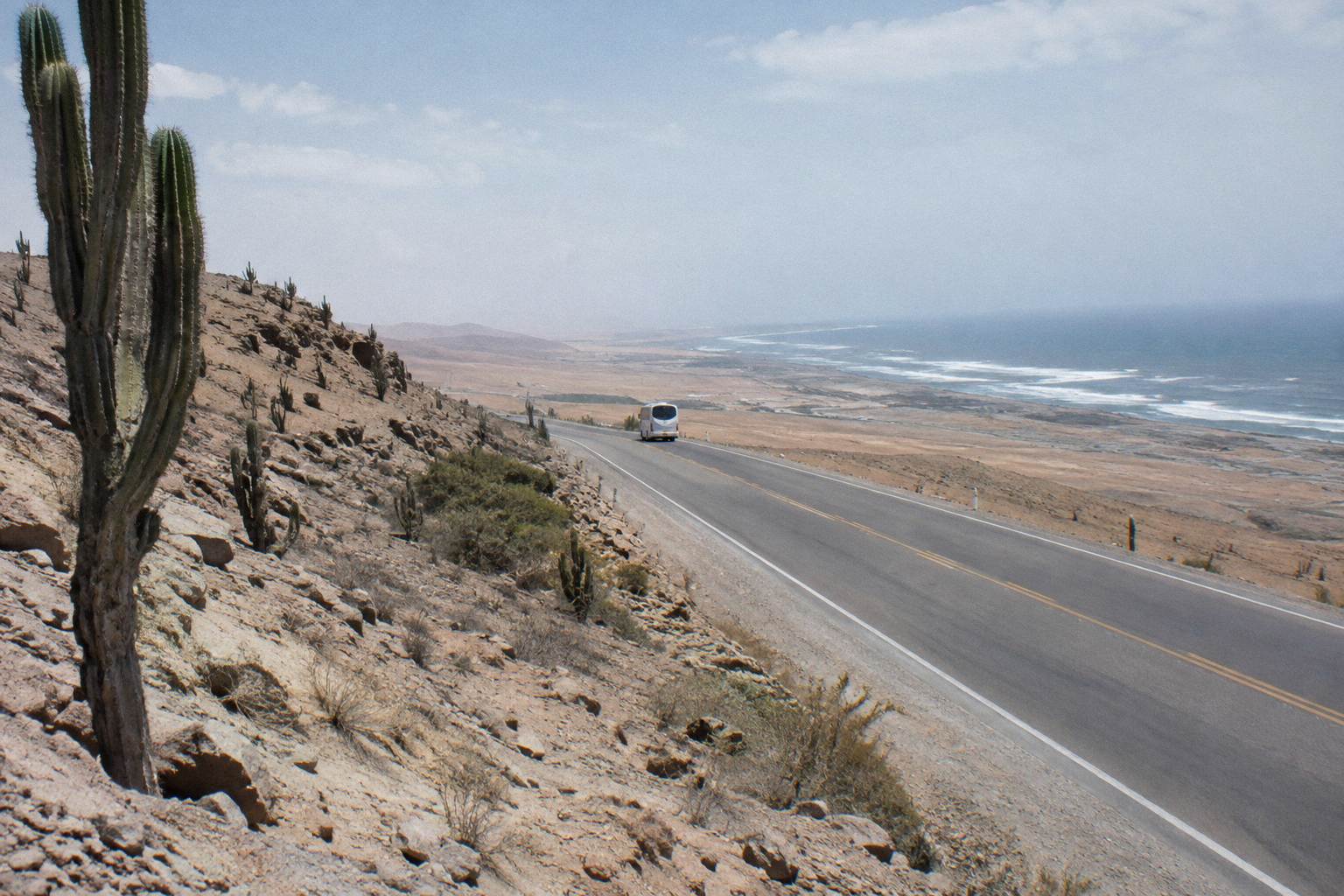
Short answer
The crossing runs from Tacna in Peru, at 583 m altitude, to Arica in Chile, about 57 km apart, a free-flow drive estimate of 0.9 h that excludes any border wait. Santa Rosa on the Peruvian side lists 24 hours per Migraciones, and Chile's Chacalluta complex lists 24 hours for light vehicles. Colectivo and bus fares, times and rules are not published officially: check the operator's page.
The Peru Chile land crossing is the busiest southern gate out of Peru, and it works differently from the northern borders. Tacna sits at 583 m on the coastal desert, about 57 km from Arica, and the whole crossing turns on two border posts: Santa Rosa on the Peruvian side and Chacalluta on the Chilean side. Peru's Migraciones lists Santa Rosa as operating 24 hours, and Chile's official border status service lists the Chacalluta complex at 24 hours for light vehicles. Everything else, the fares, the departure hours and the colectivo rules, lives with individual operators and is not published as an official schedule, so this page sticks to what the official sources state and flags the rest.
Peru Hop does not serve this route, so everything here is about regular interprovincial carriers and the cross-border colectivos that queue at the posts. For background on how interprovincial buses work in Peru generally, the how Peru bus travel works guide covers tickets, terminals and boarding rules, and the Peru bus safety guide covers the government advice in full. The rest of this page walks the crossing in order: the route and posts, the terminal in Tacna, the bus versus colectivo choice, timing, the return leg, safety, and the feeder routes from Arequipa and Cusco.
| Crossing fact | Value |
|---|---|
| Route | Tacna, Peru to Arica, Chile |
| Distance | About 57 km |
| Free-flow drive estimate | About 0.9 h, excludes any border wait |
| Peru exit post | Santa Rosa, listed 24 hours by Migraciones |
| Chile entry post | Chacalluta, listed 24 hours for light vehicles |
| Tacna altitude | 583 m (INEI) |
| Fares and timetables | Not published officially, check the operator's page |
How Do You Cross From Tacna To Arica By Bus?
The crossing is short but two-step: the bus or colectivo travels about 57 km between the two cities, a free-flow drive estimate of 0.9 h that excludes any border wait, and stops at both Santa Rosa for the Peru exit and Chacalluta for the Chile entry. Peru's Migraciones lists Santa Rosa at 24 hours, and Chile lists Chacalluta at 24 hours for light vehicles. No fare or timetable is published officially.
Interprovincial and international carriers use terminals rather than the public road: Peru's national transit regulation requires regular services to board and alight at authorised terminal points, with the bus stopped. In Tacna that means the Terminal Terrestre Manuel A. Odria, where Cruz del Sur holds modules 16-17 and Oltursa a cabin, both per their own terminal pages. International buses toward Arica load there, and the crossing itself is a short desert run down the Pan-American Highway to the Peruvian post at Santa Rosa, then across the line to Chile's Chacalluta complex, then on into Arica city.
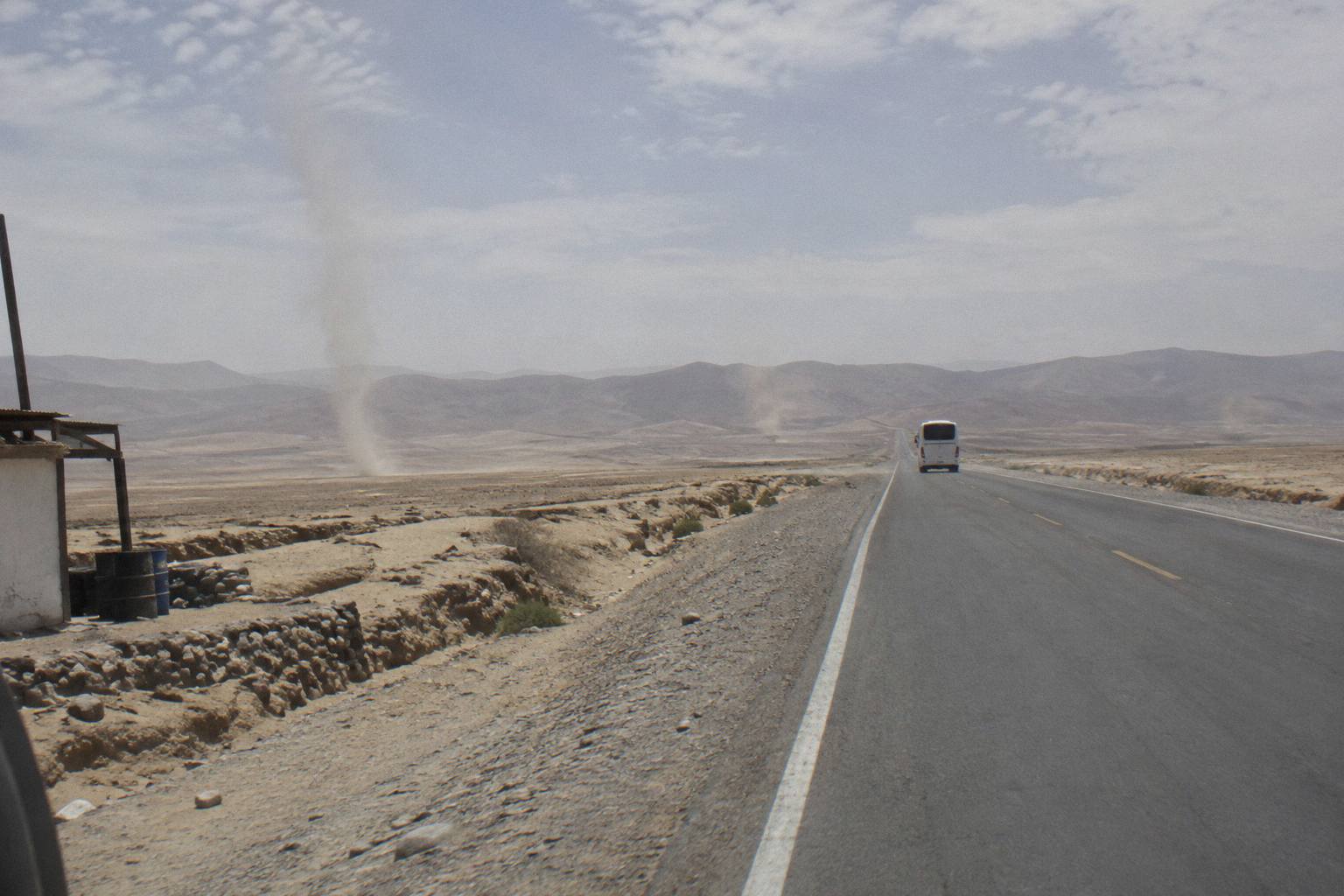
The practical sequence is the same whether you ride a full-size bus or a shared colectivo: leave Peru at Santa Rosa, where your exit is stamped, cross the frontier zone, and enter Chile at Chacalluta, where Chile's Policía Internacional and the agriculture inspection process arrivals. Chile inspects food, plant and animal products at the complex, so declare anything in that category rather than risking a fine. On the Peruvian side, the FCDO advises plainly: "on bus journeys, keep your passport with you", a rule that matters on any international leg where documents are checked away from the vehicle.
Documents for the crossing are the passport, valid for the trip, plus the migration paperwork each post requires. The Tarjeta Andina de Migracion, covered in detail further down this page, is Peru's control document for CAN-country movement. Travelers with connecting tickets onward in Chile should carry printed proof of onward travel, since border officers on entry can ask for it, and having it in hand saves an argument at the window.
| Leg | Distance | Free-flow drive estimate | Notes |
|---|---|---|---|
| Tacna to Arica | about 57 km | about 0.9 h | Excludes any border wait at both posts |
| Arequipa to Tacna | about 402 km | about 6.0 h | Excludes stops; real bus journeys exceed this |
Both figures above are OSRM free-flow drive estimates for the exact pairs named, not timetable times, and real bus journeys exceed them.
Where Does The Bus Leave From In Tacna?
Tacna's interprovincial and international services use the Terminal Terrestre Manuel A. Odria, not the street: Peru's transit regulation requires regular carriers to operate from habilitated terminals, and company pages list their own counters there, Cruz del Sur at modules 16-17 and Oltursa at cabin 7. Colectivo stands are separate and their rules are not published officially, so confirm the boarding point with the operator.
There is no single "main terminal" arrangement to lean on: addresses in Peru are company-specific, and the same terminal building hosts different carriers at different modules. Cruz del Sur's own terminal page lists its Tacna point as Terminal Terrestre Manuel A. Odria, modules 16-17, and Oltursa's page lists the same terminal at cabin 7 with the address Av. Hipolito Unanue s/n. If your ticket names a different operator, read the ticket's boarding point rather than assuming the module layout. The Peru bus terminals by city guide collects the address rows for the rest of the network, including the Arequipa terrapuerto that feeds this corridor.
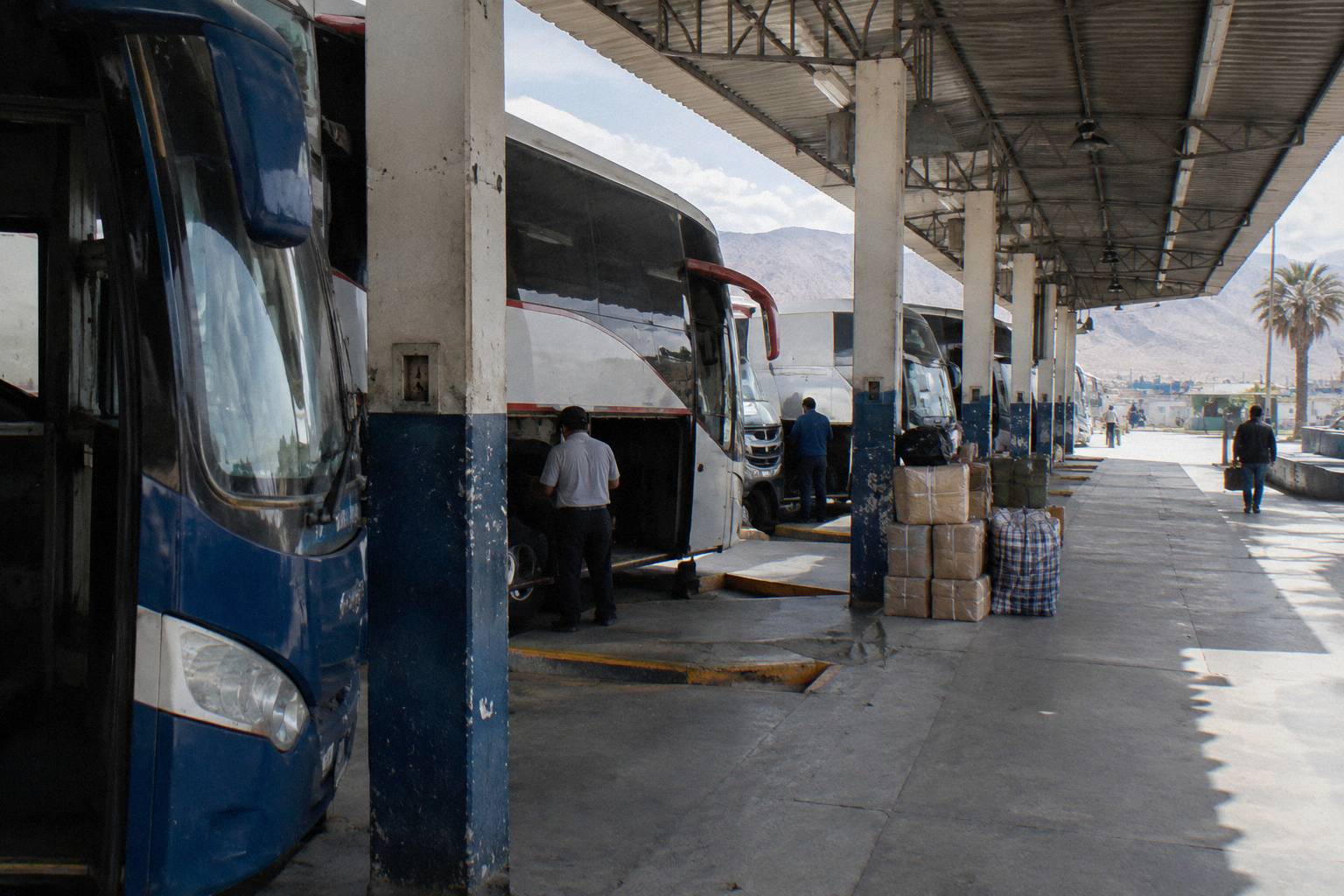
Two government warnings attach directly to terminal time. The FCDO states: "There is a risk of robbery by criminals posing as taxi drivers, especially at Jorge Chavez International Airport and bus terminals", and advises travelers to "use one of the taxis registered at bus terminals". Canada's advice runs the same way: "Remain particularly vigilant at bus terminals and in taxis" and "Only use authorized cabs located inside airport terminals and bus stations". Treat the terminal forecourt as the place to be careful, not the bus itself.
Arriving from the north, most travelers reach Tacna from Arequipa, about 402 km away on a free-flow drive estimate of 6.0 h that real timetabled journeys exceed. That corridor is served by regular interprovincial carriers, and a seat search for this route is Check availability if you want to see the live options before committing to a travel date.
What Happens At Santa Rosa And Chacalluta Border Posts?
You exit Peru at Santa Rosa and enter Chile at Chacalluta, two separate posts a short distance apart. Peru's Migraciones lists Santa Rosa as operating 24 hours, and Chile's official border status service lists the Chacalluta complex at 24 hours for light vehicles. On departure from Peru, keep the exit stamp: Chile checks it, and the Tarjeta Andina de Migracion is a mandatory control document for CAN-country entries and exits.
The TAM point is worth understanding before you queue. Peru's official TAM page describes it as "un documento de control migratorio y estadistico de uso obligatorio para ingresar y salir en el territorio de los paises de la CAN", the Andean Community of Nations. Whether a paper form is handed out at a given land post varies with the post and its systems, so ask at the counter rather than assuming either way. Peru's Migraciones covers the current procedure on its official Migraciones pages, which is also where any change to entry or exit requirements would be announced first.
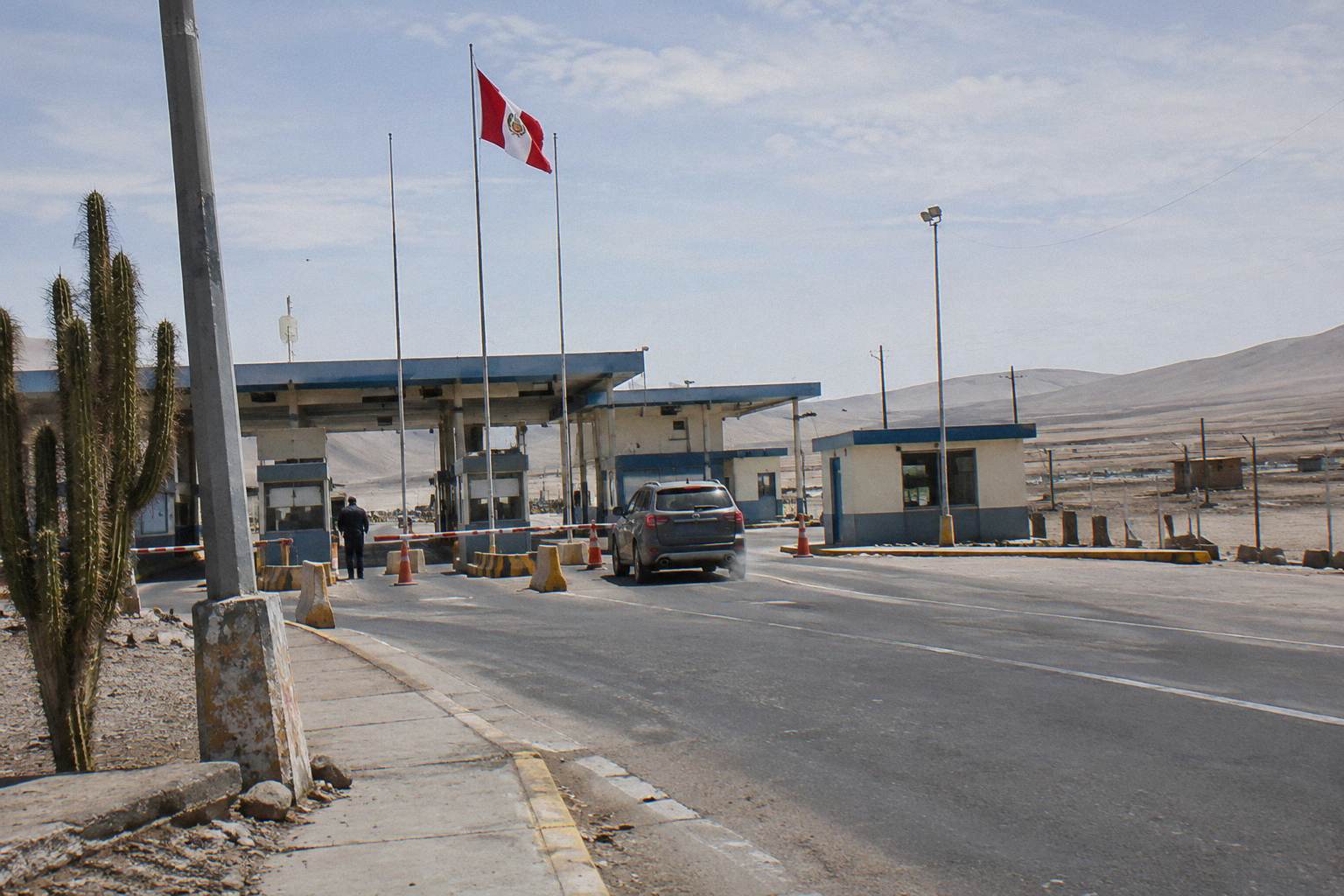
Chile's side is documented on the official Chilean border crossings status service, which lists complex status by crossing, Chacalluta included, at 24 hours for light vehicles. That page is also the source to watch for temporary closures or restrictions on the Chilean side, since status can change with weather and operational events. Strikes can also bite here: Canada's advice notes that strikes in Peru "could also lead to border closures, including with Bolivia", and the FCDO warns that protests can lead to "suspension of immigration services at land borders", a risk that applies to any land post, not just the ones named in an advisory.
The southern Peru bus circuit guide lays out how those legs chain together before the border run, and the balance of this page assumes that kind of loop: south through the sierra, then down to the coast at Tacna for the crossing into Chile.
Bus Or Colectivo: Which Should You Take?
The difference is format, not route: interprovincial and international buses run terminal to terminal through both border posts, while colectivos are shared cars that run the same posts on a fill-and-go basis with the same two migration stops. No fare, timetable or colectivo rule for the Tacna to Arica run is published on an official page, so neither option can be priced or scheduled here, and the choice comes down to passengers and luggage.
Colectivo stands and fares in Peru are a category this site treats carefully because the figures are not on official pages; the system works as a shared, informal-market layer over the regulated bus network. On the international run, the practical variables are luggage space in a shared car versus a bus hold, and the wait while a colectivo fills before it leaves. Buses have hold allowances set by rule: up to 20 kg travels free on national service under Peru's passenger-rights rules, though on an international leg the carrier's own terms govern, so check the boarding and luggage lines on the operator's page before booking.
| Factor | International bus | Shared colectivo |
|---|---|---|
| Boarding point | Terminal Terrestre Manuel A. Odria | Operator's stand, confirm with the operator |
| Border stops | Santa Rosa and Chacalluta | Santa Rosa and Chacalluta |
| Luggage | Hold plus hand luggage per carrier terms | Shared car space |
| Fares and schedules | On the operator's page | On the operator's page |
| Regulation | Terminal boarding required for regular carriers | Rules not published officially |
Neither column carries a price or a departure hour because none is verifiable from an official source, and fares on this corridor change with the operator and the season. The booking mechanics that apply to cross-border seats are the same as anywhere in the national network: full names matching the passport, and for some carriers the passport number before a ticket can be issued. Read the specific listing or ticket office requirements rather than generalising from one operator to another, because the international leg sits under two countries' rules at once.
A third option some travelers weigh is the private transfer, which runs the same posts without sharing. Like the colectivo, its prices are not published on an official page, so compare on the operators' own listings. Whatever the format, the two migration stops are fixed by geography, and no service can skip either post.
How Long Does The Tacna To Arica Crossing Take?
The drive itself is trivial, about 57 km and a 0.9 h free-flow drive estimate, but that figure excludes the border wait entirely, and the two migration stops plus Chile's agriculture inspection set the real length of the trip. Santa Rosa is listed at 24 hours and Chacalluta at 24 hours for light vehicles, so the posts are not the constraint; queue length and inspection time are.
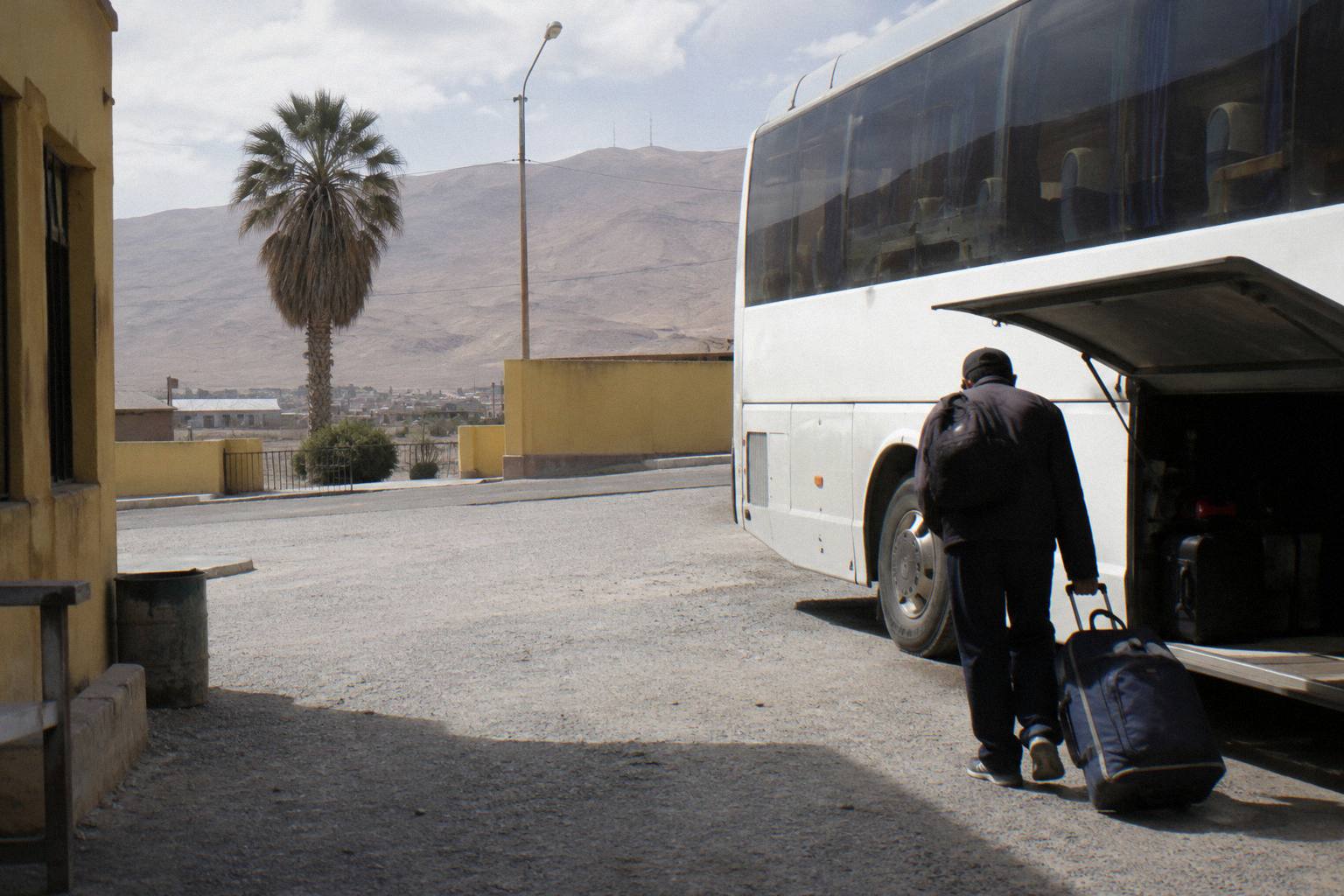
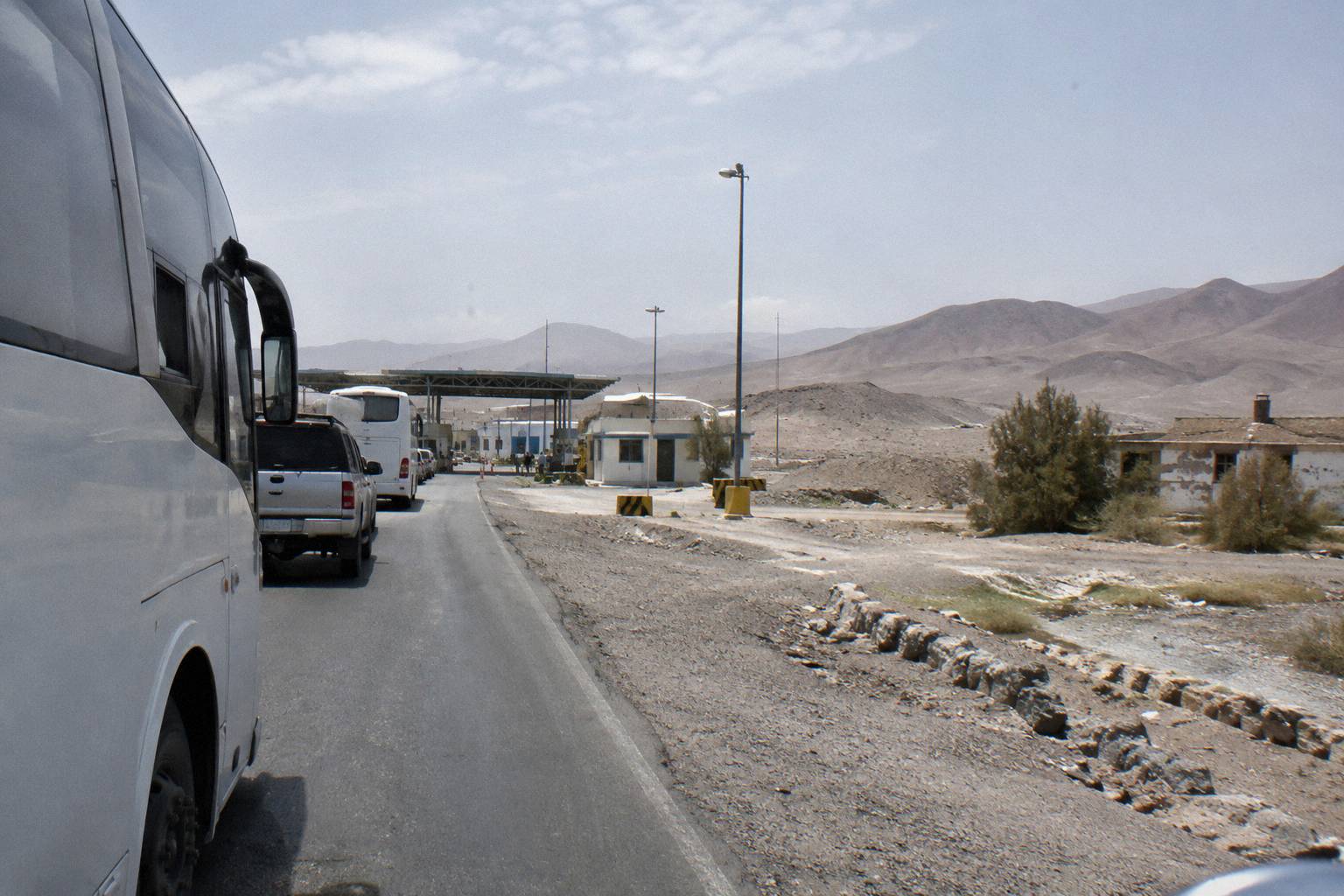
It is worth being precise about what the 0.9 h figure is: an OSRM free-flow drive estimate for the Tacna-Arica pair only, computed without stops, border queues or inspection time. Real journeys exceed it by however long the two posts take on the day, and on busy days the vehicle queue at Chacalluta can stretch well beyond the drive itself. The same honesty applies to the approach leg from Arequipa, about 402 km with a 6.0 h free-flow estimate that timetabled services comfortably exceed once stops and the mountains are counted.
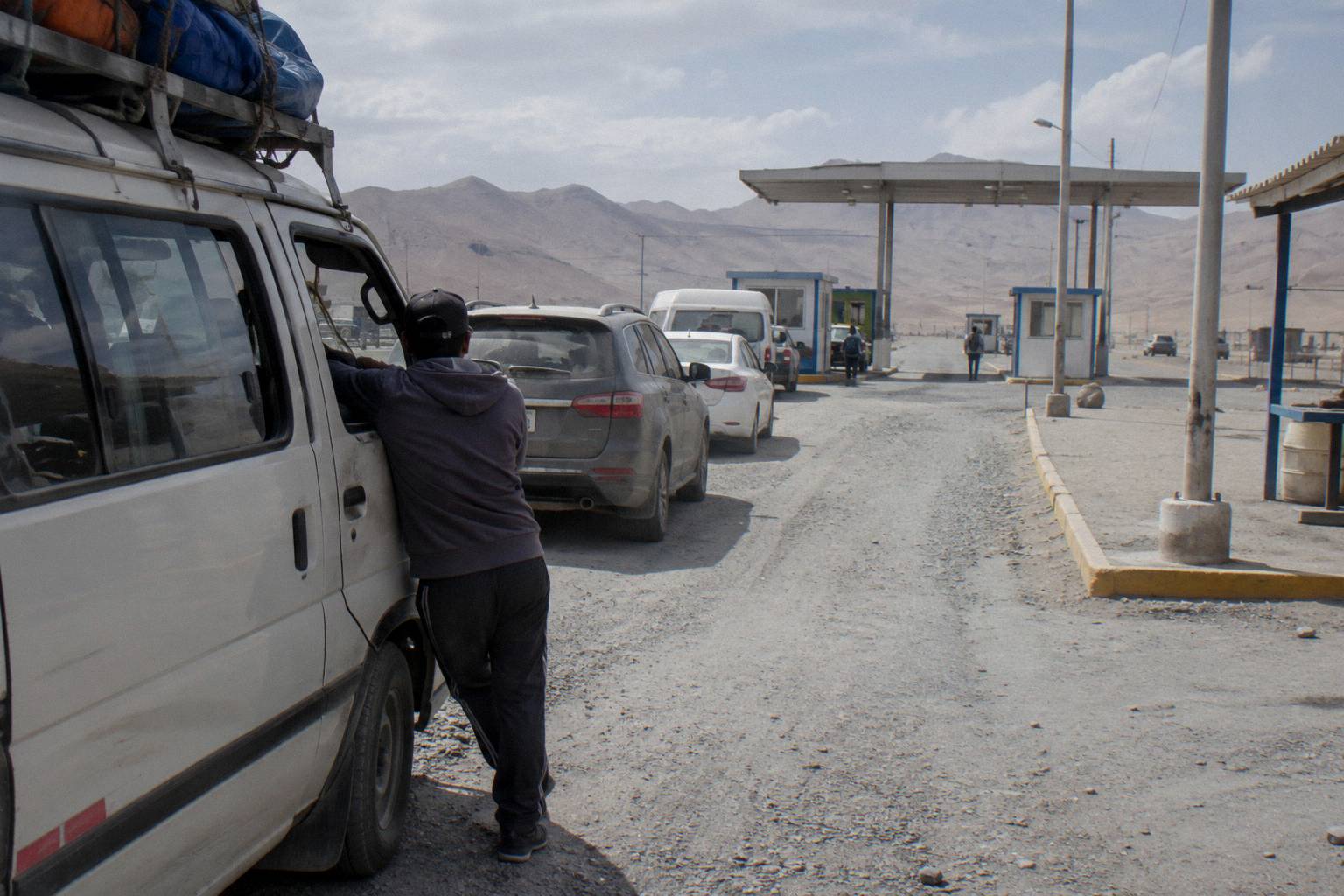
Chile's inspection is the step people underestimate. Agricultural controls at Chacalluta are strict, and undeclared food, plant or animal products draw fines. Have your documents in hand for both posts, keep your passport on your person as the FCDO advises, and expect the vehicle to wait while everyone clears each side. Travelers connecting onward in Chile should read the ticket terms for any missed-connection policy before assuming a same-day chain, and road status in Peru can be checked before departure on SUTRAN's road alert map, where closed roads show in red and restricted roads in yellow.
Coming Back: Arica To Tacna And Return Trips
The return crossing runs the same two posts in reverse: exit Chile at Chacalluta, enter Peru at Santa Rosa, with the same about 57 km drive and the same 0.9 h free-flow estimate that excludes the border. The same absence of published fares and timetables applies in both directions, and Peru's tourist stay allowance runs to up to 183 days within 365 days.
Return logistics mirror the outbound. Chilean departure is stamped at Chacalluta, and Peru stamps re-entry at Santa Rosa, both listed at 24 hours for their respective vehicle categories. Travelers re-entering Peru and continuing north by bus should plan the same terminal discipline in reverse, boarding at Arica's terminal on the Chilean side and arriving into Tacna's Terminal Terrestre, where registered terminal taxis are the FCDO-recommended option for the last kilometre.
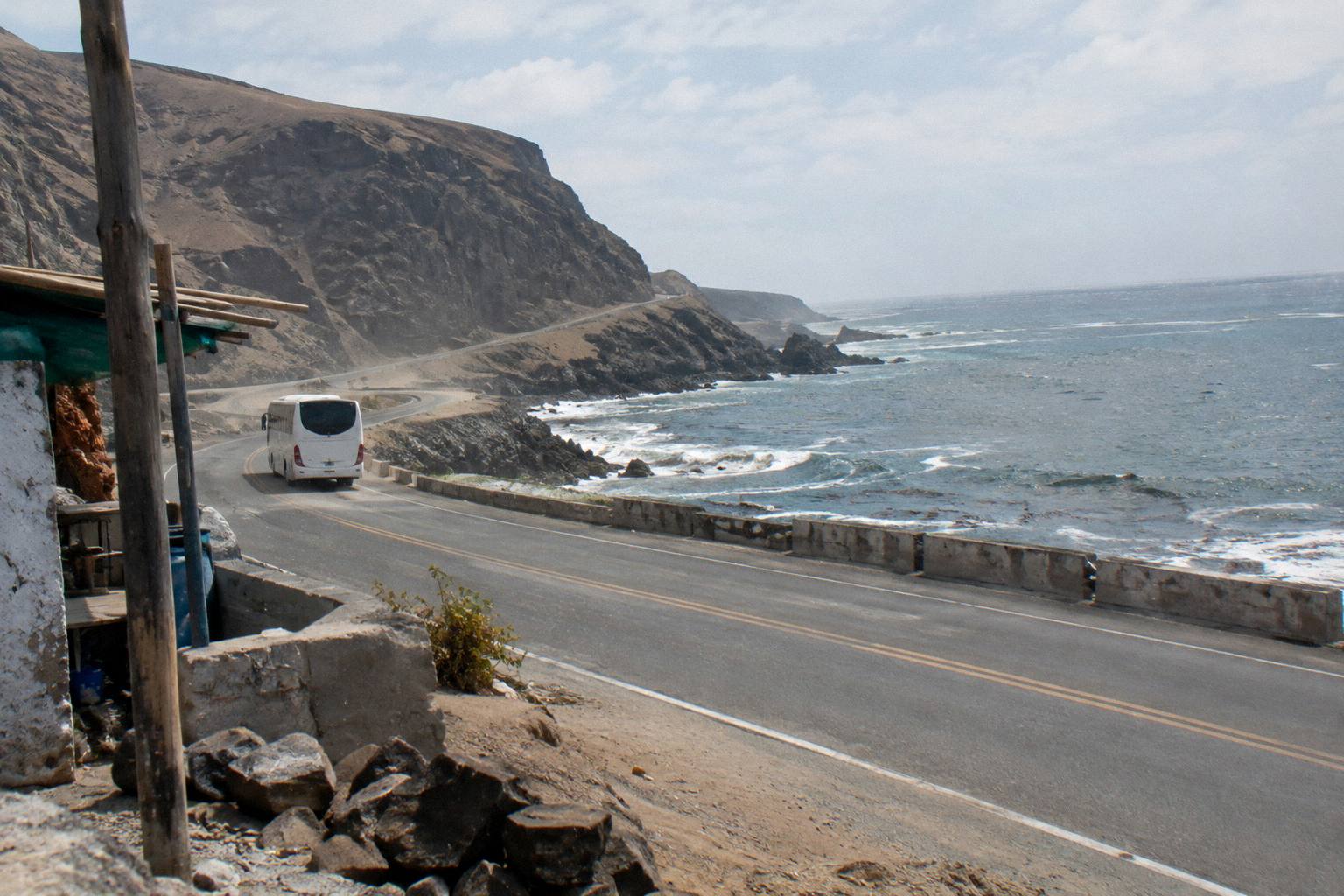
For travelers stitching the border into a wider southern loop, the natural chain runs Cusco to Arequipa, Arequipa overnight toward Puno or south to Tacna, then the crossing, then back. The direct Cusco to Arequipa coach, one leg of that chain, is rated 4.3 across 53 reviews on its listing, which gives a sense of the review pool rather than a verdict. Re-entry also resets the practical clock for Peru: a traveler who crossed out and returns within the allowance continues on the same entry rules, and the Migraciones pages carry the detail if your stay pattern is unusual.
If something goes wrong on the Peruvian side of the return, the complaint route is documented: carriers must keep a Libro de Reclamaciones, and INDECOPI takes consumer complaints through its Reclama Virtual portal. A delayed or cancelled service also carries rights to information and to reprogramming or a refund under Peru's consumer rules, so keep the ticket and the boarding evidence.
Is The Tacna To Arica Crossing Safe?
No honest source calls bus travel in Peru safe, and this page will not either: the FCDO states "Bus crashes are common, especially at night" and advises avoiding overnight travel where possible, while Canada advises "Avoid taking buses and coaches at night" and Smartraveller reports robberies on intercity buses "including while passengers are sleeping". The short, busy daylight border run is a different profile from a remote mountain night leg, but the advice stands as written.
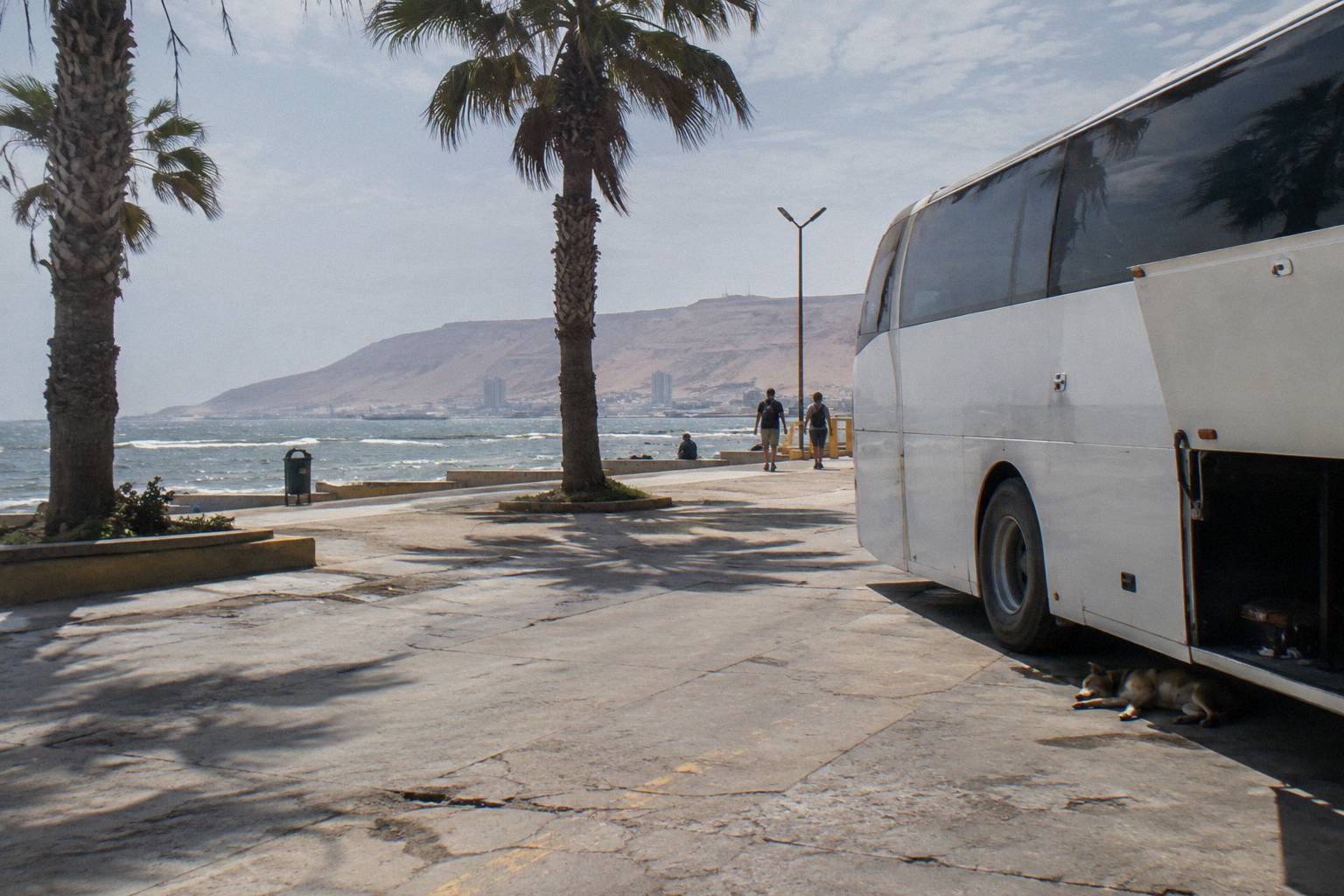
The US advisory, republished by the US Embassy in Lima, sits at "Level 2 - Exercise Increased Caution" and notes that criminal groups "sometimes set up roadblocks to rob people in areas outside of Lima", while US government employees "may travel at night with commercial bus companies along the Pan-American Highway, to Huaraz, and on the Lima-Arequipa-Cusco corridor", which gives a sense of which corridors carry official confidence. The full advisory texts are on the FCDO safety and security page.
Three checks are open to any passenger before boarding. SUTRAN's public lookup lets you verify a bus and its driver by plate or driver DNI, the 90 km/h interprovincial limit applies only on roads without another speed sign, and regular carriers must board passengers at authorised points with the bus stopped. Together those rules mean a ticketed international service from a terminal is a regulated product, not an informal one, and the boarding-point rule is itself a filter: a service that offers to pick you up on the public street is operating outside the regular-carrier framework.
For the money side, carry what you need for the crossing and keep the rest secured. The FCDO's terminal taxi warning applies on both sides of the line, and the border zone has the usual mix of money changers; regulated exchange happens in the cities. The advice from all four governments, quoted throughout this page, is the reference to read before the trip rather than a summary of it.
Getting To Tacna: The Arequipa Leg And Beyond
Tacna is reached overland from Arequipa, about 402 km on a 6.0 h free-flow drive estimate that real bus journeys exceed, and most international travelers arrive on that leg after building a southern circuit through Cusco, Arequipa and Puno. Tourist-bus options on those feeder legs include a sleeper from Arequipa to Puno, a direct Cusco to Arequipa coach and a Puno to Cusco service with a lunch stop.
The Turismo Mer sleeper from Arequipa to Puno, rated 4.3 across 20 reviews, is the one this page features: the listing names a 160 degree recline and a night service, with the terminal boarding fee listed as not included, so check the boarding fee line on the listing before you travel. A Direct Sleeper Bus, 7 Hours link sits beside the Direct Sleeper Bus from Arequipa to Puno page if that leg fits your plan, and the wider network context is on Peru By Bus.
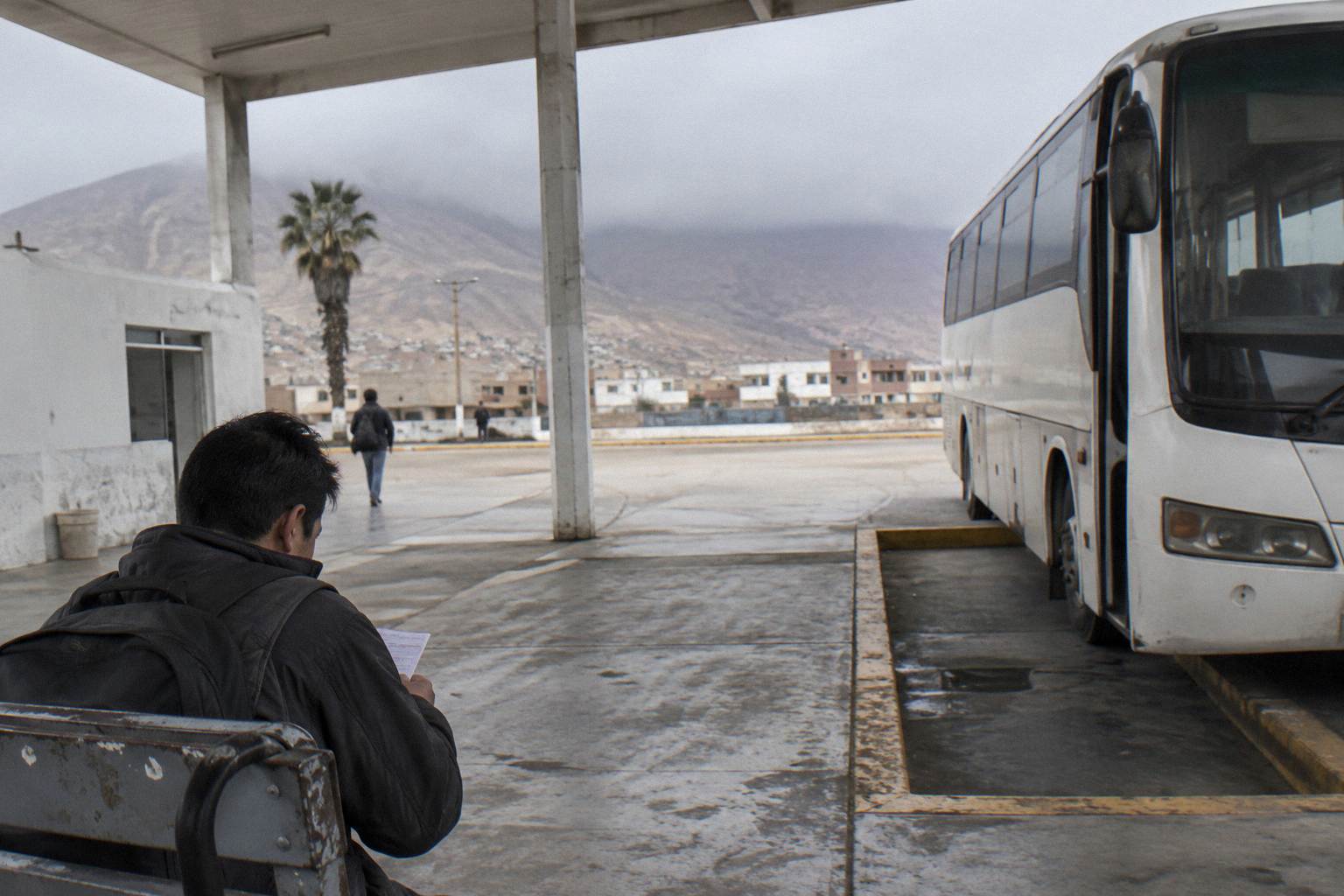
From Cusco, the Direct Bus Cusco to Arequipa runs a 160 degree Cruzero Suite seat per its listing and is rated 3.7 across 16 reviews. The Bus from Puno to Cusco with lunch, rated 4.6 across 24 reviews, covers the lake-to-Cusco leg with an 11 hour listing duration and a lunch stop. Each is a one-way tourist product with its own basis, so read the specific listing rather than generalising across them, and each carries free cancellation up to 24 hours before as listed.
Whether a tourist bus beats a regular carrier on these legs depends on what you want from the ride: a guided hop with hotel pickup and set stops, or a terminal-to-terminal seat on a national carrier with its own service classes. Both formats end in the same terminals, and both feed the same border. From Tacna the onward options are the crossing itself, covered in full above, or the inland routes toward Puno that continue the loop without leaving Peru.
Common Questions About The Tacna To Arica Border
How Far Is The Tacna To Arica Bus Crossing?
About 57 km, with a free-flow drive estimate of 0.9 h that excludes any border wait at Santa Rosa and Chacalluta. Real journeys take longer because both migration posts and Chile's agriculture inspection sit between the two cities.
Is The Santa Rosa Border Open 24 Hours?
Peru's Migraciones lists Santa Rosa, Tacna, as operating 24 hours, and Chile's official border status service lists the Chacalluta complex at 24 hours for light vehicles. Status can change with operational events, so check the official pages before a planned crossing.
Do I Need A TAM Card To Cross Into Chile?
The Tarjeta Andina de Migracion is described by Peru as a mandatory migration control document for entering and leaving CAN-country territory. Whether a paper form is handed out at a given land post varies, so ask at the counter and check the official Migraciones page.
Bus Or Colectivo From Tacna To Arica: Which Is Better?
Buses run terminal to terminal through both posts; colectivos are shared cars doing the same stops. Neither's fares, timetables or rules are published on an official page, so the choice comes down to luggage, party size and preference, with details on each operator's page.
How Do I Get To Tacna To Make The Crossing?
Most travelers arrive from Arequipa, about 402 km away on a 6.0 h free-flow drive estimate that real bus journeys exceed. Regular interprovincial carriers run that corridor into the Terminal Terrestre Manuel A. Odria, and a live seat search shows the current options.
Is It Safe To Cross The Peru Chile Border By Bus?
No official source calls bus travel in Peru safe. The FCDO states "Bus crashes are common, especially at night" and advises using reputable transport companies; Canada advises avoiding buses at night. The short, busy daylight border run is a different profile from remote night legs, but the advice stands as written.