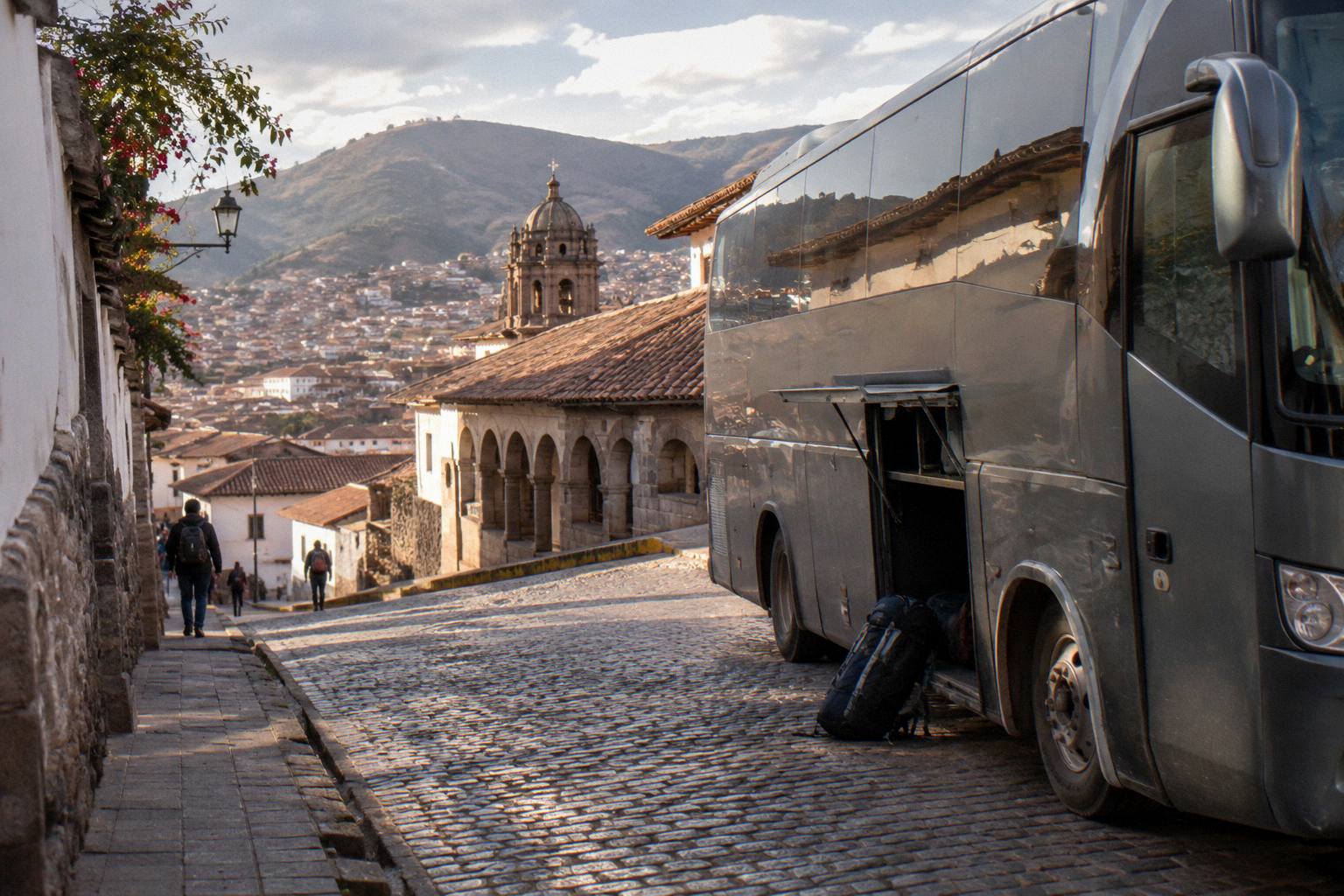
Peru Train Vs Bus: How The Overland Legs Compare
Peru's trains serve a handful of high profile legs, while buses cover nearly everything. This comparison holds the bus side to verified facts and sends you to the train operators for theirs.
Short answer
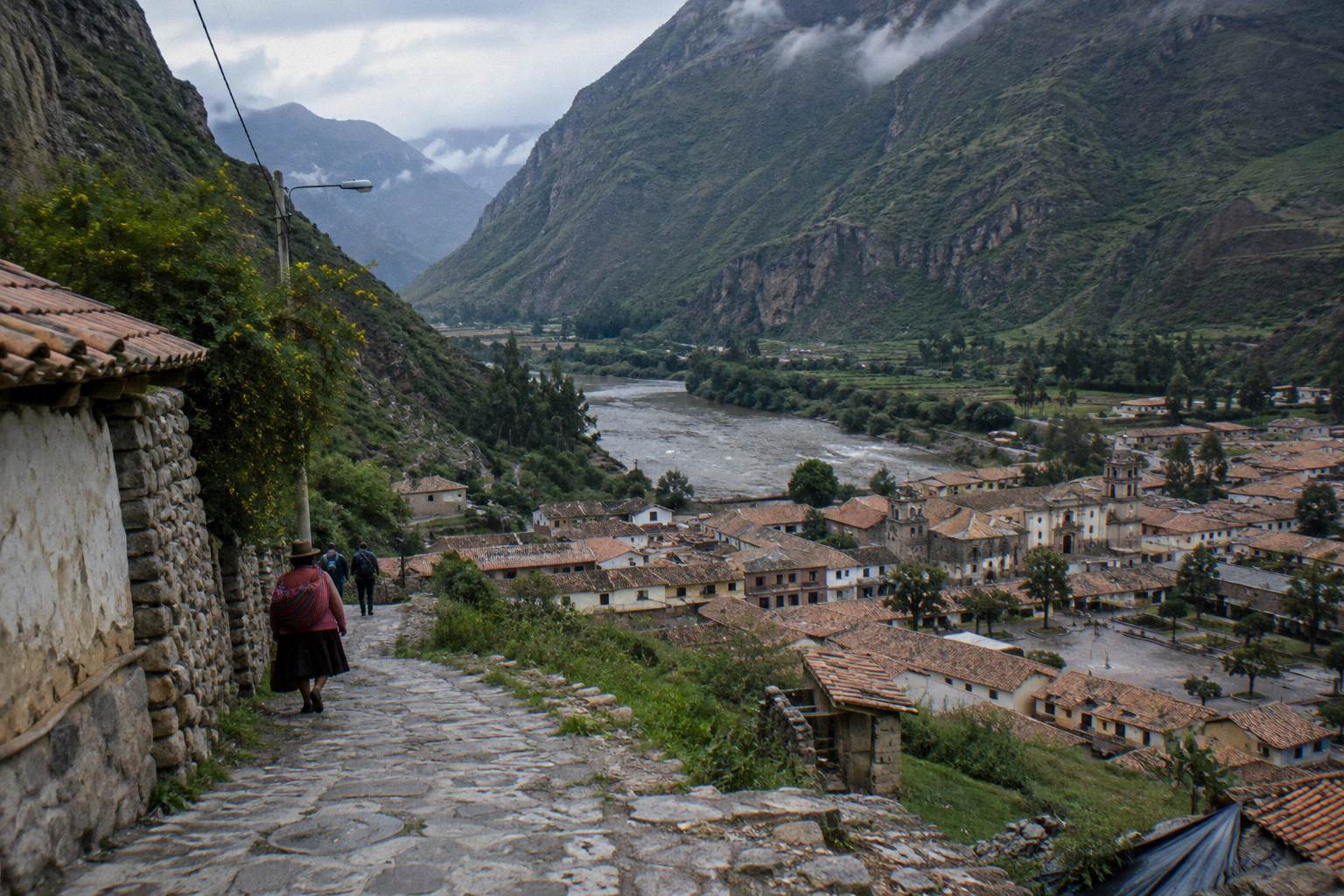
Peru's passenger trains cover a small set of tourist legs, including Cusco to Machu Picchu Pueblo, while buses run the full road network. The Puno to Cusco tourist bus lists 11 hours with a lunch stop, the sleeper from Arequipa to Puno lists 7 hours, and the Cusco to Hidroelectrica bus lists 6 hours. Train times and fares belong to the train operators' own pages.
Peru's rail network is tiny and its road network is enormous, and that asymmetry shapes almost every overland decision a visitor makes. The trains that travellers hear about, above all the short ride into Machu Picchu Pueblo, serve a few high profile corridors where the road either ends or was never built. Buses cover everything else: the desert coast, the southern Andes, the routes around Lake Titicaca and the long climbs from Lima into the highlands. This guide compares the two mode by mode and leg by leg, and it does so on a strict evidentiary basis. Every bus figure printed here comes from an operator's own listing or from official regulation, and every train figure is pointed back to the train operator, because no train timetable, fare or class detail has been verified for this page. What you get instead is a clear picture of where the comparison is real, where it is imaginary, and where the bus has no rival at all.
How Do Peru Trains And Buses Actually Compare?
The two modes rarely compete head to head. Peru's passenger trains run on a handful of corridors, while buses run on essentially the entire national road network, so on most legs the question is which bus, not train versus bus. Where a train does exist, the bus alternative is frequently a different route entirely. Train service details, fares and schedules are the train operators' to publish.
The comparison is therefore best made in three layers. The first layer is coverage: buses reach the great majority of destinations travellers name, trains a small minority. The second layer is the actual experience of the verified bus products, their recline degrees, their listed durations, their cancellation terms, all of which are printable here because the operators state them on their listings. The third layer is disruption, where both modes share exposure: the FCDO states that protests in Peru "can escalate quickly" and cause "travel disruption, including trains", which puts rail and road in the same sentence of official advice. For the wider framing of how the bus network fits together, the guide to how Peru bus travel works covers terminals, ticketing and the boarding rules that regular carriers must follow.
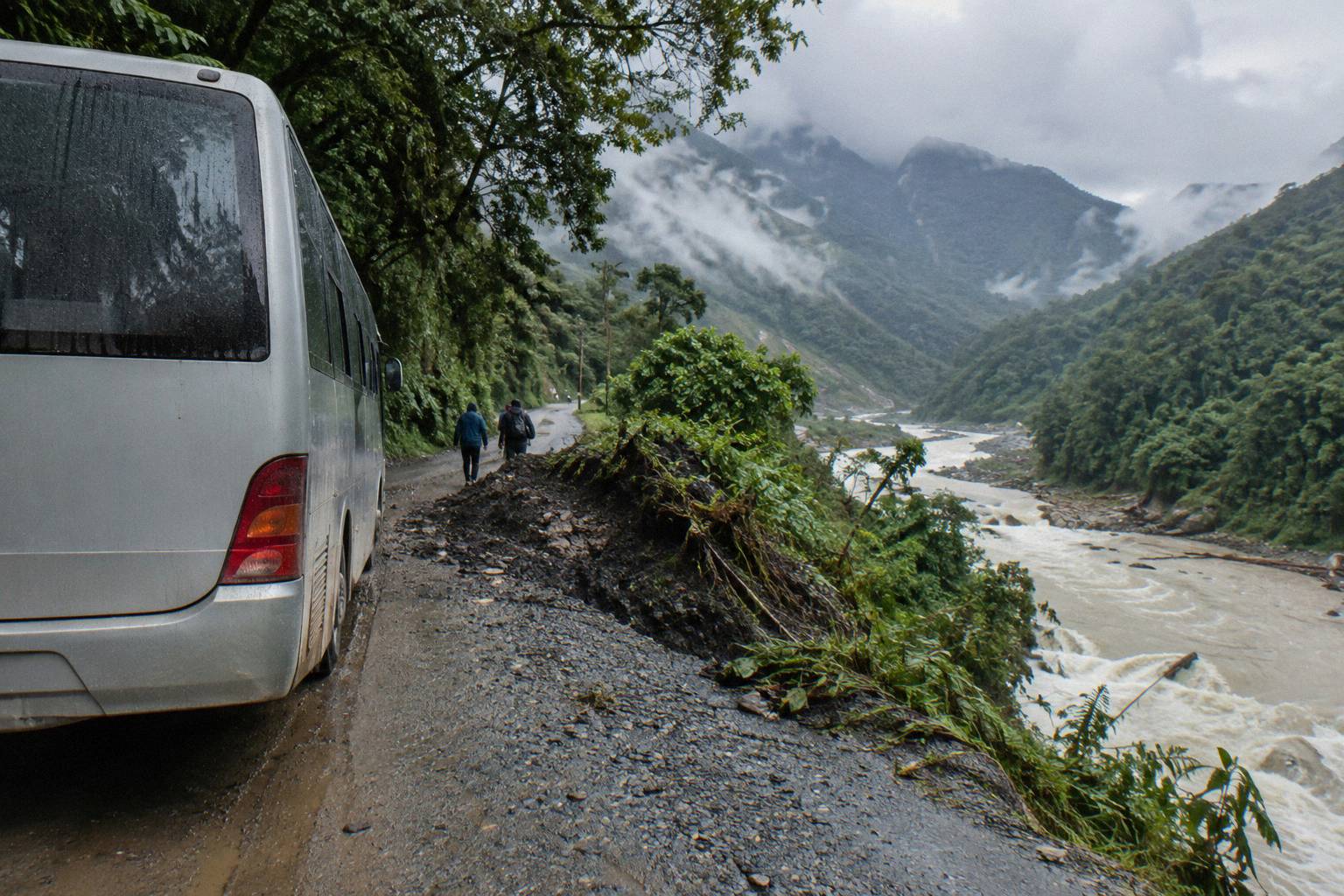
A word on what this page will not do. It will not rank trains against each other, quote a train fare, or state a train departure time, because none of those facts have been verified for this site. When a train is the subject, the answer is a pointer to the train operator's own page. When a bus is the subject, the figures come from the operator's listing and are printed with their basis. That discipline keeps the comparison honest on the legs where it matters.
| Question | Train Side | Bus Side |
|---|---|---|
| Does the mode reach Machu Picchu Pueblo? | Yes, by rail to the town below the ruins | The bus ends at Hidroelectrica station; the final leg is on foot or by the rail connection from there |
| Can you travel Lima to Cusco by this mode? | No verified passenger rail service on this corridor | Multiple operators sell the corridor; Cruz del Sur lists 7 daily departures on its Lima to Cusco page |
| Is there a bus rival to the Puno leg? | Train details on the operator's page | The Turismo Mer tourist bus lists 11 hours Puno to Cusco with a lunch stop |
| What do schedules and fares depend on? | The train operator's own published details | The operator's listing |
Which Legs Have Both A Train And A Bus?
Only a few corridors in Peru carry both a passenger train and a scheduled or tourist bus, and the overlap is narrower than most planning conversations suggest. The classic overlaps are the approach to Machu Picchu, where the bus ends at Hidroelectrica station while the train continues to Machu Picchu Pueblo, and the Lake Titicaca region. On the long southern legs, Arequipa to Cusco and Arequipa to Puno, the bus is the verified option on this page.
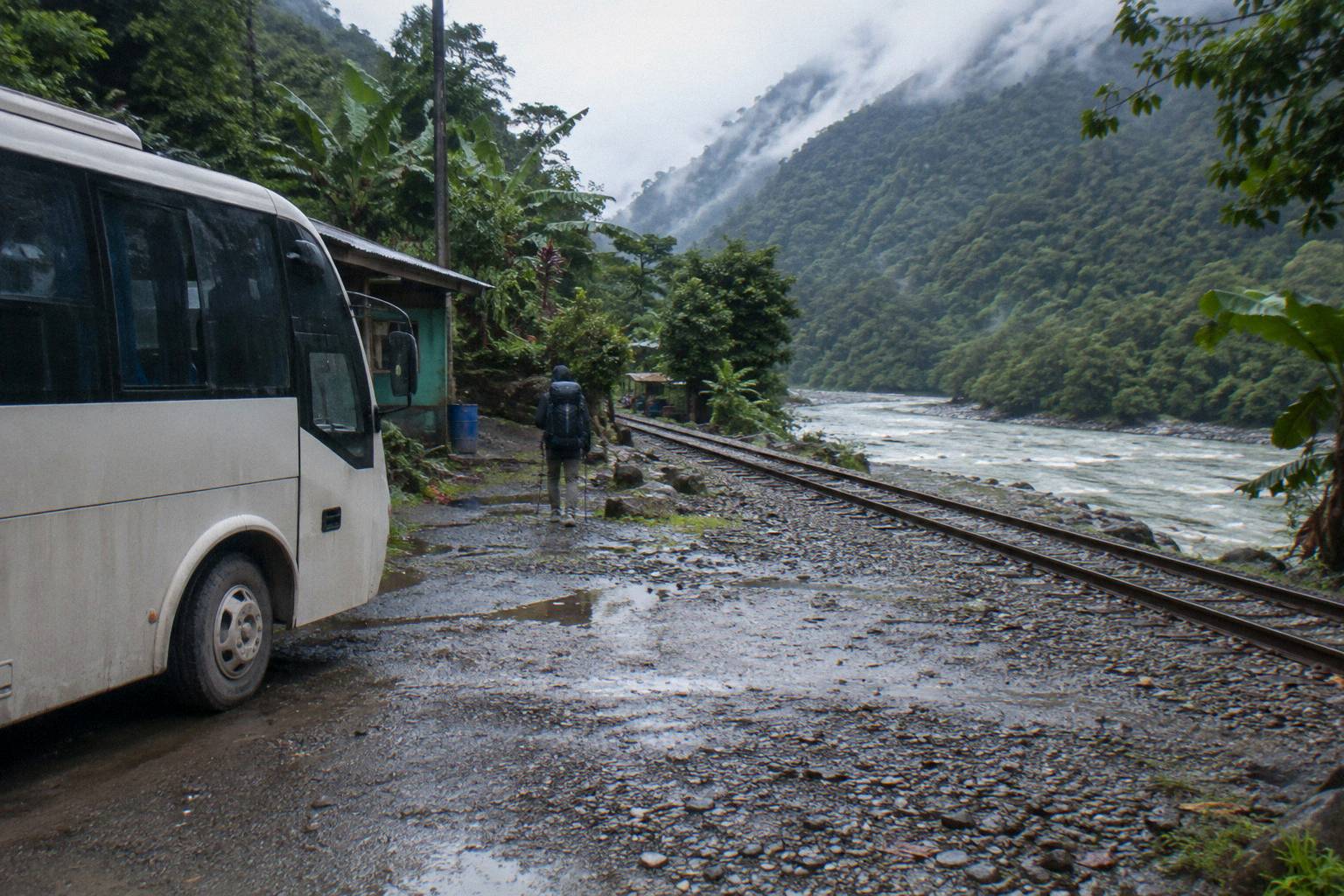
The Machu Picchu comparison deserves precision, because it is the one travellers get wrong first. The rail leg into Machu Picchu Pueblo has no direct bus replacement: the road simply does not reach the town. What exists instead is the back door. The Machu Picchu by Car Vip tourist bus runs from Cusco's Plaza de Armas to Hidroelectrica, the hydroelectric station used as the start of a walk or rail leg to Machu Picchu, with two rest stops as its listing title states, and it is rated 4.3 across 53 reviews. The listing gives 6 hours for the journey, the drop-off is a private terminal at Hidroelectrica inside Restaurante Escobar, and free cancellation up to 24 hours before departure applies as listed. Train times for the final leg belong to the train operator. The full back door route, including the walk from Hidroelectrica and what the listing does and does not include, is walked through in the Cusco to Machu Picchu by bus guide.
On the Titicaca and Arequipa corridors the situation is inverted: the bus facts are rich and the train facts are not on this page. Turismo Mer runs a tourist bus from Puno to Cusco, rated 4.6 across 24 reviews, listing 11 hours with a lunch stop and dropping off at the Terminal Privado Turismo Mer in Cusco. The same operator runs a sleeper bus from Arequipa to Puno, rated 4.3 across 20 reviews, listing 7 hours for the night journey with a 160 degree recline seat as its listing states. World Explorer Peru runs a direct bus from Cusco to Arequipa, rated 3.7 across 16 reviews, listing 10 hours and naming a Cruzero Suite 160 degree seat. Each of these is a real product with a real review pool printed beside its rating, and each carries free cancellation up to 24 hours before departure as listed.
Distances help frame the decision, with the standing caveat that these are free-flow drive estimates from the OSRM routing engine, not timetable times, and real bus journeys exceed them.
| Pair | Distance | Free-Flow Drive Estimate |
|---|---|---|
| Puno to Cusco | about 387 km | about 6.2 h |
| Arequipa to Cusco | about 487 km | about 9.4 h |
| Cusco to Hidroelectrica station | about 212 km | about 5.1 h |
| Arequipa to Puno | about 273 km | about 5.5 h |
Compare those with the listed bus durations above and the pattern is visible: the Turismo Mer Puno to Cusco listing gives 11 hours against a 6.2 hour free-flow estimate, which is the mountain road, the pass at about 4,300 m at La Raya and the lunch stop, not a timetable trick. The numbers are honest on both sides of the slash.
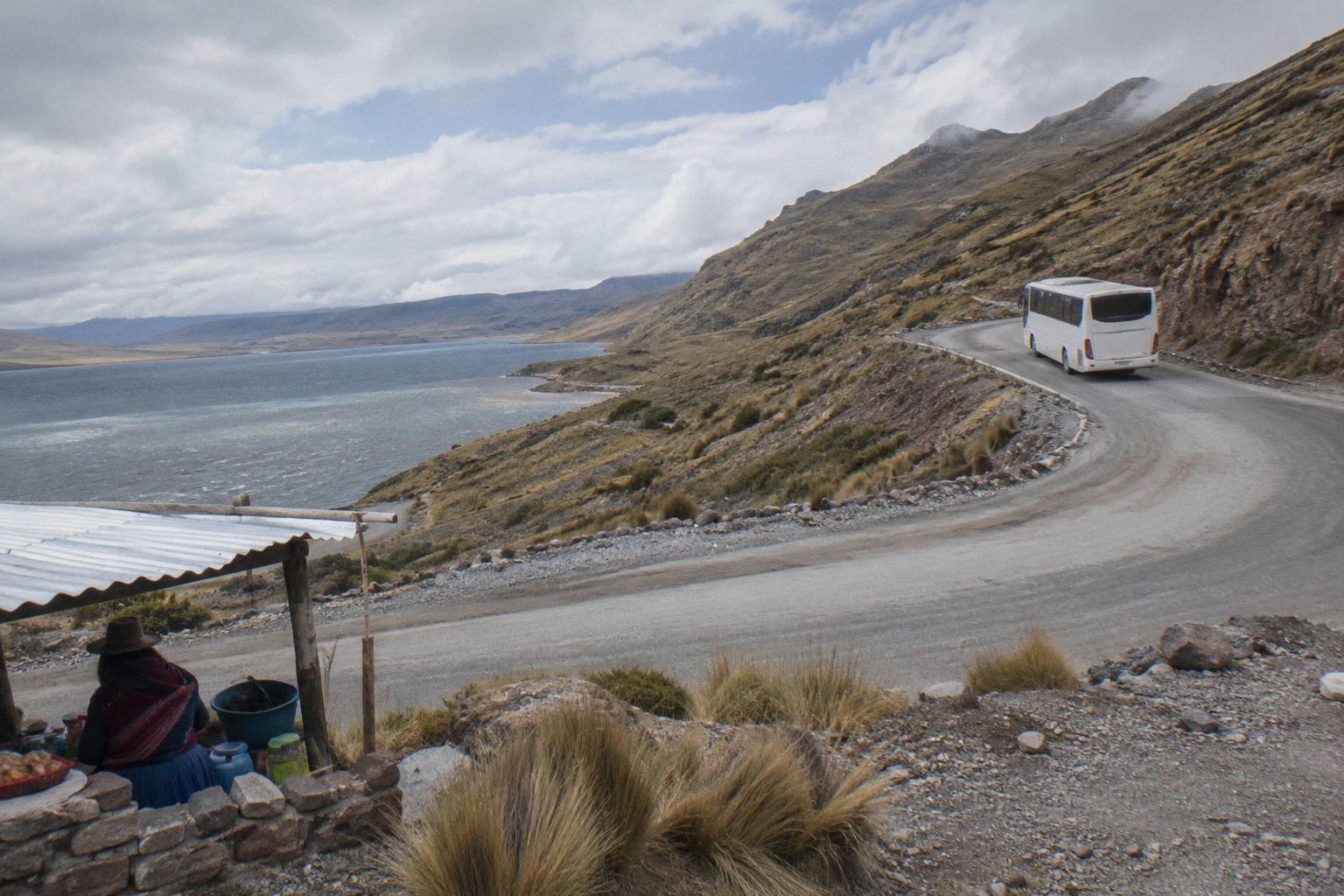
The three products in that band are the ones this page can actually stand behind on the southern corridor, and they map neatly onto the three decisions: the scenic daytime run from the lake, the night sleeper across the altiplano, and the long direct haul between the two big southern cities. None of them is a train substitute in disguise, they are the bus network doing what it does, which is connecting the places the rail network never reached.
Is The Puno To Cusco Bus A Real Alternative To The Train Route?
On paper the Puno to Cusco leg is the most train like bus ride in Peru: a daytime tourist service with a stated lunch stop, a 4.6 rating across 24 reviews and a drop-off at a private terminal in Cusco, listed at 11 hours against a free-flow drive estimate of about 6.2 hours over roughly 387 km. Whether it replaces a train depends on what the train operator offers on its own page.
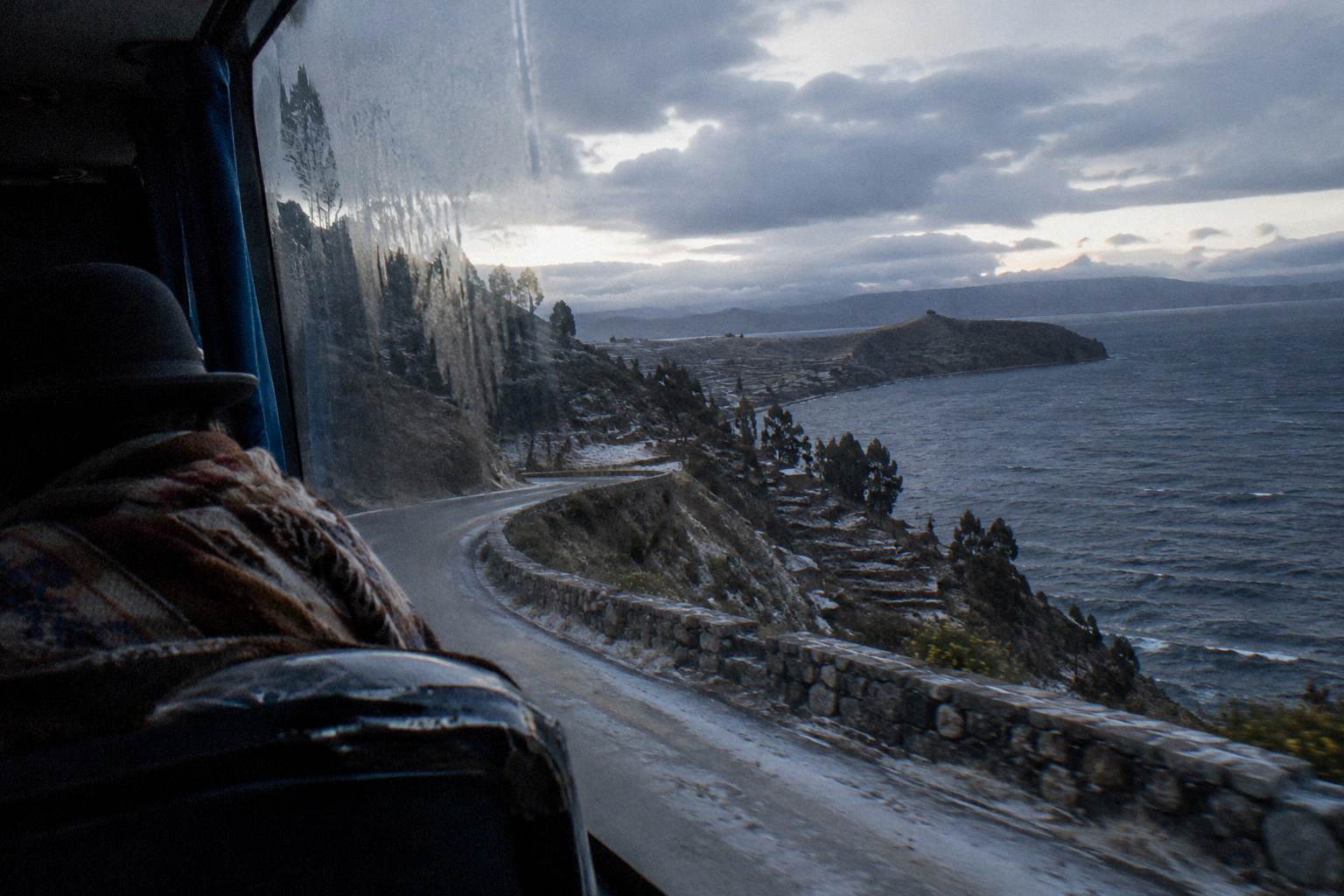
What can be said here is what the bus product is. Turismo Mer's listing names an all-you-can-eat lunch stop as the journey's centrepiece, and the duration, 11 hours as the listing gives it, leaves room for it. The route crosses the altiplano north of Puno, which sits at 3,848 m per INEI's compendium, and crests La Raya pass at about 4,300 m before descending toward Cusco at about 3,400 m. That is a day of high altitude scenery with almost no flat ground, and it is the corridor where a tourist bus most directly competes with a scenic train, because both are selling the window. Travellers sensitive to altitude should sequence their acclimatisation with that profile in mind, arriving at Puno's elevation before committing to a full day above 4,000 m on the pass.
The boarding and arrival mechanics are concrete. The drop-off is the Terminal Privado Turismo Mer in Cusco, a company specific terminal rather than a municipal one, which matters for onward planning because Cusco's terminals are scattered and each operator uses its own. Cancellation is free up to 24 hours before departure for a full refund, as listed. Pickup points and luggage allowances are not stated on the listing, so the product page is the place to confirm them before booking; nothing here should be read as promising either.
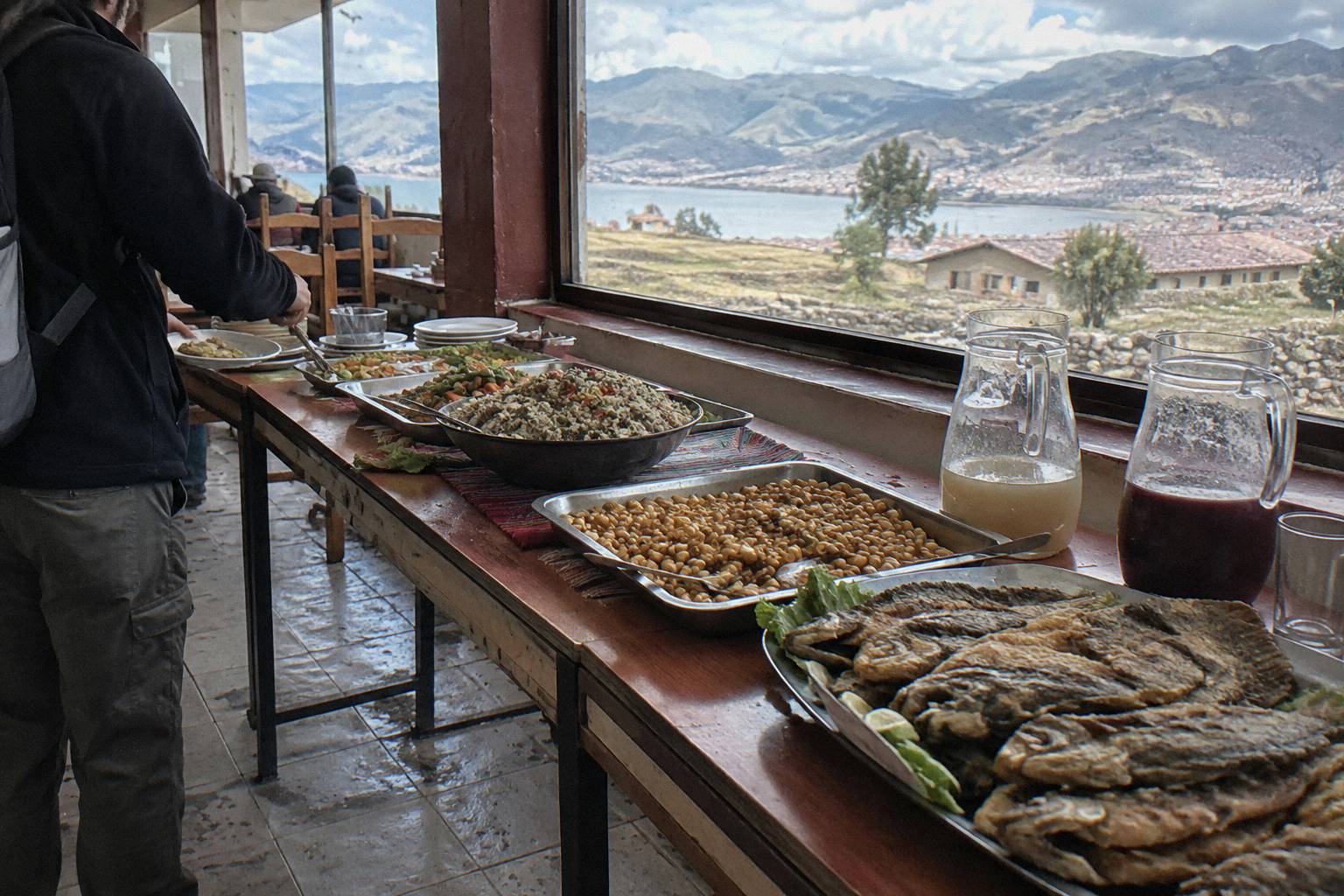
One framing point belongs in this section because it is the question under the question. A reader comparing this bus with a train on the same corridor is not choosing between two versions of the same thing. The bus runs on the road through La Raya; the rail corridor is its own alignment with its own views. The honest comparison is between the verified bus product on this page and whatever the train operator publishes, made leg by leg rather than reputation by reputation.
What Does The Cusco To Hidroelectrica Bus Change About Machu Picchu?
The Cusco to Hidroelectrica bus replaces the old "train or nothing" choice with a rear door option: road plus walk, alongside the front door rail route. The Machu Picchu by Car Vip tourist bus runs from Cusco's Plaza de Armas to Hidroelectrica station, listing 6 hours with two rest stops over about 212 km, and from there travellers walk or take the rail connection toward Machu Picchu Pueblo.
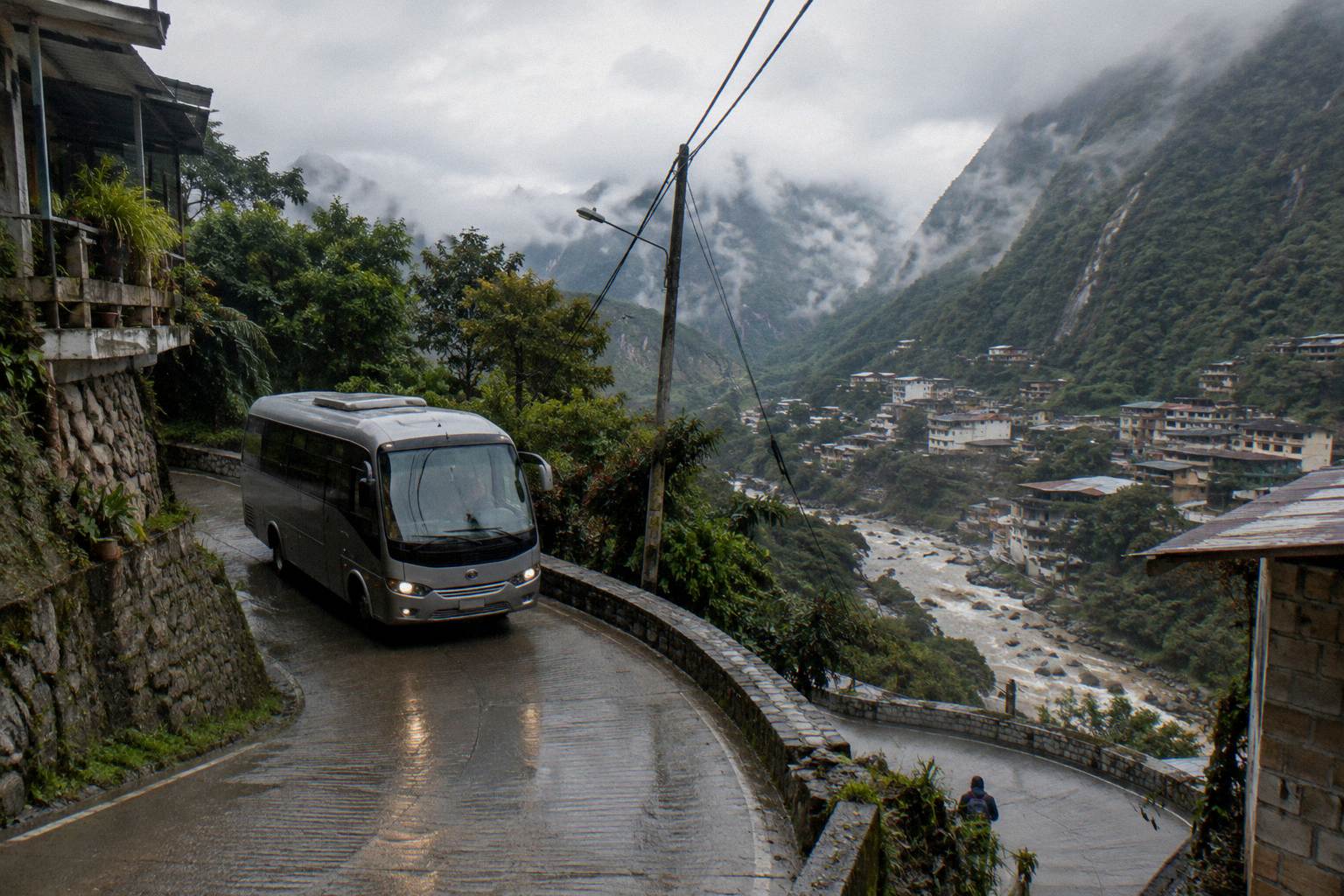
Precision matters on this leg because marketing language blurs it. The bus ends at Hidroelectrica, the hydroelectric station used as a back door start for the walk or rail leg to Machu Picchu, and it must never be described as taking you to Machu Picchu itself. Peru Hop's own page makes the same point from the other direction: Cusco to Aguas Calientes, as it names Machu Picchu Pueblo, is by train, trek or bus, and that operator, which does not serve Machu Picchu, recommends a partner for tours. Train details for the Hidroelectrica connection belong to the rail operator's page.
The verified bus facts are these. Departure is from Cusco's Plaza de Armas, the drop-off is a private terminal at Hidroelectrica inside Restaurante Escobar, and the listing title promises two rest stops on the way. Free cancellation up to 24 hours before departure applies as listed. Pickup beyond the Plaza, luggage rules, toilets and meals are not stated on the listing, and none of them should be assumed. For the full mechanics of the walk from Hidroelectrica and the timing decisions around it, the back door route material in the guide linked above is the detailed companion to this section, and the money side of the same decision is a matter for the operator's live listing, where the current fare sits.
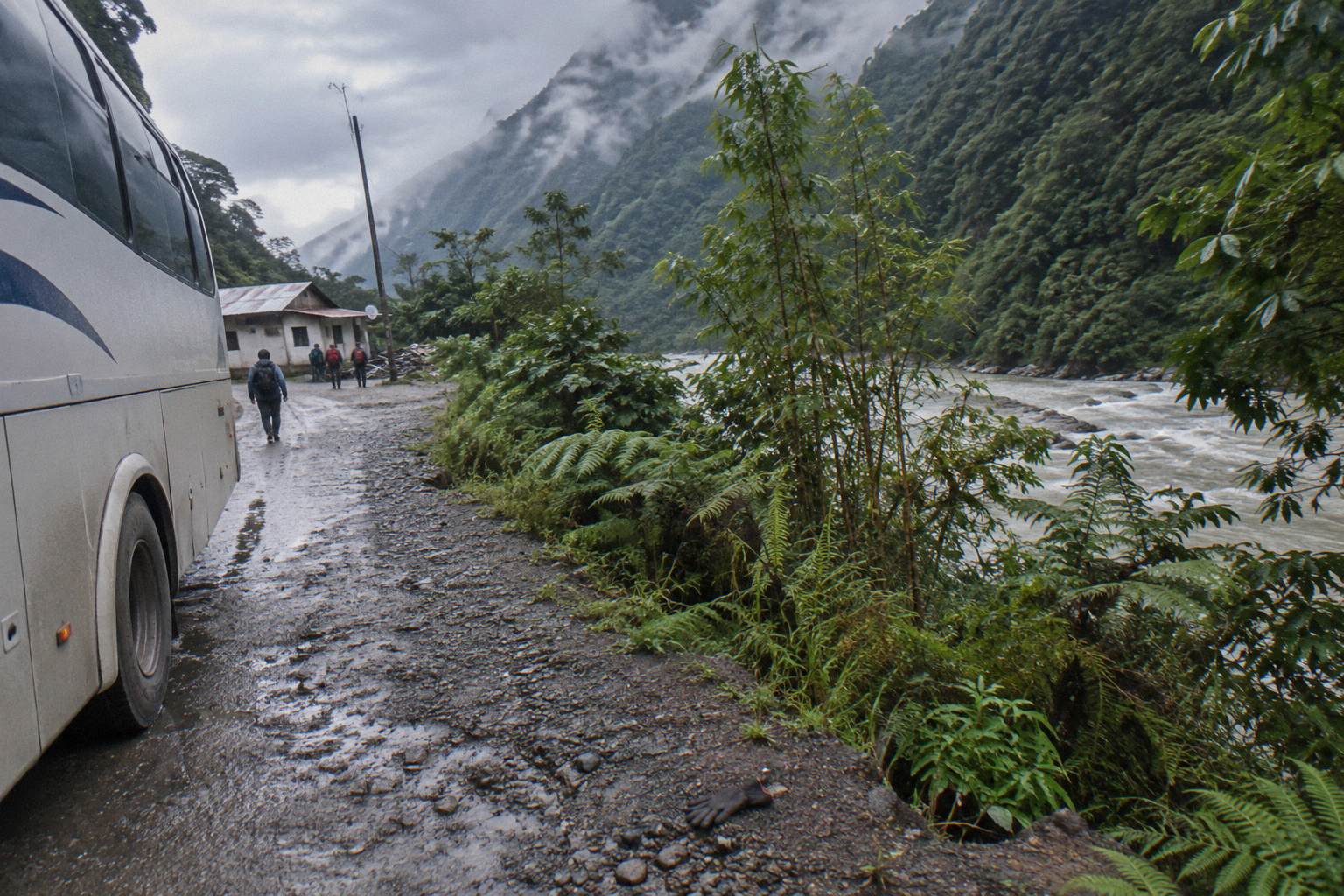
Why does a Puno to Cusco tile sit inside the Machu Picchu section? Because the two decisions are made in the same week for most southern itineraries, and the Puno leg is the one where the bus is unambiguously the verified product. A traveller pairing the lake with the ruins can lock the Titicaca leg on facts and leave the rail leg to the rail operator's own page, which is the cleanest division of labour this comparison can offer.
Do Overnight Buses Replace Train Legs On The Arequipa Corridor?
On the Arequipa to Puno and Cusco to Arequipa legs there is no verified train fact on this page, but there are two concrete bus products: the Turismo Mer sleeper from Arequipa to Puno, rated 4.3 across 20 reviews with a 160 degree recline seat as its listing states and a listed 7 hour night journey, and the World Explorer Peru direct bus from Cusco to Arequipa, rated 3.7 across 16 reviews with a listed 10 hour journey.
The sleeper deserves its own reading. A 160 degree recline is the upper band of what Peruvian operators advertise, and Turismo Mer states it plainly on the listing. The service runs at night, which brings the government advice into play: the UK FCDO states "Bus crashes are common, especially at night. Only use reputable transport companies, and where possible, avoid overnight travel, especially in mountainous and remote regions", and Canada's advice is blunter still with "Avoid taking buses and coaches at night". Those quotes are printed verbatim, not paraphrased into a safety verdict, because this site does not issue one. What the reader does with a night sleeper on the altiplano, at altitudes that include Puno at 3,848 m, is their own risk calculation informed by that advice. The overnight question in full, including seat selection on a night service, is covered in the overnight bus guide.
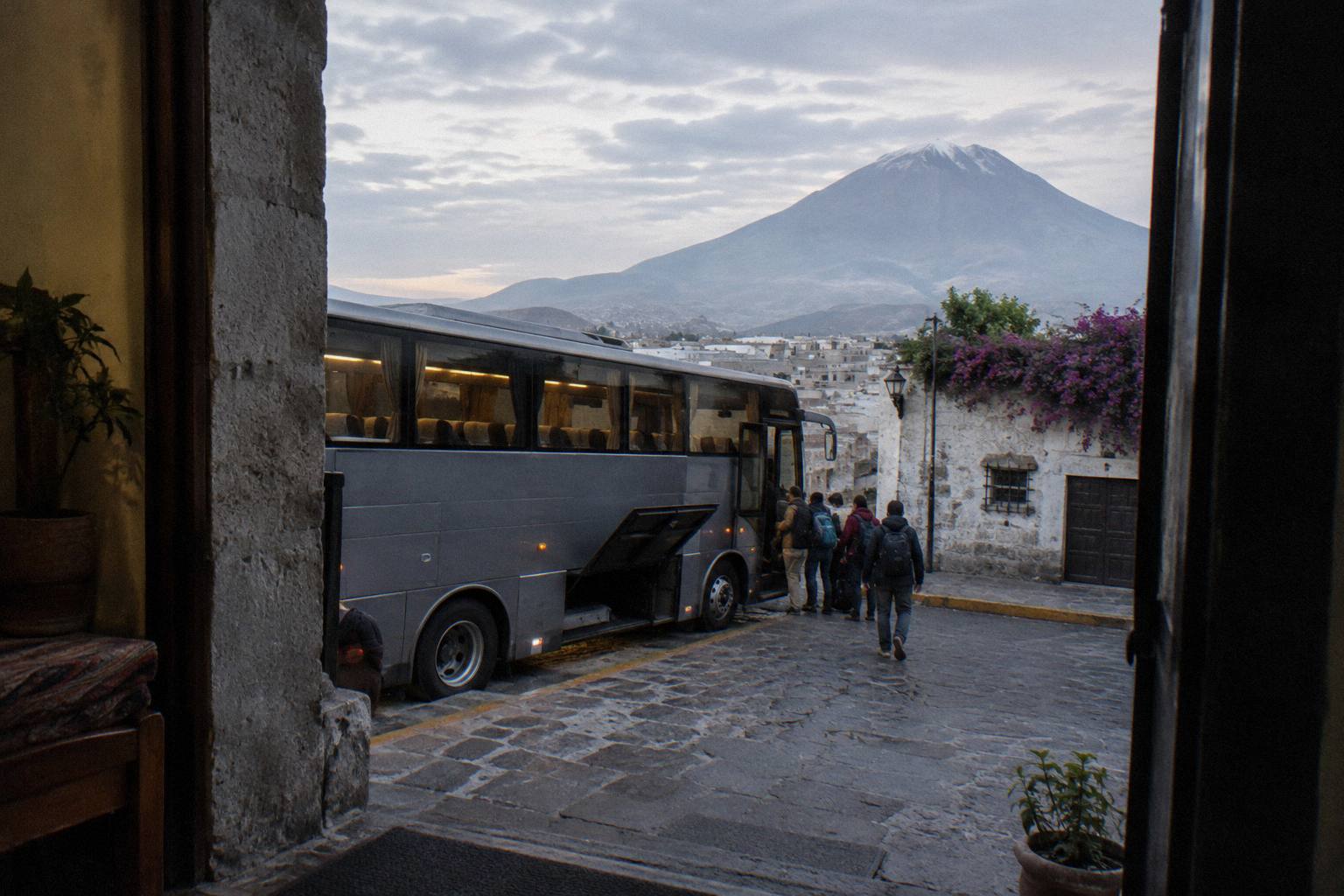
Two practical notes come from the listing itself. The terminal boarding fee for the Arequipa to Puno sleeper is listed as not included, so check the boarding fee line on the listing rather than expecting it in the ticket. And no departure hour is printed here or anywhere on this site, because the listing's time details are not stable facts in the verified set. The Cusco to Arequipa product adds its own nuance: the listing names a Cruzero Suite 160 degree seat, which is a class name printed as the operator uses it, and the 10 hour duration is the product's own figure, not a derived one. The free-flow drive estimates sit well below both: about 5.5 hours over 273 km for the sleeper leg, about 9.4 hours over 487 km for the direct, figures real journeys exceed.
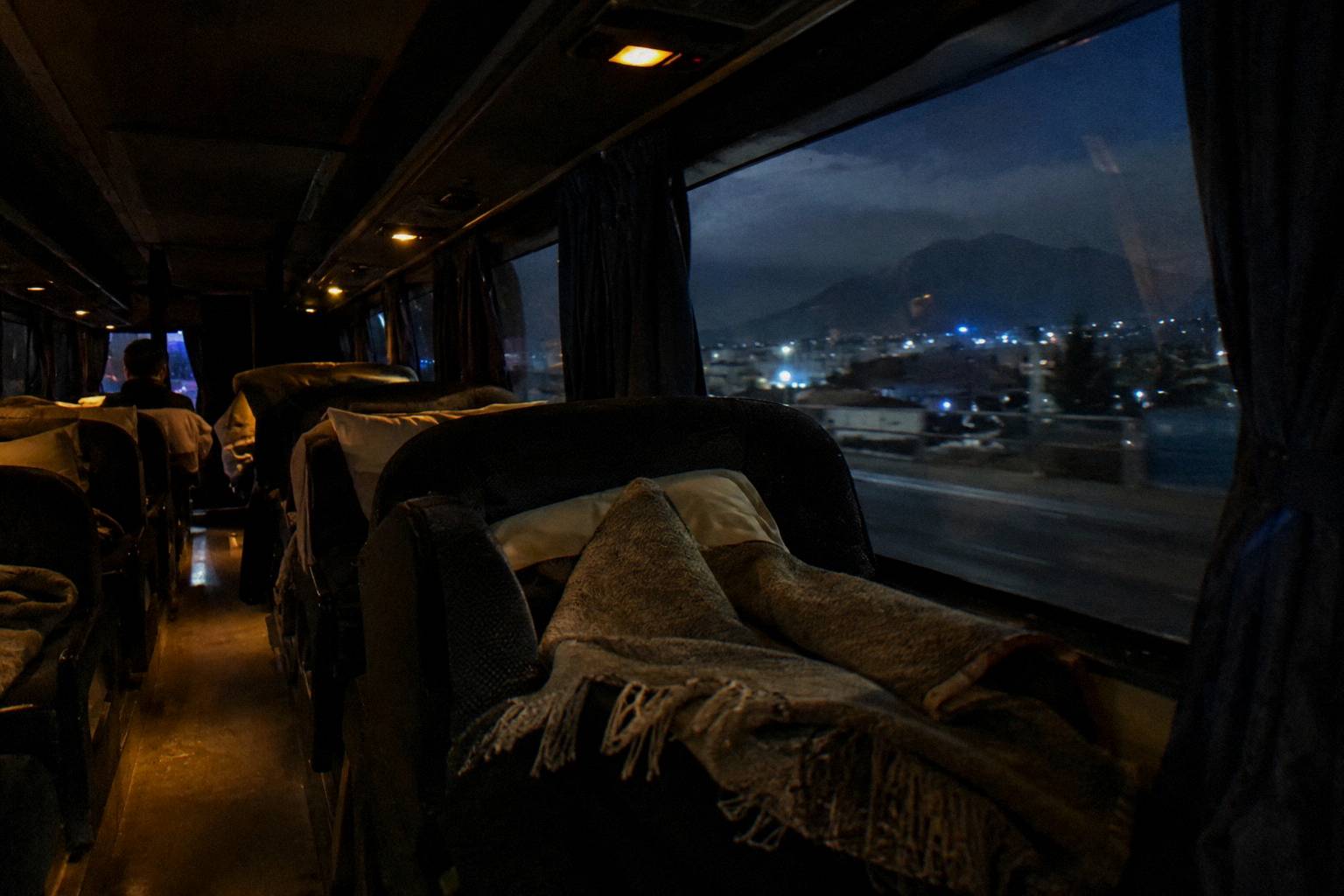
The honest framing for the corridor is this: where a traveller might once have imagined a train across the altiplano, the verified reality is a sleeper bus and a direct coach, both with stated recline, both with printed review pools, both cancellable up to 24 hours before departure as listed. The train half of the imagined comparison simply has no verified page here to stand on, and pretending otherwise would manufacture a contest.
How Do Tickets, Changes And Cancellation Rules Differ?
Bus tickets in Peru carry a regulated baseline that train tickets may or may not match, and the verified tourist products on this page add free cancellation up to 24 hours before departure. INDECOPI states that a domestic bus ticket can be postponed or transferred with 24 hours notice at only the real reissue cost, with no penalty. Train ticket terms are the train operator's to publish, and no comparison of change fees can be made without them.
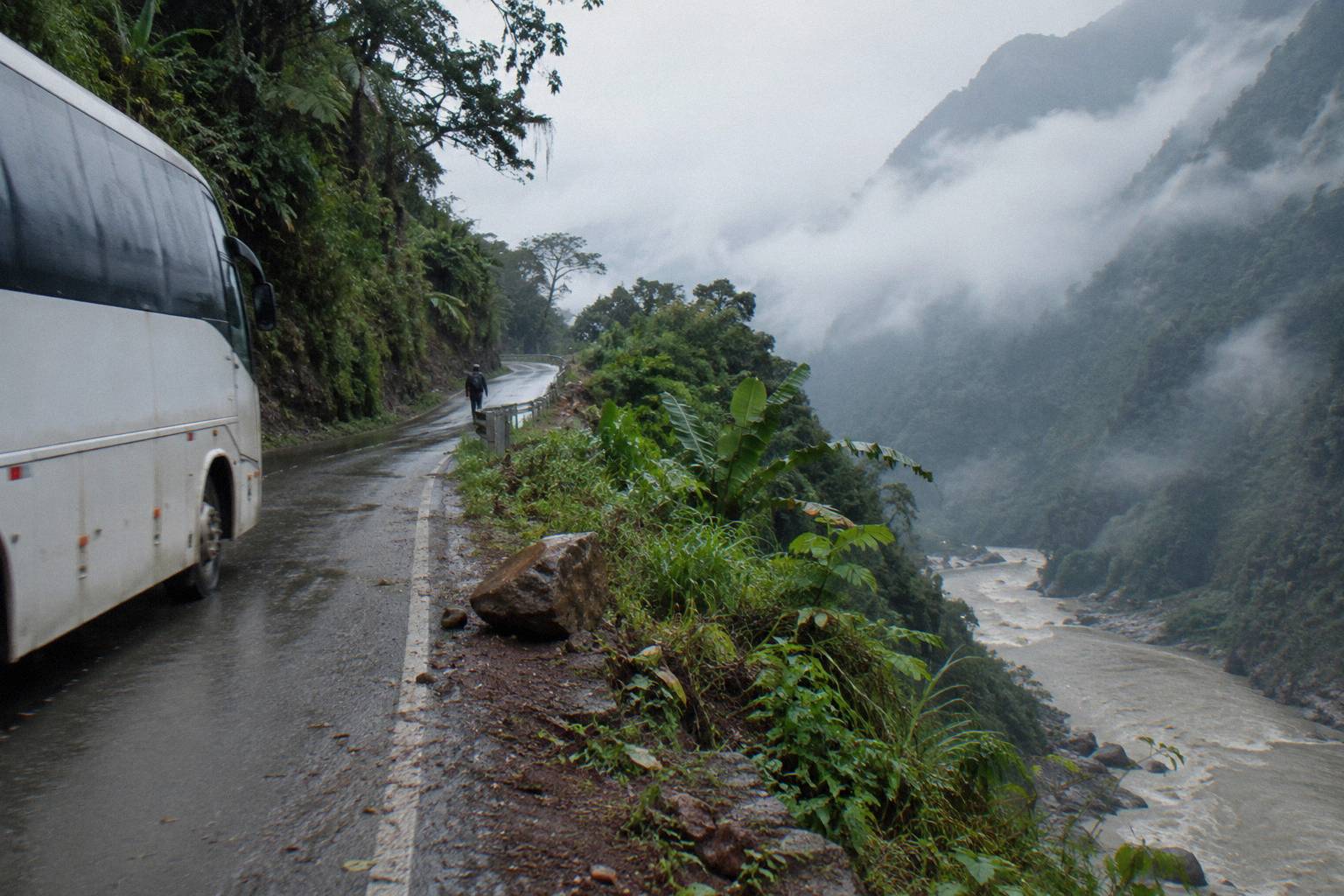
The bus side is unusually well documented. The listed products printed on this page, the Puno to Cusco tourist bus, the Arequipa sleeper, the Cusco to Arequipa direct and the Hidroelectrica back door bus, each carry free cancellation up to 24 hours before departure for a full refund, as listed. The exception in the wider verified set is instructive: the First Class Huaraz ticket from Lima, not on this corridor, states on its listing that it is non-refundable and cannot be changed, which shows how much terms can vary product to product even within the same booking ecosystem. Reading the cancellation line before paying is not caution, it is the whole game.
| Term | Bus Side (Verified) | Train Side |
|---|---|---|
| Cancellation | Free up to 24 hours before departure on the four tourist products listed on this page, as listed | Check the train operator's ticket terms |
| Changes | INDECOPI: postpone or transfer with 24 hours notice at only the real reissue cost | Check the operator |
| Luggage | Regulation allows up to 20 kg free on national service; SUTRAN advises getting a luggage ticket | Check the operator |
| Complaints | Carrier's Libro de Reclamaciones, then INDECOPI's Reclama Virtual | Check the operator |
| Boarding | Regular carriers must board passengers only at authorised points, at terminals, with the bus stopped | Station rules on the operator's page |
The booking mechanics for regular carriers, as distinct from tourist products, deserve a note of their own. Some operators require passport details before issuing a ticket, and one listed product in the verified set, the Huaraz ticket, needs passport numbers and full names to print, a reminder that a Peruvian bus ticket is a named document in a way a metro fare is not. Complaints run through the carrier's own Libro de Reclamaciones first, with 15 working days to answer, and then through INDECOPI's Reclama Virtual portal if the answer does not come or does not satisfy.
What About Strikes, Blockades And Weather On Both Modes?
Both modes share the same disruption exposure, and the official advice names them together: the FCDO states that protests "can escalate quickly and lead to roadblocks, travel disruption, including trains, and suspension of immigration services at land borders", which puts rail and road in one sentence. The US Embassy's republication of the State Department advisory adds "Demonstrations can shut down local roads, trains, and major highways." A mode choice made on disruption grounds alone has little to stand on.
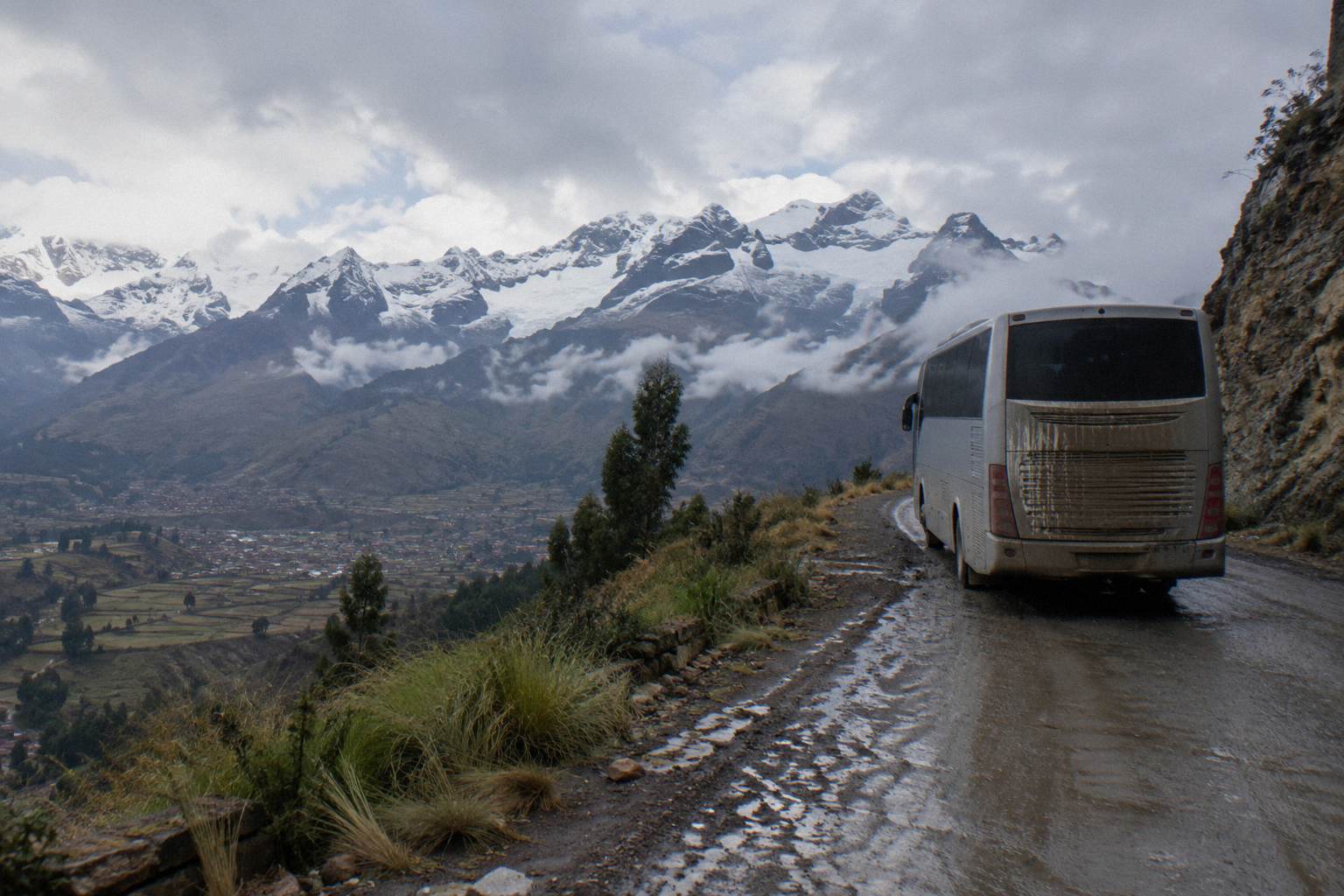
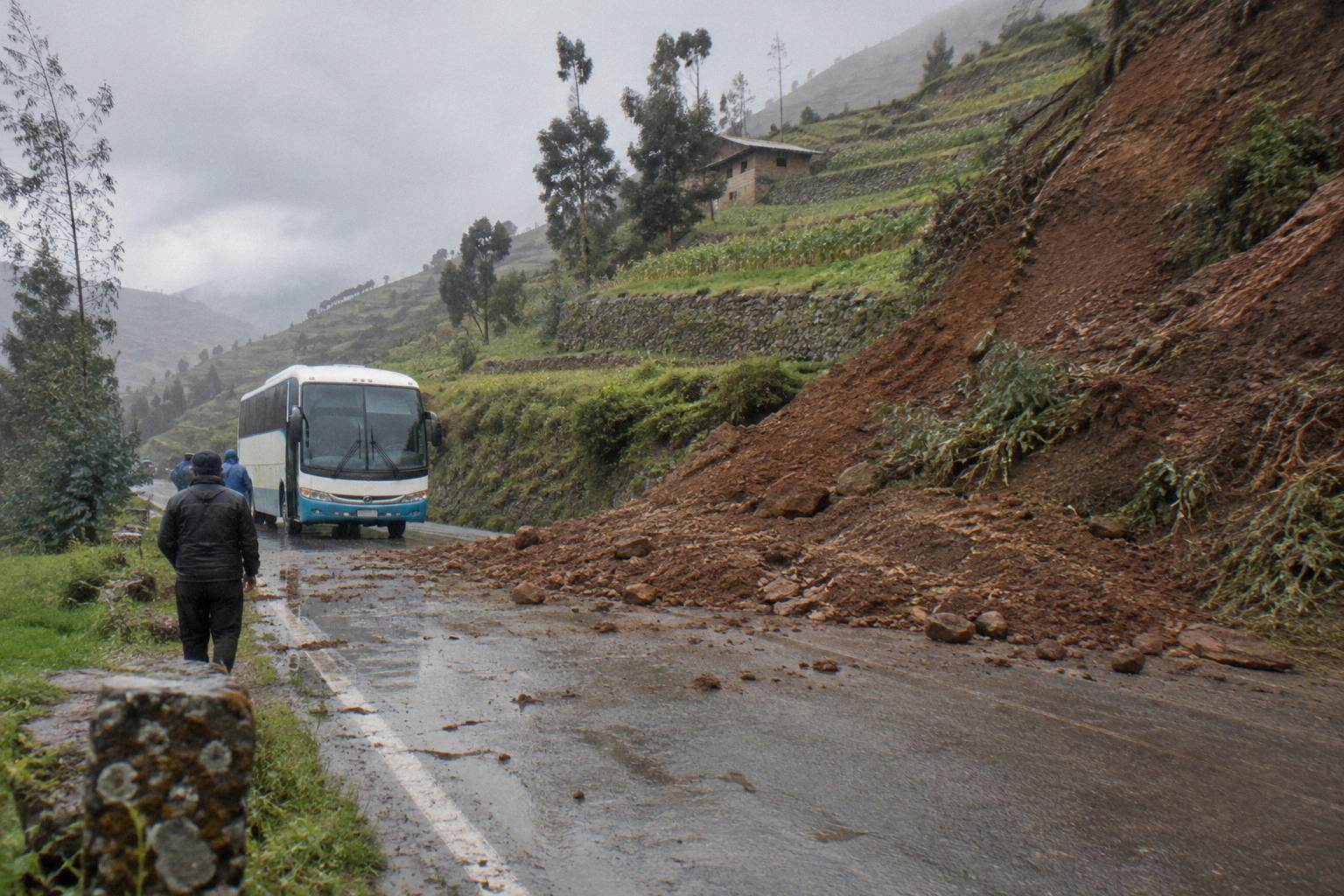
What differs is the recovery path. When a road closes, SUTRAN's interactive alert map shows closed roads in red, restricted in yellow and open in green, with a 24 hour WhatsApp line, and it is the single most useful check before any long bus leg. The SUTRAN alert map covers blockades from social protests alongside accidents and weather damage. When a rail service suspends, the recovery path runs through the operator's own channels, and no rail suspension policy is verified here. The seasonal layer is shared too: the FCDO's El Nino notice states "Through late 2026 to April 2027, the El Nino weather event is expected to generate heavy rainfall, possible flooding, landslides, and mudslides, especially in, but not restricted to, the northern and central coast. These could cause travel disruption, such as road closures", and the Andean rainy season runs roughly September to April per SENAMHI.
The safety layer deserves the same verbatim discipline. The FCDO's safety page carries the night crash warning quoted above, plus "Armed robbers sometimes hold up provincial and inter-city buses", and the FCDO's Peru safety and security page is the source for both. Canada's advisory notes "Intercity bus travel can be dangerous due to the risk of bus accidents, which are usually caused by excessive speed, poor vehicle maintenance and driver fatigue", and the Government of Canada's Peru page also advises travellers to "Follow the main roads used by bus tour companies" and to remain vigilant at terminals. None of this is a verdict on any single product on this page, and none of it should be softened into one; it is the official record, printed as issued, for a reader weighing a night leg against a day one.
Which Should You Actually Book For A Southern Loop?
For the standard southern loop, Lima or Cusco to Arequipa, Arequipa to Puno, Puno to Cusco and the Machu Picchu spur, the verified bus products cover every road leg with stated durations, recline and cancellation terms, while the rail legs that exist are short and concentrated at the Machu Picchu end. Book the road legs as bus tickets on facts, and book the Machu Picchu approach after reading both the back door bus listing and the train operator's own page.
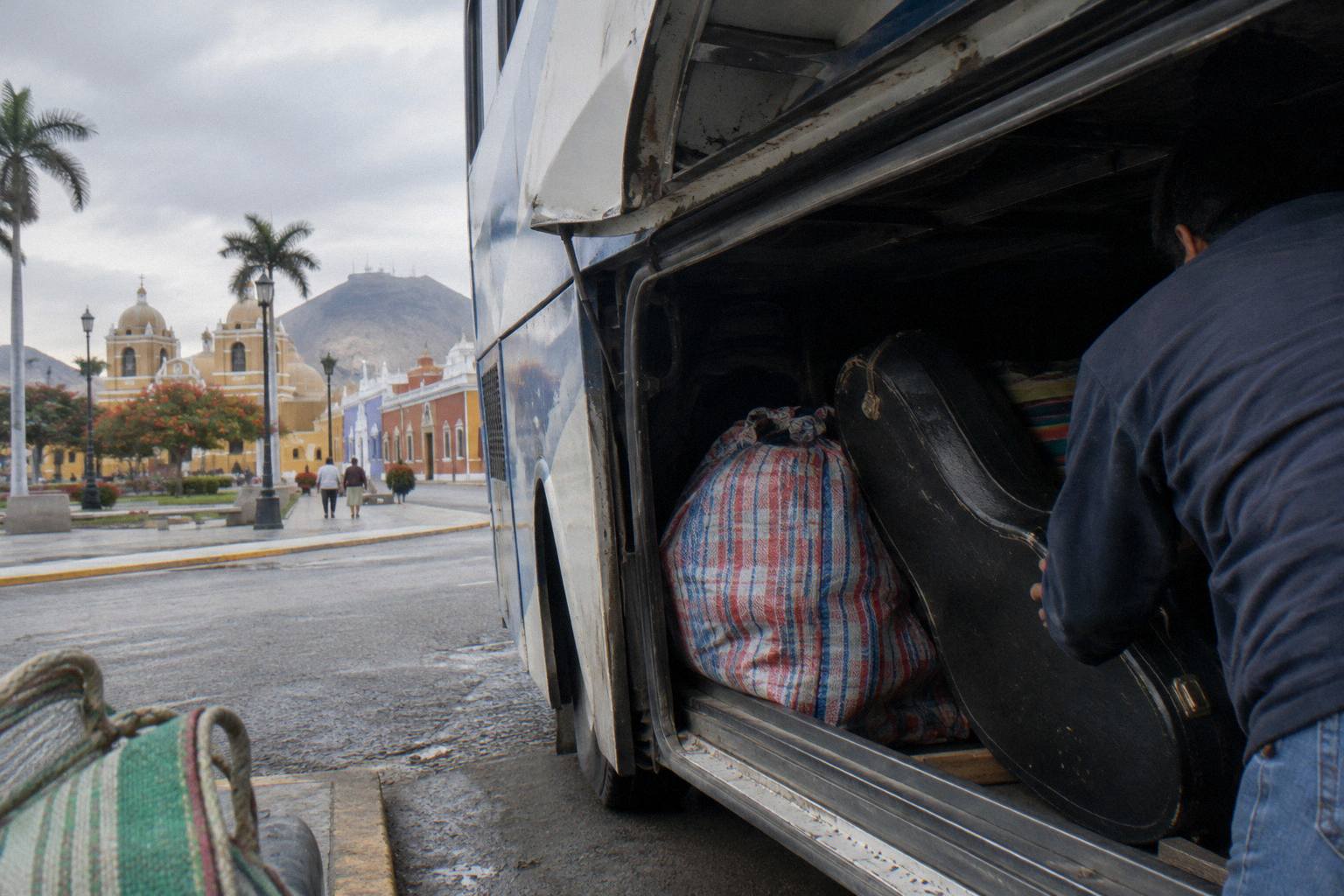
The loop assembles cleanly from the products on this page. The direct bus from Cusco to Arequipa covers the 487 km city pair with a listed 10 hours; the sleeper from Arequipa to Puno crosses the altiplano at night with a 160 degree recline; the Puno to Cusco tourist bus with lunch turns the lake to Cusco leg into a sightseeing day. Each carries free cancellation up to 24 hours before departure as listed, which matters on a loop, because loops get reshuffled. For itinerary shells at different lengths, the two week Peru bus itinerary shows the same corridor strung together with stops along the way.
One last clarification that keeps this whole page honest. A reader arriving with the phrase "Peru train vs bus" in mind may be imagining a country where the two modes run parallel everywhere. They do not. The train network serves a handful of corridors, the bus network serves the country, and the genuine comparisons are the handful printed above: the Machu Picchu front and back doors, and the scenic corridors where a tourist bus competes on the window. That is the whole real contest, and on the bus side of it, every figure here traces to an operator's listing or an official rule. Peru By Bus keeps it that way, printing review counts beside ratings and leaving unverified figures to the pages that own them.
Common Questions About Train Vs Bus Travel In Peru
Is There A Train From Cusco To Puno?
Train details on any Peruvian corridor belong to the train operator's own page, and no rail timetable, fare or class detail is verified here. The verified road alternative is the Turismo Mer tourist bus from Puno to Cusco, rated 4.6 across 24 reviews, listing 11 hours with a lunch stop and free cancellation up to 24 hours before departure as listed.
Can A Bus Get Me To Machu Picchu?
Not to the ruins or to Machu Picchu Pueblo directly. The Machu Picchu by Car Vip tourist bus runs from Cusco's Plaza de Armas to Hidroelectrica station, listing 6 hours with two rest stops, and from Hidroelectrica the final leg toward Machu Picchu Pueblo, at 2,060 m per INEI, is on foot or by the rail connection.
Is The Bus Cheaper Than The Train In Peru?
No train fare is verified for this page, so no price comparison can be made. Among the bus products printed here, prices are not printed either; check the operator's live listing for the current fare before comparing it with anything.
What Happens To Trains When There Are Strikes In Peru?
The FCDO states that protests "can escalate quickly and lead to roadblocks, travel disruption, including trains, and suspension of immigration services at land borders", and the US Embassy advisory notes demonstrations can shut down local roads, trains and major highways without warning. Both modes share the exposure; for roads, SUTRAN's alert map shows closures in real time.
Do The Tourist Buses On This Page Allow Cancellation?
The Puno to Cusco tourist bus, the Arequipa to Puno sleeper, the Cusco to Arequipa direct bus and the Cusco to Hidroelectrica bus each carry free cancellation up to 24 hours before departure for a full refund, as listed. Separately, INDECOPI states a domestic bus ticket can be postponed or transferred with 24 hours notice at only the real reissue cost.
Is An Overnight Bus In Peru A Good Substitute For A Night Train?
No night train fact is verified here, so no substitute claim can be made. What is verified is the Arequipa to Puno sleeper, rated 4.3 across 20 reviews with a 160 degree recline seat and a listed 7 hour night journey, set against FCDO advice to avoid overnight travel in mountainous regions where possible. The choice is the traveller's, with the official advice quoted in full above.