
Peru To Ecuador By Bus: Tumbes, Macara And The Border Crossings
The Peru to Ecuador bus crossing runs through the Aguas Verdes-Huaquillas CEBAF post at Tumbes, staffed around the clock, with two smaller posts in the sierra that need checking before you go.
Short answer
The main Peru to Ecuador bus crossing is Aguas Verdes-Huaquillas (CEBAF Tumbes), which Migraciones says is staffed 24 hours every day. From Mancora the free-flow drive estimate to Tumbes is about 104 km, and Ecuador allows tourists up to 90 days in a year. The Andean Migration Card is mandatory for CAN entries; ask at the post about the paper form.
Crossing from Peru to Ecuador by bus means one main door and two small ones. The main door is the Aguas Verdes-Huaquillas complex, CEBAF Tumbes, where Peruvian and Ecuadorian immigration sit side by side on the coastal plain; Migraciones states the post is staffed 24 hours a day, every day of the year. The two smaller doors, La Tina at Macara and La Balsa in the eastern lowlands, are mountain and jungle posts where sources disagree on status, so the honest instruction is to check before you go. This guide walks the whole chain: how the crossing works, what documents you carry, which bus lines serve the far north, and what to verify the day before departure. For the wider picture of intercity buses in the country, Peru By Bus covers classes, terminals and ticket rules across the network, and the north coast bus route guide covers the corridor that feeds this border.
The frontier itself is short on the map, barely a line through mangrove flats, dry forest and high sierra between the two countries, but the experience of crossing it depends almost entirely on which of the three posts your route touches. A coastal traveller coming up the Panamericana Norte never sees the mountains at all. A traveller looping through Cajamarca or the Chachapoyas region faces a completely different set of roads, altitudes and border posts. That asymmetry is why this page keeps the three crossings separate rather than blending them into one generic "Peru Ecuador border" picture.
How Do You Cross From Peru To Ecuador By Bus?
The standard crossing is the binational CEBAF post at Aguas Verdes on the Peruvian side and Huaquillas on the Ecuadorian side, near Tumbes. Migraciones describes the post as staffed 24 hours, 365 days a year, which makes it the practical choice for buses arriving from Lima, Trujillo, Chiclayo, Piura or Mancora. You leave Peru through Peruvian migration, walk or ride the short distance between the national halls, and enter Ecuador through Ecuadorian migration, all inside one border complex.
Two further posts exist on the shared frontier. La Tina, facing Macara, sits in the sierra and serves a different set of towns from the coastal corridor. La Balsa lies in the eastern lowlands. Official pages from Peru and Ecuador list both, but other government advice conflicts on their current status, so check La Tina and La Balsa before you go, and check with your bus operator or the official Migraciones pages if your route uses either one.
A note on scope: no international bus ticket from Peru into Ecuador appears among this site's ticket listings, so this page covers the crossing mechanics and the Peruvian side of the journey rather than a specific cross-border product. The practical chain for a coastal crossing is a domestic bus to Tumbes or Aguas Verdes, the migration halls, then onward transport from Huaquillas or Machala on the Ecuadorian side. Some cross-border services historically ran through from Peruvian cities into Ecuador, but nothing verified about their schedules, fares or operators can be printed here, so the safe plan is a domestic ticket to the border area and a separate onward booking made once you are through.
| Question | Answer |
|---|---|
| Main crossing | Aguas Verdes-Huaquillas, the CEBAF Tumbes complex |
| Staffing | Migraciones states 24 hours, 365 days a year |
| Peruvian exit step | Peruvian migration at the CEBAF complex |
| Ecuadorian entry step | Ecuadorian migration in the same complex |
| Other posts | La Tina (Macara) and La Balsa, check before you go |
| Visa basis | Ecuador allows tourists up to 90 days in a year, extendable once by 90, per the Ecuadorian migration authority |
The Andean Migration Card question comes up at every CAN border and is covered in full below. The short version: Peru calls the TAM mandatory, and whether a paper form is handed out at a land post is something to ask at the post itself rather than assume. Keep every piece of paper the border hands you in the same place as your passport, because the exit desk on either side can ask for what the entry desk issued.
Which Border Crossing Should You Use: Tumbes Or Macara?
For a coastal itinerary, use Tumbes. The Aguas Verdes-Huaquillas CEBAF complex is built for exactly this traffic, with 24-hour staffing, and every major northern bus corridor ends within reach of it. Macara's La Tina post suits travellers already in the northern sierra, for instance coming from Ayabaca or Loja, but its status is not stated consistently across official sources, so confirm it before planning around it.
The choice is really a choice of geography. The Panamericana Norte runs up the coast through Trujillo, Chiclayo, Piura and Mancora to Tumbes, near sea level the whole way. A sierra routing through Cajamarca or Chachapoyas puts you on interior roads and would reach Ecuador through the mountain posts instead. For most itineraries built around the coast, the Tumbes complex is the crossing the journey naturally feeds.
If your trip starts in Lima, the first leg is a long northern ride, and some travellers break the journey or combine it with a completely different route while they are at it. These three tickets are the listings this site carries for the first legs out of Lima, useful if your border run begins with an airport arrival or a coastal start:
Episodic local measures are why the standing advice for both minor posts is simply to check current status before you commit. The Government of Canada's Peru page, which covers border dynamics alongside its bus safety advice, is a reasonable second source; it can be read at travel.gc.ca.
Budget thinking also differs between the two doors. The coastal chain is served by the large national carriers with multiple daily departures between every pair of cities along the way, which means competitive fares, multiple seat classes and the option to split the journey at Mancora, Piura or Chiclayo. The sierra posts sit at the end of thinner roads with smaller operators and fewer departures, so a missed connection or a closed post there costs far more time than the same problem on the coast. Weigh that asymmetry when a map makes the mountain crossing look shorter.
What Happens At The Aguas Verdes-Huaquillas CEBAF Crossing?
You exit Peru at Peruvian migration, then enter Ecuador at Ecuadorian migration, inside one shared binational complex. Peru's TAM page says the Andean Migration Card is a mandatory control document for entering and leaving CAN territory, and Migraciones notes it is received on entering Bolivia, Colombia or Ecuador, so have it, or ask for it, at the Peru exit desk. Ecuador grants tourists up to 90 days in a year, extendable once by 90.
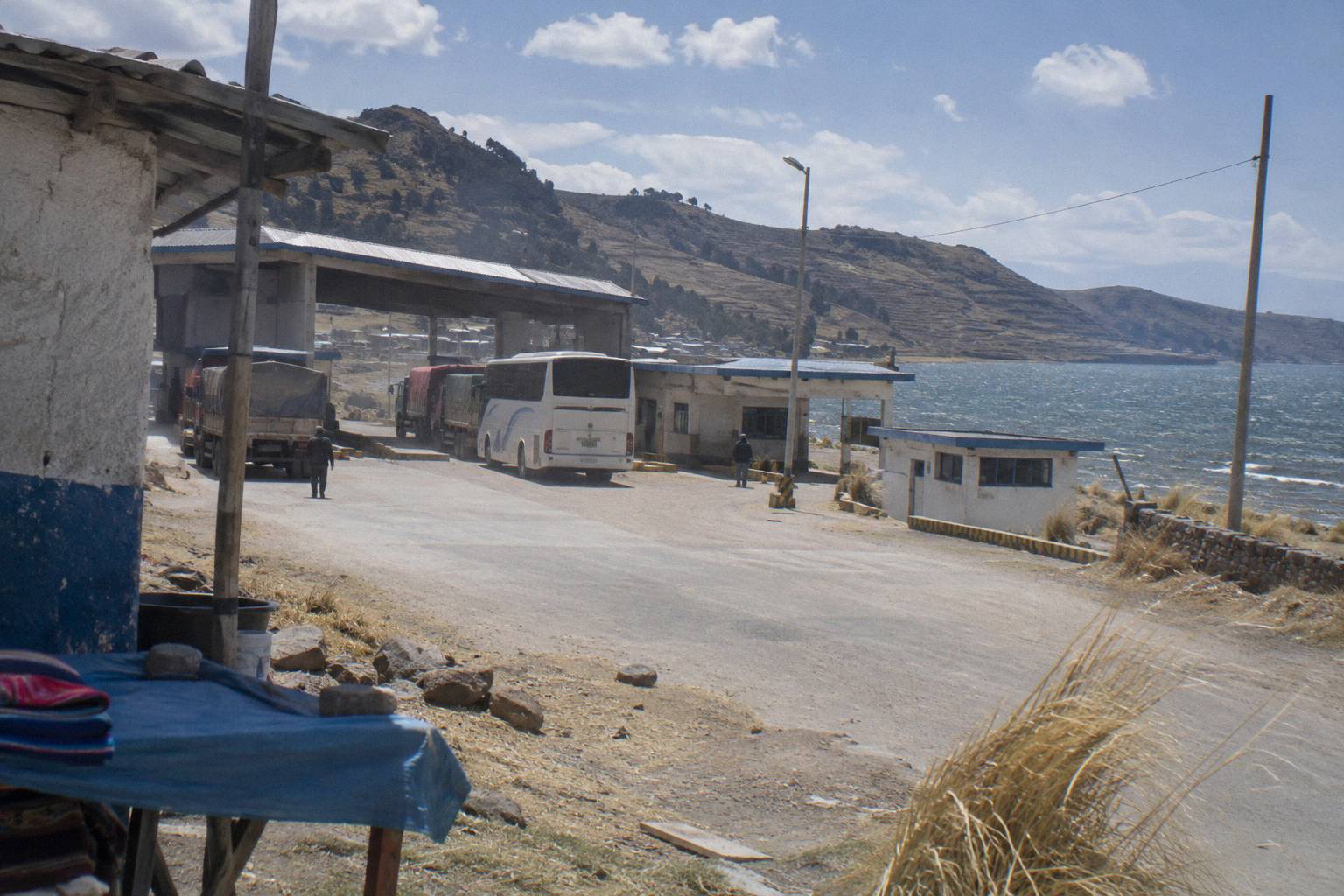
The physical process at a CEBAF is simpler than at the older single-nation posts because both states operate in one place. Buses stop at the complex; passengers go through exit formalities on the Peruvian side, then entry formalities on the Ecuadorian side; luggage typically comes off for inspection at the Ecuadorian hall. Nothing in the official material fixes how long any step takes, and no realistic figure exists, so plan a buffer rather than a tight connection on the Ecuadorian side.
On the Peruvian exit stamp, the FCDO's Peru advice is direct about carrying documents: "on bus journeys, keep your passport with you". The full safety page is at gov.uk, and its terminal warning matters here too: "There is a risk of robbery by criminals posing as taxi drivers, especially at Jorge Chavez International Airport and bus terminals", and the advice adds to "use one of the taxis registered at bus terminals". Border towns concentrate exactly the kind of informal transport that warning describes, so use registered cabs at the terminals on both sides.
If your journey to the border starts with a flight into Lima, the airport-to-city leg is its own decision. The Airport Express Lima bus from Lima airport to Miraflores runs from US$6.5 per person on its listing, in an air-conditioned luxury bus, with the listing giving about 1 hour for the ride and free cancellation up to 24 hours before for a full refund.
Onward from Lima to the north, you are into the long domestic legs described below. The border itself is the easy part; the miles before it are the journey. Two habits make the CEBAF step smoother: have your passport open at the photo page before you reach each desk, and confirm with your driver, before you leave the bus, whether the vehicle waits at the complex or you re-board a different service after migration. Answers differ by operator and neither is printed in any verified schedule.
Do You Need A TAM Card Or A Visa To Enter Ecuador?
Peru calls the Tarjeta Andina de Migracion a mandatory control and statistics document for entering and leaving the CAN countries, and states it is received on entering Bolivia, Colombia or Ecuador. Whether a paper TAM is still handed out at land posts is not settled on the official page, so ask at the post. Ecuador allows tourists up to 90 days in a year, extendable once by another 90.
The TAM's own page, which is the source for everything printed here, is at gob.pe. The page describes virtual TAM suppression of printed forms at Jorge Chavez airport and cruise ports, but says nothing clear about land posts, which is why the instruction is to ask rather than assume. Losing a TAM on the way out has historically caused delays, so keep whatever you are given with your passport, not in checked luggage.
Visas are a passport-by-passport question. Ecuador's rule for tourists, up to 90 days within a year with one 90-day extension, comes from the Ecuadorian migration authority. Nothing about Ecuador entry by nationality can be generalised safely, and the same caution applies to any later Bolivia leg on a combined trip: check the Bolivian consulate for your passport before assuming visa-free entry. On the Peruvian side, if you are completing a long stay, Migraciones lists up to 183 days within 365 for tourists, not extendable.
How Long Is The Bus Ride To The Border From Lima?
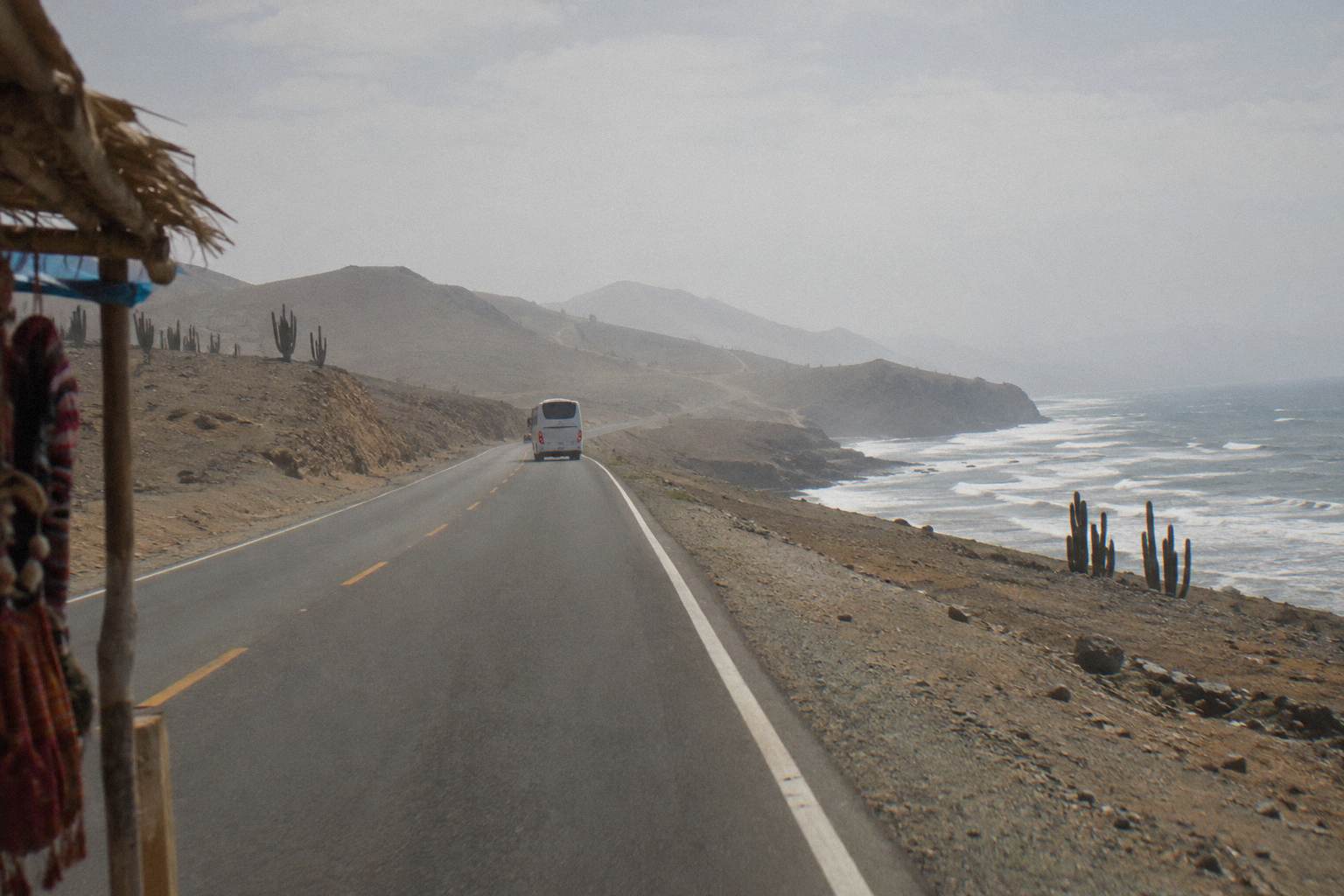
No timetable time can be quoted honestly, because no operator schedule for this corridor is published in the verified material. What exists are free-flow drive estimates that real bus journeys exceed: Lima to Trujillo about 557 km and 9.1 hours, Trujillo to Chiclayo about 199 km and 3.2 hours, Chiclayo to Mancora about 401 km and 5.3 hours, and Mancora to Tumbes about 104 km and 1.5 hours.
Those four figures come from the OSRM routing engine with city-centre endpoints, which means no stops, no terminal time and no traffic. A real journey stacks all of those on top, so read each estimate as the floor, not the plan. The Mancora to Tumbes figure in particular stands in for the run to the border area, not to the border post itself; Aguas Verdes sits beyond Tumbes and adds its own distance.
| Segment | Distance (km) | Free-flow drive estimate |
|---|---|---|
| Lima-Trujillo | 557 | 9.1 h |
| Trujillo-Chiclayo | 199 | 3.2 h |
| Chiclayo-Mancora | 401 | 5.3 h |
| Mancora-Tumbes | 104 | 1.5 h |
Add the segments and the free-flow floor for the full Lima-to-Tumbes chain sits near 19 hours of pure driving, before a single rest stop, terminal check-in, meal break or traffic jam. That arithmetic is why almost nobody does this in one sitting: the standard pattern is to break at Trujillo, Chiclayo or Mancora, each of which has multiple terminals, hotels within reach and onward departures through the day. Breaking the journey also protects you against the disruption risks covered further down, since a road closure between Chiclayo and Piura then costs one leg instead of a whole itinerary.
Travellers with more time than one long coast run sometimes split the north differently, and the Andes are a genuine alternative to the coast. The First Class Huaraz bus ticket from Lima to Huaraz covers a different northern corridor entirely, the Callejon de Huaylas at altitude, from US$50 per person on its listing, with the listing giving about 9 hours for the ride; read the fine print, because this ticket is the one that says non-refundable and cannot be changed, and passport numbers and full names are needed to print it. Check availability
Which Bus Companies Run The Northern Route To Tumbes?
The verified operator pages point to a northern set of Linea, Oltursa, Civa and Movil Bus. Linea's own route list is northern-only: Lima, Chimbote, Trujillo, Pacasmayo, Chiclayo, Piura, Huaraz, Cajamarca, Chepen and Jaen. Oltursa's terminal pages run through Mancora and Tumbes-region stops, and Movil Bus concentrates on Lima to Huaraz, Chiclayo, Trujillo, Chachapoyas, Cajamarca, Tarapoto and Oxapampa.
Each company boards from its own address, and terminals differ by firm even in the same city, so the rule is to confirm the departure point on the operator's page for your date. The addresses below are the ones confirmed on operator pages; where an operator lists no street for a city, none is invented here.
| Operator | Northern points on its own pages | Example terminal address |
|---|---|---|
| Linea | Lima, Trujillo, Chiclayo, Piura, Huaraz, Cajamarca | Chiclayo: Av. Francisco Bolognesi 638 |
| Oltursa | Trujillo, Chiclayo, Piura, Mancora | Mancora: Av. Grau 509 |
| Cruz del Sur | Trujillo, Chiclayo, Piura | Trujillo: Av. Amazonas 437 |
| Movil Bus | Lima, Trujillo, Chiclayo, Cajamarca, Chachapoyas | Lima: Av. Tomas Valle 651, Terrapuerto del Norte |
Seat classes on this corridor come from each operator's own descriptions. Linea lists Super VIP at 180-degree cama seats, VIP at 160, Dorado at 160 and Especial at 145. Movil Bus lists Economico at 120 degrees, Ejecutivo VIP at 140/160, Presidencial at 160 and Premier at 160 with a full-flat 180 on the second level. Oltursa names economico and bus cama VIP classes and states no recline degrees, so none are printed. The class ladder and what each name means in practice is unpacked in the Peru bus classes explained guide.
Luggage rules are broadly aligned: the national regulation allows up to 20 kg in the hold on national service, and Linea, Oltursa, Cruz del Sur and Movil Bus each state 20 kg allowances on their own pages, with hand-luggage caps of 5 kg at Oltursa, 6 kg at Cruz del Sur and 8 kg at Movil Bus. The full allowance picture is in the Peru bus luggage guide. For a border run, pack so that documents, money and electronics ride in your day bag rather than the hold, since hold access mid-journey is limited and luggage claims at the far end are slower than a kept passport.
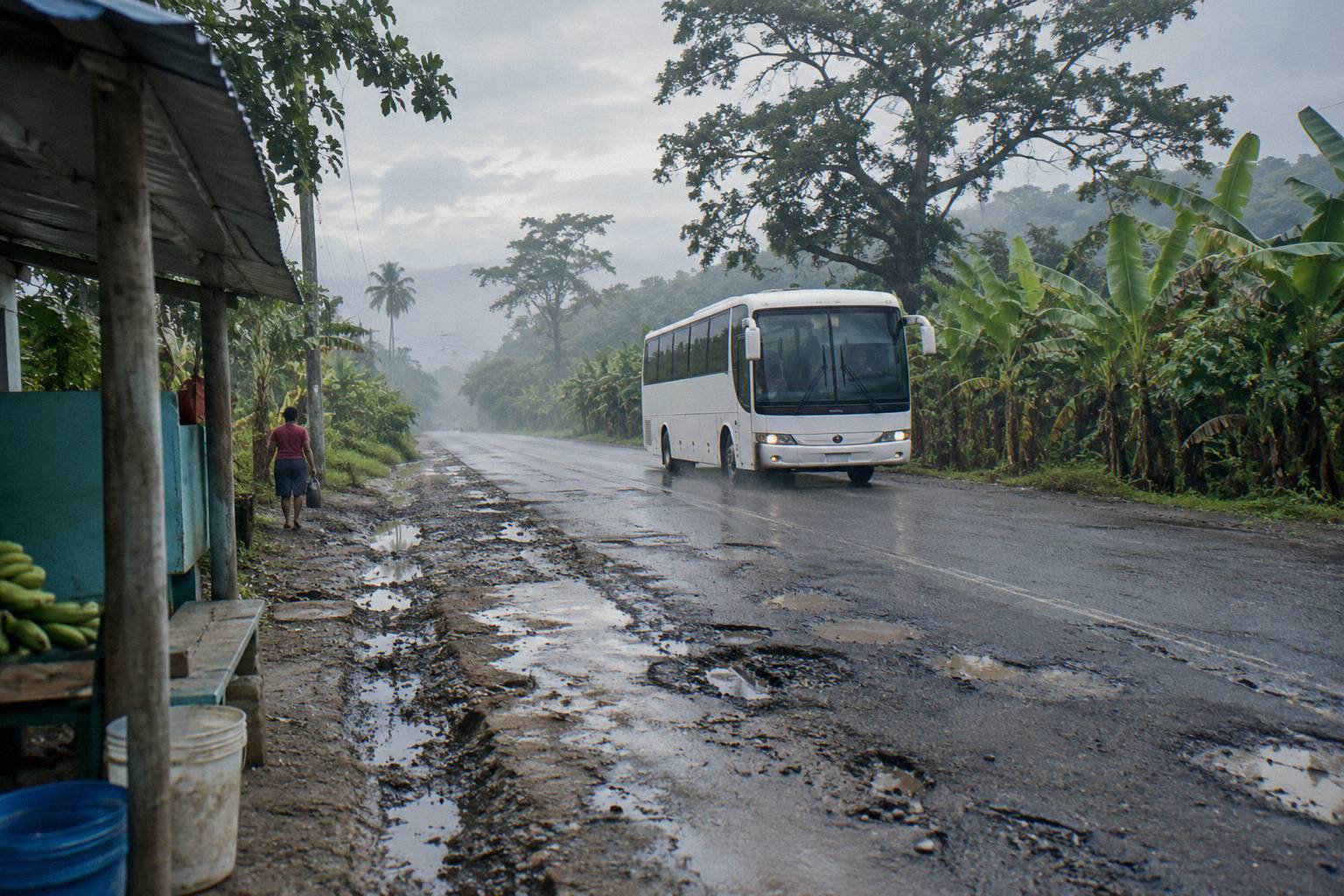
Before boarding any bus in Peru, SUTRAN offers a lookup that checks a bus and its driver by plate number or driver DNI, so you can confirm papers are in order; the service is at gob.pe. Booking in advance through an operator page or ticket listing gives you the plate before travel day, which makes the check possible at all.
Is The Northern Route Affected By Strikes, Protests Or El Nino?
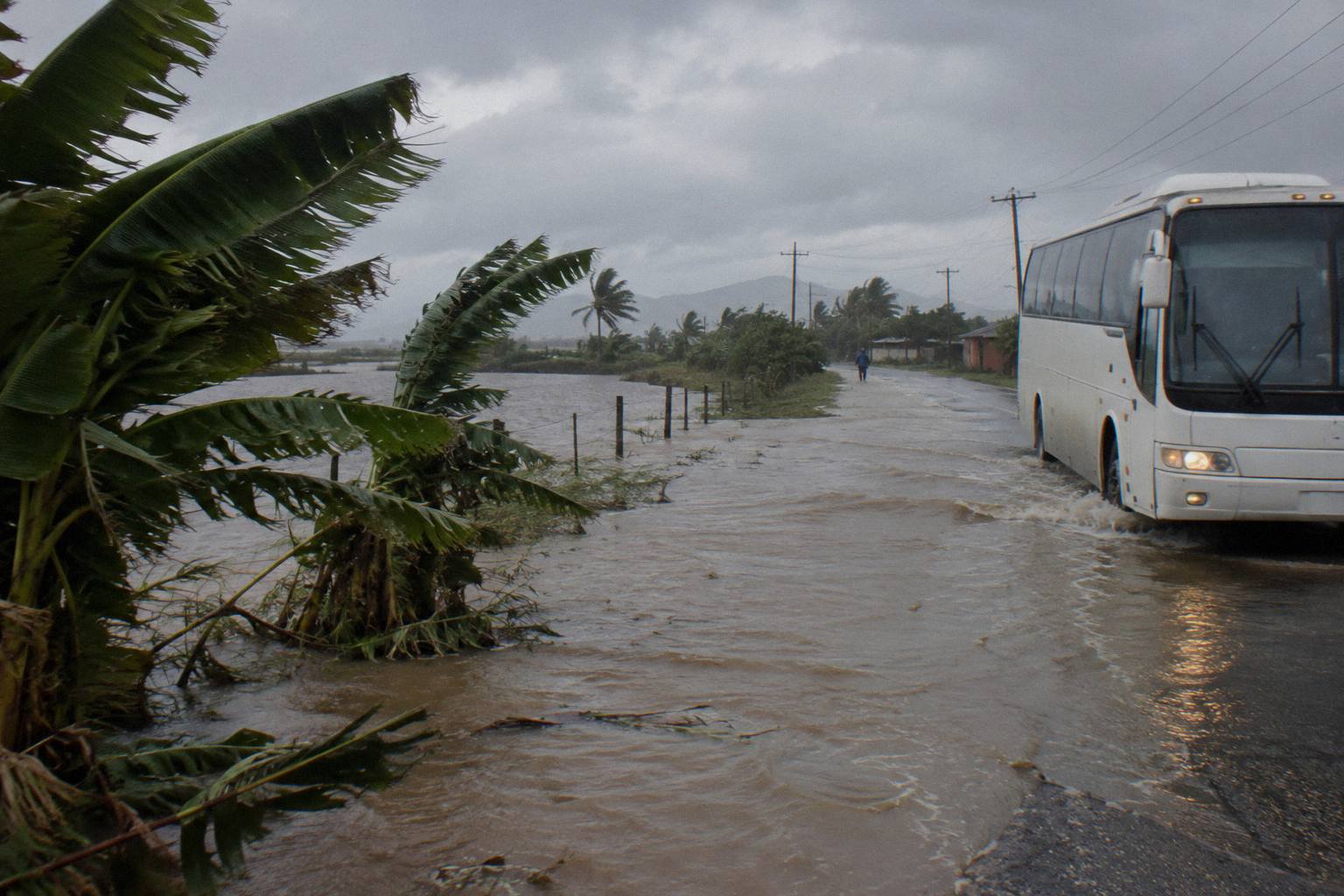
Yes, and the official record is specific. The FCDO states: "Through late 2026 to April 2027, the El Nino weather event is expected to generate heavy rainfall, possible flooding, landslides, and mudslides, especially in, but not restricted to, the northern and central coast. These could cause travel disruption, such as road closures." The northern coast is exactly the corridor this border run uses, so the wet-season risk here is a named, official concern, not a rumour.
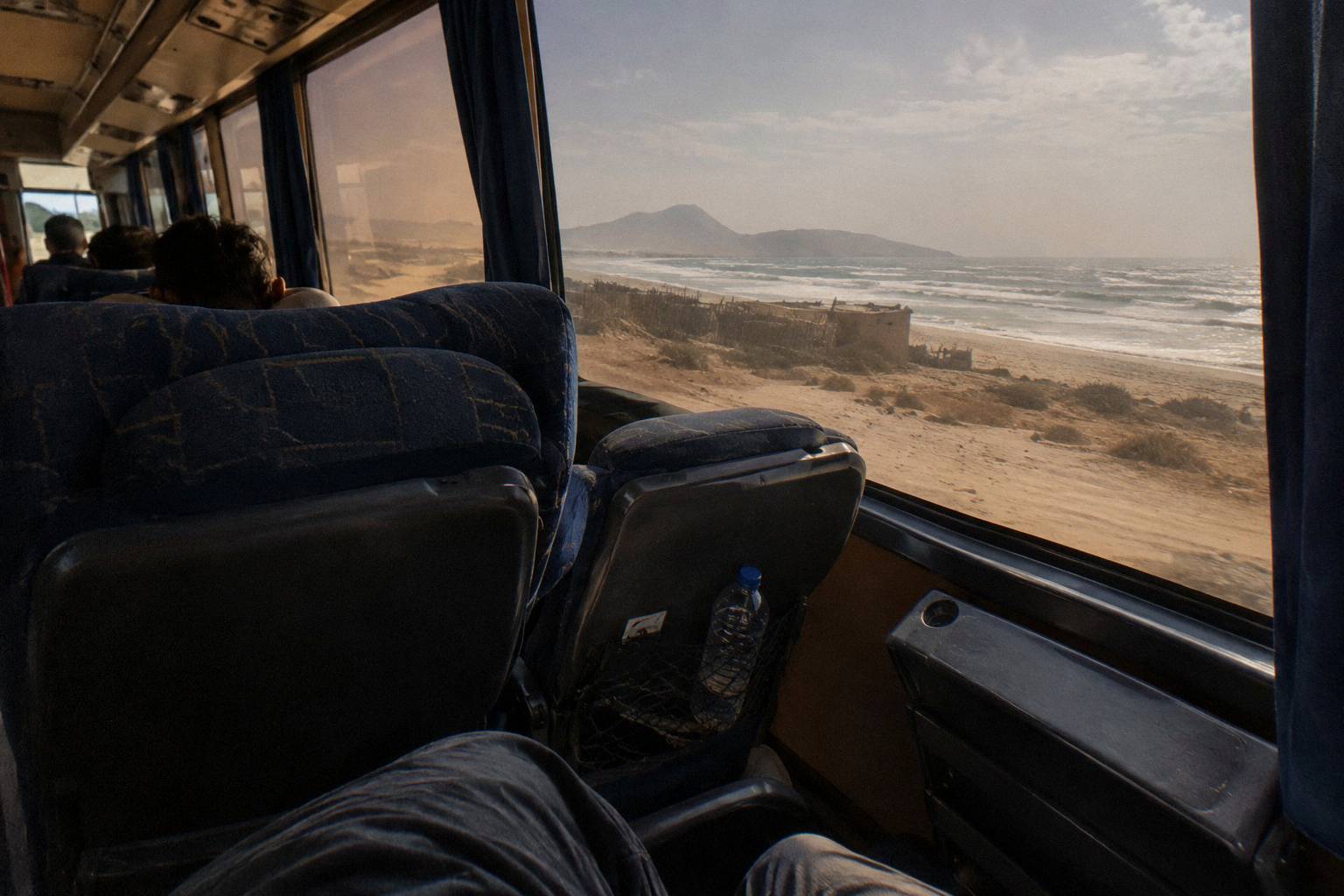
Protest risk compounds it. The FCDO notes that "Political protests in Peru are unpredictable and can escalate quickly" and can lead to roadblocks, and adds "Do not attempt to pass blockades". La Libertad, the region containing Trujillo, is among the regions the FCDO names with recent protests. Canada's advice is blunter on the mode: "Intercity bus travel can be dangerous due to the risk of bus accidents, which are usually caused by excessive speed, poor vehicle maintenance and driver fatigue", with the added warning that "Armed gangs have been known to stop buses to rob travellers, especially at night" and the instruction "Avoid taking buses and coaches at night".
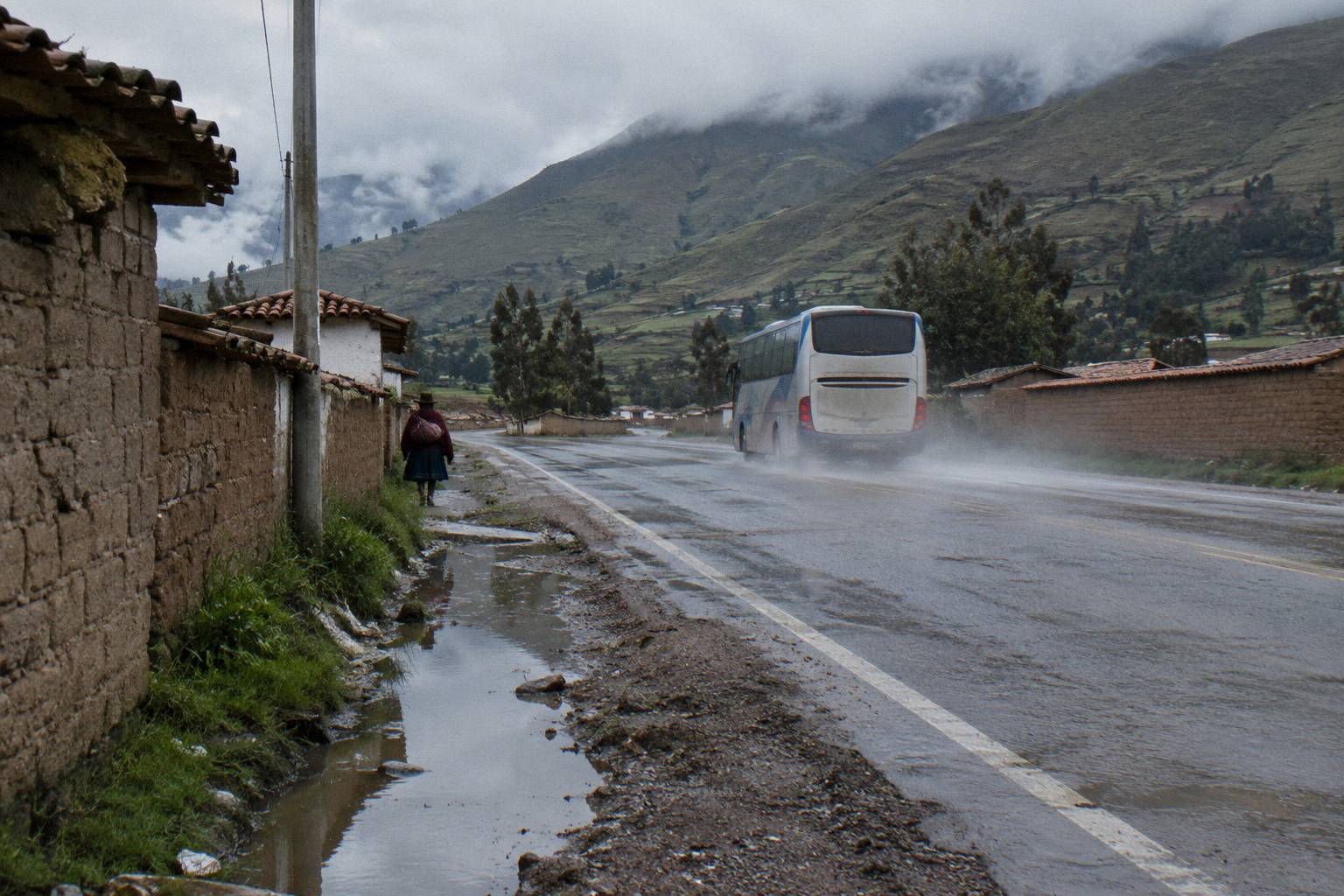
The US Embassy in Lima, republishing the State Department advisory, sets the overall level at "Level 2 - Exercise Increased Caution" and notes that "Criminal groups sometimes set up roadblocks to rob people in areas outside of Lima" and that "Demonstrations can shut down local roads, trains, and major highways. This often happens without warning or clear information on reopening times." None of this says stay home; it says build slack into a northern itinerary, keep the day's documents on your body, and treat an unscheduled stop with calm rather than curiosity.
The practical tool for the day before travel is SUTRAN's interactive alert map, which shows roads in red when closed, yellow when restricted and green when open, with causes including natural events, accidents and social blockades; it runs at alertasviales.sutran.gob.pe. Combined with a check of your carrier's own notices, that covers most of what you can verify in advance. What to do if a blockade actually stops your bus is its own subject, covered in the what to do at a road block guide.
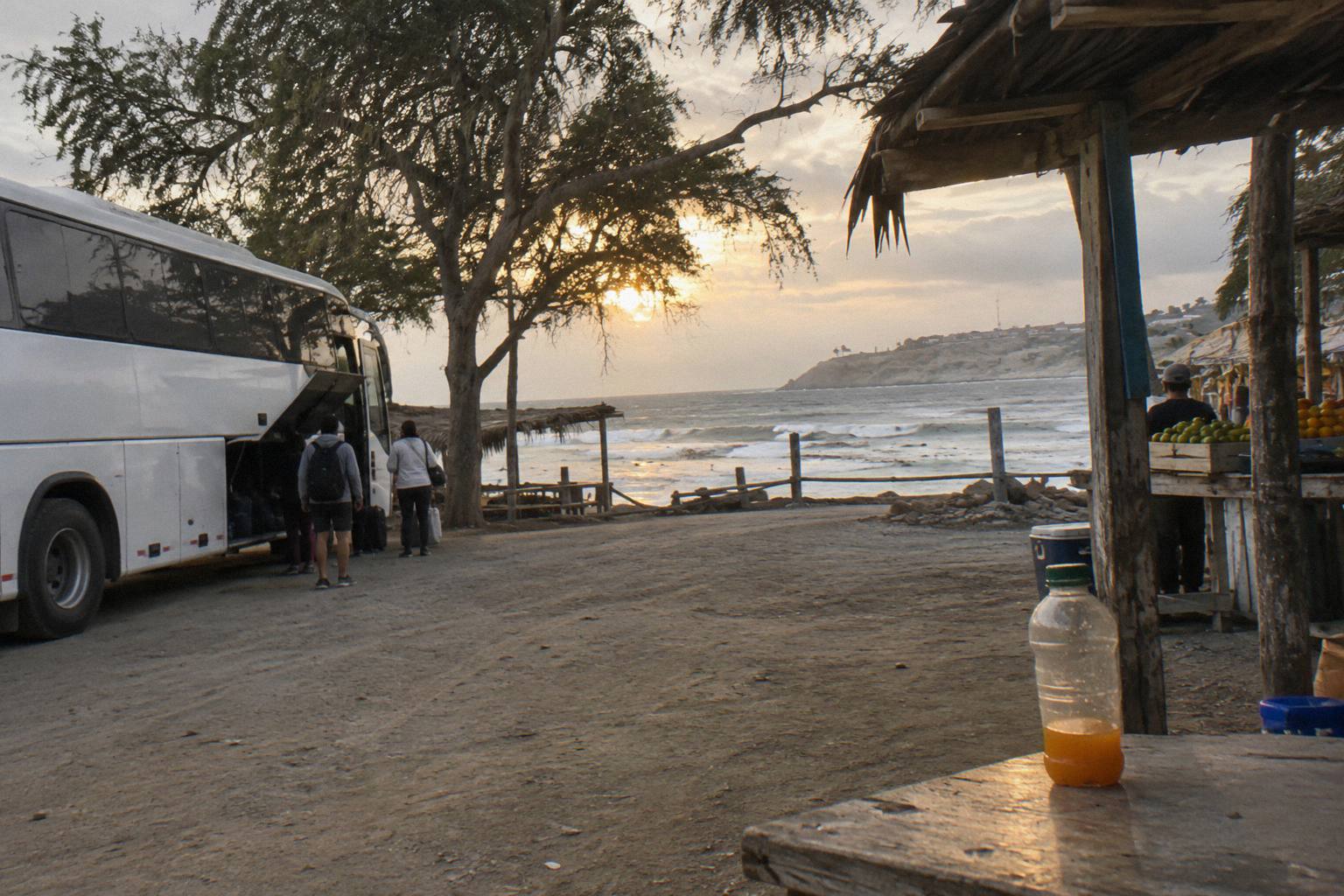
What Should You Check Before The Day You Travel To The Border?
Check four things: road status on SUTRAN's alert map, your bus and driver on SUTRAN's plate lookup, current status of La Tina and La Balsa if your route uses either minor post, and your own documents, passport validity and TAM handling at the post. Each check takes minutes and each maps to an official source, which is more than can be said for most border folklore.
On tickets, one right is worth knowing on the Peruvian side: INDECOPI states a domestic bus ticket can be postponed or transferred with at least 24 hours' notice, with only the real cost of reissue chargeable and no penalty. That is the national consumer rule, distinct from any individual listing's cancellation terms, and complaints go through the carrier's Libro de Reclamaciones or INDECOPI's Reclama Virtual portal. It is a strong reason to buy your northern legs as separate tickets rather than one unbroken chain: a delay on the first leg then triggers a cheap reissue instead of a cascade of missed departures.
If your plans lean south instead of north after all, the coast south of Lima carries its own hop-on style products; the Wayki Bus Peru one-way bus from Miraflores in Lima to Paracas, rated 4.2 across 62 reviews, runs Lima to El Chaco in Paracas with the listing giving 3 hours and free cancellation up to 24 hours before for a full refund, a different animal from a border run but the same idea of a tourist bus with a named drop-off.
For the border itself, the checklist is short and boring, which is the point: passport with validity, TAM asked for at the post, the SUTRAN map green on your corridor, and a registered taxi at whichever terminal the journey ends in. Do those four things and the crossing is a formality; skip them and any one of them can cost an afternoon at a counter.
Common Questions About The Peru To Ecuador Bus Border
Is The Peru To Ecuador Border Open 24 Hours?
At Aguas Verdes-Huaquillas, yes: Migraciones states the CEBAF Tumbes complex is staffed 24 hours a day, every day of the year. La Tina and La Balsa are different posts with no consistent official status; check before you go.
Do I Need A TAM Card To Enter Ecuador?
Peru calls the Tarjeta Andina de Migracion a mandatory document for entering and leaving CAN countries, including Ecuador. Whether a paper form is handed out at land posts is not stated on the official page, so ask at the post and keep whatever you are given with your passport.
Which Bus Companies Go From Lima To The Ecuador Border?
Linea runs a northern-only network including Trujillo, Chiclayo and Piura; Oltursa serves the north through Mancora; Movil Bus runs Lima to Trujillo, Chiclayo, Cajamarca and Chachapoyas. Boarding points differ by company and city, so confirm the address on the operator's page.
How Long Does The Bus Take From Lima To Tumbes?
No verified timetable exists for the full run. The free-flow drive estimates are about 9.1 hours Lima to Trujillo, 3.2 hours Trujillo to Chiclayo, 5.3 hours Chiclayo to Mancora and 1.5 hours Mancora to Tumbes, and real journeys with stops exceed every one of those figures.
Is La Tina At Macara Open?
Official sources disagree on the current status of La Tina and La Balsa, so nothing definitive is printed here. Check with your bus operator and the Migraciones pages before planning a route through either post.
Can I Cross To Ecuador And Come Back Into Peru On A Tourist Stay?
Migraciones lists up to 183 days within 365 for tourists in Peru, not extendable. Re-entry after a trip to Ecuador starts a fresh assessment at the border; carry proof of onward travel if asked.