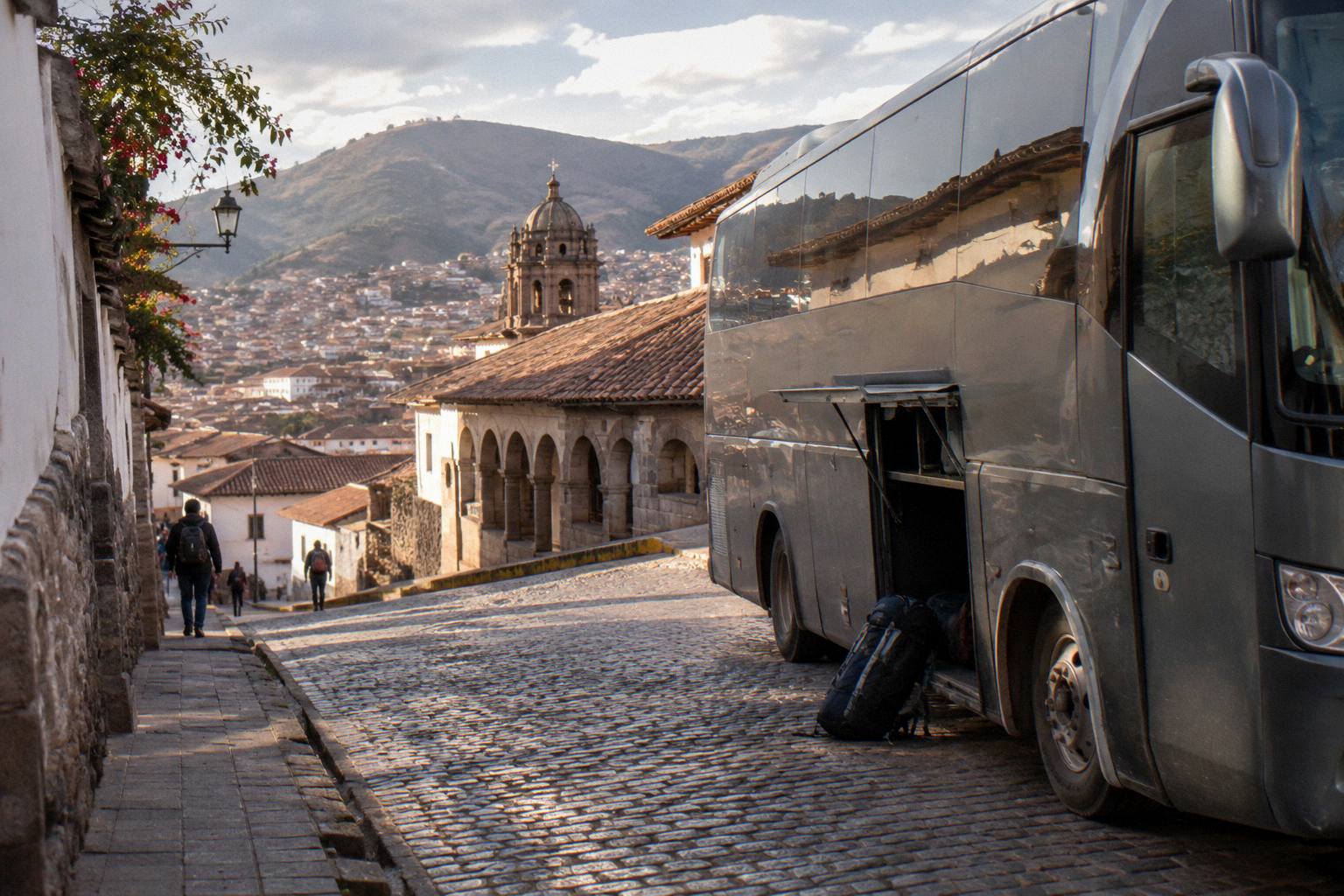
Peru Hop Vs Public Bus In Peru: Cost, Comfort And Flexibility
One option sells a guided circuit with hotel pickup and the freedom to stop anywhere for a year. The other sells individual seats on scheduled interprovincial coaches through city terminals. This guide compares them on the things a buyer can check before paying.
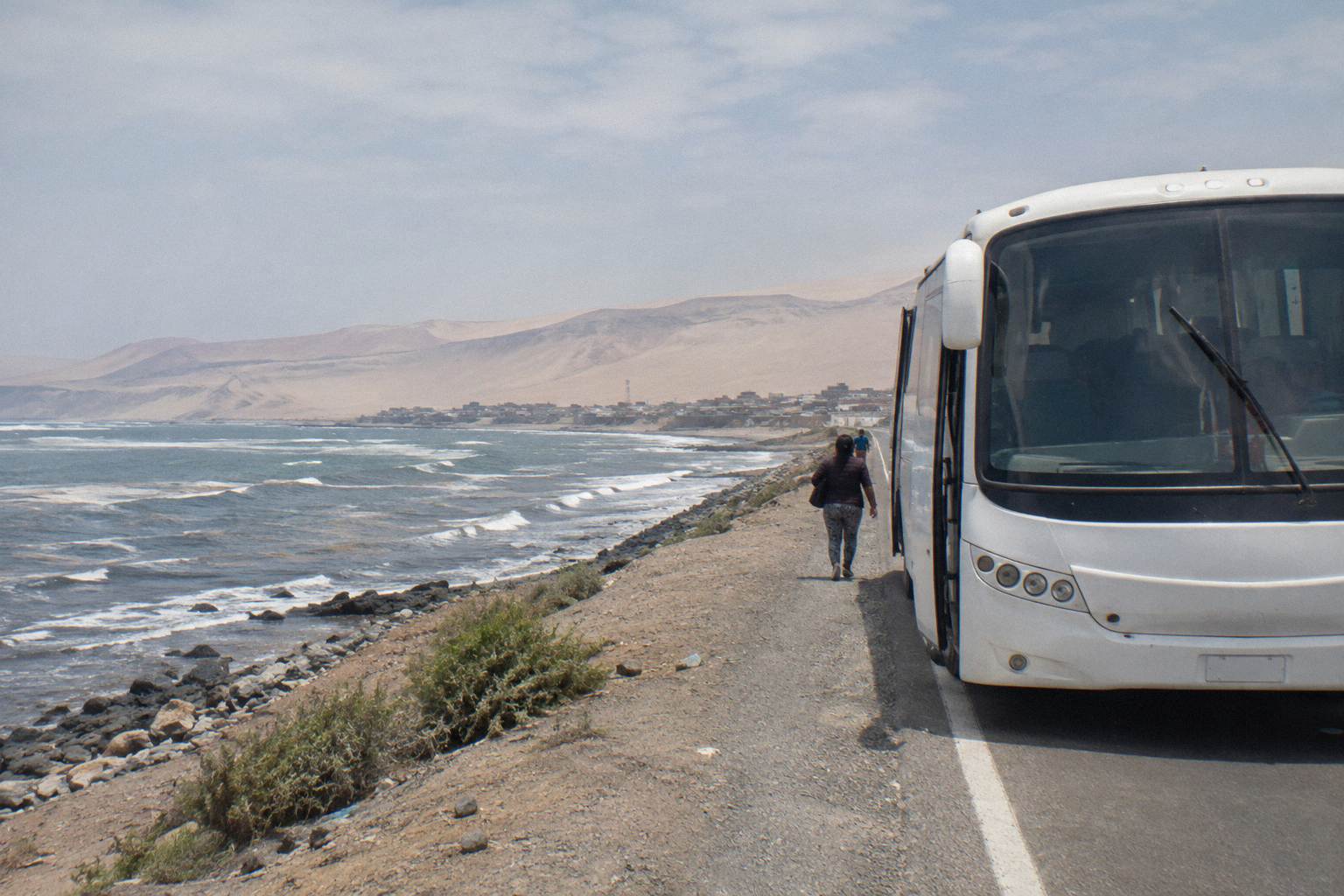
Short answer
Peru Hop is a hop-on hop-off pass network covering southern Peru and Bolivia, with hotel pickup, a bilingual host on each bus, hidden stops and app-based changes up to 12 hours before departure. Public buses are scheduled interprovincial services from companies such as Cruz del Sur and Oltursa, boarded at city terminals, with recline classes from 120 to 180 degrees and 20 kg hold luggage under regulation.
Two products sit side by side in every Peru search result, and they are not versions of the same thing. Peru Hop sells a hop-on hop-off pass across a fixed network of southern routes in Peru and into Bolivia, with hotel pickup and a host on board. Public buses are the scheduled interprovincial services of companies like Cruz del Sur, Oltursa, Civa, Movil Bus and Linea, bought one leg at a time from terminals. The honest comparison is not which is better in the abstract. It is which model fits the route, the pace and the amount of planning a traveller wants to do, and this guide works through each of those differences using what each side actually lists.
| Question | Hop-On Network | Public Bus Companies |
|---|---|---|
| What you buy | A pass valid for 1 year over a set network | A single ticket per leg |
| Where you board | Hotel or Airbnb pickup, per its pass terms | Company terminals at origin and destination |
| Who is on board | A local bilingual host on every bus | Crew per the operator's own service listing |
| Changing plans | A bus time can be changed in the app up to 12 hours before departure, Peru Hop reports | INDECOPI says a domestic ticket can be postponed or transferred with 24 hours notice at the real reissue cost |
| Coverage | Southern Peru plus Bolivia passes | Nationwide, north, centre and south |
What Is The Real Difference Between The Two Ways Of Traveling?
A hop-on hop-off pass bundles a corridor into one product: one ticket, a fixed list of stops, pickup at your accommodation and staff who speak English on the coach. Public buses sell point-to-point seats between terminals, and everything else, connections, accommodation, stops between cities, is the traveller's own arrangement. Neither is a luxury version of the other; they are different purchases with different work attached. The pass model answers the question "how do I see the south without building an itinerary from scratch". The terminal model answers "how do I get from this city to that city on a specific day". Plenty of trips mix the two: a pass for the classic Lima-to-Cusco chain, individual tickets for a spur such as Huaraz or the north coast, which the hop-on network does not serve.
Peru Hop reports more than 395,000 passengers since 2013, 20,000+ reviews on TripAdvisor and 8,000+ on Google, which gives a sense of scale but says nothing about any individual leg. The public market has no equivalent single figure because it is a market, not a company: Cruz del Sur, Oltursa, Civa, Movil Bus and Linea each run their own fleets, classes and terminals, and a traveller comparing them is comparing five different product catalogues. That structural difference drives everything below. For a fuller picture of how scheduled coaches work, see the guide to how Peru bus travel works.
The honest caveats on the pass side are about shape, not quality. Some legs are long, Nazca to Arequipa being the one named most, and some later legs on a pass run in the evening or overnight. On the public side, the equivalent caveat is friction: buying five separate tickets, finding five separate terminals, and re-planning each connection yourself if a strike or a road closure breaks the chain. The Peru bus delays and strikes guide covers that failure mode in detail.
Hotel Pickup Or City Terminal: How Does Boarding Compare?
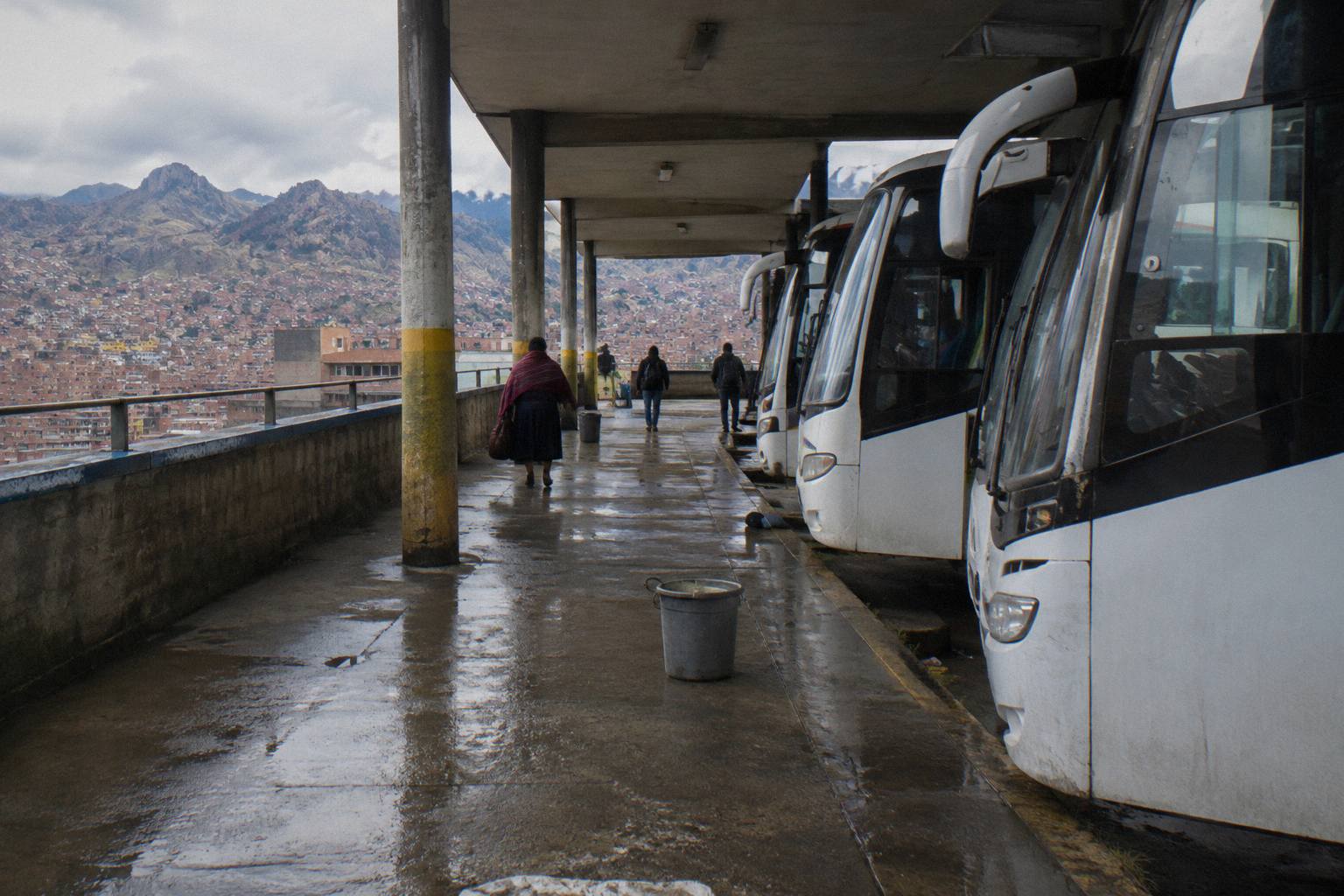
The hop-on network collects passengers at their hotel or Airbnb, per its pass terms, with no terminal visit and no taxi at the origin end; public buses board inside company terminals, because Peru's national transit regulation requires regular carriers to use habilitated terminals and forbids using the public road as one, so there is no kerbside pickup on a scheduled service. The practical gap is the one government advice keeps pointing at. The UK FCDO states: "There is a risk of robbery by criminals posing as taxi drivers, especially at Jorge Chavez International Airport and bus terminals", and advises travellers to "use one of the taxis registered at bus terminals". A product that removes the terminal-and-taxi step at the start of a leg removes a specific, documented risk point, not bus travel's risks in general.
| Boarding Step | Hop-On Pass | Scheduled Public Ticket |
|---|---|---|
| Getting to departure | Pickup at your accommodation, per pass terms | Own arrangement to the company terminal |
| Security screening | Not stated on the network's pages | Cruz del Sur lists DNI control and a metal detector |
| Waiting area | Your hotel or Airbnb before pickup | The operator's terminal building |
| At the destination | Drop-off points listed per route | The company's terminal at the arrival city |
Terminals have real advantages once you are inside them. They are staffed, they have signage, and the biggest companies run their own buildings with their own procedures: Cruz del Sur's Lima operations sit at Terminal Javier Prado, Av. Javier Prado Este 1109, Urb. Sta. Catalina, La Victoria, with a VIP lounge listed on its comfort page, while Oltursa boards in Surquillo at Jiron Manuel Portocarrero No 380. Cruz del Sur lists DNI control, a metal detector and video recording of passengers as part of its terminal routine. The catch is getting there and away, in a city, with luggage, at the hours interprovincial coaches run. The Peru bus terminals by city guide maps the main addresses.
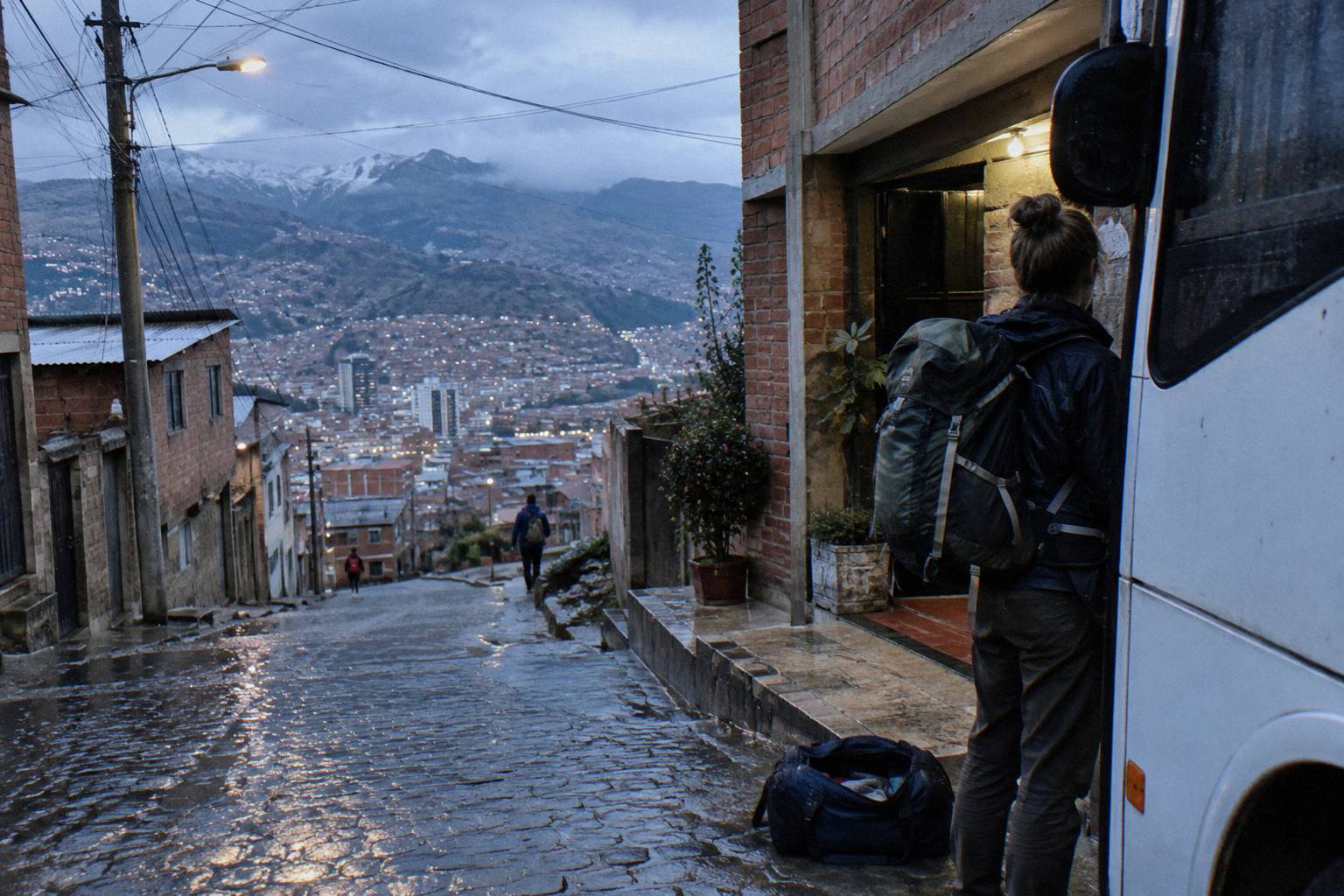
A middle path exists and it is worth naming. Tourist one-way buses run on individual legs of the classic corridor with hostel or district pickup and none of the pass commitment. The Wayki Bus one-way from Miraflores to Paracas boards in the Miraflores and Barranco districts, drops at El Chaco in Paracas, and its listing gives 3 hours for the leg; it is rated 4.2 across 62 reviews and carries free cancellation up to 24 hours before for a full refund, as listed. For a single south-coast hop it answers the boarding question the same way a pass does. Check availability
If Paracas is the first stop and Huacachina the second, the same operator runs a through tourist coach. The Wayki Bus from Lima to Huacachina picks up across Miraflores, San Isidro and Barranco, stops in Paracas on the way, and finishes at the Viajero hostel meeting point in Huacachina; the listing gives 8 hours including the stop, it is rated 3.7 across 77 reviews, and the same 24-hour free cancellation applies as listed. That is the shape of a two-leg pass segment, bought as one seat.
Which Network Covers More Of Peru?
On paper the public market wins on coverage by a wide margin: scheduled coaches reach Trujillo, Chiclayo, Mancora, Tumbes, Cajamarca, Chachapoyas, Huaraz, Huancayo, Ayacucho, Tarapoto and Puerto Maldonado, none of which the hop-on network serves. Within the southern tourist corridor the two overlap almost exactly: Lima, Paracas, Huacachina, Nazca, Arequipa, Puno and Cusco, with the pass network continuing to Copacabana and La Paz. The pass list and the public corridor describe the same rectangle of the country. Where they differ is what sits between the dots.
Peru Hop's own pages describe hidden stops on Lima passes: the Secret Slave Tunnels in Chincha, the Nazca Lines Viewing Tower, the Paracas National Reserve, the Lake Lagunillas viewpoint and a pisco vineyard in Ica. A scheduled coach passes those same places on the Pan-American Sur without stopping, because a public service runs a timetable and a terminal contract, not a sightseeing brief. The trade works both ways: the public network's long tail is enormous, and Movil Bus alone, per its own pages, concentrates on Lima to Huaraz, Chiclayo, Trujillo, Chachapoyas, Cajamarca, Tarapoto and Oxapampa, while Linea runs a northern network through Chimbote, Pacasmayo, Chepen and Jaen.
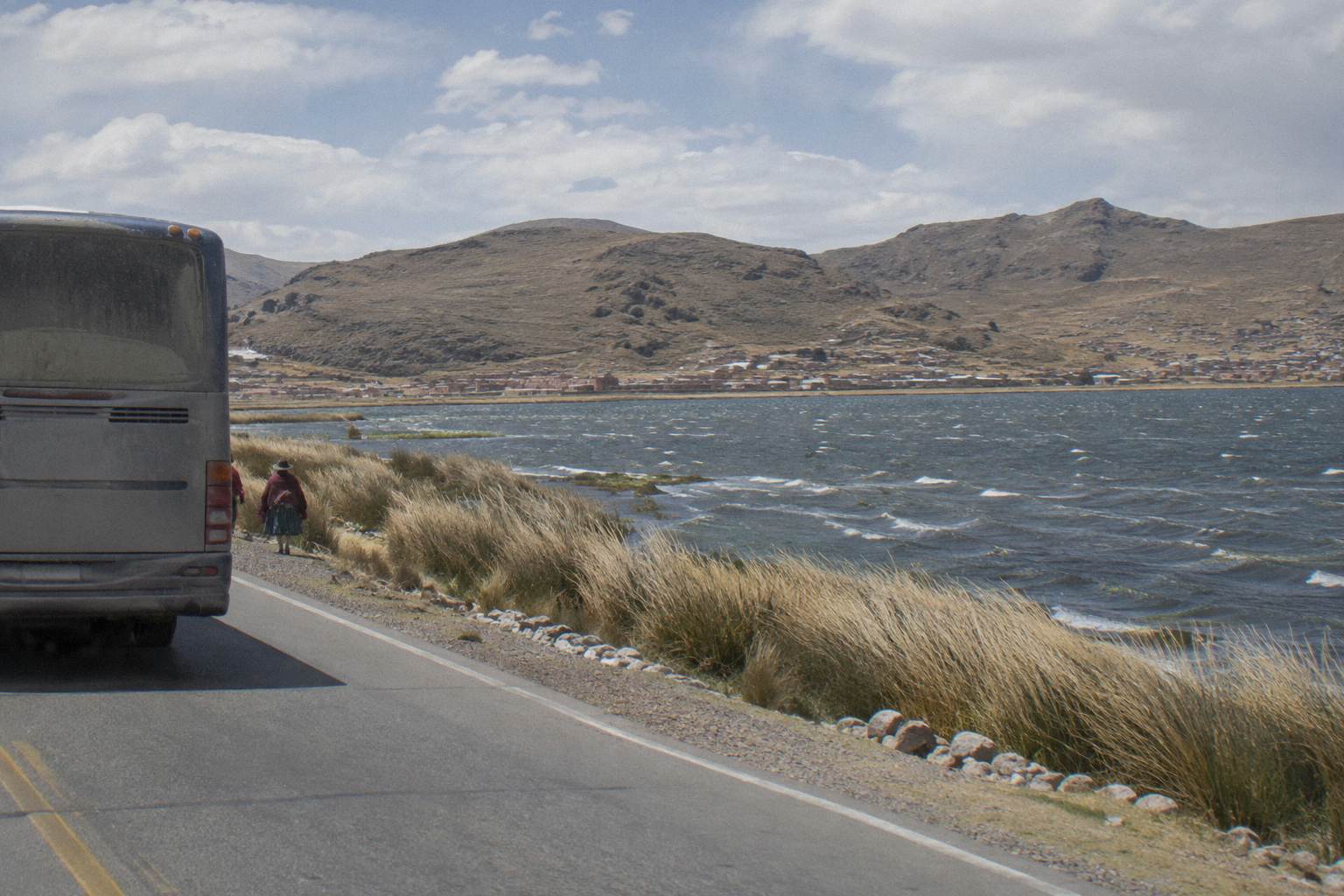
Distances set the rhythm either way. The free-flow drive estimate for Lima to Paracas is 251 km and 3.5 hours, and real bus journeys exceed free-flow figures because of stops and traffic. Lima to Arequipa is 1,002 km and 14.3 hours free-flow, Arequipa to Puno 273 km and 5.5 hours, and Puno to Cusco 387 km and 6.2 hours. Those numbers explain why a pass sells multi-day completion times, "Peru Hop lists" six days fastest for its Full South to Cusco circuit, and why a public itinerary over the same ground means choosing overnight legs. The FCDO's advice bears on that choice: "Bus crashes are common, especially at night. Only use reputable transport companies, and where possible, avoid overnight travel, especially in mountainous and remote regions" (FCDO safety and security).
A note on the famous destination everyone actually asks about: neither product reaches Machu Picchu. Peru Hop's own page states that Cusco to Aguas Calientes is by train, trek or bus, and recommends a partner tour operator. On the public side the back-door route is a Cusco to Hidroelectrica coach, a 212 km leg with a 5.1 hour free-flow estimate, covered in the Cusco to Machu Picchu by bus guide.
What Do You Actually Get On Board And In The Seat?
Hop-on buses list semi-cama reclining seats, air conditioning and heating, TVs, USB ports, toilets, GPS tracking, speed-restriction software, seatbelts and a team of drivers, with Starlink Wi-Fi claimed on every bus as an operator statement. Public companies publish the same categories as a menu rather than a standard: each carrier's classes and recline degrees differ, so a Cruz del Sur Suite seat is a different product from a Movil Bus Economico seat. The honest way to compare is per operator, per class, from what each lists on its own pages.
| Operator | Classes Listed | Recline Degrees Stated | Luggage (Hold Plus Hand) |
|---|---|---|---|
| Cruz del Sur | Suite, Cruzero Suite, Evolution, Confort | 180 degrees on reclining models, Suite 160 on Lima to Cusco | 20 kg hold plus 6 kg hand |
| Oltursa | Economico, Bus Cama VIP | No recline degrees stated on its pages | 20 kg hold plus one piece up to 5 kg |
| Civa | SuperCiva | 160 first level, 140 second level | Check the operator's page |
| Movil Bus | Economico, Ejecutivo VIP, Presidencial, Premier | 120, 140/160, 160, 160 first level and 180 full flat second | 20 kg hold, up to 3 pieces, plus 8 kg hand, up to 2 pieces |
| Linea | Super VIP, VIP, Dorado, Especial | 180, 160, 160, 145 | 20 kg |
Two readings of that table matter for the comparison. First, the top public classes recline further than the hop-on fleet's semi-cama seats: 180-degree beds exist on scheduled services, and Cruz del Sur lists its pilot change every four hours, permanent medical checks and alcohol tests, and GPS monitoring on its comfort page (Cruz del Sur comfort listing). Second, the floor of the public market sits lower than the hop-on fleet: an Economico seat at 120 degrees is a daytime seat, not a bed, and Wi-Fi on Linea is marked "subject to availability". The Peru bus classes guide explains the seat names in full.
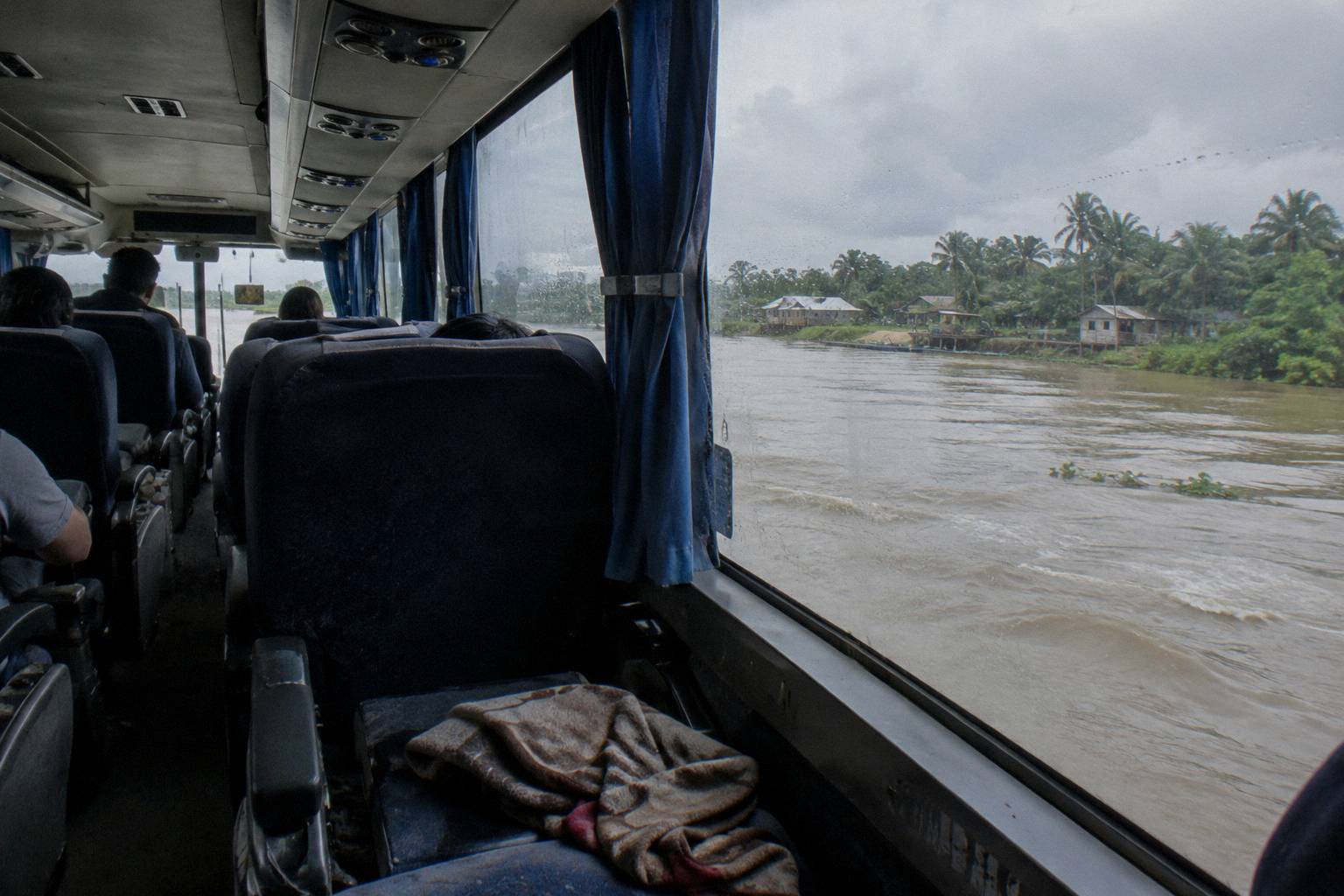
Where the pass model adds something no scheduled class offers is staffing. A local bilingual host rides every bus in the network, and that host is the difference between arriving in a city with a printed address and arriving with someone who can explain the terminal, the district and the onward connection. On scheduled services the equivalent help does not exist by design; the crew's job is the journey, and the overnight bus in Peru guide covers what to expect when nobody on board is there to guide you.
How Flexible Are The Tickets Once You Have Bought Them?
A hop-on pass is built around flexibility as its core feature: tickets are valid for one year, passengers hop on and off freely, buses run every day, and a bus time can be changed in the app up to 12 hours before departure, all per Peru Hop's pass terms. A public bus ticket is a contract for one seat on one service, and the passenger's flexibility comes from regulation, not product design. INDECOPI states that a domestic bus ticket can be postponed or transferred with at least 24 hours notice, with only the real cost of reissuing charged and no penalty. The two systems reach a similar place by different doors, and the gap shows when plans change faster than 24 hours.
The regulation path deserves its own sentence because few international visitors know it exists. Peru's consumer authority publishes the rule and runs a complaints portal for carriers who refuse it (INDECOPI Reclama Virtual). If a company delays or fails to run the service, the passenger's rights extend to information, reprogramming or a refund. None of that requires a pass, a host or an app; it applies to the cheapest seat on any licensed national service, alongside the regulation's right to up to 20 kg of hold luggage free, a fare receipt, and a seat from age five.
For sold tourist buses the flexibility is the listing's own policy. Every listed one-way on this site's south-coast and Titicaca hubs, including the Wayki Paracas and Huacachina coaches above, carries free cancellation up to 24 hours before departure for a full refund, as listed. One exception proves the pattern on the Lima to Huaraz corridor ticket: its listing states it is non-refundable and cannot be changed. Reading the cancellation line before paying, on any product, is the habit worth forming. More of these guides are collected on Peru By Bus.
Which Is Safer: A Guided Tourist Coach Or A Scheduled Interprovincial Bus?
No honest answer declares either product safe, and government advice does not either. The FCDO, Canada, Australia and the US advisory all describe risks that apply to intercity road travel in Peru generally: night crashes, armed hold-ups of provincial buses, theft from sleeping passengers on the Lima, Ica, Nazca and Cusco routes, and bogus checkpoints after dark outside major cities. What differs between the two products is exposure to specific risk points, not the underlying risk. The Smartraveller line is the bluntest: "Robberies and assaults occur frequently on intercity buses, including while passengers are sleeping", with its advice to "Use only reputable bus companies".
The mechanics of safety on scheduled services are regulatory and checkable. SUTRAN states that the 90 km/h limit for interprovincial buses applies only on roads without another speed sign (SUTRAN notice), and any bus and driver can be checked by plate or driver DNI on SUTRAN's public lookup at gob.pe. Peru's national transit regulation caps continuous driving at 5 hours by day and 4 at night, requires a second driver beyond that and a third over 20 hours, mandates GPS monitoring on national buses, and requires crew to announce that seatbelts are mandatory. The hop-on fleet lists the same categories voluntarily: GPS tracking, speed-restriction software, seatbelts and a team of drivers.
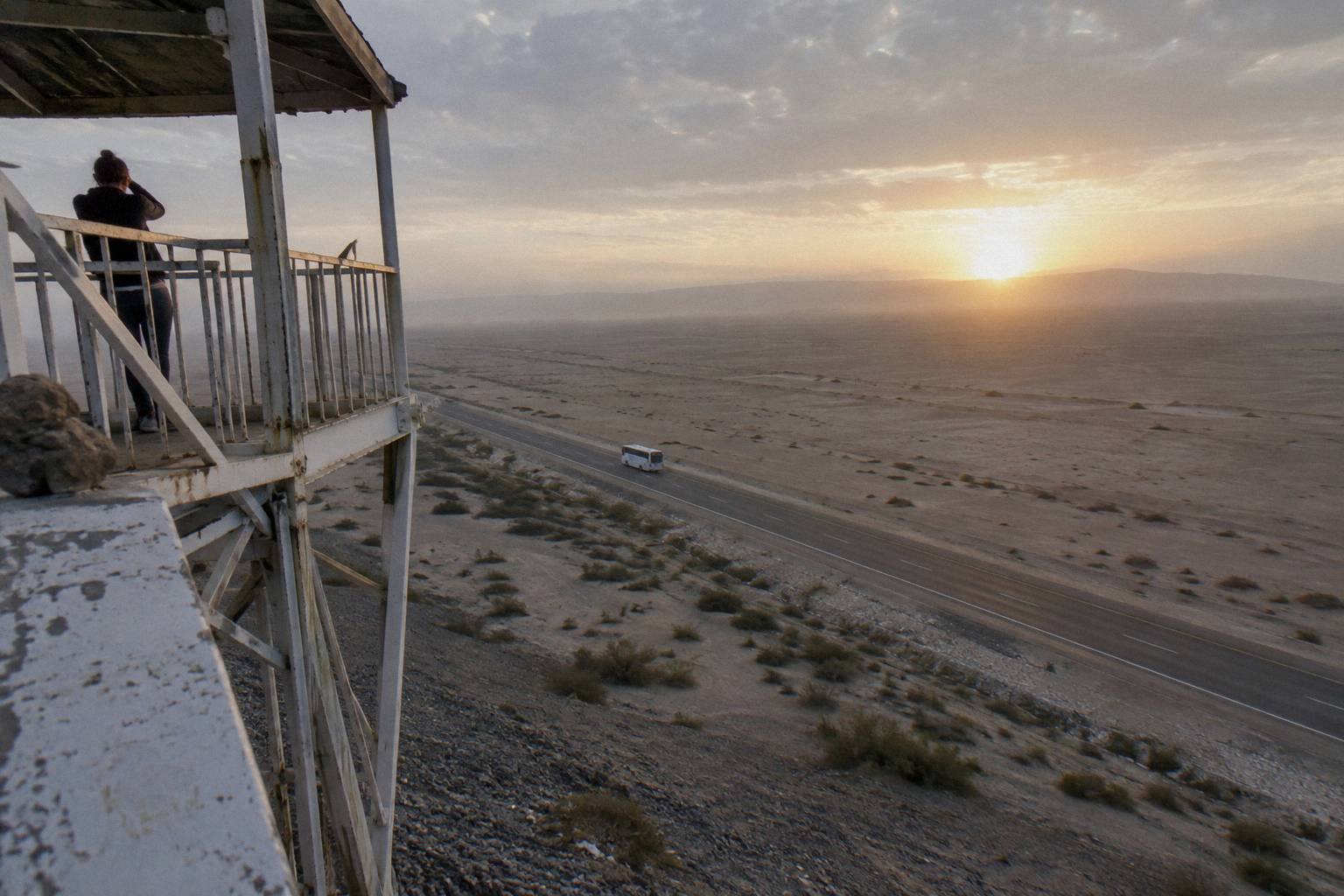
The night question is where the products genuinely diverge in practice. Canada's advice is categorical: "Avoid taking buses and coaches at night". The US Embassy's republication of the State Department advisory notes that US government employees "may travel at night with commercial bus companies along the Pan-American Highway, to Huaraz, and on the Lima-Arequipa-Cusco corridor", which is a statement about those corridors, not a general clearance. A pass itinerary can be arranged to break the long legs by day, and Peru Hop reports that its bus times can be reshuffled in the app up to 12 hours before departure; a public itinerary that needs to cover 1,002 km of Pan-American Sur will face overnight legs on some routes. Neither fact makes one product safe and the other not. It changes where and when the documented risks sit.
Luggage, Theft And Your Rights On Each Option
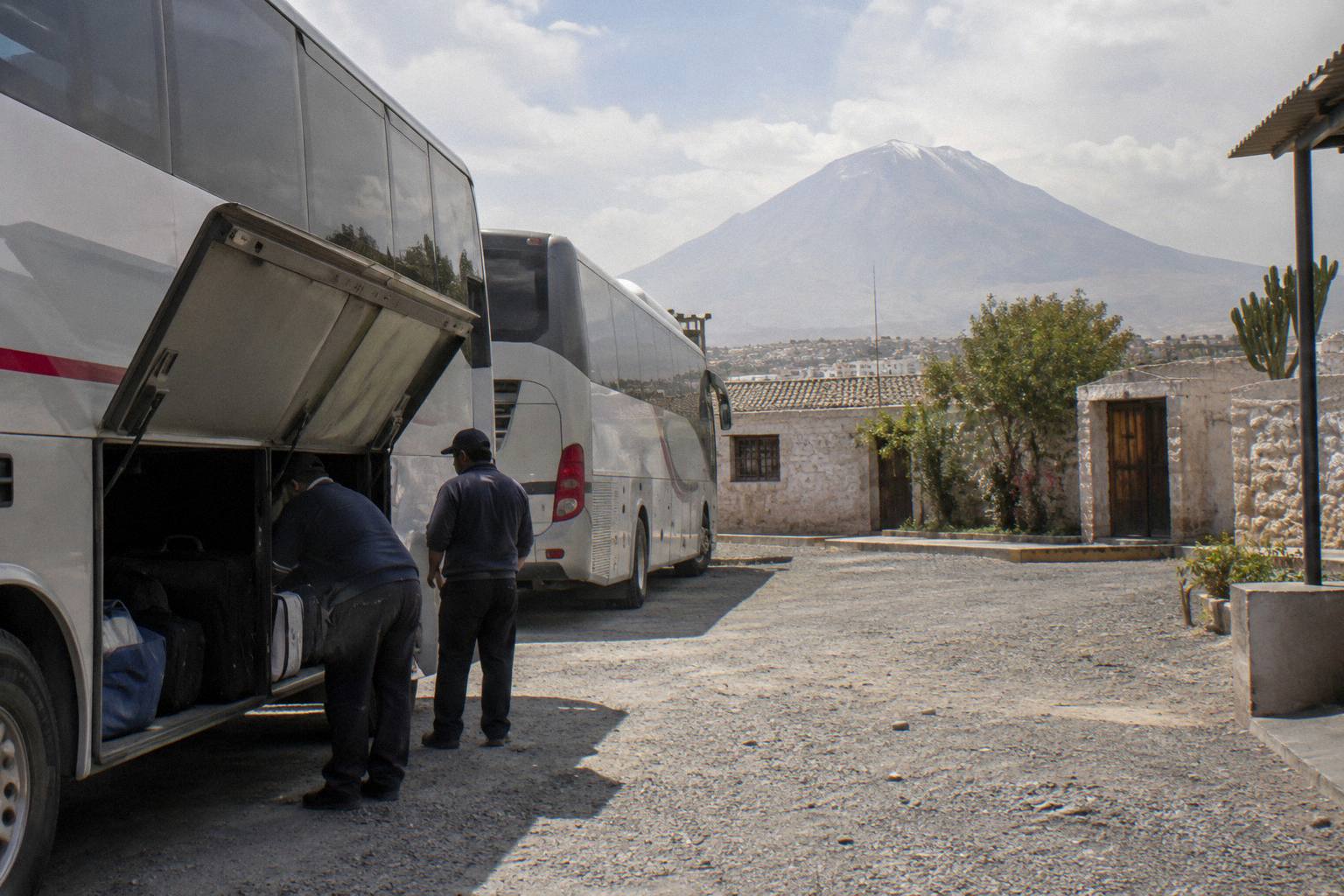
On luggage the regulation floor applies to public services: up to 20 kg free in the hold on national service, with the carriers listed above setting their own hand-luggage caps, and SUTRAN advises passengers to take a luggage ticket for anything checked. On the pass side the network's pages list luggage as part of the product without a printed kilogram figure, so the number to trust is the one you confirm before buying. The theft question is more about behaviour than brand. The FCDO tells travellers plainly: "on bus journeys, keep your passport with you", and the Peru bus luggage and theft guide works through hold versus cabin strategy in detail.
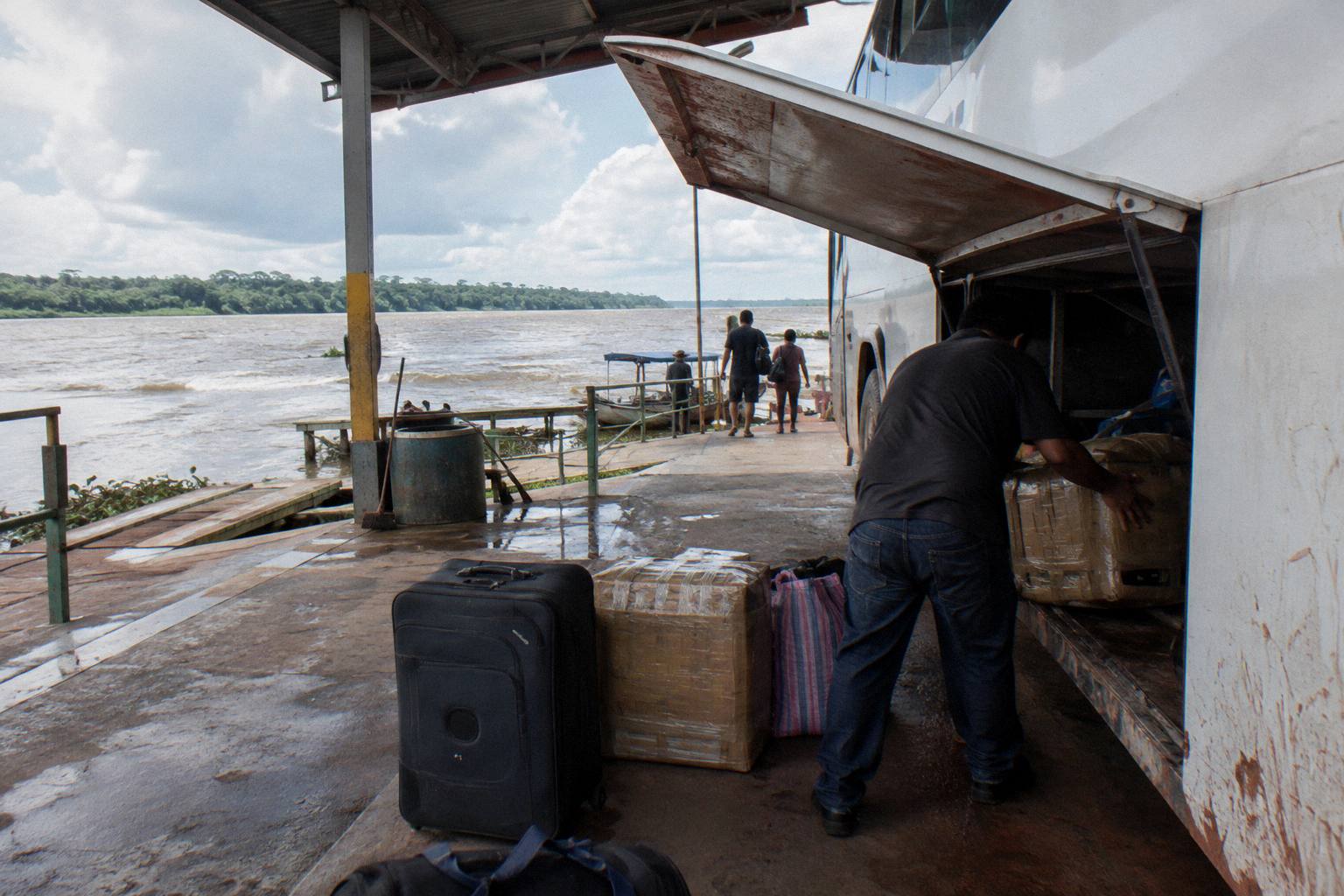
Liability is asymmetric and worth knowing. Peru's national transit regulation sets a minimum compensation for hold luggage lost or damaged by the carrier's fault, calculated as a percentage of the fare scaled by weight band, and INDECOPI's complaints process backs it. What no source establishes is hand-luggage liability, on any service, so the working rule on both products is identical: anything that matters rides in the cabin with you. Smartraveller's specific warning, theft from sleeping passengers on the Lima, Ica, Nazca and Cusco routes, applies to the southern corridor where both products spend their whole lives.
The one structural advantage the pass model holds here is pickup. Collection at the accommodation removes the terminal walk with a loaded suitcase, the moment FCDO terminal-taxi warning describes. Against that, scheduled terminals have staffed hold handling and, at the majors, the security theatre of DNI control and metal detectors. Neither side's advantage is large. Both are smaller than the habit of splitting cash and cards between bag and pocket, which the Peru bus safety guide treats as the single highest-value precaution.
Which Should You Book For The Classic Southern Route?
For the full Lima, Paracas, Huacachina, Nazca, Arequipa, Puno, Cusco chain at an unhurried pace, a hop-on pass matches the shape of the trip: one purchase, hotel pickup at every stage, hidden stops between the cities and a year of validity for changes. For a shorter leg, a tight schedule, or any destination outside the southern corridor, individual tickets win on fit. The decision is about the itinerary, not a quality ranking between the products, and a tourist one-way bus can still capture the guided, pickup-based experience on a single segment.
Consider the honest shape of each. A pass commits the traveller to the corridor's rhythm: the network's own completion times run from a 24-hour Cusco to La Paz express to ten days for a Lima-Cusco-La Paz loop, and the long Nazca to Arequipa leg is part of several circuits. Individual tickets commit the traveller to planning instead: five legs, five purchases, five boarding points, and the INDECOPI 24-hour rule as the only flexibility net. A useful test is to write the itinerary first and count the legs inside the corridor. Three or more, with rest days between, and the pass model fits. One or two, or with Huaraz or the north in the middle, and scheduled or tourist-coach tickets fit.
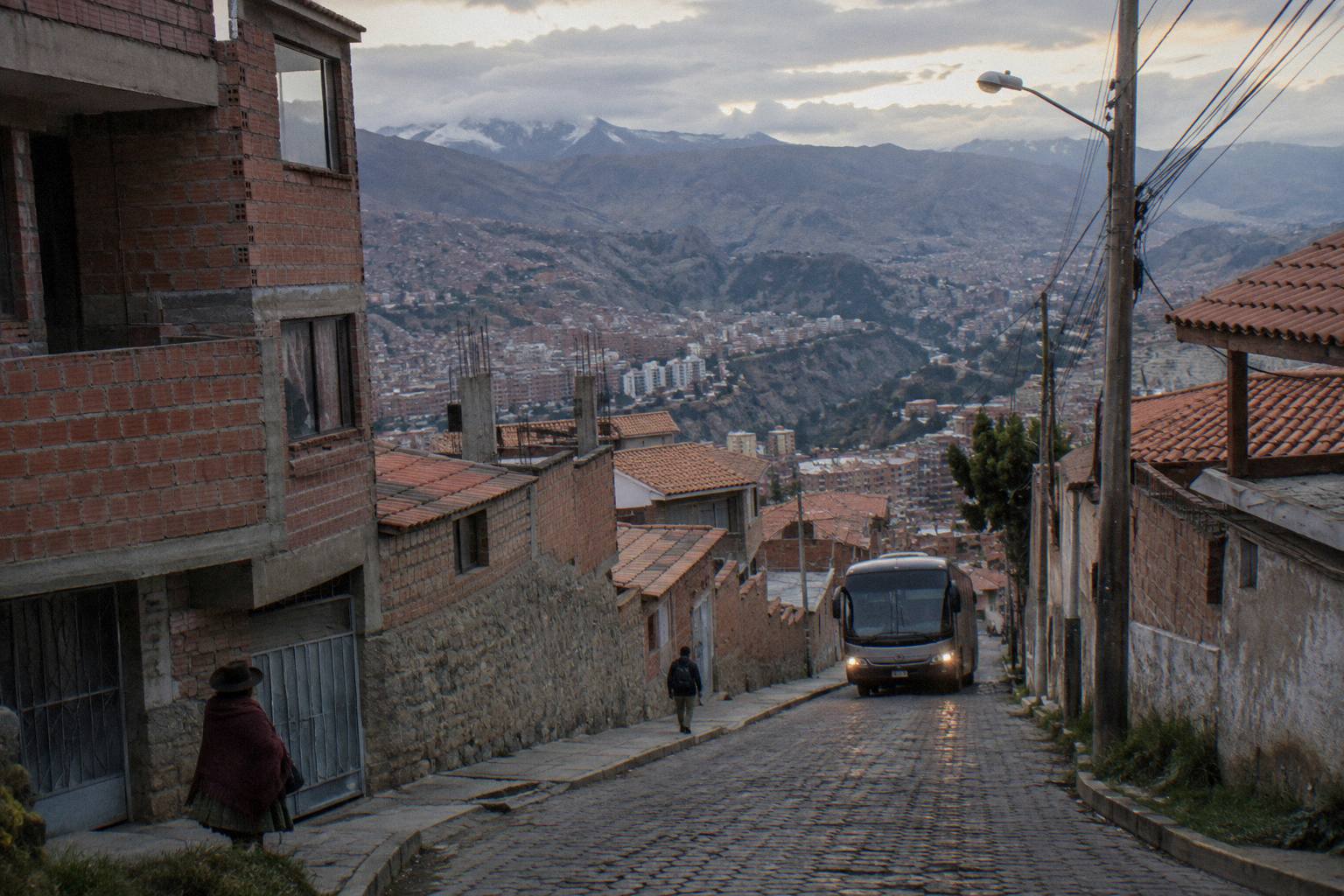
For the high-altitude leg at the corridor's eastern end, a scheduled tourist coach shows what the public market does best when a route suits it. The Turismo Mer bus from Puno to Cusco with lunch runs the 387 km leg with an all-you-can-eat lunch stop, the listing gives 11 hours for the journey, and it is rated 4.6 across 24 reviews with free cancellation up to 24 hours before for a full refund, as listed. It drops at the Turismo Mer private terminal in Cusco. A pass traveller rides a comparable leg as part of the circuit; a ticket buyer can take exactly this seat.
Peru Hop reports the flexibility figures that matter for that pacing decision: passes valid one year, daily buses, and app changes to a bus time up to 12 hours before departure. Those are operator statements, and they are the product's whole pitch. The public market's pitch is coverage and class choice, from a 120-degree daytime seat to a 180-degree bed, across a country the pass network touches only in its southern third. Both pitches are true at the same time, which is why the honest answer to "which one" starts with a map, not a ranking. See Peru Hop Passes
Common Questions About Peru Hop Vs Public Bus
Is Peru Hop Cheaper Than Public Buses In Peru?
No price comparison is honest here: pass prices and individual fares both change, and this guide prints none. The real cost difference is structural. A pass bundles pickup, a host, hidden stops and year-long flexibility into one payment; individual tickets price each leg separately and leave connections, transfers and stops as extra costs in money or effort. Work out your own leg count before comparing.
Does Peru Hop Go To Machu Picchu?
No. Peru Hop's own page states that travel from Cusco to Aguas Calientes is by train, trek or bus, and it recommends a partner tour operator for Machu Picchu visits. The scheduled public option is the Cusco to Hidroelectrica coach, covered in the site's back-door route guide.
Do You Need To Go To A Bus Terminal With Peru Hop?
No, per its pass terms: pickup is at your hotel or Airbnb, with no terminals or taxis at the origin end. Scheduled public services are the opposite, because Peru's national transit regulation requires regular carriers to board passengers inside habilitated terminals, not on the public road.
Can You Change A Public Bus Ticket After Buying It?
Yes, within limits. INDECOPI states that a domestic bus ticket can be postponed or transferred with at least 24 hours notice, with only the real cost of reissuing charged and no penalty. If a carrier refuses, INDECOPI's Reclama Virtual portal takes the complaint.
Are Overnight Buses Part Of A Peru Hop Itinerary?
Some later legs on the network run in the evening or overnight, per its own route descriptions, and the long Nazca to Arequipa leg is part of several circuits. Government advice from the FCDO and Canada is to avoid overnight bus travel where possible, so check each leg's schedule against your plan.
Which Operators Run The Public Alternative On The Southern Route?
Cruz del Sur publishes the corridor's fullest class menu, including a 160-degree Suite seat on Lima to Cusco; Oltursa runs Economico and Bus Cama VIP classes; Civa's SuperCiva lists 160 degrees on the first level. Movil Bus and Linea concentrate on northern and central routes and do not serve the southern corridor.