
Lima To Huancayo By Bus: The Central Highway
The Lima to Huancayo bus run crosses the central highway and one of the highest road passes reachable by scheduled bus in Peru. Here is what the route involves, how the ticket works and what to check before boarding.
Short answer
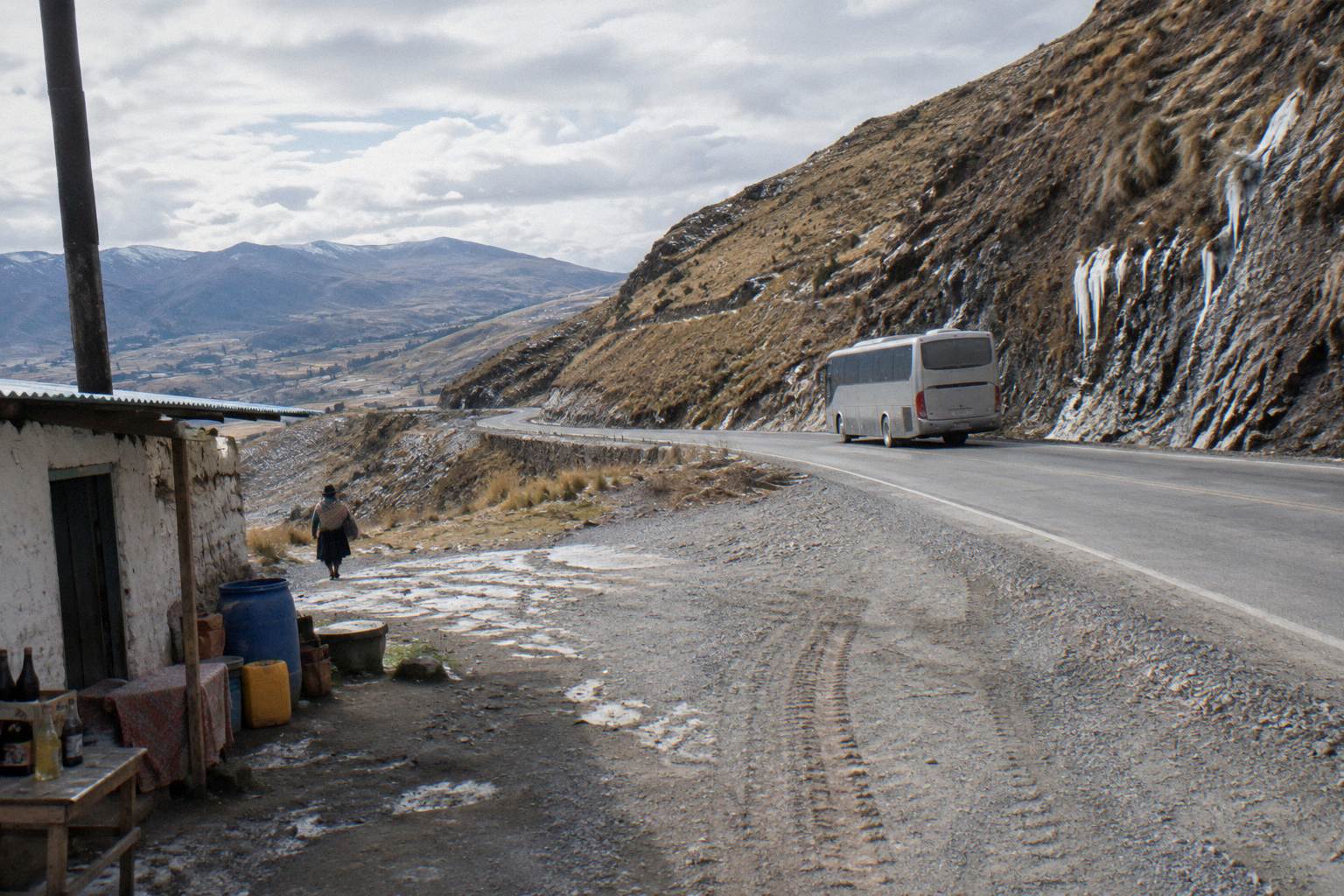
The Lima to Huancayo route covers about 301 km as a free-flow drive estimate of about 6.2 hours, and real bus journeys exceed that figure. Lima sits at 162 m and Huancayo at 3,294 m, and the road crosses the Anticona pass, above 4,700 m by INEI's figure. Operators and terminals are chosen at booking.
The central highway out of Lima is one of the great climbs in Peruvian road travel. A bus leaving the coast at 162 m finishes in Huancayo at 3,294 m, and between those two points the road crosses the Anticona pass, which INEI records as above 4,700 m. That single sentence explains most of what a Lima to Huancayo bus ticket involves: a short distance on paper, a long journey in practice, and a real change of altitude that the body notices.
The route belongs to a wider network of highland corridors that this site covers, and readers assembling a multi-region trip will find the pieces laid out in the guide to how to get around Peru by bus. This page sticks to one pair, one road and the decisions a seat on it actually forces. Peru By Bus publishes it as a planning reference for readers choosing a seat on this corridor.
How Long Is The Bus From Lima To Huancayo?
The Lima to Huancayo pair measures about 301 km, with an OSRM free-flow drive estimate of about 6.2 hours, and a real bus journey exceeds that estimate because the estimate assumes uninterrupted driving at free-flow speed on a mountain road with a major pass on it. No timetable promise should be read into the figure. It exists to size the trip, not to schedule it.
The free-flow estimate comes from a routing engine working on the mapped road, not from any carrier's schedule. On a road that climbs from the coast to above 4,700 m and back down to an Andean plateau, curves, gradient, weather and traffic at the pass all stretch the real journey beyond the free-flow number. Treat the 6.2 hour figure as the floor of what the day looks like, never the ceiling, and never as a promise of arrival.
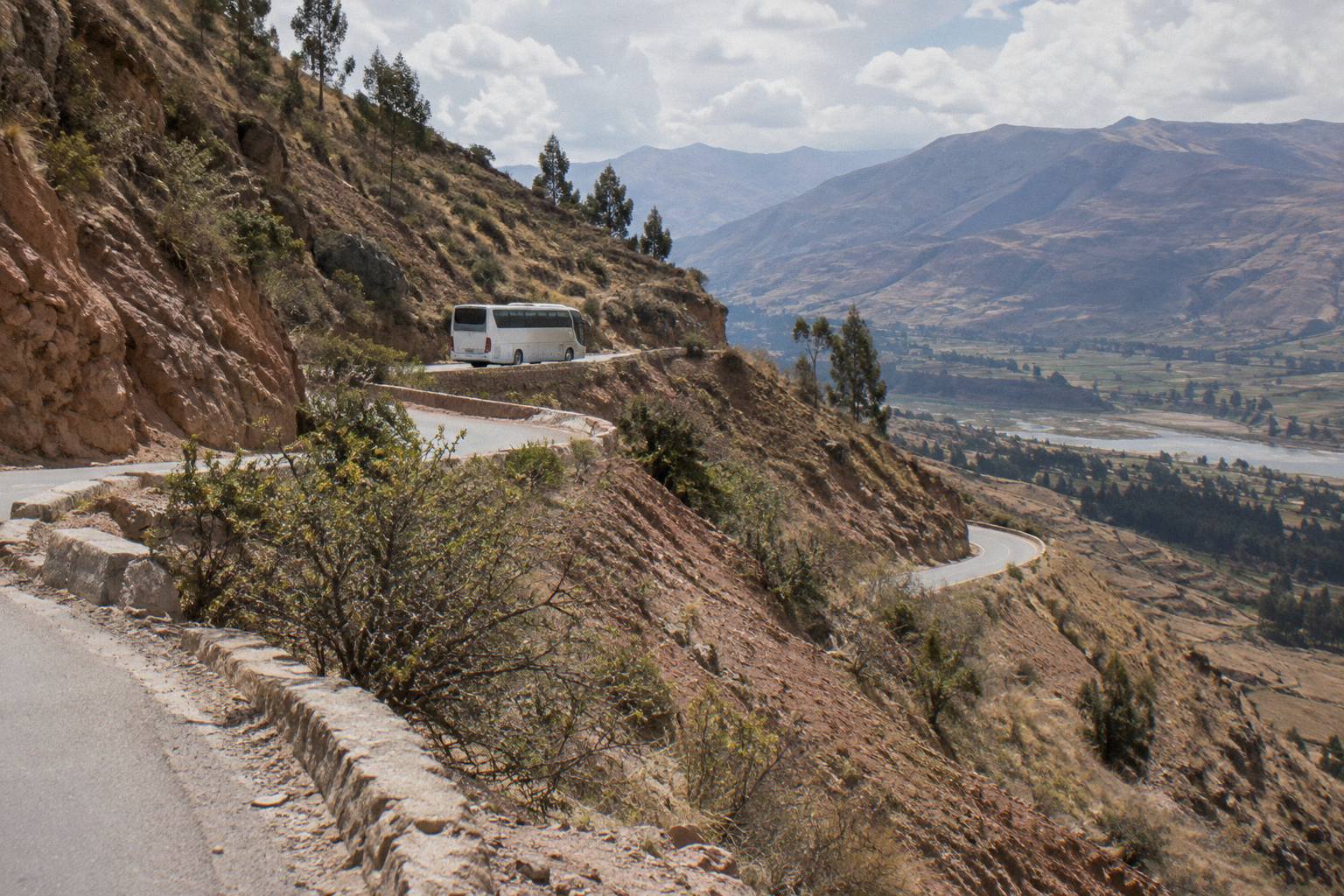
The road also carries freight and local traffic between the coast and the central sierra, so the practical picture depends on the day. A useful habit on this corridor is checking the road status before travelling: SUTRAN's alert map shows closed roads in red, restricted in yellow and open in green, with causes ranging from natural events to accidents and human factors, and it is the official live view of whether the highway is moving. You can check it at alertasviales.sutran.gob.pe.
A second habit worth forming on any Peruvian interprovincial route, and especially on one with a pass on it, is verifying the vehicle before boarding. SUTRAN operates a public service that lets anyone check a bus and its driver by plate number or driver DNI, which turns an anonymous ticket into a named, checkable vehicle. Between the road map and the vehicle lookup, a traveller on the central highway has two official windows into the journey before the wheels move.
Buying a seat on this route means choosing an operator and terminal at booking time, since no single operator page in this site's research covers the Lima to Huancayo corridor. A Check availability search for the route returns the live options with their own terminals and conditions.
| Route Pair | Distance | Free-Flow Drive Estimate |
|---|---|---|
| Lima to Huancayo | about 301 km | about 6.2 h |
The table above is the only drive figure this article can responsibly print for the pair. Figures quoted for other routes belong to those routes, because a free-flow estimate is computed for one origin and one destination and cannot be transplanted. The Lima to Huancayo number is not comparable to a coastal pair of similar kilometre count either: gradient and pass altitude eat time in a way that flat road does not, which is the whole reason the label reads free-flow drive estimate rather than anything resembling a schedule.
The three tickets above are the highland and coast departures the tickets listed on this site covers directly. Readers headed to Huancayo itself book the central highway seat described above; the listed tickets serve other corridors from Lima that highland travellers connect through.
What Does The Central Highway Crossing Involve?
The Lima to Huancayo road climbs from Lima at 162 m to Huancayo at 3,294 m, and on the Lima to La Oroya stretch it crosses the pass INEI names Anticona, recorded above 4,700 m. The pass sits between the coast and the highland plateau, so the bus is at high altitude for a meaningful share of the journey, not just at the destination.
The name matters less than the number, but the naming matters for accuracy: INEI's statistical compendium uses the name Anticona for the pass on the Lima to La Oroya road, and its figure places it above 4,700 m. Older tourist literature sometimes uses another name for the same pass, which this article avoids because INEI is the source that can be attributed. The figure is rounded deliberately, since INEI's own editions differ by tens of metres between publication years.
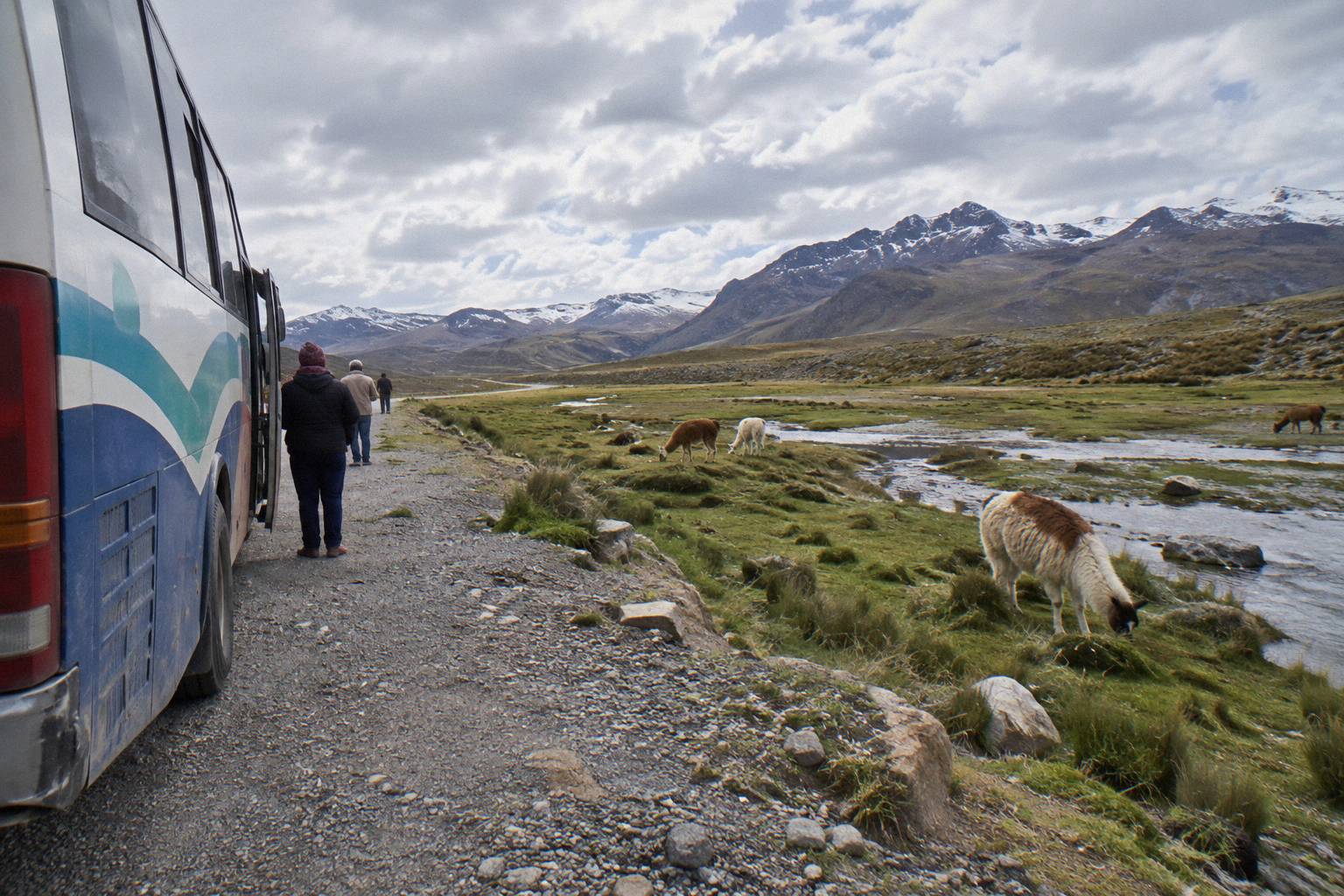
After the pass the road descends toward La Oroya, the junction town of the central highway, and then continues along the Mantaro valley to Huancayo. The geography explains the altitude profile: the destination is not the highest point of the trip, the pass is, and the bus spends the middle hours of the journey well above the elevation of either endpoint. That shape has a practical consequence for how the day feels, since the steepest altitude gain happens early and the body has only those middle hours to adjust before the bus settles onto the plateau.
| Place | Altitude (INEI) |
|---|---|
| Lima | 162 m |
| Anticona pass (Lima to La Oroya road) | above 4,700 m |
| Huancayo | 3,294 m |
For readers planning around the altitude itself, the separate guide on altitude sickness and Peru bus travel covers the acclimatisation question in full. The short planning point here is factual: arriving in Huancayo means arriving at 3,294 m, and the journey's high point is higher still. Readers coming straight from sea level with onward plans in the sierra should treat the arrival day as part of the acclimatisation, not as a transfer to be chained immediately to another high journey.
Where Does The Lima To Huancayo Bus Depart From?
Terminals on this route are chosen at booking, because each operator serving the corridor uses its own Lima departure point and its own Huancayo arrival point, and Peru's transit rules require regular carriers to board passengers at authorised terminals rather than on the public road. There is no single main terminal in either city that this route belongs to.
Peru's national transit framework is explicit on this: regular service carriers must use enabled terminals at origin, destination and stops, and the public road may not be used as a terminal. Passengers board and alight inside terminal areas, with the bus stopped. That rule is why the practical answer to "where does the bus leave from" is always the specific operator's terminal, printed on the ticket, rather than a city-wide address a guide could give in advance.
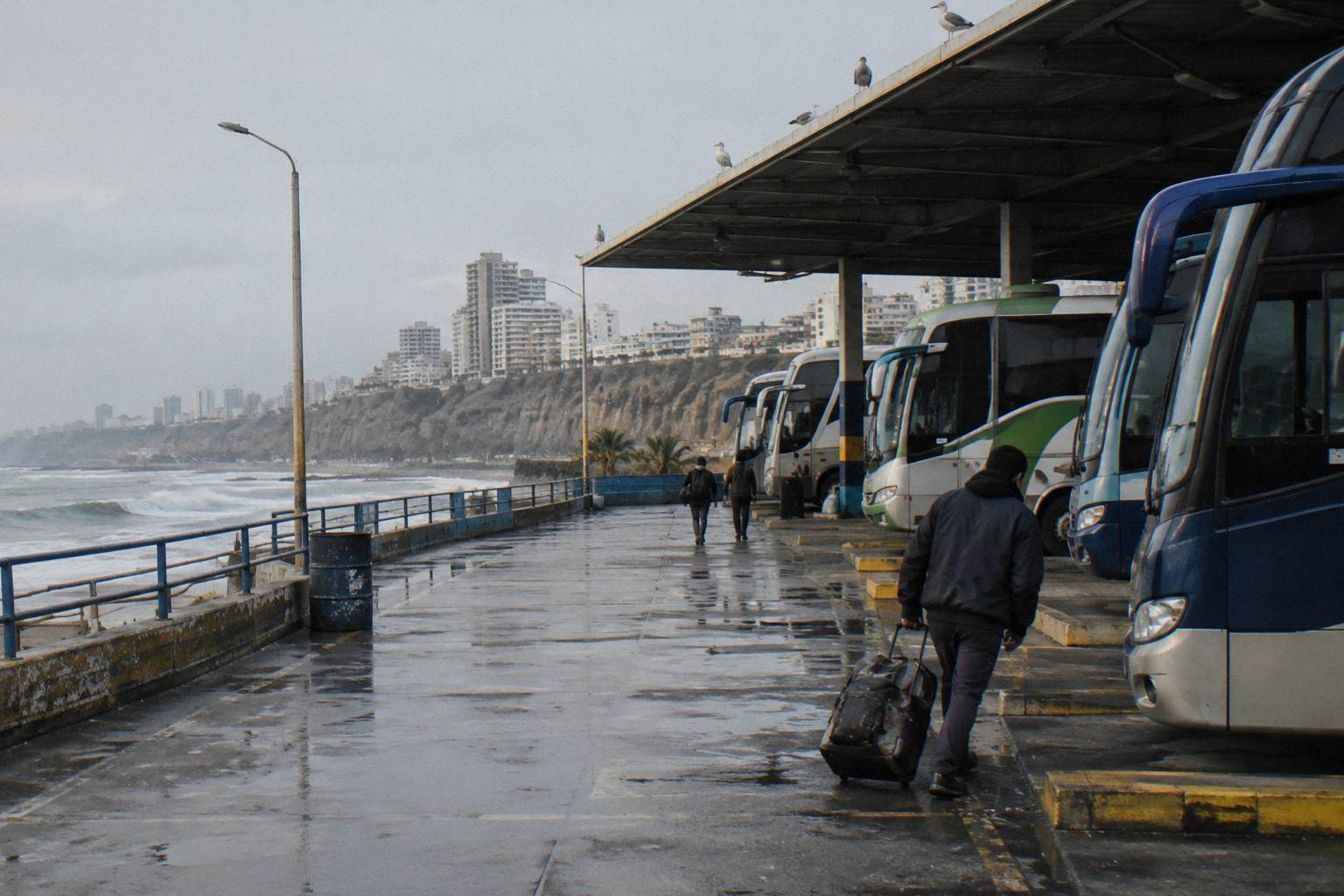
In Lima the practical consequence is that departure points cluster in the districts that host interprovincial terminals, and the ticket names the street. When the ticket arrives, read the terminal address against where you are staying, because a Lima departure point can sit a considerable distance from Miraflores or the historic centre, and the FCDO warns of "a risk of robbery by criminals posing as taxi drivers, especially at Jorge Chavez International Airport and bus terminals", advising travellers to "use one of the taxis registered at bus terminals". Government of Canada advice echoes it: "Only use authorized cabs located inside airport terminals and bus stations."
The arrival side deserves the same care. Huancayo's terminal landscape follows the same rule as Lima's, one terminal per operator rather than one for the city, so the onward plan should start from the address on the ticket. The FCDO also advises that "on bus journeys, keep your passport with you", which applies to the hold-bag wait as much as to the ride: documents stay on the body, not in luggage that goes under the bus for hours.
Readers who want the terminal landscape city by city, with the per-operator addresses this site's research verified, will find them in the guide to Peru bus terminals by city. On arrival in Huancayo the same logic applies in reverse: the arrival terminal is the operator's own, and onward movement is best arranged from inside it rather than from the street outside.
For travellers flying into Lima and connecting onward, the airport itself has a direct bus option to Miraflores on the Airport Express Lima service from Lima airport to Miraflores, from US$6.5 per person as listed, with the listing giving about 1 hour for the run and free cancellation up to 24 hours before for a full refund. It solves the airport side of the connection; the Huancayo ticket then departs from the operator's terminal in the city.
The box above carries the site's featured highland ticket, the First Class Huaraz bus from Lima airport to Huaraz, from US$50 per person as listed. It is a different central-highland destination from Huancayo, but it shares the planning logic: passport numbers and full names are needed to print those tickets, and the listing marks them non-refundable and unchangeable, so the decision deserves the same care as the Huancayo seat.
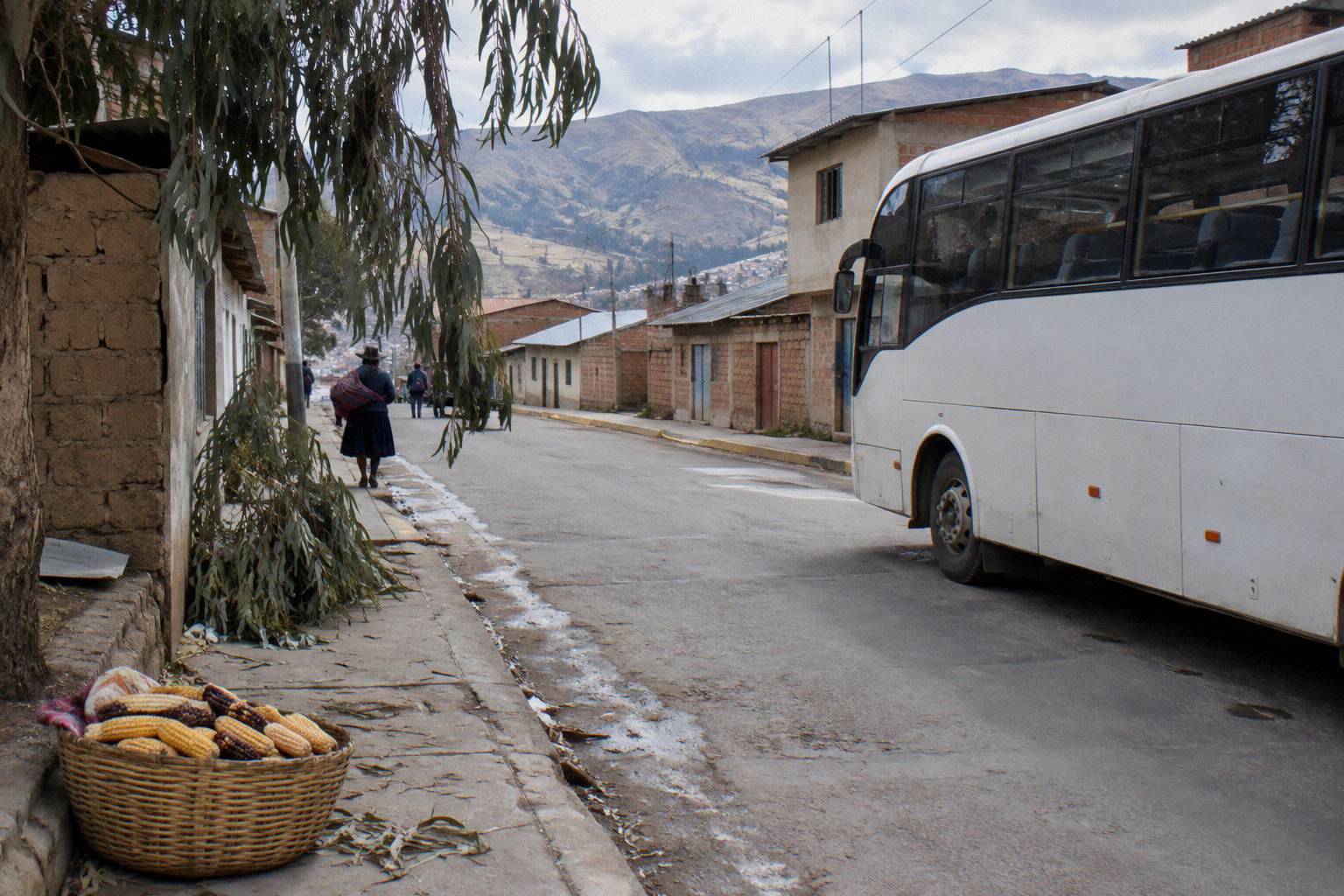
The Lima Airport to Huaraz bus ticket itself lists hotel pickup on request, with the hotel address sent to the operator after booking, and the listing gives about 9 hours for the journey. Reviews for it are on the listing.
How Do You Buy A Lima To Huancayo Bus Ticket?
A seat on this route is bought from the operator or a ticket seller at booking time, with the operator chosen then rather than assumed, and the ticket carries the terminal address, the seat and the conditions. Peru's consumer rules give domestic ticket holders the right to postpone or transfer a ticket with at least 24 hours notice, paying only the real reissue cost.
The postponement right comes from INDECOPI, Peru's consumer protection authority, which states that a domestic bus ticket can be postponed or transferred with at least 24 hours notice, that only the real cost of reissuing may be charged, and that no penalty applies. Where the carrier delays or fails to run the service, the passenger has a right to information and to reprogramming or a refund. Complaints that a carrier will not resolve go to the carrier's Libro de Reclamaciones first, and to INDECOPI's Reclama Virtual portal after, at enlinea.indecopi.gob.pe/reclamavirtual/.
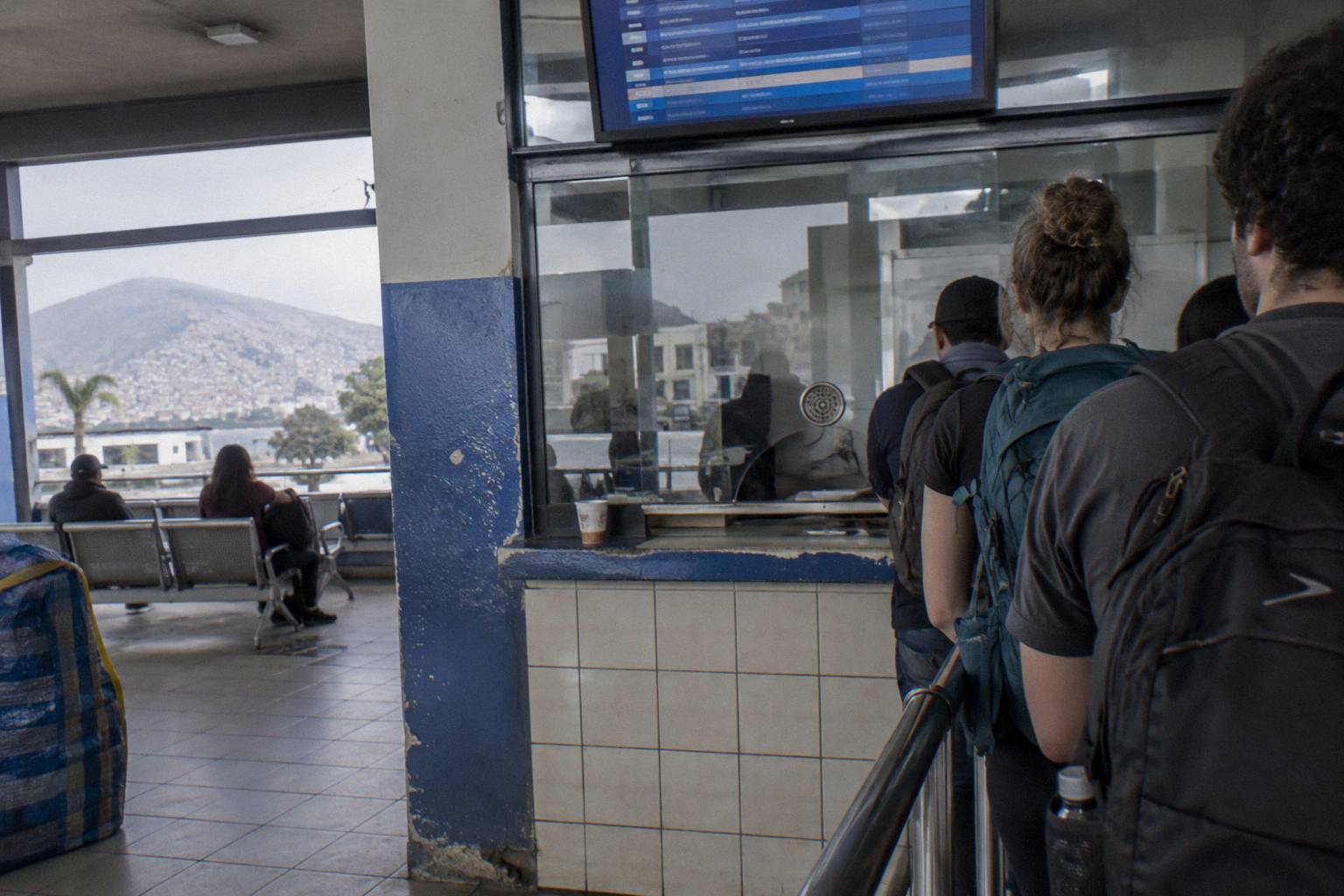
What a ticket buyer should check before paying falls into a short list, and the list matters more on the central highway than on a flat coastal run because the road adds variables:
| Check Before Booking | Why It Matters On This Route |
|---|---|
| Terminal address at both ends | Each operator uses its own points; no city-wide terminal serves the route |
| Free luggage weight | Up to 20 kg travels free on national service under Peru's transit rules |
| Cancellation and change terms | The INDECOPI postponement right applies to domestic tickets with 24 hours notice |
| Road status the day before | SUTRAN's alert map shows closures and restrictions on the central highway |
The luggage line deserves its own sentence: Peru's national transit regulation provides that up to 20 kg of luggage travels free on national bus service, and that a fare receipt is the passenger's right. SUTRAN advises taking a luggage ticket for hold bags. The regulation also entitles every passenger to a seat, caps the vehicle at its manufacturer seat count, and requires the crew to announce that seat belts are mandatory, three lines that together describe what a compliant departure looks like on any interprovincial route including this one. The fuller picture on baggage rules, including what individual operators allow, is in the guide to luggage and theft on Peru buses.
One operator note for completeness: Peru Hop, the hop-on hop-off pass network, does not run this route; the central highlands are outside its pass map.
Is The Lima To Huancayo Bus Ride At Night A Good Idea?
Government advice from four countries converges on the same point for night bus travel in Peru: the UK FCDO says "Bus crashes are common, especially at night" and to "avoid overnight travel, especially in mountainous and remote regions", and the central highway between Lima and Huancayo is a mountain route with a pass above 4,700 m on it.
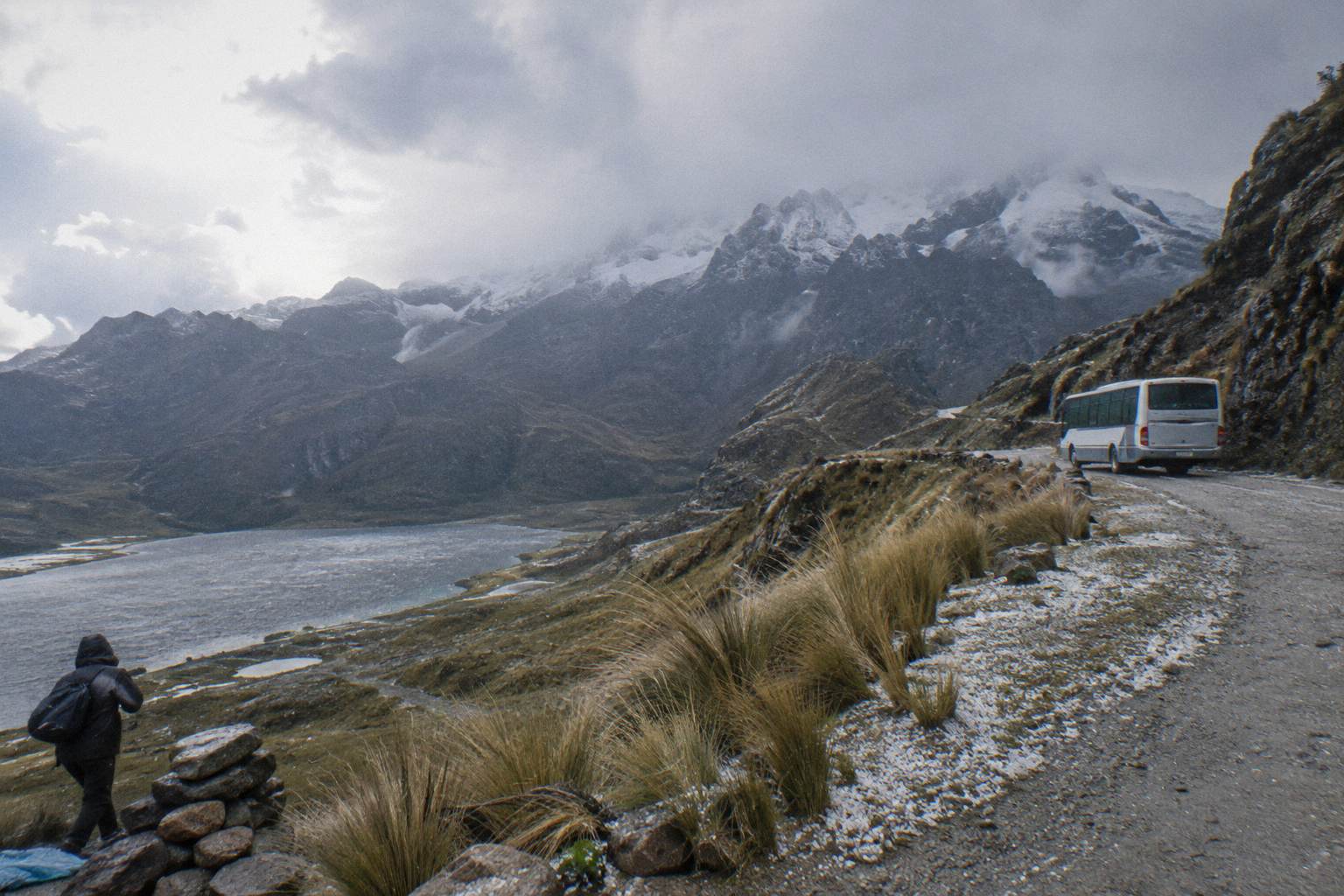
The Canadian advisory is blunter still: "Intercity bus travel can be dangerous due to the risk of bus accidents, which are usually caused by excessive speed, poor vehicle maintenance and driver fatigue. Armed gangs have been known to stop buses to rob travellers, especially at night", alongside the instruction "Avoid taking buses and coaches at night". Smartraveller reports "Robberies and assaults occur frequently on intercity buses, including while passengers are sleeping". None of these advisories names the Lima to Huancayo corridor specifically, and none of them calls bus travel safe; they describe conditions that a reader weighing a night departure on a high mountain road should weigh too, and they are quoted here rather than paraphrased for that reason.
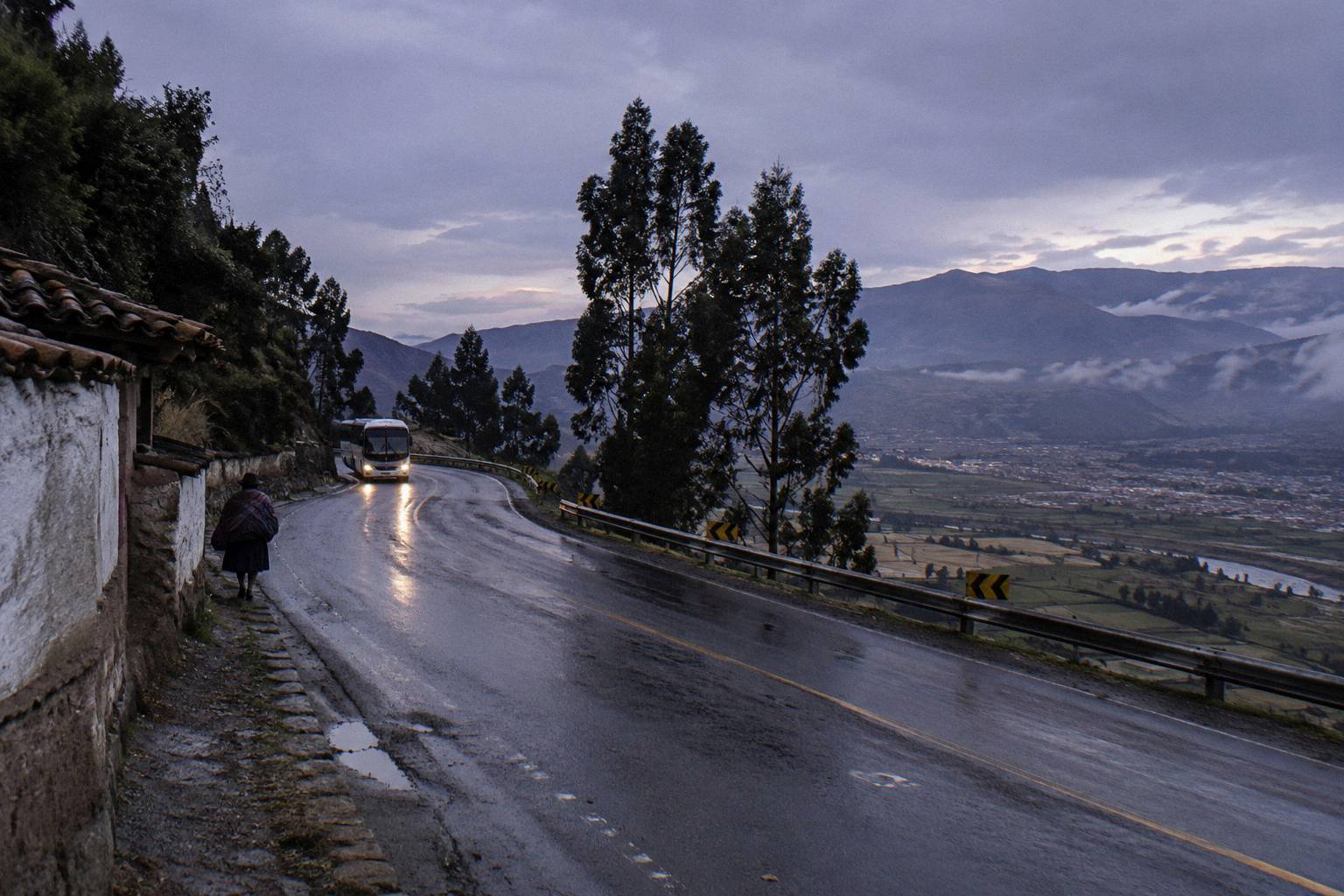
The US Embassy in Lima's republication of the State Department advisory notes that U.S. government employees "may travel at night with commercial bus companies along the Pan-American Highway, to Huaraz, and on the Lima-Arequipa-Cusco corridor", a list that does not include the central highway to Huancayo. Readers can weigh that omission themselves. The full advisory, "Level 2 - Exercise Increased Caution", is at pe.usembassy.gov.
The driver-hours rule in that list has particular weight on a corridor of this length. A journey that exceeds five hours of continuous daytime driving, or four at night, requires a second driver under Peru's transit regulation, and trips beyond twenty hours need a third. The rule is not a promise about any specific departure, but it is the framework a reader can hold in mind when a carrier describes its crewing, and it is one more reason the SUTRAN plate lookup is worth the minute it takes.
For the broader safety picture, including what the advisories say about terminals, taxis and baggage, the dedicated guide to bus safety in Peru carries the full treatment. On this corridor the practical summary is that the advisories single out night mountain travel as the specific risk, and the Lima to Huancayo road is a night-capable mountain route only in the sense that buses run it.
The airport link above matters for the same reason: FCDO's terminal taxi warning starts at Jorge Chavez airport, and a pre-booked airport bus removes the unlicensed-taxi decision at the point the advisory flags.
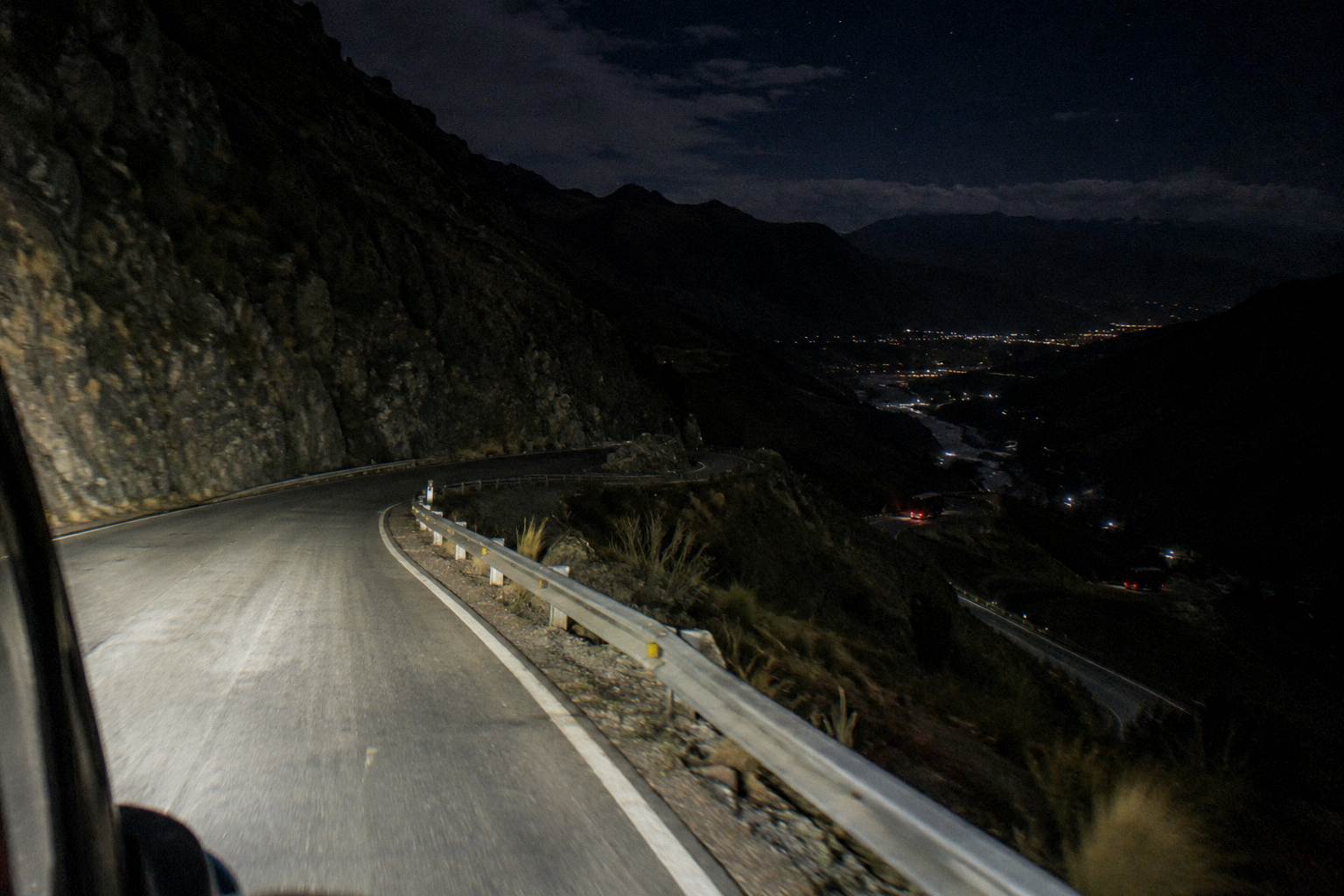
What About Rain, Strikes And Road Closures On The Central Highway?
The FCDO publishes a specific notice for this corridor's weather: "Through late 2026 to April 2027, the El Nino weather event is expected to generate heavy rainfall, possible flooding, landslides, and mudslides, especially in, but not restricted to, the northern and central coast. These could cause travel disruption, such as road closures." The central highway's high section sits squarely in the zone that notice describes.
Beyond weather, the advisories warn that "Political protests in Peru are unpredictable and can escalate quickly. Demonstrations can become violent and lead to roadblocks, travel disruption, including trains, and suspension of immigration services at land borders", and that "Local groups can announce strike action, with little or no notice, particularly in areas connected to mining." The central sierra is mining country, and the FCDO's named regions with recent protests include Ayacucho and Cusco among others. The instruction that follows is plain: "Do not attempt to pass blockades."
The practical defence is a two-minute check the day before and the morning of travel. SUTRAN's alert map shows blockades as live points, classified under human factors, alongside weather closures and accident restrictions, and the carrier's own channel confirms whether the departure is running. The guide to delays, strikes and road blocks on Peru buses covers the full playbook, including what to do if a bus is stopped mid-route.
| Disruption Type | Official Signal | Where To Check |
|---|---|---|
| Rain, landslide, mudslide closure | FCDO El Nino notice for the central zone | Advisory page and SUTRAN map |
| Road blockade, strike | Live points on the alert map, human factor | SUTRAN map and the carrier |
| Speed and vehicle compliance | 90 km/h where no other sign applies; plate lookup | SUTRAN's bus and driver lookup |
The speed line in that table is worth a sentence of its own. SUTRAN states that the 90 km/h limit for interprovincial buses applies only on roads without other speed signage, per its notice at gob.pe, and any bus and driver can be verified by plate or driver DNI through the service at SUTRAN's lookup page. On a road that climbs for hours, knowing the vehicle and crew are in order is a check worth making.
Bus Or Another Way To Huancayo?
The bus is the scheduled surface option this site's research covers for Lima to Huancayo, and no verified flight or train fact exists for the pair in the research behind this article, so nothing can responsibly be printed about either. What can be said is that the bus route's about 301 km free-flow estimate and its pass above 4,700 m make it a mountain journey that deserves a daylight window rather than a tight connection.
Readers comparing bus against flying on other corridors will find the trade-offs set out in the guide to Peru bus versus flight, and the rail comparison in Peru train versus bus. Neither comparison carries a verified Huancayo row in this site's facts, so this page stops at the bus, which is what the route question actually asks about.
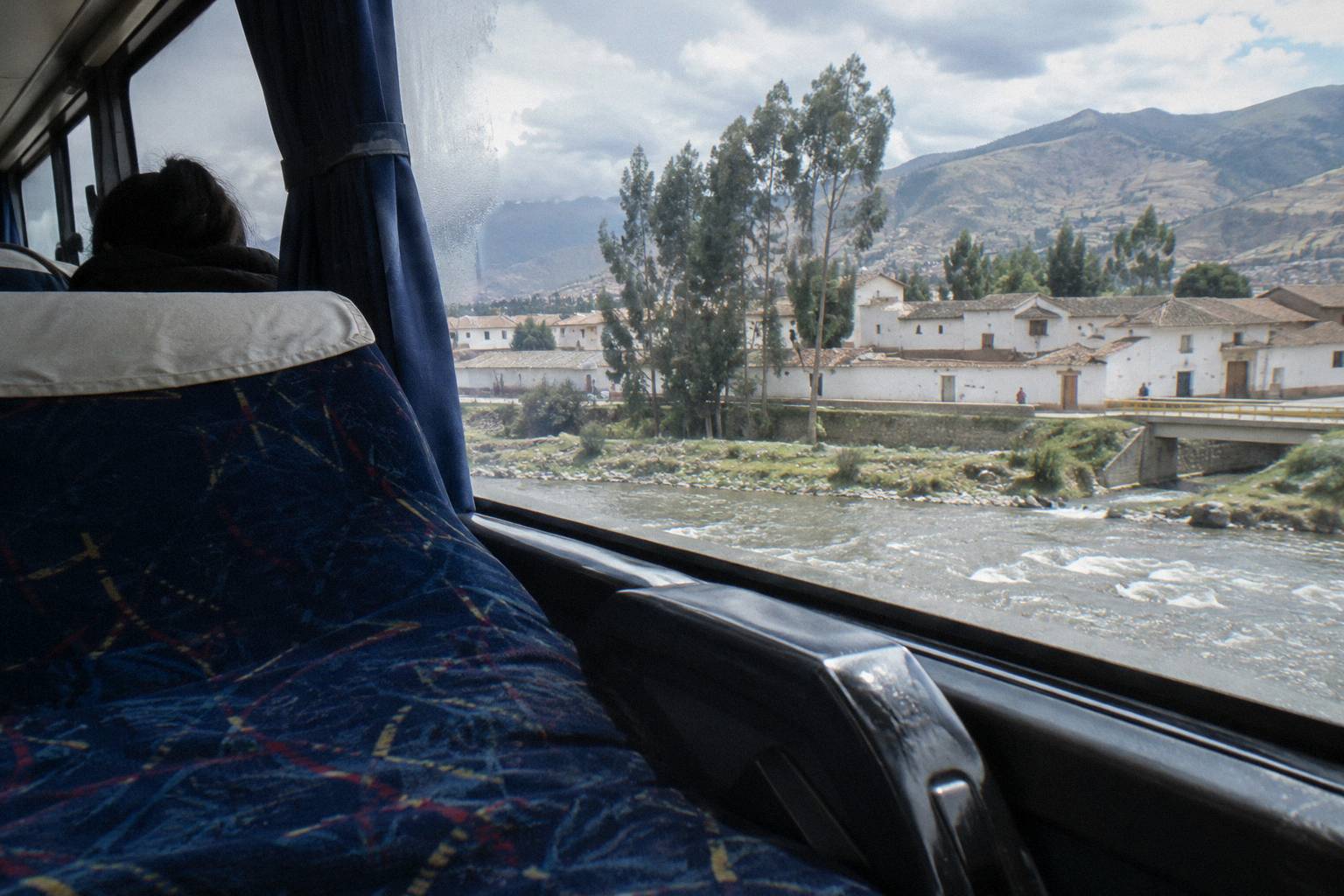
The decision that remains after the mode is chosen is timing, and the pieces above assemble into it: a free-flow estimate of about 6.2 hours that real journeys exceed, an altitude profile peaking above 4,700 m, advisories that single out night mountain travel, and a weather notice running through April 2027. A reader holding all four facts plans a different day than one holding none of them.
Common Questions About The Lima To Huancayo Bus
How Long Is The Bus From Lima To Huancayo?
The pair measures about 301 km with an OSRM free-flow drive estimate of about 6.2 hours, and real bus journeys exceed that estimate because it assumes uninterrupted free-flow driving on a mountain road crossing a pass above 4,700 m. It is not a timetable figure.
How High Is The Lima To Huancayo Road?
Lima sits at 162 m and Huancayo at 3,294 m by INEI figures, and the road crosses the Anticona pass on the Lima to La Oroya stretch, recorded by INEI as above 4,700 m. The pass is higher than the destination.
Where Does The Lima To Huancayo Bus Leave From?
From the operator's own terminal, named on the ticket. Peru's transit rules require regular carriers to use enabled terminals and board passengers only at authorised points with the bus stopped, so there is no single city terminal to print in advance.
Is The Lima To Huancayo Bus Safe At Night?
This site does not verdict safety. The UK FCDO states "Bus crashes are common, especially at night" and advises avoiding overnight travel in mountainous and remote regions, and Canada advises "Avoid taking buses and coaches at night". The central highway is a mountain route.
Can I Change Or Cancel A Lima To Huancayo Bus Ticket?
INDECOPI states a domestic bus ticket can be postponed or transferred with at least 24 hours notice, charging only the real reissue cost with no penalty, and that carrier delay gives a right to reprogramming or a refund. Check the ticket's own terms as well.
What Should I Check Before Travelling On The Central Highway?
SUTRAN's alert map the day before, for closures and restrictions; the carrier's confirmation that the departure runs; and the FCDO's El Nino notice for the central zone, which runs through April 2027 and warns of rainfall, landslides and road closures.