What Is The Safest Bus Company In Peru?
No official source ranks Peru's bus companies on safety. Here is what each major operator states about its own safety features, what the national regulation requires, and how to check a bus yourself.
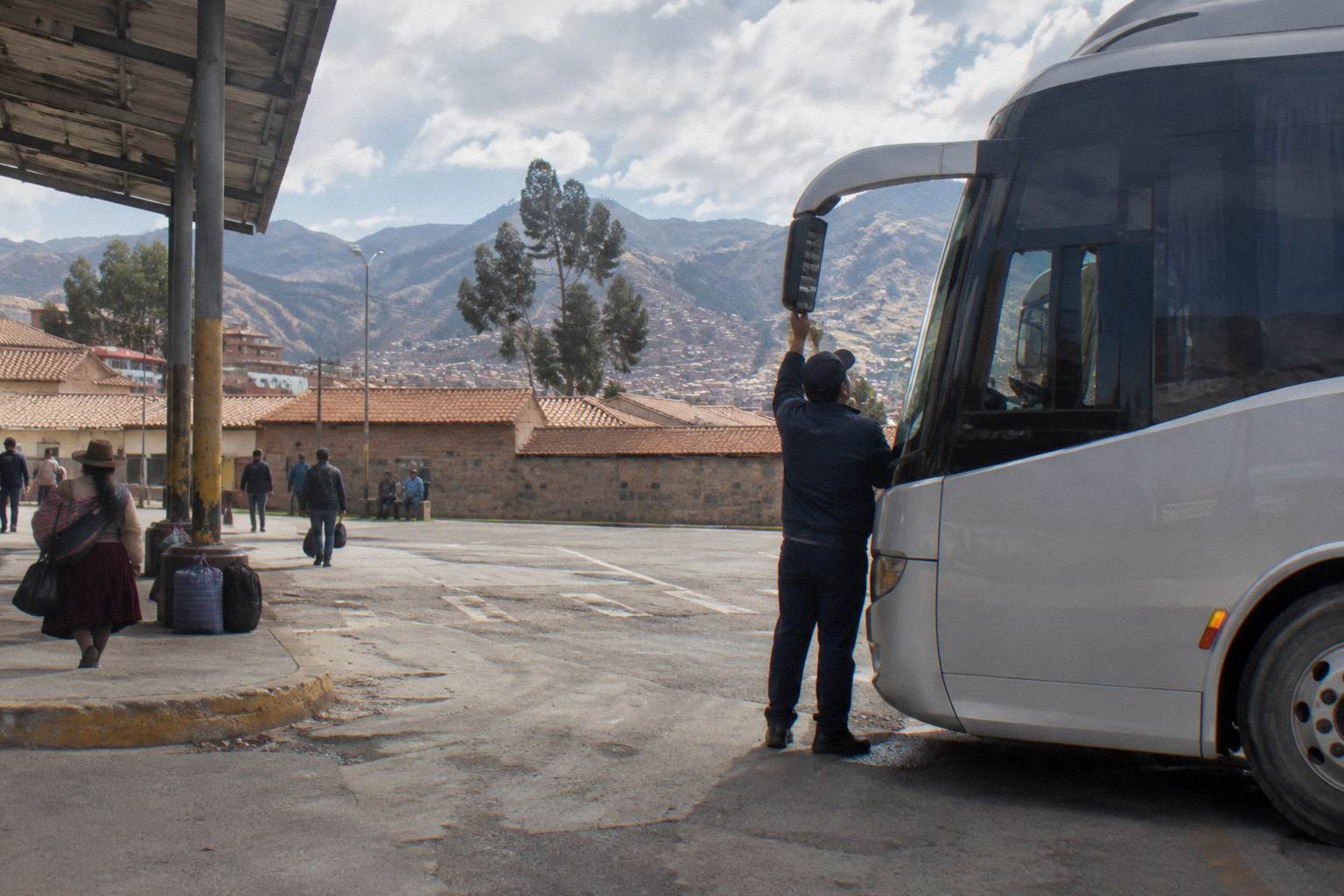
There is no verified "safest" bus company in Peru, because no official body, regulator, or independent survey ranks operators by safety; SUTRAN, the national transport authority, sets rules, runs a road-alert map, and offers a vehicle lookup, but it does not score companies. To judge safety, compare what each major operator publishes about driver rotation, alcohol testing, GPS monitoring, and terminals, then run the free SUTRAN check on your specific bus and driver before boarding.
That answer frustrates people who want a single name, and it is still the honest one. The question "which company is safest" assumes someone measures this. In Peru, the measurement that exists is per vehicle and per driver, not per brand: SUTRAN's public lookup lets anyone enter a plate number or a driver's DNI and see whether the paperwork is in order. A large company can run a spotless terminal in Lima and still put a tired driver on a mountain road, and government advice from four countries focuses on when and where you travel, not which logo is on the side of the coach.
What follows is built from three kinds of source, each treated differently. First, verbatim travel advice from the UK, Canadian, US and Australian governments, quoted exactly and named in the same sentence. Second, operator claims, always attributed to the operator because a company's own marketing is evidence of what it promises, not proof of what happens. Third, Peru's national transit regulation, described as what the regulation text states. For a wider picture of how the system fits together, the how Peru bus travel works guide covers terminals, ticketing and boarding rules in depth.
One practical note before the detail. On the southern circuit, where most long-distance tourists travel, several tourist-bus products sit outside the classic carrier system entirely: they are seat-level bookings on specific departures with published drop-off points and cancellation terms. Those listings are a different animal from a walk-up ticket at a terminal, and their review counts are small enough that no honest writer can call any of them "highly rated". Their ratings appear in the route section below exactly as the listings give them, with the review count beside each.
What Do The Main Operators Say About Their Own Safety?
Every major operator publishes its own safety claims: Cruz del Sur lists the fullest set, including a pilot change every 4 hours, a permanent medical check and alcohol test for drivers, DNI control, a metal detector for passengers, GPS satellite monitoring, and video recording at boarding, while Oltursa states GPS monitoring 24/7, Movil Bus states GPS position and speed control, and Linea states an alcohol test, driver rest verification, and seat-belt control.
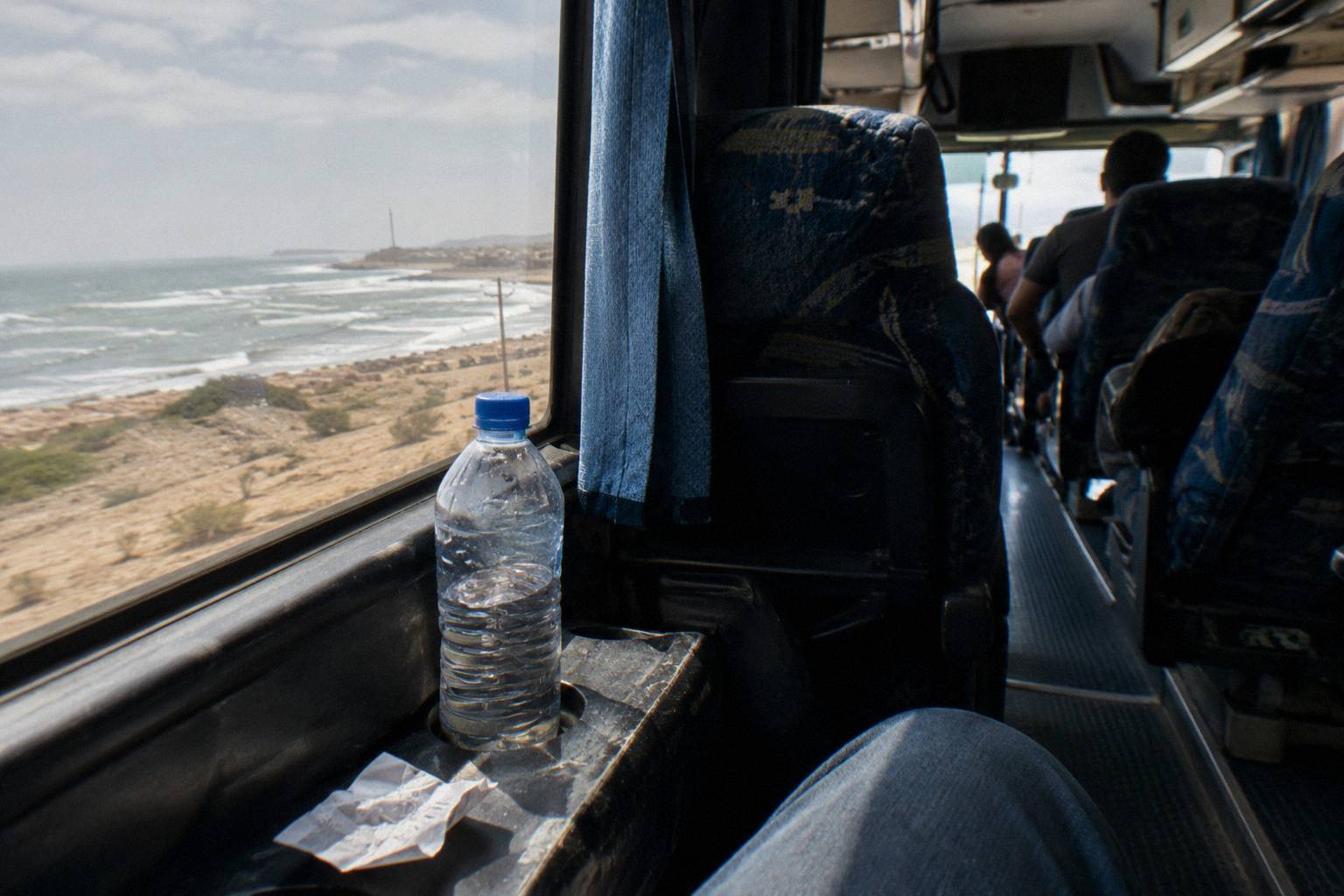
That distinction matters more than it sounds. A company that publishes a detailed safety protocol has at least made itself accountable to it: passengers can point at the page if the metal detector is unmanned or the second driver never appears. But no external auditor certifies these statements, and the only official inspection records live in SUTRAN's per-vehicle lookup, not in any brand-level score. Treat the table below as a list of promises, then verify the specific departure you are about to board.
| Operator | What the operator's own pages state about safety | Where it states it |
|---|---|---|
| Cruz del Sur | Pilot change every 4 hours, permanent medical check and alcohol test, DNI control, metal detector, video recording of passengers, GPS satellite monitoring, seat belts, toilet on board | Its comfort and onboard-services page |
| Oltursa | GPS monitoring 24/7, technical inspections, terminals | Its Lima page and travel terms |
| Civa | SuperCiva seats recline 160 degrees on the first level and 140 on the second; no further safety detail printable from its own site | Its SuperCiva page |
| Movil Bus | GPS position monitoring and speed control; class list from 120 to 180 degree reclines | Its service-classes and travel-tips pages |
| Linea | Alcohol test, driver rest verification, GPS position and speed control, seat-belt control | Its safety and terms pages |
Two cautions on that table. Tepsa, another long-running Peruvian line, published nothing verifiable on its own pages when this article's sources were read, so it is deliberately left out rather than described from memory. And recline degrees are comfort figures, not safety figures: they are included only because each operator publishes them, and because a fully reclining seat with a working belt behaves differently in an emergency than an upright one. Recline numbers appear in detail, with the operator attribution, in the Peru bus classes explained guide.
What Does Peru's National Regulation Require Of Every Bus?
Peru's national regulation requires every licensed bus to cap continuous driving at 5 hours by day and 4 at night, add a second driver once a trip exceeds those spans and a third beyond 20 hours, carry GPS monitoring that reports permanently to the authority, and enforce mandatory seat belts, with the crew announcing that fact. These rules bind the carrier, whoever it is.
This is the part of the answer that does not depend on marketing. A rule that binds every licensed bus is worth more to a passenger than a slogan that binds none of them. The driving-hours rule explains why long routes such as Lima to Cusco or Lima to Arequipa carry two drivers as a matter of course rather than courtesy: the trip exceeds the single-driver span several times over. It also explains why an operator advertising a pilot change every 4 hours is describing more than the minimum, since the rule triggers the change at 5 hours by day.
| Rule area | What the regulation text states | Plain reading for a passenger |
|---|---|---|
| Driving hours | Continuous driving max 5 h by day, 4 h at night; second driver beyond that; a third driver on trips over 20 h | Long routes are multi-crew by requirement, not by choice |
| Speed | SUTRAN states the 90 km/h limit for interprovincial buses applies only on roads without any other speed sign; buses carry a limiter device that stops them passing 110 km/h | A sign can lower the limit; the limiter is a device rule, not the road limit |
| Monitoring | National buses must carry wireless control and monitoring transmitting to the authority permanently | The state sees the vehicle, not just the company |
| Belts | 3-point belt at the driver seat, at least 2-point at all passenger seats; crew must announce belts are mandatory | Wear it; the announcement itself is required |
| Boarding | Boarding only at authorised points with the bus stopped; regular carriers must use habilitated terminals, never the public road | Street-corner pickups are outside the regular system |
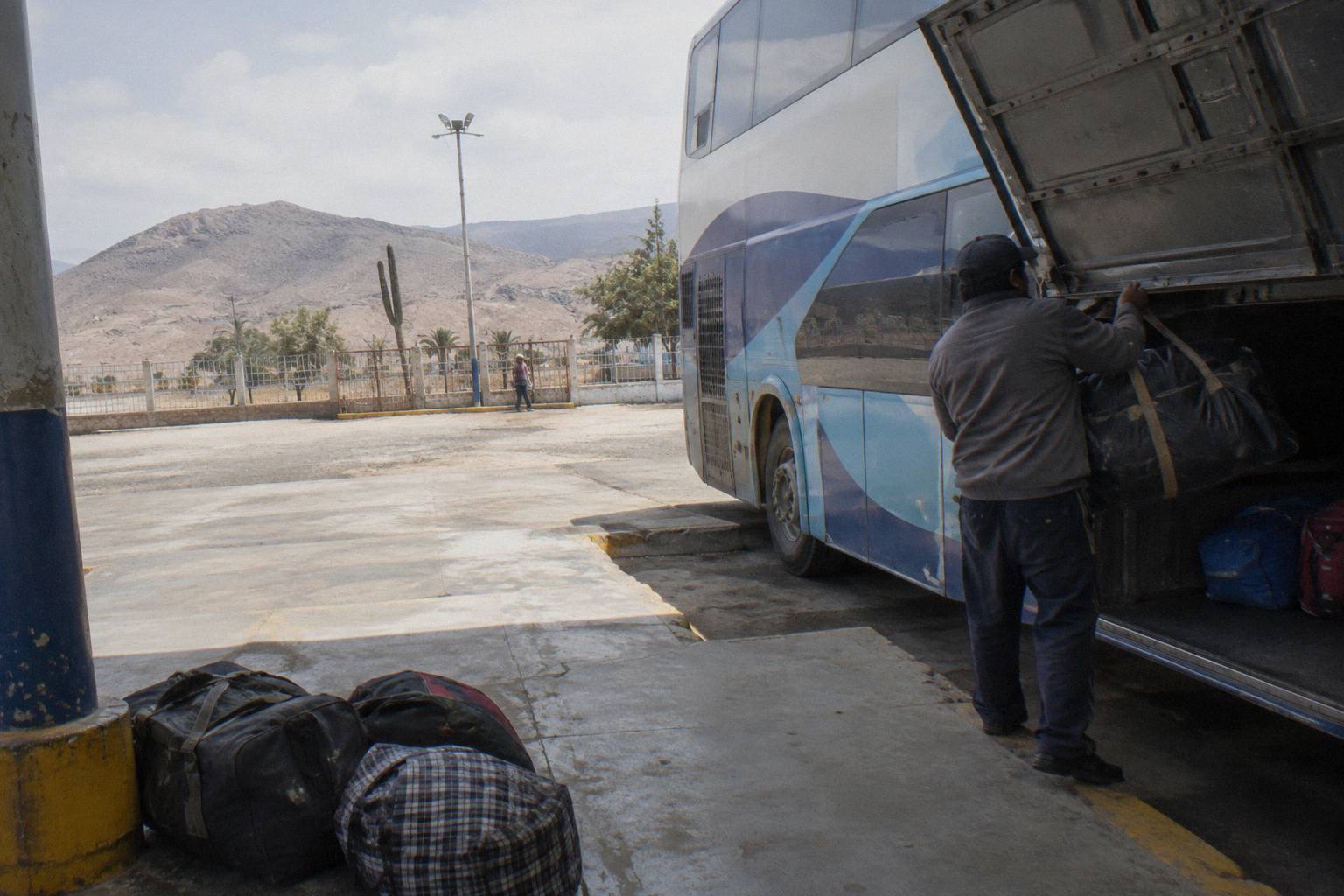
| Luggage | Up to 20 kg travels free on national service; SUTRAN advises getting a luggage ticket | Take the ticket; it is your receipt if the bag goes missing |
The speed rule deserves a second look because it is widely misquoted. The 90 km/h figure is not a blanket national bus speed: SUTRAN states plainly that it applies only on roads with no other regulating sign, and any sign can set a lower number. The 110 km/h device, meanwhile, is a physical limiter the bus must carry, not permission to travel at 110. SUTRAN explains the 90 km/h rule on its own interprovincial travel notice, and it is the primary source for anyone who wants the wording rather than the paraphrase.
Ticket rights sit in the same body of rules and are worth knowing before anything goes wrong. INDECOPI states that a domestic bus ticket can be postponed or transferred with at least 24 hours notice, with only the real cost of reissue charged and no penalty. On the tourist-bus side of the market, several products go further on paper: the listings for the sleeper from Arequipa to Puno and the tourist bus from Puno to Cusco both carry free cancellation up to 24 hours before departure for a full refund, as listed. One exception to note honestly: the First Class Huaraz ticket from Lima to Huaraz says on its own listing that it is non-refundable and cannot be changed, so the generous terms are a listing-by-listing question, not a market-wide rule.
For overnight trips in particular, the decision framework in the overnight bus in Peru guide walks through what changes after dark, seat choice and what the government advice actually says about night travel.
How Can You Check A Bus And Driver Before Boarding?
SUTRAN runs a free public lookup where anyone can enter a bus plate number or a driver's DNI and confirm the vehicle and driver have their papers in order, and an Around-The-Clock line, Alo SUTRAN 0800 12345, answers 24 hours. The road-alert map at SUTRAN's alert portal shows closed roads in red, restricted in yellow and open in green, and a 24 hour WhatsApp line, 999 382 606, takes reports including speeding.
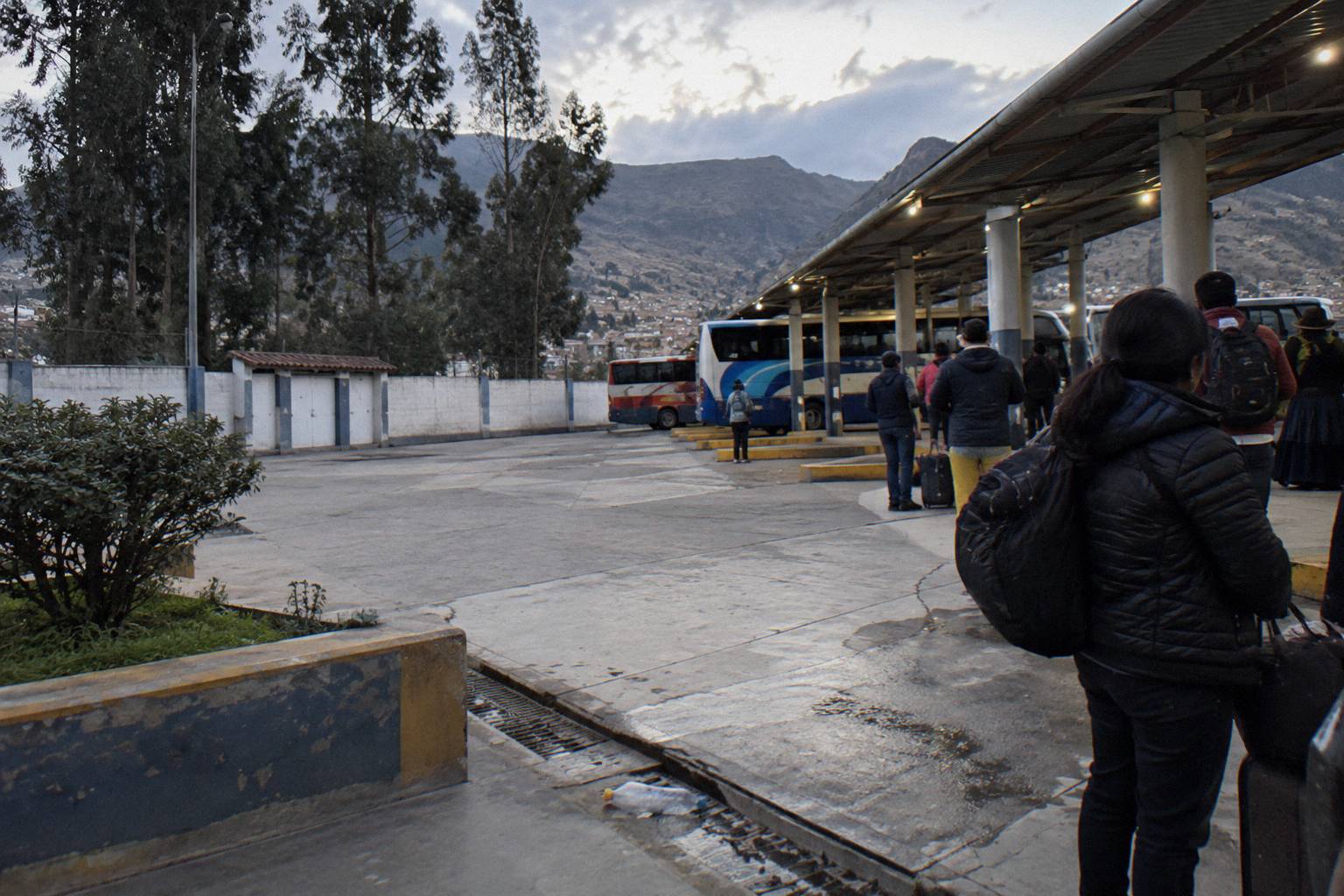
This is the single most useful habit the article can teach, and it converts the unanswerable brand question into an answerable departure question. You cannot rank companies, but you can check the exact vehicle collecting you. The lookup page is at SUTRAN's bus and driver consultation service, and it is the state's own tool rather than a commercial directory. Before a mountain route in particular, the same two-minute check that verifies the plate also tells you the operator behind it, which is not always the name printed on your booking.
The alert map earns a place in any pre-trip routine. Blockades, accidents, weather damage and roadworks all appear on it as live points, and checking it the evening before travel catches the disruption that news coverage has not reached yet. It lives at SUTRAN's interactive road-alert map. Between the vehicle lookup and the road map, a passenger arrives at the terminal with more verified information about their specific departure than any ranking of brands could give them.
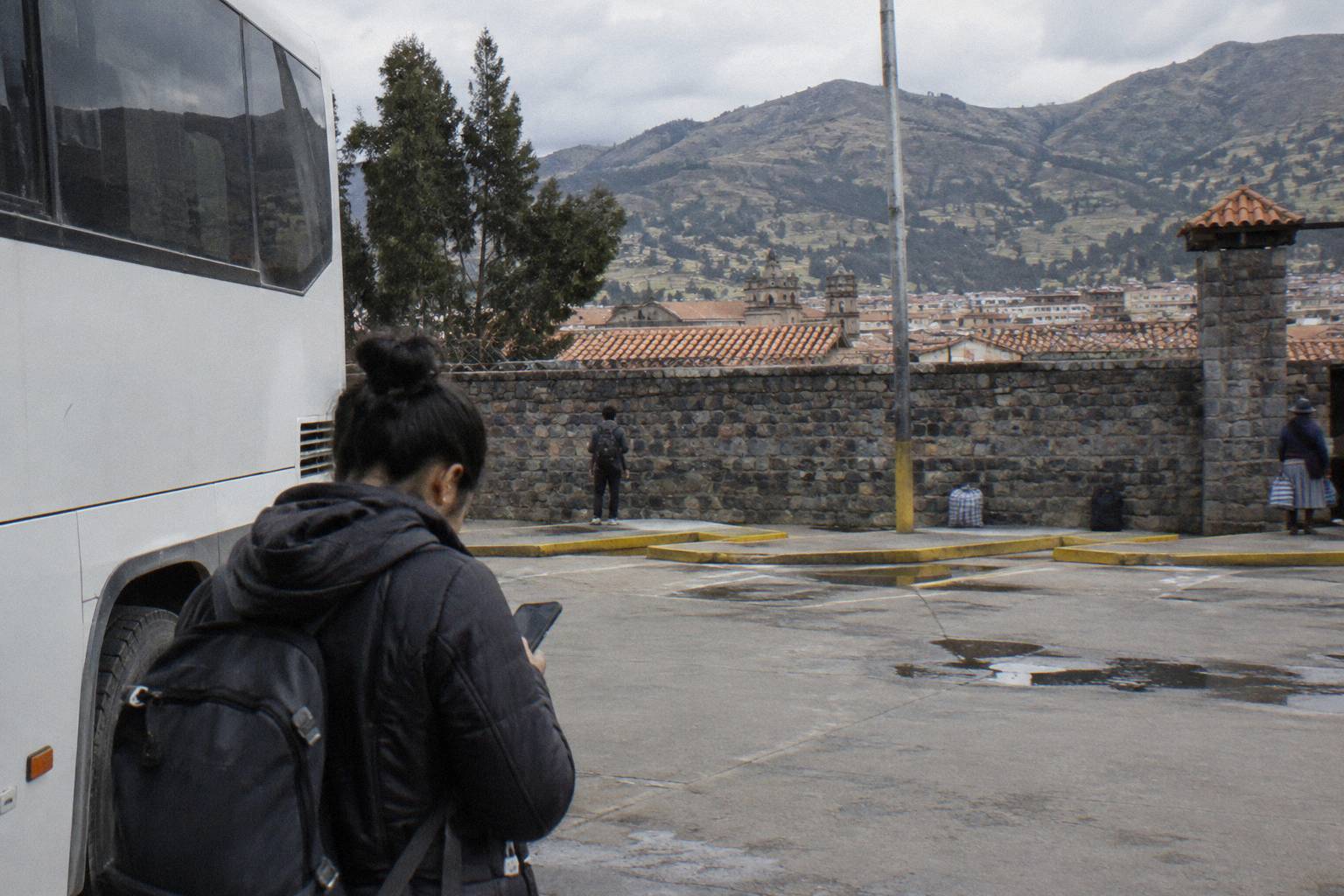
On the tourist-bus products, the equivalent check is simpler: read the listing's own cancellation and drop-off lines before booking. The Turismo Mer sleeper from Arequipa to Puno, for example, is rated 4.3 across 20 reviews, its listing names a 160 degree recline and a night service, and it notes that the terminal boarding fee is not included, so check the boarding fee line on the listing. You can find it through the Turismo Mer sleeper bus from Arequipa to Puno page, and check availability if the southern route is already on your plan. Small review pools like 20 reviews describe a handful of journeys, not a safety record.
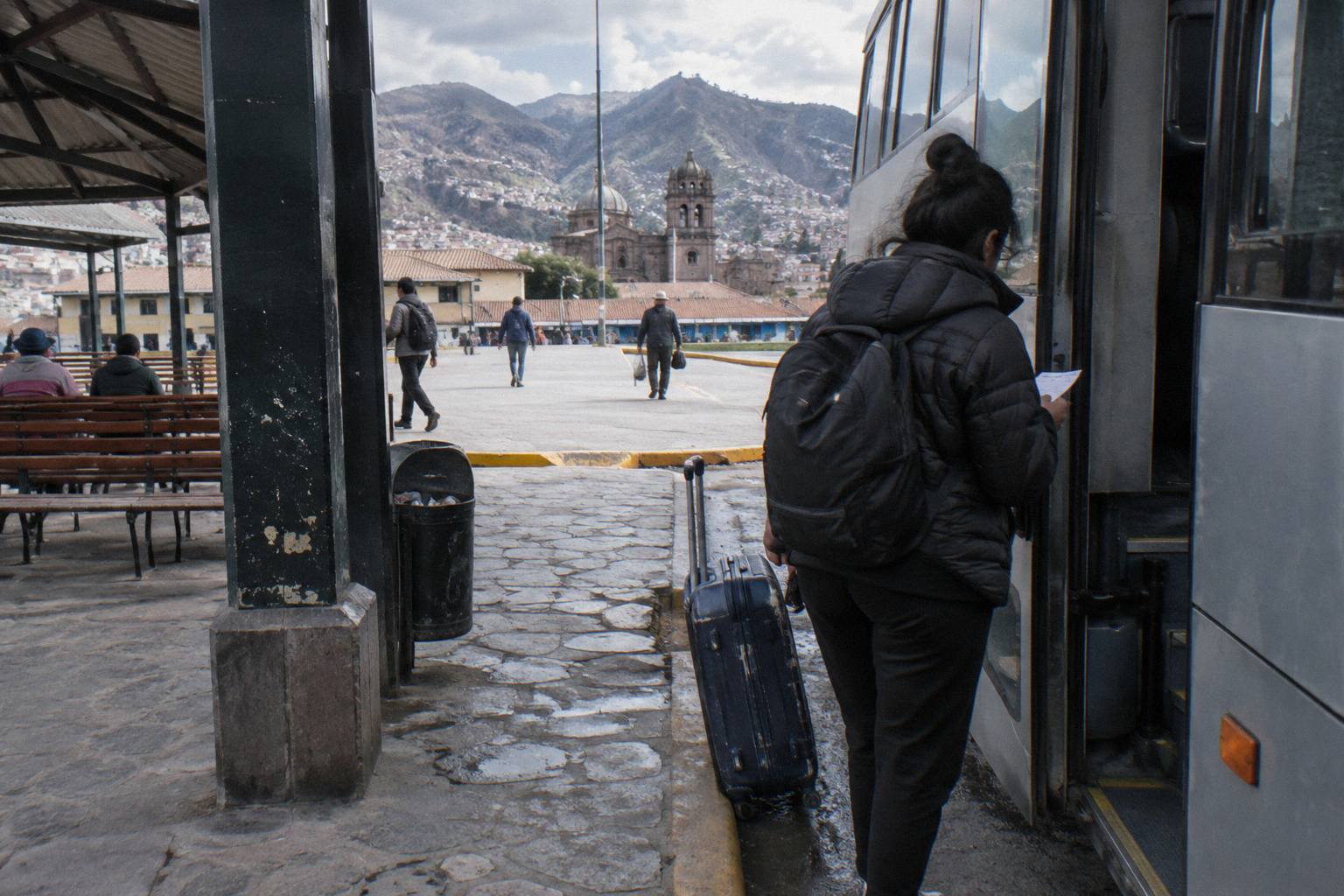
Which Routes Do The Better-Equipped Operators Serve?
Route coverage, not safety marketing, decides which operators can even appear on your itinerary: Movil Bus concentrates on Lima to Huaraz, Chiclayo, Trujillo, Chachapoyas, Cajamarca, Tarapoto and Oxapampa and does not serve Cusco or Arequipa as far as its own pages show; Linea runs a northern network only, covering Lima, Chimbote, Trujillo, Pacasmayo, Chiclayo, Piura, Huaraz, Cajamarca, Chepen and Jaen. The southern tourist corridor is served by other lines and by the tourist-bus products listed on this site.
That geography shapes the whole question. A traveller flying into Lima and heading south to Cusco will never board a Movil Bus or Linea coach, because neither operator sells that corridor. A traveller heading north to the coast or to Huaraz will meet exactly those two names, plus Oltursa and Cruz del Sur on the trunk routes. Asking for the safest company before fixing the route is asking the question in the wrong order: fix the corridor, then compare whichever operators actually run it. The rest of the planning pages sit on Peru By Bus.
The free-flow drive estimates show why crewing rules bite so hard in the south. Arequipa to Puno is 273 km with a free-flow drive estimate of 5.5 hours; Arequipa to Cusco is 487 km and 9.4 hours; Puno to Cusco is 387 km and 6.2 hours. Real bus journeys exceed those figures, and they are routing estimates, never timetable promises. Every one of those spans crosses the two-driver threshold in the regulation, which is why the southern long-haul fleet is built around multi-driver crews and why the tourist products on these roads are substantial buses rather than vans.
Three tourist-bus products cover the southern links with published terms:
| Product | Operator | Rating and reviews (as the listing gives) | Duration (listing gives) | Cancellation (as listed) |
|---|---|---|---|---|
| Arequipa to Puno sleeper | Turismo Mer | 4.3 across 20 reviews | 7 hours | Free cancellation up to 24 hours before |
| Puno to Cusco with lunch stop | Turismo Mer | 4.6 across 24 reviews | 11 hours | Free cancellation up to 24 hours before |
| Cusco to Arequipa direct | World Explorer Peru | 3.7 across 16 reviews | 10 hours | Free cancellation up to 24 hours before |
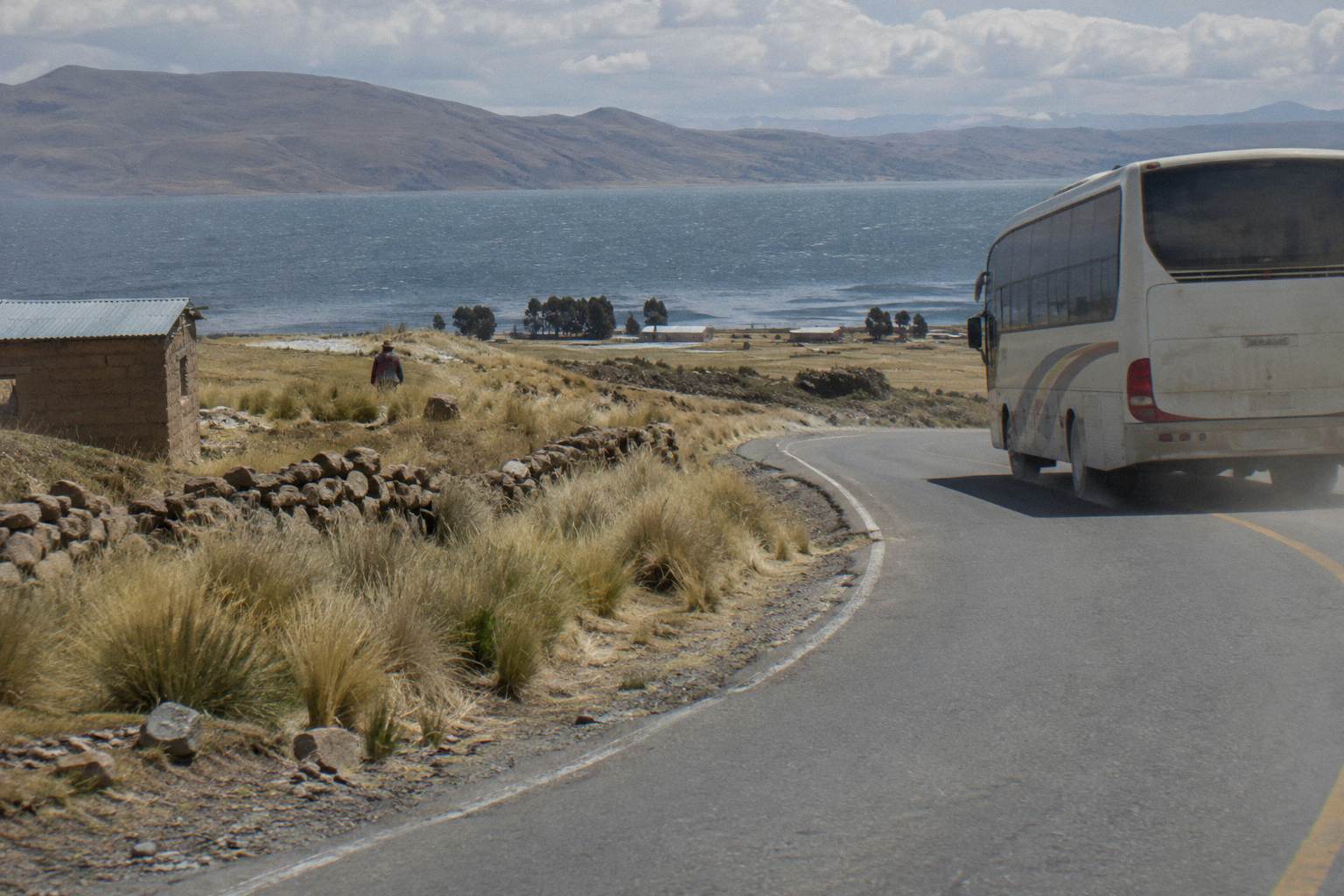
The Puno to Cusco tourist bus deserves its own word because it is the most reviewed of the three at 24 reviews and its listing names an all-you-can-eat lunch stop, which turns an 11-hour listing duration into a journey broken at a fixed, staffed stop rather than a continuous roll. The Cusco to Arequipa direct bus names a Cruzero Suite 160 degree seat in its listing; say only that the listing names it, since seat class is the operator's own description. Neither figure is a safety claim, and none of these pools is large enough to carry one.
What Do Foreign Governments Say About Bus Travel In Peru?
Foreign governments issue similar warnings about bus travel in Peru. The UK FCDO says bus crashes are common, especially at night, and advises using reputable companies and avoiding overnight travel in mountainous and remote regions; Canada warns that intercity buses can be dangerous due to excessive speed, poor maintenance and driver fatigue; and Smartraveller reports frequent robberies and assaults on buses, including while passengers sleep, yet no advisory names a safe or safest company.
The absence of a brand name in four separate advisories is itself information. Governments name airlines when they ban them; none of the UK, Canadian, US or Australian advice on Peru singles out a bus operator as either endorsed or avoided. What they do name is behaviour, and the behaviours repeat across all four sources with striking agreement.
The US Embassy in Lima, republishing the State Department advisory, states "Level 2 - Exercise Increased Caution" and that "Criminal groups sometimes set up roadblocks to rob people in areas outside of Lima.", while also noting that U.S. government employees "may travel at night with commercial bus companies along the Pan-American Highway, to Huaraz, and on the Lima-Arequipa-Cusco corridor." That corridor clause is worth reading twice: it distinguishes the main tourist arteries from remote roads, which is exactly the distinction the advice makes throughout. The full text is on the US Embassy Lima travel advisory page, and the UK's bus-specific wording sits in the FCDO safety and security section.
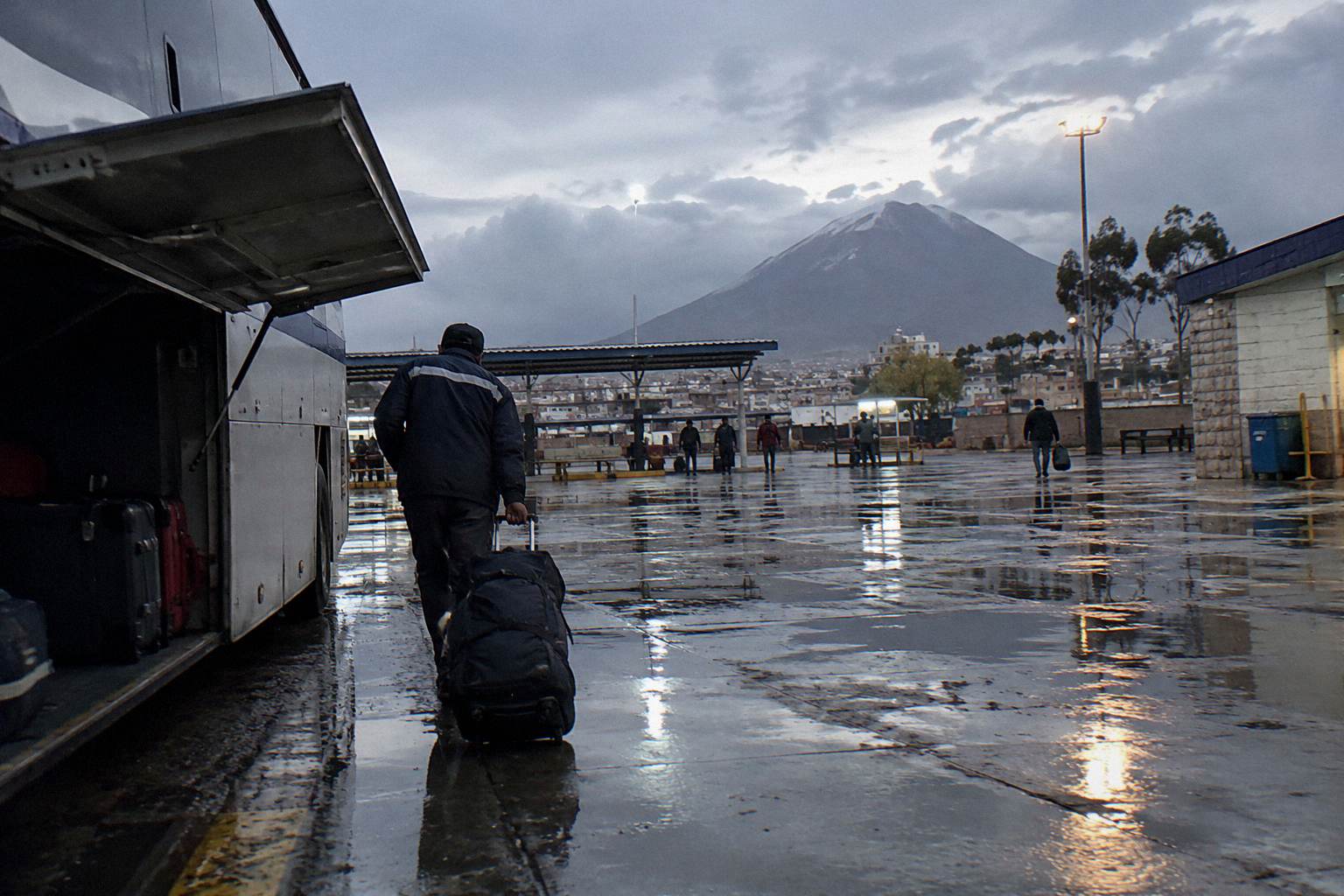
Canada's advice adds a terminal-level warning: "Remain particularly vigilant at bus terminals and in taxis" and "Only use authorized cabs located inside airport terminals and bus stations." The UK echoes it with "There is a risk of robbery by criminals posing as taxi drivers, especially at Jorge Chavez International Airport and bus terminals" and the plain instruction "use one of the taxis registered at bus terminals". Both point at the same weak link in any journey: the arrival, not the road. Planning the last kilometre from the terminal matters as much as choosing the coach, and the Peru bus terminals by city guide maps the company-specific terminal addresses so the arrival is not improvised.
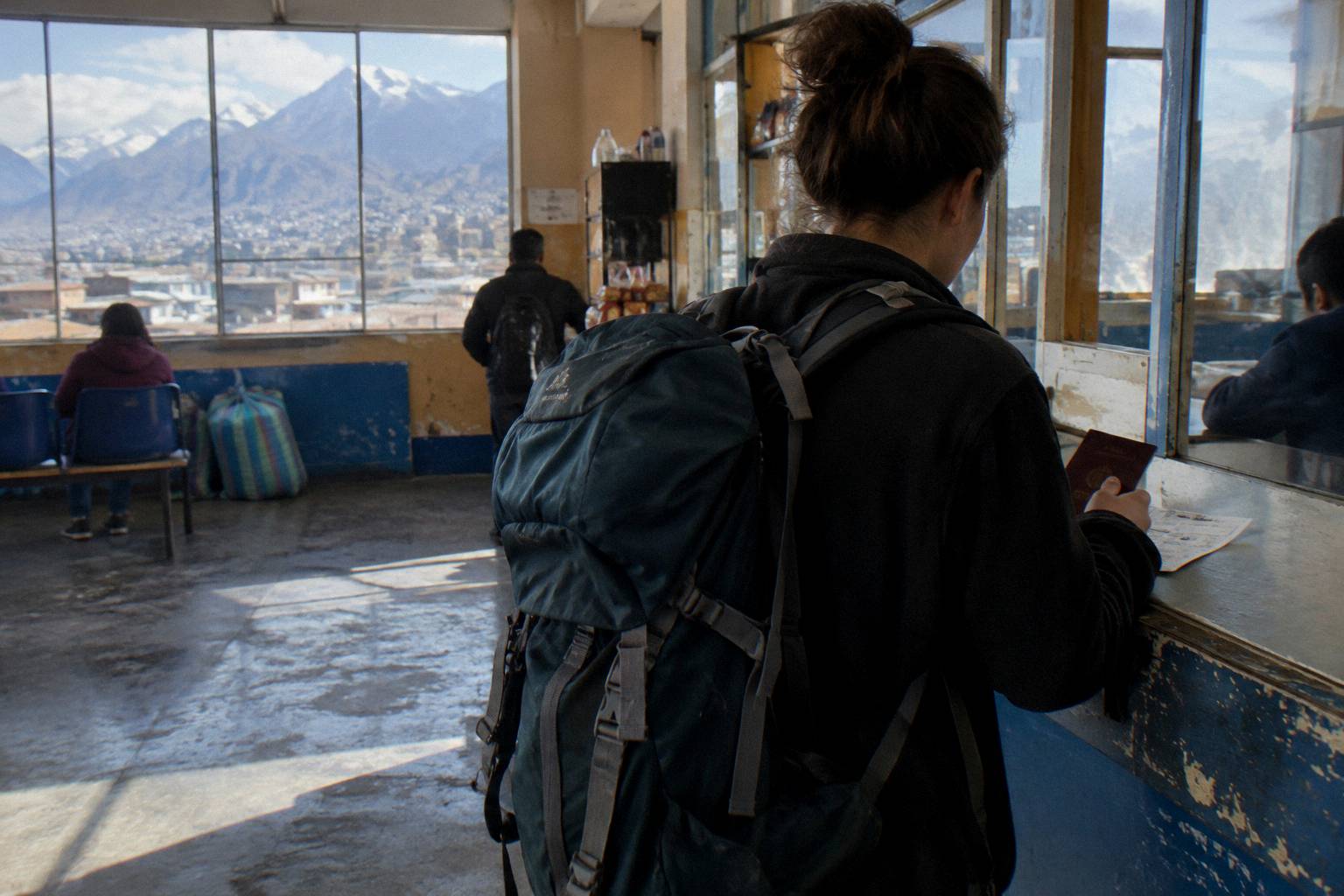
One more quoted line belongs here because it answers a question people ask too late. The FCDO states: "on bus journeys, keep your passport with you." Hold luggage is the wrong place for documents, and the hold is where the 20 kg allowance goes. The rule splits your belongings the same way the advice splits the journey: valuables ride with you.
What Should You Do If Something Goes Wrong?
Complaints about a Peruvian bus company go first to the carrier's Libro de Reclamaciones, the formal complaints book every business must hold, which has 15 working days to answer, and then to INDECOPI, reachable on 224 7777 in Lima or 0800 4 4040 in the regions, with an online filing through the Reclama Virtual portal. For safety reports mid-journey, SUTRAN's WhatsApp line 999 382 606 and Alo SUTRAN 0800 12345 run 24 hours.
The order matters. The complaints book creates a paper trail the regulator can later read, and skipping straight to social media produces no record either body will act on. INDECOPI's own consumer rules also give the ticket rights described earlier: postponement or transfer on 24 hours notice at real reissue cost, and a right to reprogramming or refund when the company itself delays or fails to run. The filing portal is at INDECOPI's Reclama Virtual.
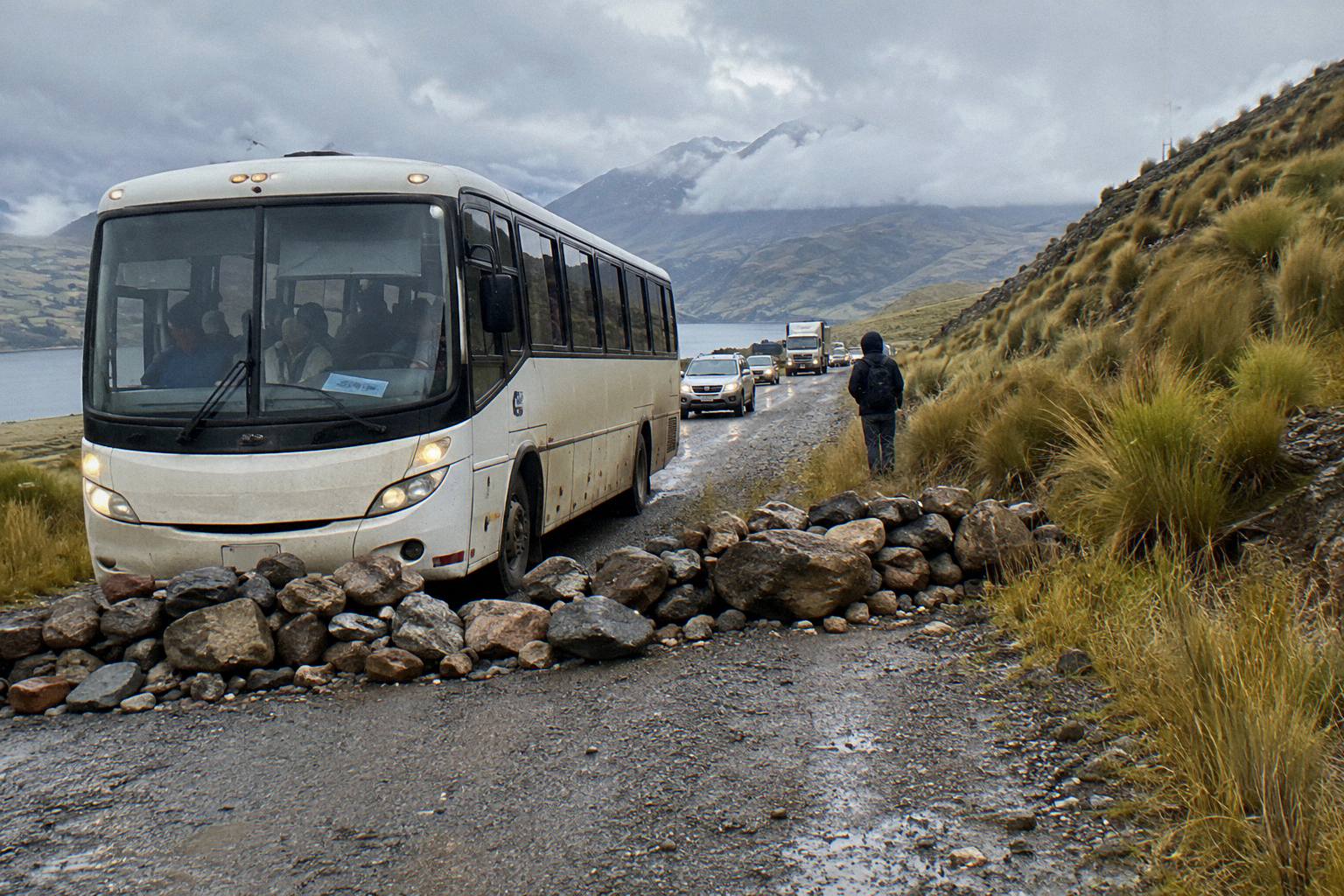
Disruption in Peru is more often political than mechanical, and the advisories treat it that way. The FCDO states: "Political protests in Peru are unpredictable and can escalate quickly. Demonstrations can become violent and lead to roadblocks, travel disruption, including trains, and suspension of immigration services at land borders." and, on the practical point: "Do not attempt to pass blockades." Canada notes that "Roadblocks are frequently erected during demonstrations" and that strikes "could also lead to border closures, including with Bolivia". The regions named by the FCDO as having recent protests include Arequipa, Cusco and Puno, three stops on the southern tourist corridor, so this is not an abstract warning for the traveller asking about southern buses.
The working routine for disruption is short. Check SUTRAN's road-alert map the day before travel, since blockades appear there as live points. Ask the carrier directly, because an operator will know about a paro on its own route before any national register does. Build a spare day into any itinerary with a flight or a fixed-date booking at the far end, the same advice the bus delays, strikes and rainy season guide develops in full. And never cross a blockade on foot or by vehicle to keep a schedule; the FCDO wording on that point is an instruction, not a suggestion.
The weather layer sits on top. The FCDO states: "Through late 2026 to April 2027, the El Nino weather event is expected to generate heavy rainfall, possible flooding, landslides, and mudslides, especially in, but not restricted to, the northern and central coast. These could cause travel disruption, such as road closures". That is a coastal warning aimed mainly at the northern routes, and it argues for the same buffer-day approach there.
The Honest Answer, Assembled
No official source names a single safest bus company in Peru, so the honest answer is a checklist, not a brand: choose an operator that publishes its safety protocol and runs your route, read the service terms before booking, verify the plate on SUTRAN's lookup, check the road on the alert map, keep your passport and valuables with you, use a registered terminal taxi on arrival, and heed the advisories that warn about night travel on remote mountain roads.
The tourist-bus products on the southern corridor make parts of that checklist easy. Fixed drop-off points remove the arrival improvisation, published cancellation terms remove the ticket dispute, and a 24-hour free cancellation window means a strike warning on the SUTRAN map the evening before does not have to become a sunk cost. Those are commercial conveniences rather than safety certifications, and this article will not dress them up as more than they are.
Peru By Bus was built around exactly this gap: nobody ranks the companies, so the next best thing is to publish what each operator and each regulator actually says, with the source named in every sentence, and let the reader verify the specific departure they are about to take.
Common Questions About Bus Safety In Peru
What Is The Safest Bus Company In Peru?
No official source ranks Peru's bus operators on safety. Compare what each operator states about its own protocols, check the specific bus and driver on SUTRAN's free lookup before boarding, and follow the government advice on night travel and mountain roads.
Are Overnight Buses In Peru Dangerous?
The UK FCDO states: "Bus crashes are common, especially at night. Only use reputable transport companies, and where possible, avoid overnight travel, especially in mountainous and remote regions." Canada's advice says "Avoid taking buses and coaches at night". The US Embassy note permits its own government employees to travel at night with commercial bus companies on the Pan-American Highway, to Huaraz, and on the Lima-Arequipa-Cusco corridor.
How Do I Check Whether A Bus Is Legally Allowed To Run?
Use SUTRAN's lookup service: enter the plate number or the driver's DNI and the system shows whether the vehicle and driver have their papers in order. Alo SUTRAN 0800 12345 answers 24 hours.
Do Peru's Buses Have Seat Belts?
Peru's national transit regulation requires a 3-point belt at the driver seat and at least a 2-point belt at every passenger seat, and the crew must announce that belts are mandatory. Wear yours for the whole journey.
What Luggage Protection Exists On Peruvian Buses?
The regulation allows up to 20 kg of luggage free on national service, and SUTRAN advises taking a luggage ticket for anything in the hold. Keep your passport with you on the bus; the FCDO states this explicitly.
How Do I Complain About A Peruvian Bus Company?
File in the carrier's Libro de Reclamaciones first; it has 15 working days to answer. Escalate to INDECOPI on 224 7777 in Lima, 0800 4 4040 in the regions, or through the Reclama Virtual online portal.