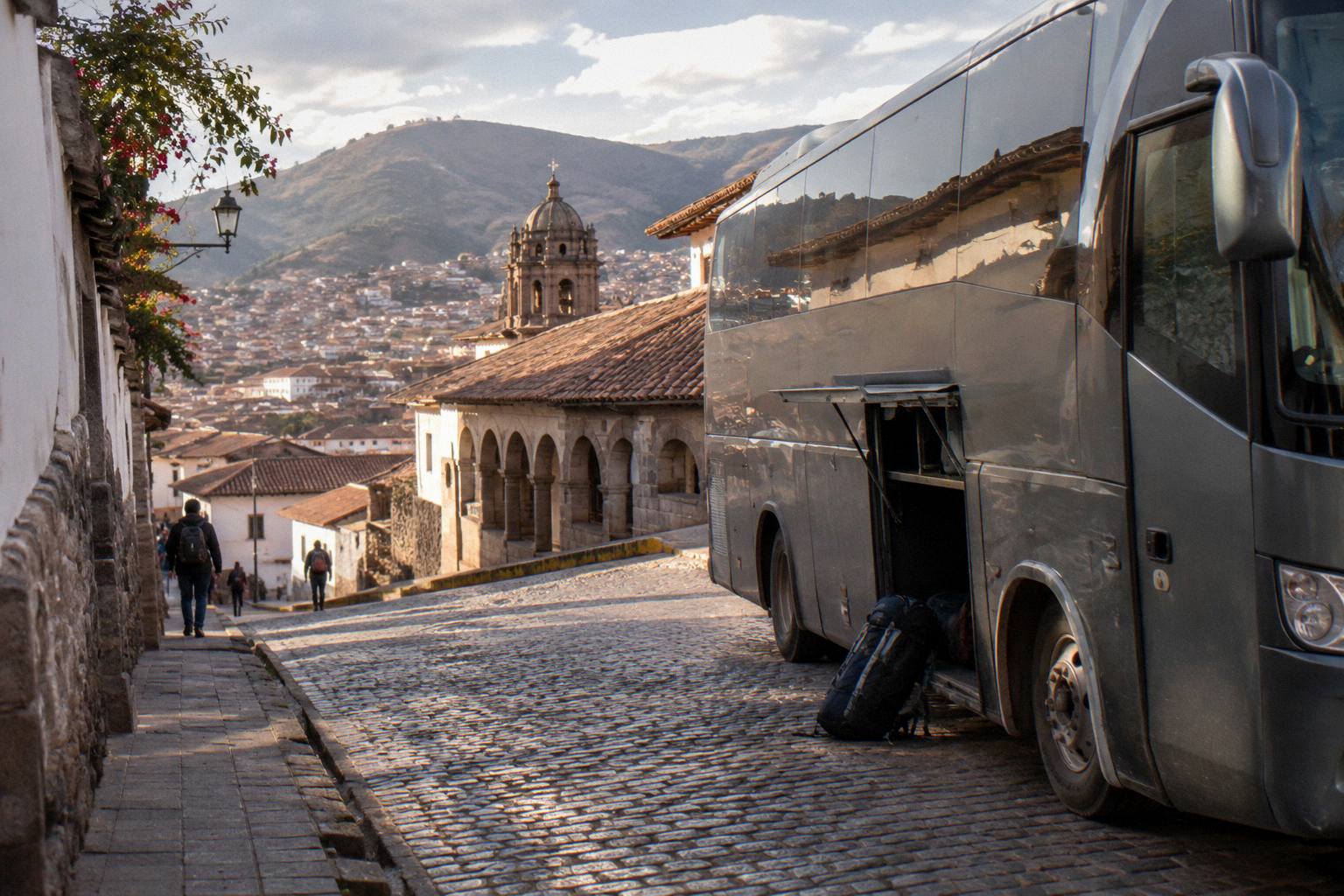
How Many Days Do You Need To Cover Peru On Buses?
A day-count answer built from operator-stated pass times and free-flow drive estimates: how many days the south circuit, the full Lima to Cusco chain, and add-ons like Huaraz and the north really need by bus.
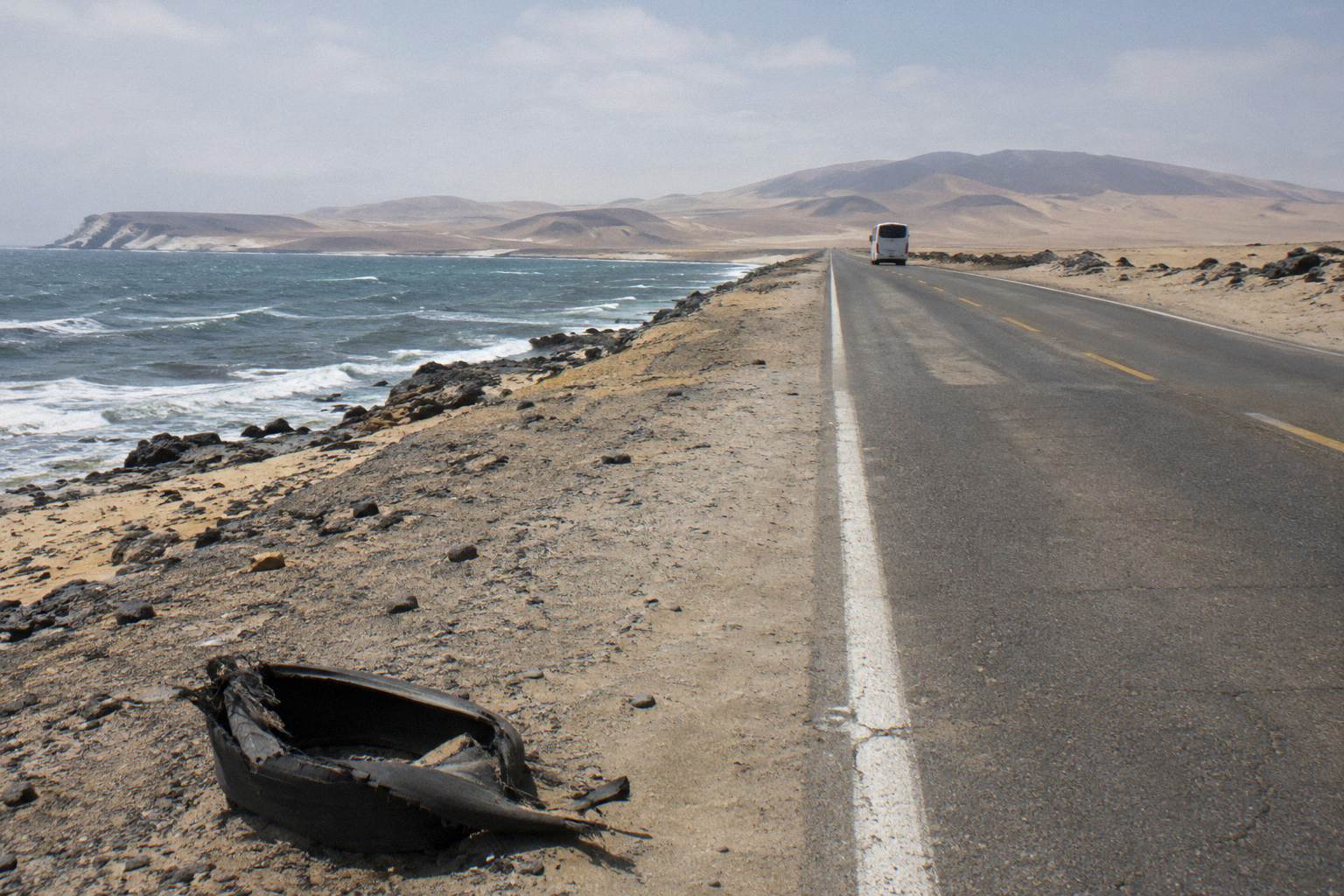
Budget roughly six to eight days for the classic southern bus chain from Lima through Paracas, Huacachina, Nazca, Arequipa, Puno and Cusco, though nine to twelve days is the more comfortable range. That count treats sitting days and stop days separately, which is the honest way to arrive at the number, so plan with both kinds of days in mind. That figure is not a guess layered on top of marketing copy. It comes from two printable sources: the fastest completion times the hop-on hop-off operator itself states for its passes, and free-flow drive estimates for the same legs, which real bus journeys exceed because they add terminals, rest stops, meals and mountain roads. Anything shorter trades stops for seat time, and anything that adds Huaraz or the north coast is a second week.
Start with the operator-stated anchor, because it is the only day count a bus company puts its own name on. Peru Hop lists a fastest time of 6 days for its Full South To Cusco pass, which names the stop chain Chincha, Paracas, Huacachina, Nazca, Arequipa, Lagunillas, Puno and Cusco. The same pages list Get To Cusco Quick at 3 days by skipping Arequipa and Puno, and Canyon To Lima at 3 days running the chain in reverse from Arequipa. Those are floor values, written by a company selling speed, so treat them as the minimum a compressed run demands rather than a recommended pace.
The other half of the arithmetic is distance. The Lima to Arequipa leg is about 1,002 km, with an OSRM free-flow drive estimate of about 14.3 hours, and Arequipa to Cusco adds about 487 km at an estimated 9.4 hours free-flow. Real timetabled journeys exceed those figures: they include boarding, meals, winding descents and the Andean climbs that a free-flow router does not model. Even the "fastest" versions of the south circuit are therefore two long sitting days before any sightseeing happens, which is why the 6 day floor becomes 8 in practice.
If the first week of your plan runs down the coast from Lima, the practical first leg is a booked tourist bus seat rather than a terminal queue. The Wayki Bus Lima to Paracas one-way ticket runs from Miraflores and Barranco to the El Chaco drop-off in Paracas, the listing gives 3 hours, and it carries a 4.2 rating across 62 reviews with free cancellation up to 24 hours before Check availability. A twin listing by another operator, with hotel pickup in Miraflores and Barranco, is from US$18 per person on its own basis. Paracas is near sea level, so this leg costs no acclimatisation time, which matters later in the plan.
For readers sizing the whole trip rather than one leg, the two-week Peru bus itinerary guide shows how the day counts below turn into a day-by-day plan, and the southern Peru bus circuit guide covers the same chain stop by stop. This article stays on the arithmetic: how many days each bundle of routes demands, and where the totals come from.
What Does The Classic South Circuit Take By Bus?
The classic south circuit by bus, running from Lima to Cusco through Paracas, Huacachina, Nazca, Arequipa and Puno, takes a stated minimum of 6 days end to end. Eight days is the realistic planning figure once each stop along the route gets a night. The 6 day figure is Peru Hop's own fastest time for its Full South To Cusco pass. The 8 day figure follows from the stop list: Paracas and Huacachina pair well, Nazca is a stop rather than a stay, Arequipa earns two nights, Puno one, and Cusco sits at about 3,400 m, which argues for an unhurried arrival. A reader who trims Arequipa or Puno can compress toward the operator's floor, and the same operator lists a Get To Cusco Quick pass at 3 days that skips both.
The compression options are real and printable. The pass pages list To Cusco Without The Canyon at the Cusco-bound end of the range and Canyon To Lima at 3 days for the reverse run, so a traveller who flies into Arequipa and buses north has a stated 3 day path to Lima. Going the other way, Canyon To The Lake To La Paz lists 2 days from Arequipa through Puno to Copacabana and La Paz, which shows how quickly the total collapses when Lima and the coast drop off the plan. These are the operator's stated floor times, not recommended paces, and each one assumes you ride the legs back to back.
Here is the day-count table, built only from the two allowed sources: stated fastest times for the passes, and free-flow drive estimates for the legs. Nothing in it is a sightseeing recommendation.
| Trip bundle | Stated fastest time | Free-flow drive estimate behind it |
|---|---|---|
| Lima to Cusco, full south chain | 6 days (Peru Hop lists, Full South To Cusco) | Lima-Arequipa about 1,002 km, about 14.3 h, plus Arequipa-Cusco about 487 km, about 9.4 h |
| Lima to Cusco, skipping Arequipa and Puno | 3 days (Peru Hop lists, Get To Cusco Quick) | Same coastal legs, then the direct mountain link |
| Arequipa to Lima, reverse chain | 3 days (Peru Hop lists, Canyon To Lima) | Arequipa-Cusco leg not used; coastal legs only |
| Arequipa to Copacabana and La Paz | 2 days (Peru Hop lists, Canyon To The Lake To La Paz) | Arequipa-Puno about 273 km, about 5.5 h, plus Puno-La Paz about 260 km, about 4.5 h, border wait excluded |
| Lima to Cusco to La Paz, whole chain | 10 days (Peru Hop lists) | Sum of the south chain plus the Titicaca legs |
| Cusco to La Paz | 24 hours (Peru Hop lists) | Puno-Copacabana about 142 km, about 2.5 h, border wait excluded |
Every figure in the drive column is a free-flow estimate that real bus journeys exceed, and none of them may be read as a timetable time. The border rows exclude border waits entirely, and the Arequipa to La Paz row crosses at Copacabana or Desaguadero, where immigration adds its own unmeasured hour or more. If a bundled pass is the format that fits, See Peru Hop Passes for the live names, stops and terms on the operator's own pages; no price belongs on this page, and none is given.
How Do Multi-Stop Bus Tickets Change The Day Count?
A multi-stop, hop-on hop-off bus ticket does not shorten the roads or cut the day count; it removes the re-planning cost. The same six to eight day south circuit stays at that length, yet becomes flexible, so you can pause and continue along the route while the overall count of days holds steady. The mechanism is in the terms rather than the tarmac: tickets are valid for 1 year, buses run every day, and a bus time can be changed in the app up to 12 hours before departure, per the operator's pass terms. That is what turns a fixed week into an open-ended one, because a stop that earns an extra night costs a phone tap rather than a new ticket. The days themselves stay where the drive estimates put them.
The pass system also sets where flexibility applies. Departure cities are Lima, Cusco, Arequipa, Copacabana and La Paz, and the stop pages name Chincha, Paracas, Huacachina, Nazca, Arequipa, Lagunillas, Puno, Cusco, Copacabana and La Paz as the stopping points. Hidden stops listed on Lima passes include the Secret Slave Tunnels at Chincha, the Nazca Lines viewing tower, the Paracas National Reserve, the Lagunillas viewpoint and a pisco vineyard in Ica. None of those appear on an ordinary carrier's route map, and each one is a half-day of interest the day count can absorb without adding a leg.
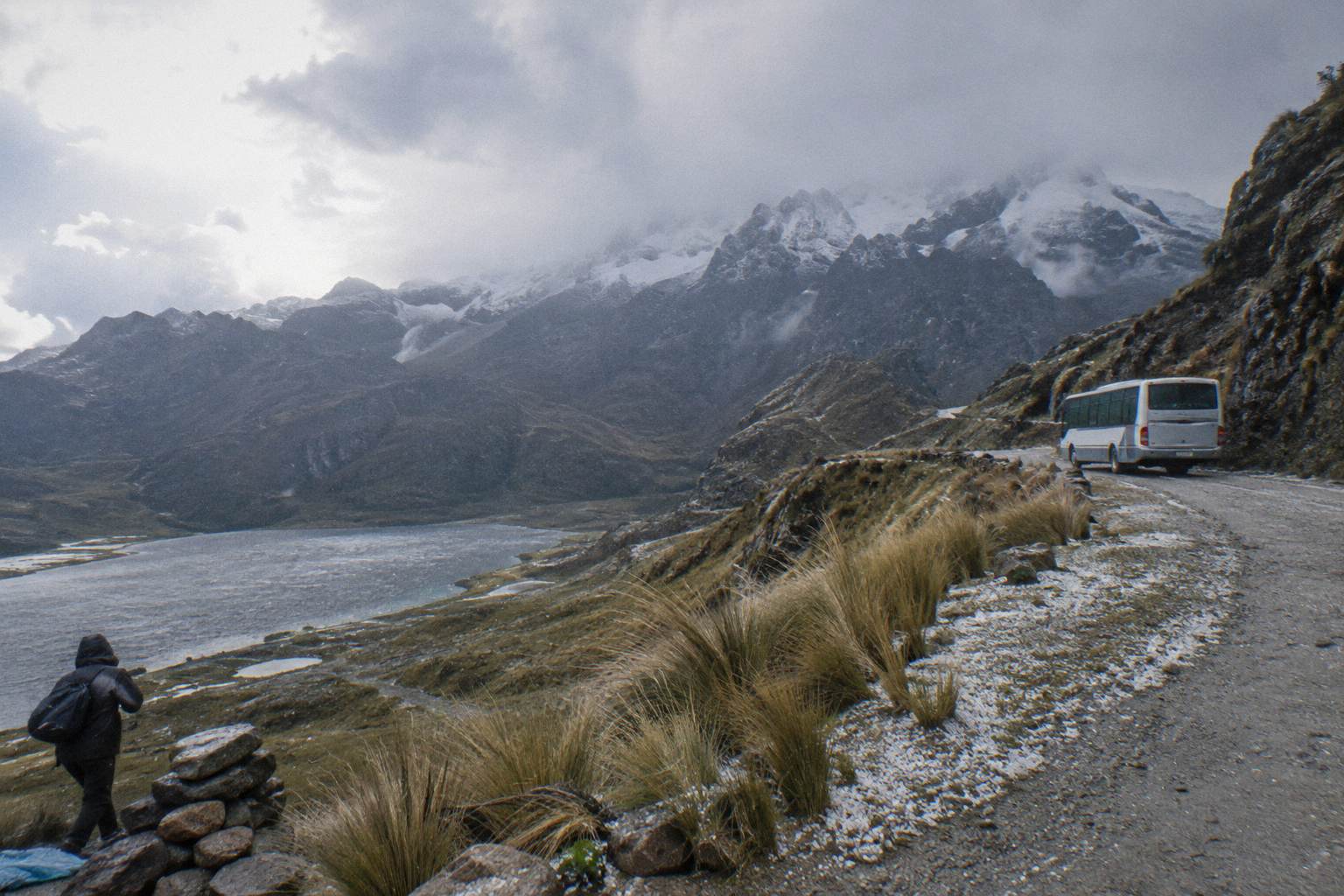
For a traveller comparing formats rather than chains, the Peru Hop passes explained guide breaks down the individual pass names against stop lists, and the Peru Hop versus public bus guide sets the format against ordinary carriers. The short version for day counting: a pass fits when the plan hugs exactly the stops above and the value of changing plans mid-route is high. It does not fit Huaraz, the north, Machu Picchu, Iquitos or Ecuador, none of which the network names, so those additions mean separate tickets and separate days on top.
One planning caution belongs here rather than later. Political protests and strikes can close roads with little notice, and the FCDO states that demonstrations "can become violent and lead to roadblocks, travel disruption, including trains, and suspension of immigration services at land borders", advice worth reading in full on the official Peru travel advice page. Before each long leg, the SUTRAN alert map shows road status by colour. A two-day buffer in a two-week plan absorbs one closed road; a zero-buffer plan does not.
How Long Do The Individual Bus Legs Take?
The legs that define any Peru plan are long, mountainous and slower than their free-flow numbers: Lima to Arequipa alone is about 1,002 km with a 14.3 hour free-flow estimate, and Arequipa to Cusco about 487 km at 9.4 hours free-flow. Those two figures, plus Lima to Trujillo at about 557 km and 9.1 hours free-flow and Lima to Huaraz at about 402 km and 5.5 hours free-flow, set the arithmetic for every itinerary below. Each is an OSRM free-flow drive estimate for that exact pair, a figure real bus journeys exceed, never a timetable promise, and never transferable to another route.
| Leg | Distance | OSRM free-flow drive estimate |
|---|---|---|
| Lima to Arequipa | about 1,002 km | about 14.3 h |
| Arequipa to Cusco | about 487 km | about 9.4 h |
| Lima to Trujillo | about 557 km | about 9.1 h |
| Lima to Huaraz | about 402 km | about 5.5 h |
| Arequipa to Puno | about 273 km | about 5.5 h |
| Puno to Cusco | about 387 km | about 6.2 h |
| Cusco to Hidroelectrica | about 212 km | about 5.1 h |
The Puno to Cusco leg deserves its own note because it is the one mountain leg with a purpose-built tourist bus product. The Turismo Mer Puno to Cusco bus with lunch runs the 387 km leg with a lunch stop, the listing gives 11 hours, and it carries a 4.6 rating across 24 reviews with free cancellation up to 24 hours before. Eleven listed hours against a 6.2 hour free-flow estimate is the clearest single illustration of this article's core point: mountain legs, sightseeing stops and altitude pacing roughly double the free-flow figure, and any day count built on free-flow alone will miss.
Altitude is part of the leg arithmetic, not a footnote. Cusco sits at about 3,400 m and Puno higher still, while Lima, Paracas and the coast sit at or near sea level. A plan that rides from the coast straight into Cusco spends its longest sitting day arriving at its highest sleeping elevation. Splitting the chain with a night in Arequipa, at about 2,429 m per INEI, is the standard way the day count buys acclimatisation, and it is one reason the 8 day version of the circuit reads better than the 6 day floor. The Peru bus altitude guide covers the physiology in depth.
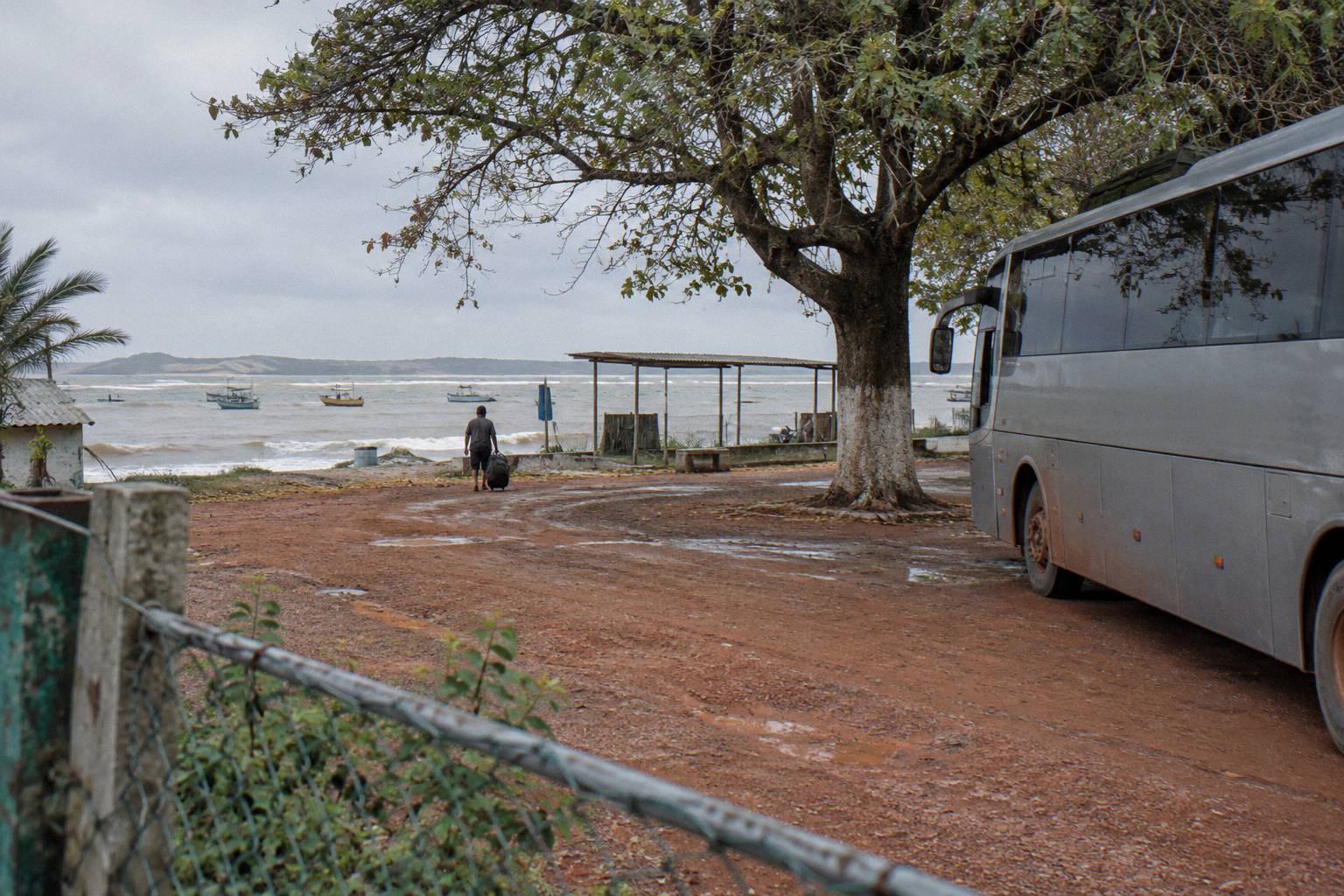
Sitting days also carry their own rules. Peru's national transit regulation caps continuous driving at 5 hours by day and 4 at night, which is why a 14 hour coastal leg means crew changes and terminal stops rather than a single non-stop run, and Smartraveller's Peru advice notes that "robberies and assaults occur frequently on intercity buses, including while passengers are sleeping", a reason the overnight bus guide treats night legs as a separate decision rather than a default time saver.
Does Adding Huaraz Or The North Coast Change The Answer?
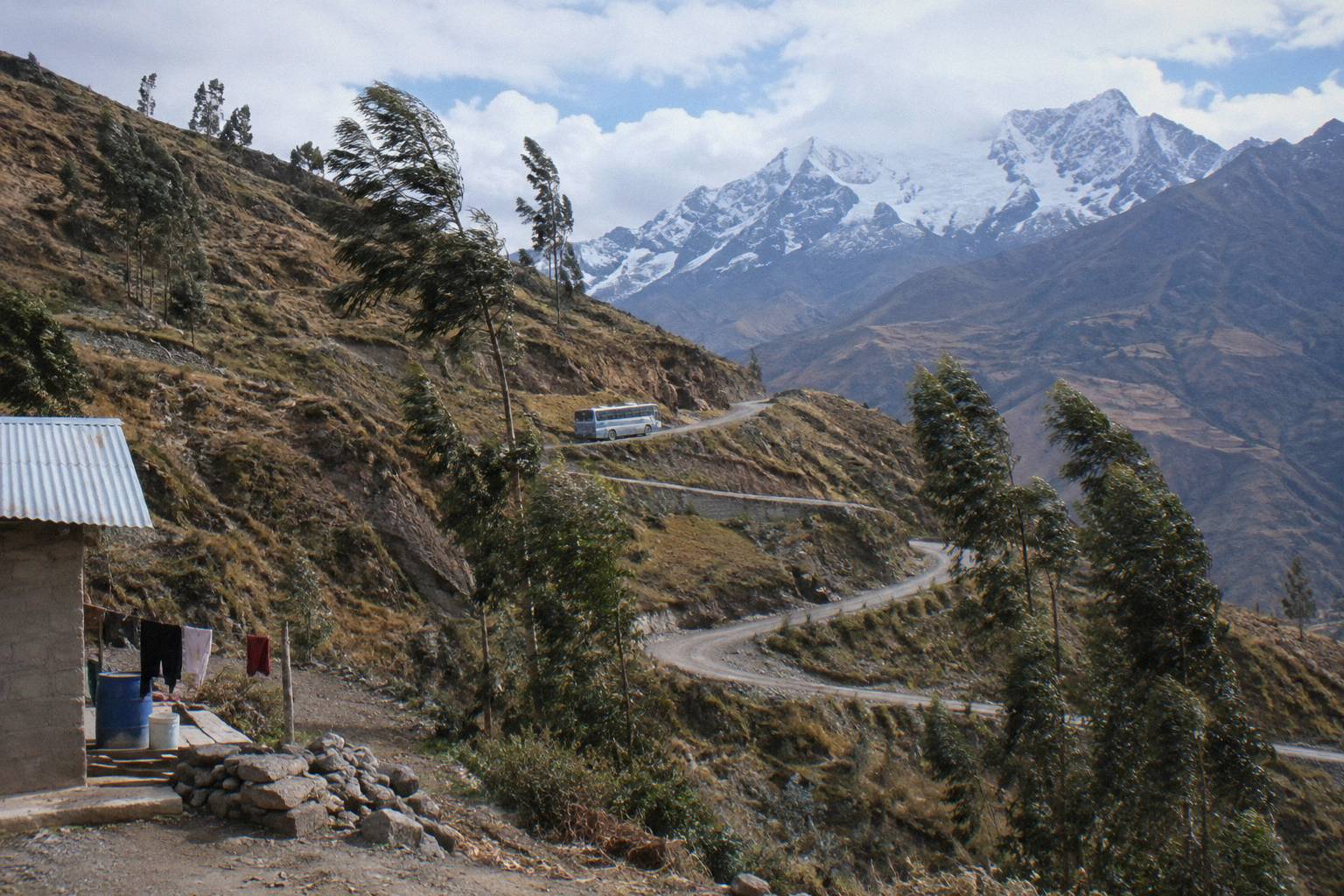
Yes, decisively: Huaraz adds a minimum of two long riding days on top of any south-bound plan, and the north coast from Trujillo to Mancora and the Tumbes border is its own week-long project that never shares days with Cusco. Lima to Huaraz is about 402 km with a 5.5 hour free-flow estimate that the real climb through the Conococha pass area exceeds, and Lima to Trujillo about 557 km at 9.1 hours free-flow. Neither leg appears in the pass network's stop list, so both mean ordinary carrier tickets, terminals and fixed dates rather than flexible hopping.
The north changes the shape of the trip, not just its length. Once Trujillo is on the plan, the chain pulls in Chiclayo, the Chachapoyas ruins at about 450 km and 7.0 hours free-flow from Chiclayo, Cajamarca, and the beach towns toward Tumbes and the Ecuador border at about 104 km and 1.5 hours free-flow from Mancora. The north coast bus guide lays out that corridor stop by stop, and the north Peru itinerary guide gives it a day-by-day frame. Counting honestly, a Lima start with both Cusco and Kuelap on the list is a three-week trip, which is exactly what the three-week Peru bus itinerary assumes.
Machu Picchu is the other common addition, and it is a timing trap. The back-door route runs Cusco to Hidroelectrica, about 212 km with a 5.1 hour free-flow estimate that real journeys exceed, and a tourist bus product covers it with two rest stops, the listing giving 6 hours. From Hidroelectrica the remainder is on foot or by rail, so the site is a two-day Cusco excursion in any plan, not a bus stop. The Cusco to Machu Picchu by bus guide covers the full mechanics, and no bus of any kind reaches the ruins themselves.
For a coastal extension that stays inside the flexible network, the Huacachina leg is the cleanest example of a stop folded into a riding day. The Wayki Bus one-way ticket from Lima's Miraflores, San Isidro and Barranco to Huacachina runs with a Paracas stop, the listing gives 8 hours including that stop, and it carries a 3.7 rating across 77 reviews with free cancellation up to 24 hours before. That single ticket turns two planned stops into one sitting day, which is the whole art of keeping a Peru day count honest.
What Is The Realistic Day Count For Each Trip Style?
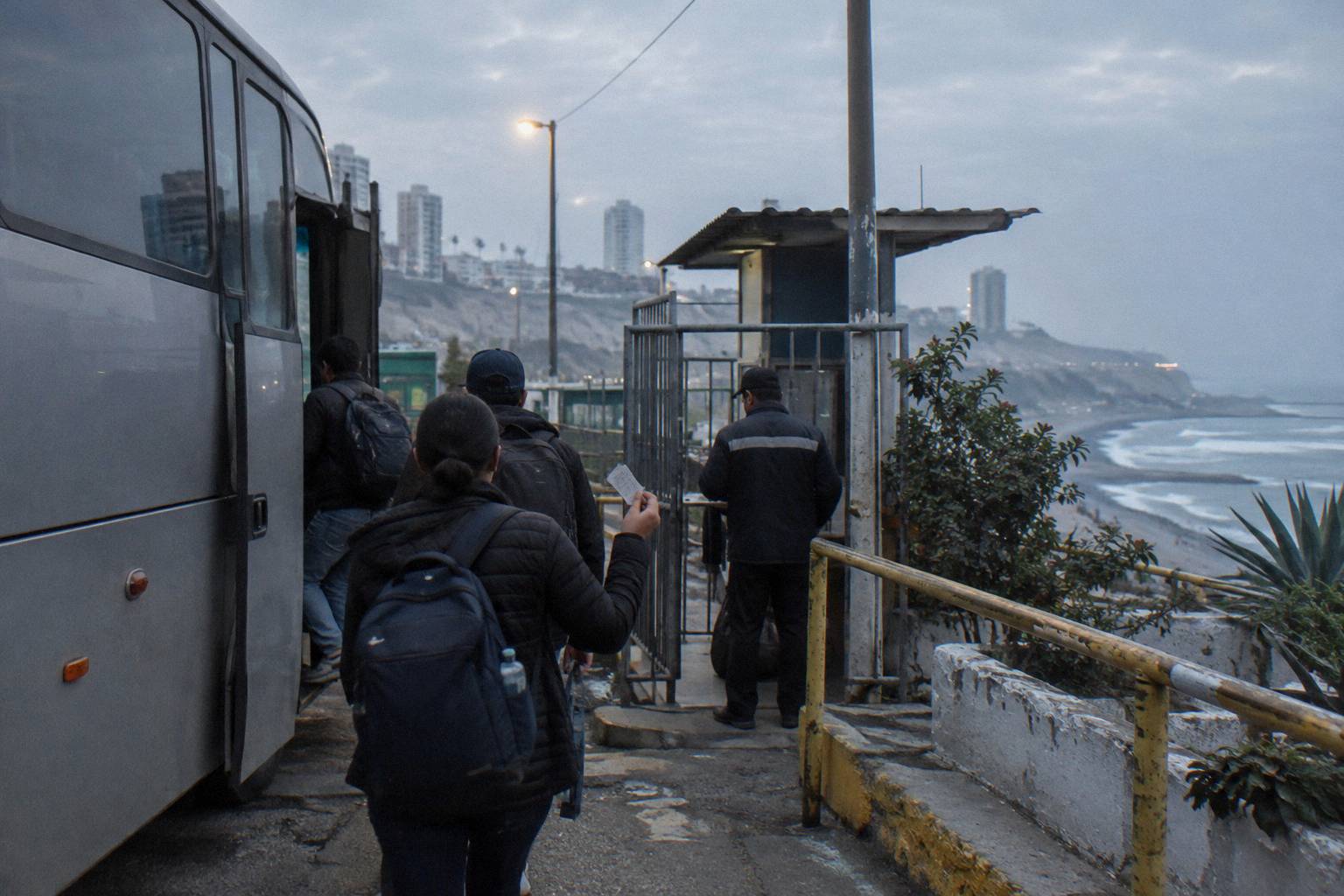
For a realistic picture, plan on 8 to 12 days for a first-time southern circuit, around 6 days for a coast-and-canyon route that skips Puno, and more than 14 days once you add Huaraz to the mix. A full sweep combining the north and south is realistically a 3 week trip, so build your itinerary around whichever style fits your available time. Those bands come straight from the stated pass floors plus one buffer day per long leg, which is the same arithmetic the tables above use. The one week Peru bus itinerary marks the compressed edge of the range, and the ten day Peru bus itinerary sits at the comfortable middle of it.
| Trip style | Realistic day count | What sets it |
|---|---|---|
| South circuit, Lima to Cusco | 8 to 12 days | Stated 6 day floor plus stops and altitude pacing |
| Lima to Cusco, compressed | 4 to 5 days | 3 day stated floor plus two long coastal legs |
| Coast, canyon and lake to La Paz | 10 to 14 days | 10 day stated floor for the full La Paz chain |
| South circuit plus Huaraz | 14 to 16 days | Huaraz legs sit outside the pass network |
| North coast and Chachapoyas | 7 to 10 days | Lima-Trujillo at about 9.1 h free-flow, then the northern chain |
| North plus south, full sweep | 21 days or more | The two halves share no riding days |
Buffers are not padding; they are the difference between a plan and a wish. The FCDO notes that local groups "can announce strike action, with little or no notice, particularly in areas connected to mining", and names Arequipa, Cusco and Puno among regions with recent protests, so every long southern leg carries a real closure risk. The strikes, roadblocks and rainy season guide explains how to read the warning signs; for day counting, the rule is one slack day per three riding days in the south. The backpacking Peru by bus guide builds the same slack into open-ended plans.
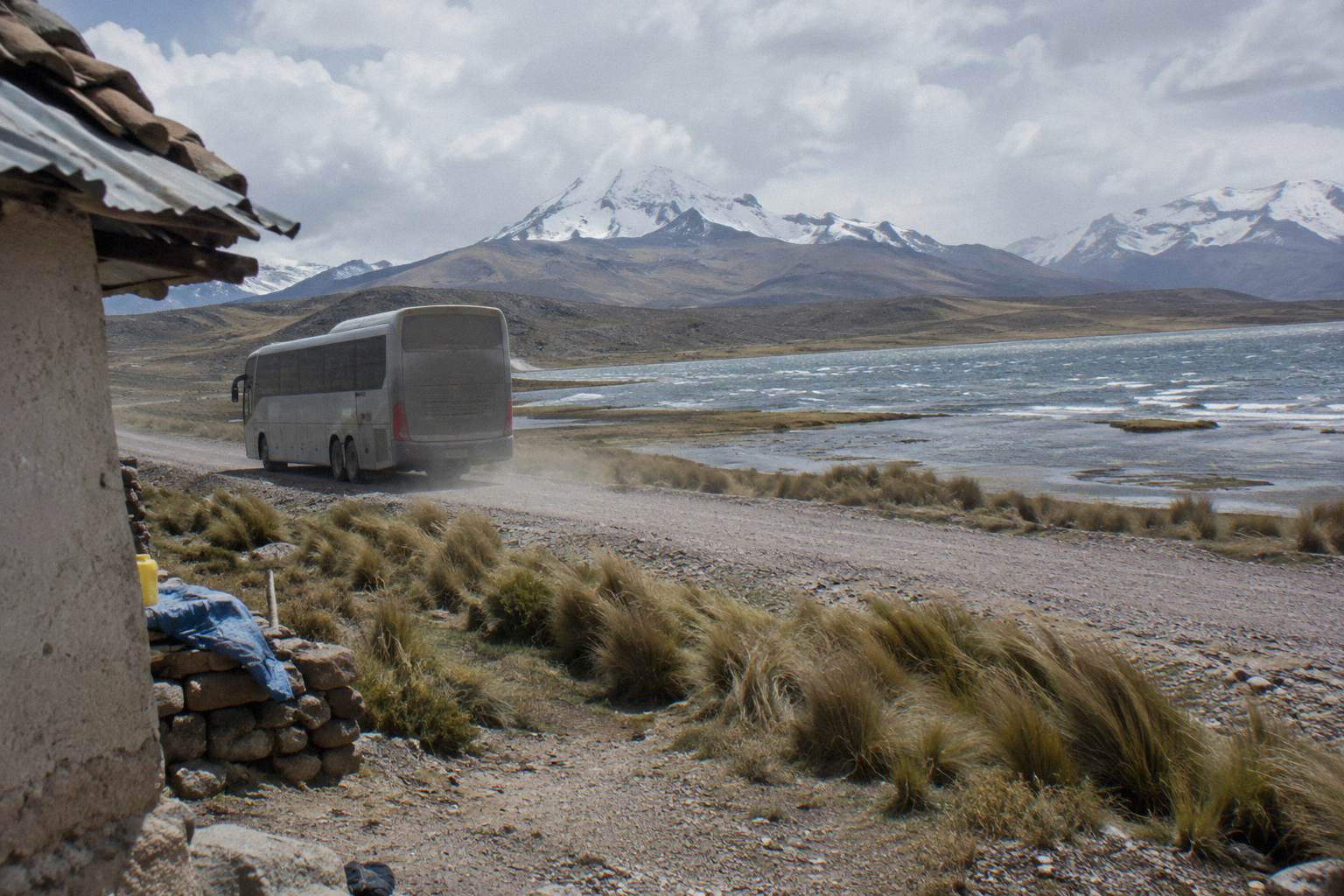
For a fuller frame on how the pieces fit, Peru By Bus keeps route-by-route guides for every leg named here, each with its own terminal, ticket and border detail. The day count is only the first decision; the second is which of the long legs deserve a booked tourist seat with a cancellation window and which are fine as ordinary carrier tickets bought in country.
Common Questions About Covering Peru Overland
How Many Days Do You Need To Cover Peru On Buses?
For the classic south circuit from Lima through Paracas, Huacachina, Nazca, Arequipa, Puno and Cusco, plan 8 to 12 days, against an operator-stated floor of 6. Adding Huaraz pushes past 14 days, the north coast is its own 7 to 10 day project, and a full north-plus-south sweep needs 21 days or more.
Can You Do Lima To Cusco By Bus In Three Days?
A pass named Get To Cusco Quick lists a fastest time of 3 days by skipping Arequipa and Puno, so it is possible on paper. It means back-to-back long legs with almost no stop time, and the full chain with the stops intact lists at 6 days as its floor.
Do The Hop-On Hop-Off Passes Save Days?
They save re-planning, not driving. Tickets are valid for a year and bus times can be changed in the app up to 12 hours before departure per the pass terms, so the same circuit can stretch or shrink mid-trip, but the legs themselves take the days the road takes.
How Long Is The Bus From Lima To Arequipa?
The leg is about 1,002 km with an OSRM free-flow drive estimate of about 14.3 hours. That is not a timetable time: real journeys exceed it with terminals, crew changes under the 5 hour day and 4 hour night continuous-driving caps, and rest stops.
Do The Passes Cover Huaraz Or The North Coast?
No. The network's stops run along the southern chain and Titicaca, with departures from Lima, Cusco, Arequipa, Copacabana and La Paz. Huaraz, Trujillo, Chiclayo, Mancora and the Ecuador border mean ordinary carrier tickets and separate days.
Should I Add Buffer Days To A Peru Bus Itinerary?
Yes, about one slack day per three riding days in the south. Strikes and roadblocks can appear with little notice, regions including Arequipa, Cusco and Puno have seen recent protests, and the SUTRAN alert map is the place to check each road the day before a leg.