
Cusco To Ollantaytambo By Bus And Colectivo
The Cusco to Ollantaytambo run is a short, local hop down from the high Andes into the Sacred Valley, ridden on shared regional services rather than the long-distance coaches that carry the big routes.
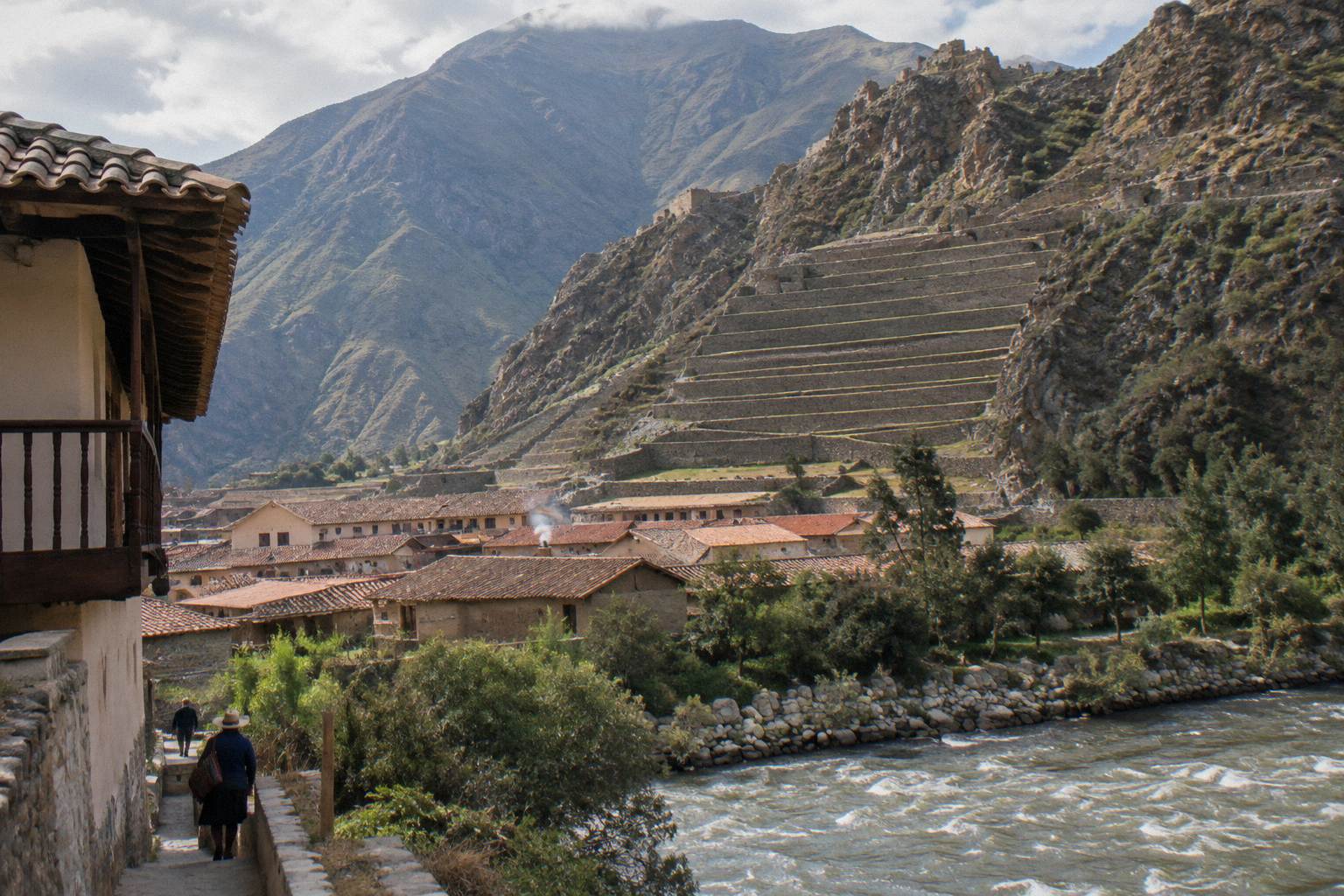
Short answer
Cusco sits about 3,400 m above sea level and Ollantaytambo at 2,846 m (INEI Cusco 2017), a clear descent into the Sacred Valley over a short valley road. The leg is served by local shared buses and colectivos whose stands, fares and durations are not published by operators, so the honest answer is what to ask and where to check before you ride.
The ride from Cusco to Ollantaytambo is one of the shortest legs a visitor to Peru takes, and one of the least documented. The long-distance companies that publish terminals, seat maps and luggage rules online concentrate on the intercity corridors, Lima to Arequipa, Arequipa to Puno, Puno to Cusco. The hop down into the Sacred Valley is left to local shared services, and that is exactly why this page exists: to state plainly what is known, what is not published anywhere official, and what a rider should therefore ask before boarding. This guide, published by Peru By Bus as part of its Sacred Valley and Machu Picchu route coverage, works only from verified operator and government pages.
Two facts anchor everything else. Cusco stands about 3,400 m above sea level. Ollantaytambo, at the western end of the built-up Sacred Valley, sits at 2,846 m per the INEI Cusco 2017 compendium. The trip between them is a real descent, which matters for two reasons: it makes the ride a common first stop for travellers adjusting to altitude, and it means the weather in the valley can feel markedly milder than the city you left. Beyond those anchors, the specifics of the local services, their stopping points, their fares and their running times, are not on any operator page this site could verify, and this page will not invent them.
How Do You Get From Cusco To Ollantaytambo By Bus?
The Cusco to Ollantaytambo leg is a local, shared-service ride, not a long-distance coach corridor: regional buses and colectivos (shared cars and vans) carry it, and no verified operator page publishes a stand address, a fare or a running time for the route. A rider relies on asking locally the day of travel, on the accommodation or ticket desk, and on official road-status checks. That is the honest shape of the answer.
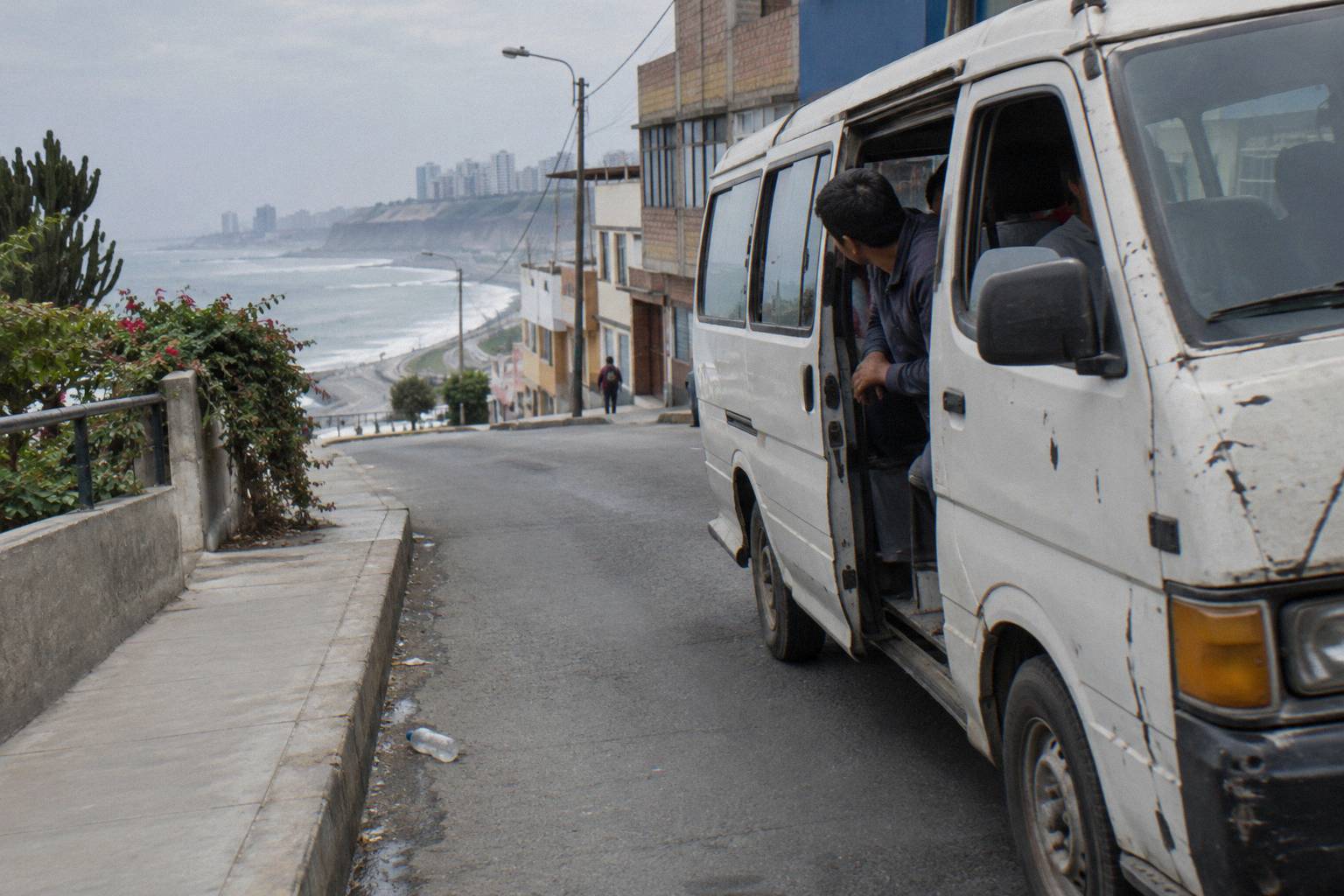
Long-distance carriers structure their networks around terminals and ticketed seats, and their published Cusco pages serve arrivals from Lima, Arequipa and Puno rather than departures into the Sacred Valley. Cruz del Sur, for instance, lists its Cusco arrival point as Terminal Terrestre Cusco, Av. Vallecito 538, and a booking office at Av. Industrial 121, Urb. Bancopata, Santiago, plus a stand at the municipal terminal. Those addresses answer where a big bus lands, not where a valley-bound shared van leaves. Oltursa lists its Cusco point at Terminal Terrestre, Av. Industrial 24, Urb. Huancaro. Neither company page names an Ollantaytambo service.
The practical consequence is that the Sacred Valley leg behaves like urban and regional transport rather than like the booked intercity network. Peru's national transit regulation draws a sharp line between the two worlds: regular intercity carriers must use authorised terminals at origin and destination and may not use the public road as a terminal, while passengers board and alight only at authorised points with the vehicle stopped. Local shared services in and around Cusco operate in the grayer regional space, with curbside loading at points that are known by practice rather than by a published address. A visitor who expects a signed terminal with printed departures will be disappointed; a visitor who asks at their accommodation or at a ticket office in central Cusco will be pointed to the current loading spot.
| Question | What Is Verified | Where To Check |
|---|---|---|
| Distance or duration | No free-flow drive estimate exists for this pair in this site's verified figures; no operator publishes a time | Ask the driver or the ticket desk before boarding |
| Departure point in Cusco | No shared-service stand address is published on an official page | Ask at accommodation or a city ticket office on the day |
| Fare | No colectivo or local bus fare for this leg is verified | Agree the fare before getting in |
| Altitude change | Cusco about 3,400 m; Ollantaytambo 2,846 m (INEI Cusco 2017) | Plan for a descent between the two |
| Road status | SUTRAN's alert map shows closed, restricted and open roads | alertasviales.sutran.gob.pe, the carrier, the day before |
What the table cannot do, and what no honest page can do, is fill the empty cells with plausible numbers. Fares for shared rides in Peru change with fuel prices and demand, and any figure printed without an operator source would be a guess dressed as fact. The one firm planning anchor is the altitude pair, which comes from Peru's own statistics institute and which every other claim on this route should be read against.
Is There A Direct Tourist Bus From Cusco To Ollantaytambo?
No verified tourist-bus product connects Cusco and Ollantaytambo as a bookable one-way ticket: the pre-checked tourist buses on this site holds no such listing, and the operator pages this site reads name no Cusco-to-Ollantaytambo coach. Bookable tourist buses from Cusco run on other corridors, of which the Hidroelectrica service is the one that matters to Sacred Valley visitors continuing toward Machu Picchu by the back door.
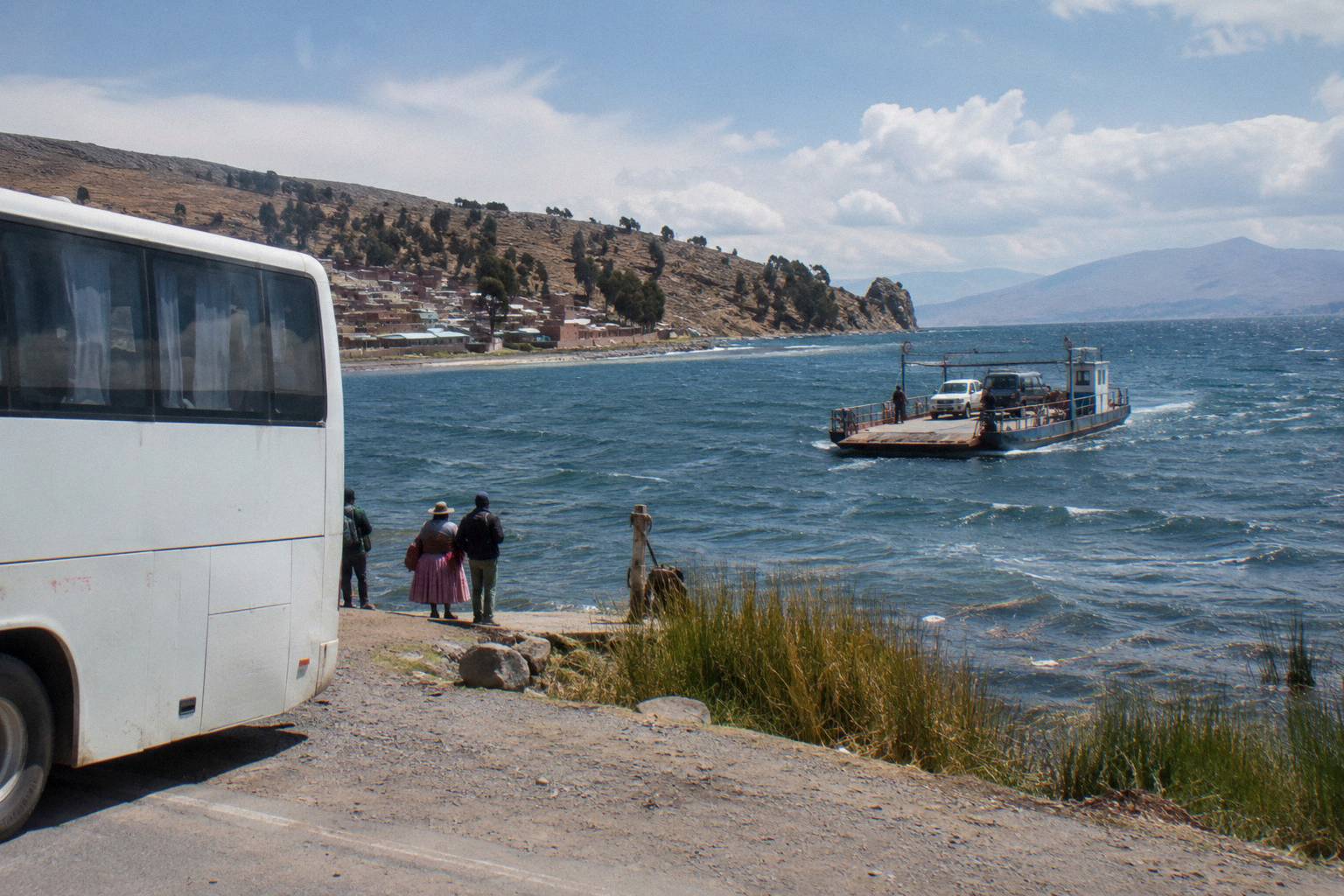
It is worth being precise about what "tourist bus" means in Peru, because the word covers two different products. The first is the hop-on hop-off pass network, which this page does not cover because that network's own route pages name Cusco, Arequipa, Puno, Copacabana and La Paz, not the Sacred Valley towns. The second is the one-way booked seat on a tourist vehicle, the format of the products this site lists on its south-coast, Titicaca and Machu Picchu back-door hubs. None of those products serves Ollantaytambo, and saying so plainly is more useful than a vague suggestion to "check around."
The tourist-bus product that does leave Cusco, and that a Sacred Valley visitor with Machu Picchu plans ends up weighing, is the Machu Picchu by Car Vip tourist bus to Hidroelectrica, rated 4.3 across 53 reviews, departing Cusco's Plaza de Armas, with two rest stops, dropping at a private terminal at Hidroelectrica inside Restaurante Escobar, listing 6 hours, and carrying free cancellation up to 24 hours before departure for a full refund as listed. It ends at the hydroelectric station, the start of the walk or rail leg toward Machu Picchu, and no listing text should be read as promising the site itself. For readers comparing booked Cusco departures, three options from the tickets listed on this site frame the field:
For the valley leg itself, the absence of a bookable tourist bus is not a gap in the market so much as a reflection of scale. The run is short, demand is local and continuous, and shared vehicles absorb it. The Machu Picchu by Hidroelectrica bus route guide on this site covers the long Cusco departure in full, including the two rest stops and the drop-off arrangement at the station; this page stays on the valley hop and the questions around it.
What About Colectivos And Shared Cars For The Valley Run?
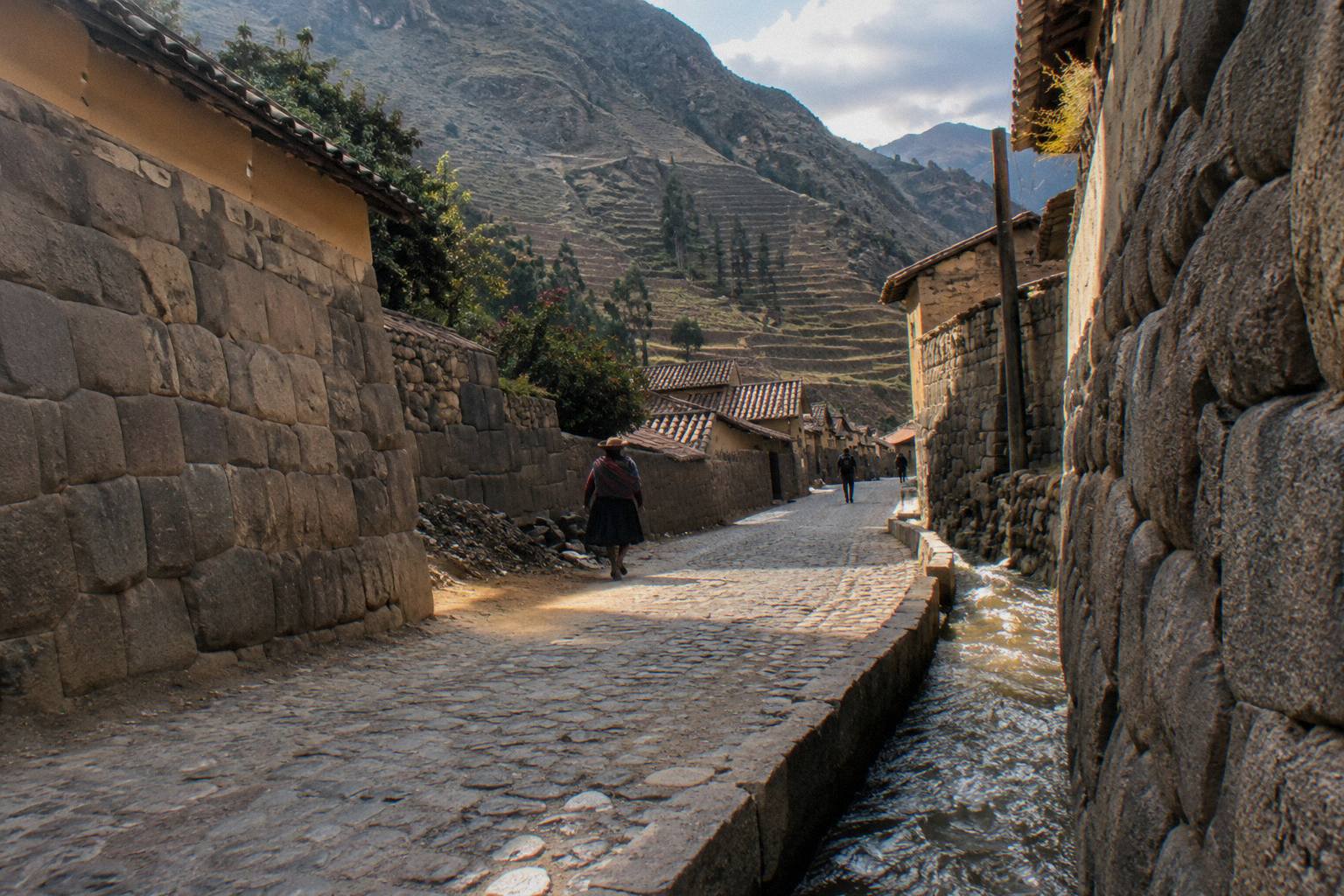
Colectivos, shared cars and vans, and regional buses are the working transport for Cusco to Ollantaytambo, and their stands, fares, frequencies and durations are not published on any official or operator page this site could verify; the verified reality is a shared local service whose details live in local knowledge. A rider asks where the current loading point is, agrees the fare before boarding, and confirms the drop-off in Ollantaytambo. Nothing more specific can be stated honestly.
The word colectivo covers a shared vehicle that leaves when full, on a route that locals know and printed sources do not. Peru's regulator, SUTRAN, treats formal carriers and informal regional transport differently, and its public advice to passengers, to check that the bus and driver have their papers in order via its plate and DNI lookup, applies to the formal side. On a shared car, that lookup is not a practical expectation, which is why the advice for this leg shifts from checking papers to choosing where and how you board. The colectivos and combis explainer on this site covers how these services work nationally, including their role in the Sacred Valley.
What can be said with authority is what the government's own travel advice says about the environment around shared and regional road travel. Smartraveller states "Exercise a high degree of caution in Peru overall due to the threat of violent crime" and advises "Use only reputable bus companies." Canada's page for Peru says "Avoid taking buses and coaches at night" and "Follow the main roads used by bus tour companies." None of that names the Cusco-to-Ollantaytambo road, and none of it should be stretched into a verdict either way; it is quoted here because a reader deciding between a shared car and a booked seat deserves the source's exact words, not a paraphrase. The full current advice is on the FCDO's Peru safety and security page and its Canadian and Australian counterparts.
Three practical questions replace the missing timetable. First, where: ask at the accommodation or a central ticket office for the current loading point, because shared-service points move and no published address exists. Second, how much: agree the fare before getting in, per person, including any bag that rides in the boot. Third, how full: a shared vehicle leaves when seats are taken, and that fact, not a schedule, governs when you move. None of these steps needs a verified figure; each needs a sentence of Spanish and a willingness to walk away from a vehicle that does not answer plainly.
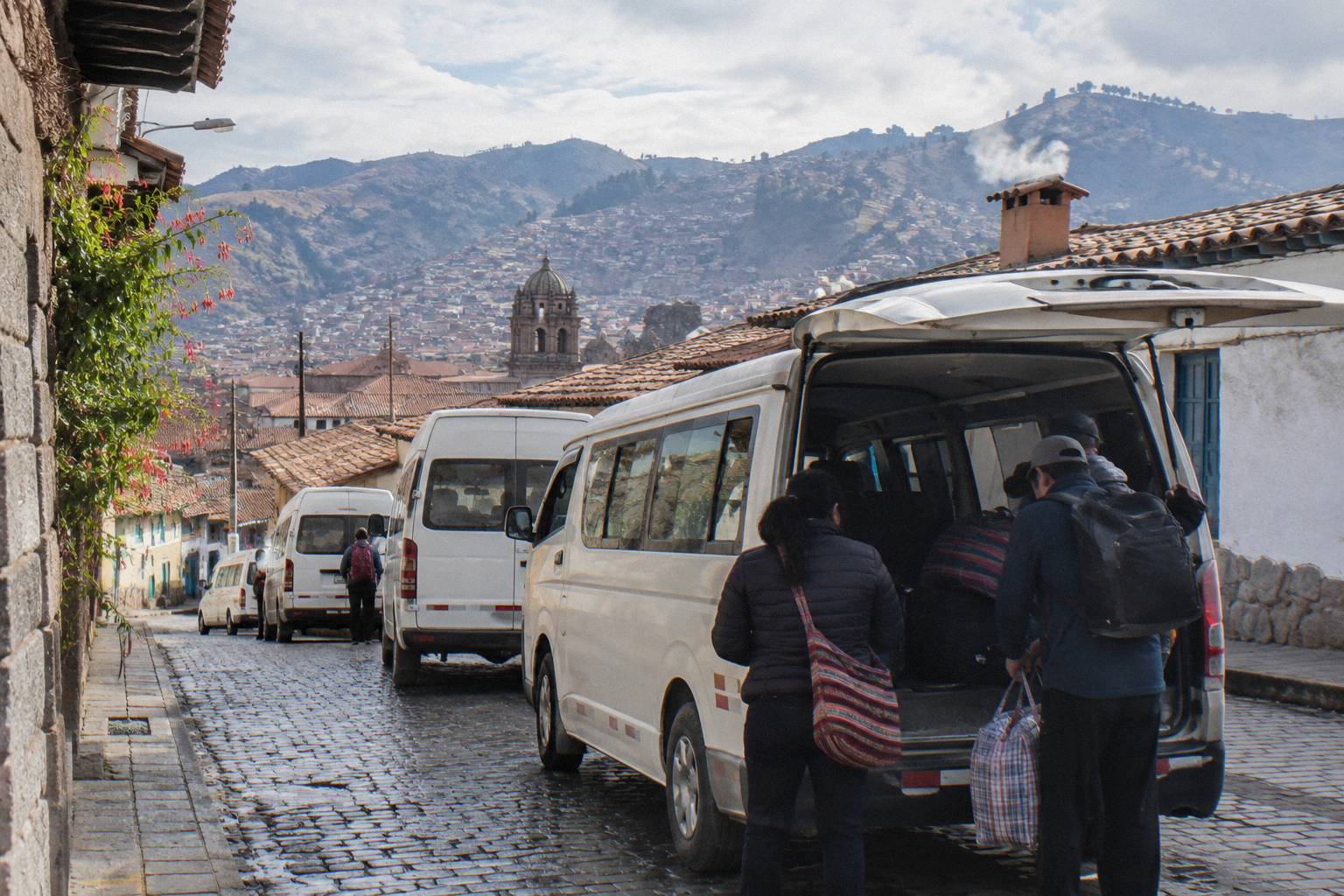
Where In Cusco Do Sacred Valley Services Leave From?
No single Sacred Valley terminal exists: Cusco's published terminal addresses belong to the long-distance companies, Cruz del Sur at Av. Vallecito 538 and its offices on Av. Industrial, Oltursa at Av. Industrial 24 in Huancaro, while the shared valley services load at curbside points that no official page lists. A rider heading to Ollantaytambo asks locally for the current spot rather than walking to an intercity terminal expecting a valley bus.
The distinction matters because Cusco's terminal landscape confuses visitors who arrive on one network and leave on another. The big carriers' addresses are verifiable and worth knowing, since they anchor the city's formal side.
| Company | Cusco Point Published By The Operator | Source Page |
|---|---|---|
| Cruz del Sur | Terminal Terrestre Cusco, Av. Vallecito 538, Cusco | Operator's Lima to Cusco route page |
| Cruz del Sur (offices) | Av. Industrial 121, Urb. Bancopata, Santiago; T. Terrestre Municipal, Stand A-3 | Operator's Cusco terminal page |
| Oltursa | Terminal Terrestre, Av. Industrial 24, Urb. Huancaro | Operator's site |
Printed together, those rows also show why "the main terminal in Cusco" is a phrase this site refuses to use: three addresses, two companies, two different streets named Av. Industrial. The terminals-by-city coverage in the Peru bus terminals guide gives the full national picture. For the valley run, the formal terminals are a reference point, not a departure point; the shared vehicles load elsewhere, and the elsewhere is exactly the local knowledge a visitor has to ask for. Asking at the accommodation, at a ticket office, or at the desk of any of the companies above will produce a current answer, which is more than any static page can promise.
A note on arrivals, for readers landing in Cusco from another city and connecting the same day: the long-distance arrivals at Vallecito and Av. Industrial sit some distance from the central loading points used by valley services, and the FCDO's advice on terminal surroundings is blunt: "There is a risk of robbery by criminals posing as taxi drivers, especially at Jorge Chavez International Airport and bus terminals," and it adds "use one of the taxis registered at bus terminals." Canada's page echoes it: "Only use authorized cabs located inside airport terminals and bus stations." A registered cab from the terminal to the valley loading point, rather than a curbside offer, is the advice-named move.
How Much Lower Is Ollantaytambo Than Cusco, And Does It Matter?
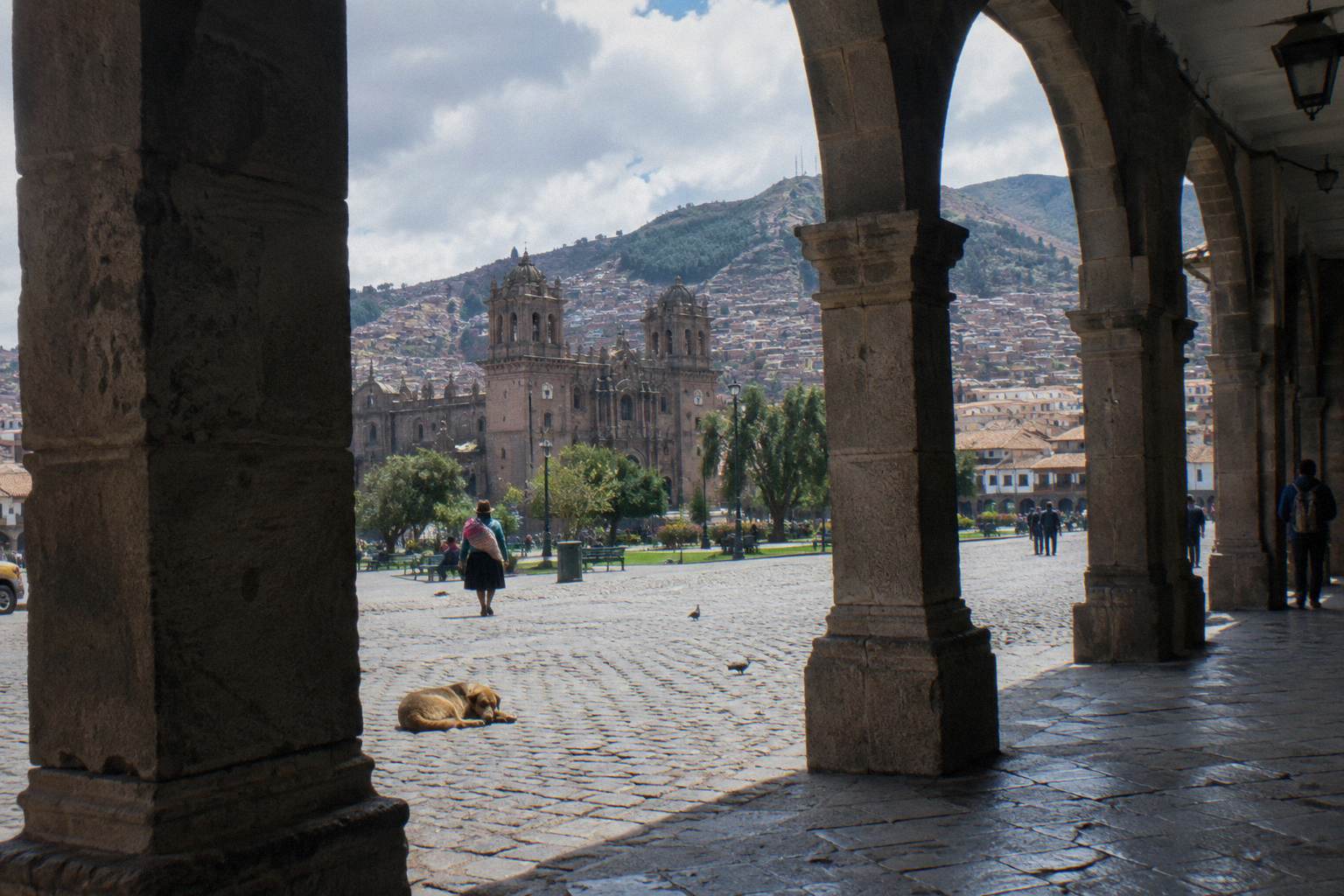
Ollantaytambo sits at 2,846 m and Cusco at about 3,400 m, per the INEI Cusco 2017 compendium, which makes the valley town a common first night for travellers adjusting to Andean altitude. The drop does not remove altitude from the equation; 2,846 m is still high mountain country, and the ride between the two is a short hop in a landscape whose passes and plateaus sit far above both.
The altitude table for the wider Cusco region reads like a staircase, and every figure in it comes from Peru's statistics institute.
| Place | Altitude | Source |
|---|---|---|
| Cusco | about 3,400 m | INEI (province values of 3,414 and 3,439 differ; this site prints the rounded figure) |
| Ollantaytambo | 2,846 m | INEI Cusco 2017 |
| Machupicchu Pueblo (Aguas Calientes) | 2,060 m | INEI Cusco 2017 |
| Abra La Raya (on the Puno corridor) | about 4,300 m | INEI (editions differ by tens of metres) |
For a rider, three practical readings follow. First, the valley is lower and milder than Cusco, and the difference between the two INEI figures is real enough to feel in the evening. Second, no bus ride in this region is flat: even the short valley road descends through terraced country, and the corridors that connect to it cross high ground, the Lima-Cusco corridor's 17.8 h free-flow drive estimate (a routing assumption through Abancay and Nazca, not a timetable) and the Puno run's 6.2 h free-flow estimate for its 387 km both dwarf the valley hop. Third, altitude planning belongs to the whole circuit, not one town; the Peru bus altitude guide covers acclimatisation order, and this page prints no medical dosing advice.
The INEI figures also settle a common argument: Ollantaytambo is not "basically Cusco altitude." At 2,846 m it sits lower than Huancayo (3,294 m) and far lower than Puno (3,848 m), and travellers coming up from the coast feel every metre of it. The honest framing is that the valley offers a modest step down, not an escape from thin air.
What Rights Come With A Domestic Bus Ticket In Peru?
Peru's passenger-rights rules give a domestic bus ticket real force: INDECOPI states a ticket can be postponed or transferred with at least 24 hours notice, charging only the real reissue cost with no penalty. The national transit regulation adds up to 20 kg of luggage free on national service, a fare receipt, a seat from age five, and a licensed vehicle with valid inspection and insurance.
The reissue rule is the one most worth carrying in your head. Peru's consumer agency, INDECOPI, states that with at least 24 hours notice a domestic ticket can be postponed or transferred, that only the genuine cost of reissuing may be charged, and that no penalty may be added. Where the company itself delays or fails to run, the passenger has a right to information and to reprogramming or a refund. Complaints go first to the carrier's Libro de Reclamaciones, which must answer within 15 working days, and then to INDECOPI, whose Reclama Virtual portal takes them online. None of this is a promise that nothing goes wrong; it is a process when it does.
On luggage, the regulation's 20 kg free allowance on national service is the baseline, and the major carriers publish their own figures, which are worth comparing before a long connection through Cusco.
| Carrier Or Rule | Hold Luggage | Hand Luggage | As Stated By |
|---|---|---|---|
| National transit regulation | up to 20 kg free on national service | not fixed in the cited article | Passenger-rights provisions |
| Cruz del Sur (Lima-Cusco page) | 20 kg | 6 kg | Operator route page |
| Oltursa | 20 kg | one piece, max 5 kg | Operator terms page |
| Movil Bus | 20 kg, up to 3 pieces | 8 kg, up to 2 pieces | Operator travel-tips page |
| Linea | 20 kg | not stated on the cited page | Operator conditions page |
Two cautions close the ticket section. SUTRAN and INDECOPI both advise passengers to obtain a luggage ticket for checked bags, and this site prints that as advice rather than as a legal requirement, because no transit article ordering it could be verified. And seat-belt and boarding rules bind the formal network: crew must announce that belts are mandatory, and boarding happens only at authorised points with the bus stopped, which is why a terminal ticket and a curbside colectivo are not just two prices for one product but two different regulatory worlds.
What Does Official Advice Say About Buses In The Cusco Region?
Four governments publish Peru bus advice in nearly the same terms: the UK FCDO states "Bus crashes are common, especially at night. Only use reputable transport companies, and where possible, avoid overnight travel, especially in mountainous and remote regions," and Canada says "Avoid taking buses and coaches at night." None of the four names the Cusco to Ollantaytambo leg, and this site adds no verdict of its own.
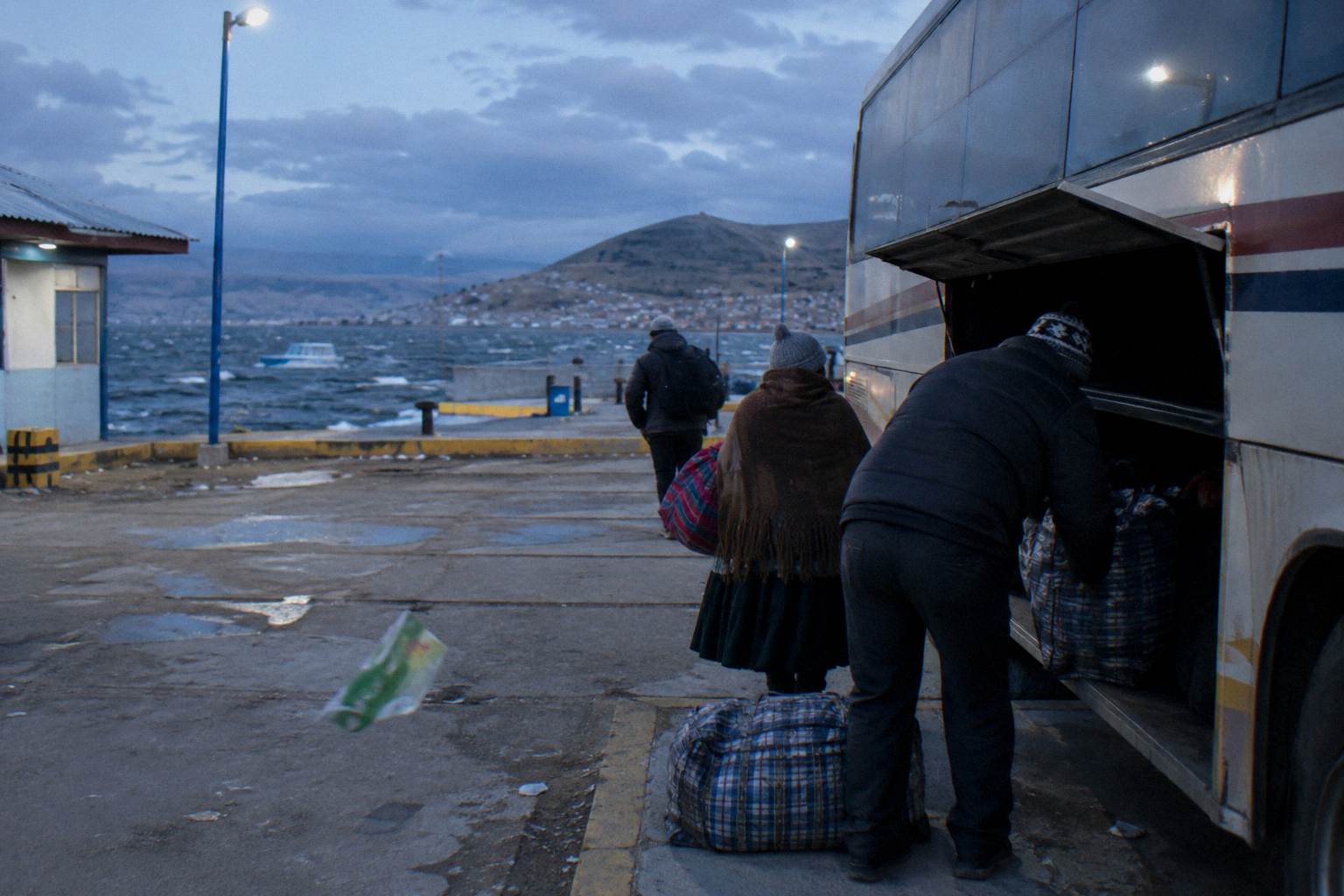
The fuller picture is regional. The FCDO names Arequipa, Ayacucho, Cusco, La Libertad, Madre de Dios and Puno as regions with recent protests, and states that "Political protests in Peru are unpredictable and can escalate quickly. Demonstrations can become violent and lead to roadblocks, travel disruption, including trains, and suspension of immigration services at land borders." The US Embassy's republication of the State Department advisory, at Level 2 - Exercise Increased Caution, notes that "Criminal groups sometimes set up roadblocks to rob people in areas outside of Lima" and that "Demonstrations can shut down local roads, trains, and major highways," while also recording that U.S. government employees "may travel at night with commercial bus companies along the Pan-American Highway, to Huaraz, and on the Lima-Arequipa-Cusco corridor," the corridor most visitors to Ollantaytambo arrive on.
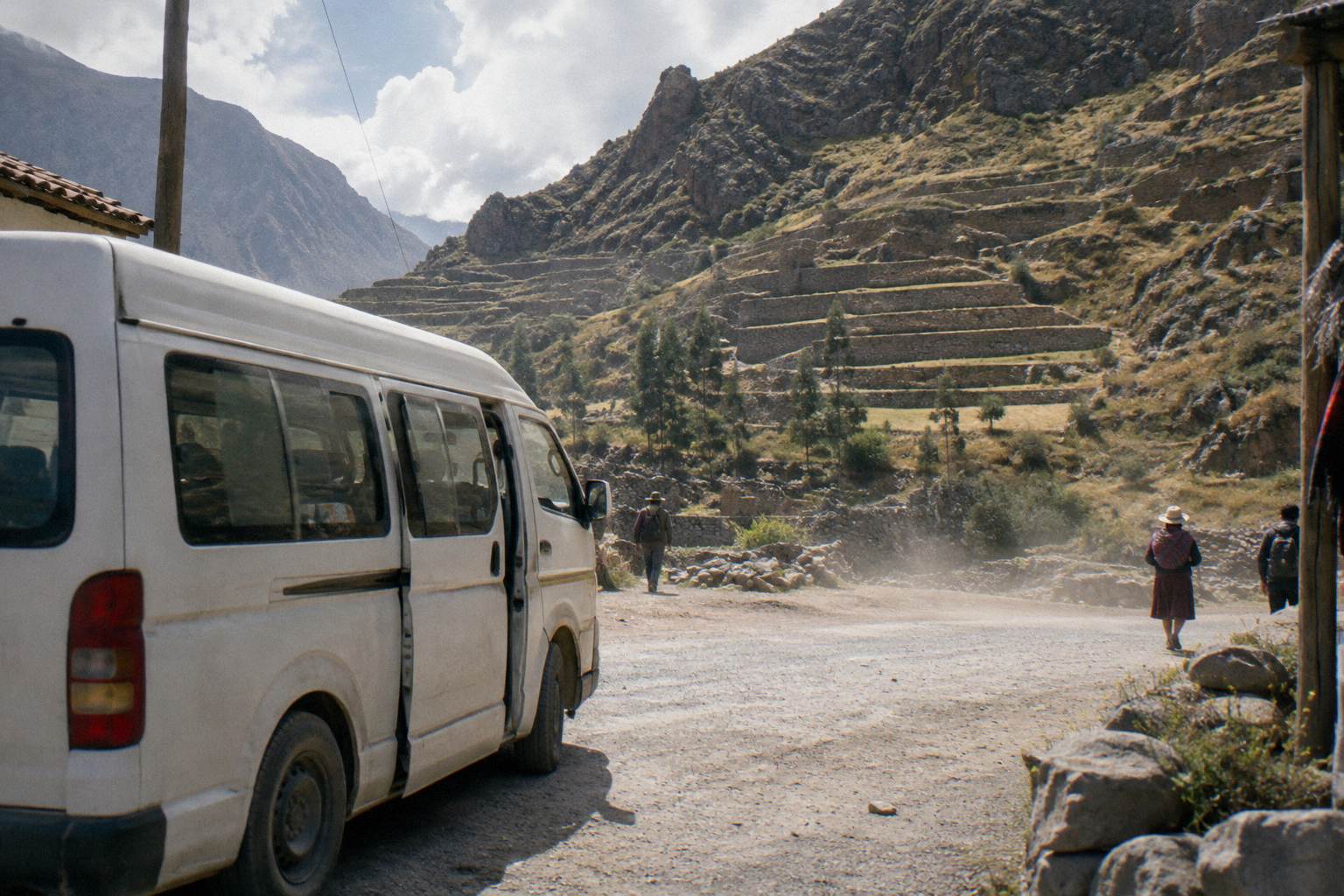
The same advisory set carries a note about the terminal environment, quoted earlier for the taxi risk, and a simple on-board habit: "on bus journeys, keep your passport with you." Smartraveller adds a specific warning about sleep theft "on intercity bus routes between Lima, Ica, Nazca and Cusco," and reports that "Robberies and assaults occur frequently on intercity buses, including while passengers are sleeping." For the valley leg, the distilled, source-named guidance is daylight riding, registered cabs at terminals, reputable companies where a booked seat exists, documents on your body, and a check of the road-status map before any Sacred Valley travel. The Peru bus safety guide unpacks each advisory in full.
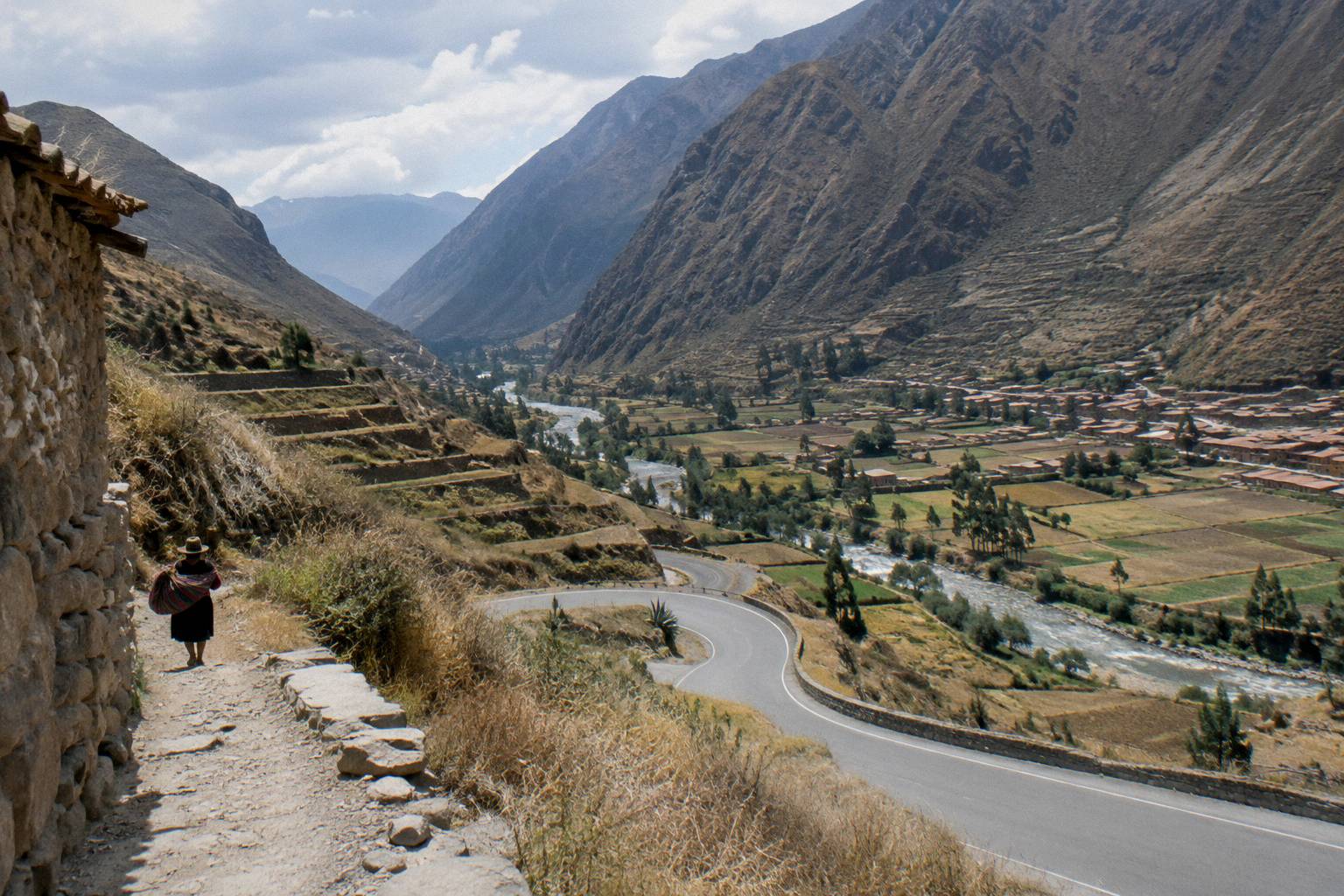
How Do You Check For Strikes, Blockades And Closures On The Valley Road?
SUTRAN's interactive alert map, alertasviales.sutran.gob.pe, shows Peru's roads as closed in red, restricted in yellow and open in green, including closures caused by social protests, and the FCDO's standing advice is blunt: "Do not attempt to pass blockades." Cusco region appears on the FCDO's list of recent protest areas, so a same-day map check is the working habit for valley travel.
No national register of announced strikes exists on official pages; what exists is the live map, a 24 hour WhatsApp line, 999 382 606, published alongside it, and the carrier's own channel. The FCDO adds that "Local groups can announce strike action, with little or no notice, particularly in areas connected to mining," which is why no static page can promise a quiet road. The routine this site recommends is three steps: the SUTRAN alert map for the road's colour, the carrier or shared-service driver for the local picture, and the FCDO page for the national advice, all on the day of travel. During demonstrations the FCDO notes roadblocks and travel disruption "including trains," which matters here because Ollantaytambo is also the railhead for Machu Picchu Pueblo, and a road closure in the valley can coincide with rail suspension.
Weather belongs in the same check. The FCDO publishes a verbatim notice that "Through late 2026 to April 2027, the El Nino weather event is expected to generate heavy rainfall, possible flooding, landslides, and mudslides, especially in, but not restricted to, the northern and central coast," with road closures named among the consequences; SENAMHI places the Andean rains broadly September to April, with the Cusco sierra's wettest months November to March. A valley descent in the wet season is ridden the same way, daylight, map checked, but with a lower tolerance for setting out late in the day. The strikes, blockades and rainy season guide covers the full playbook, including what to do if a bus is stopped.
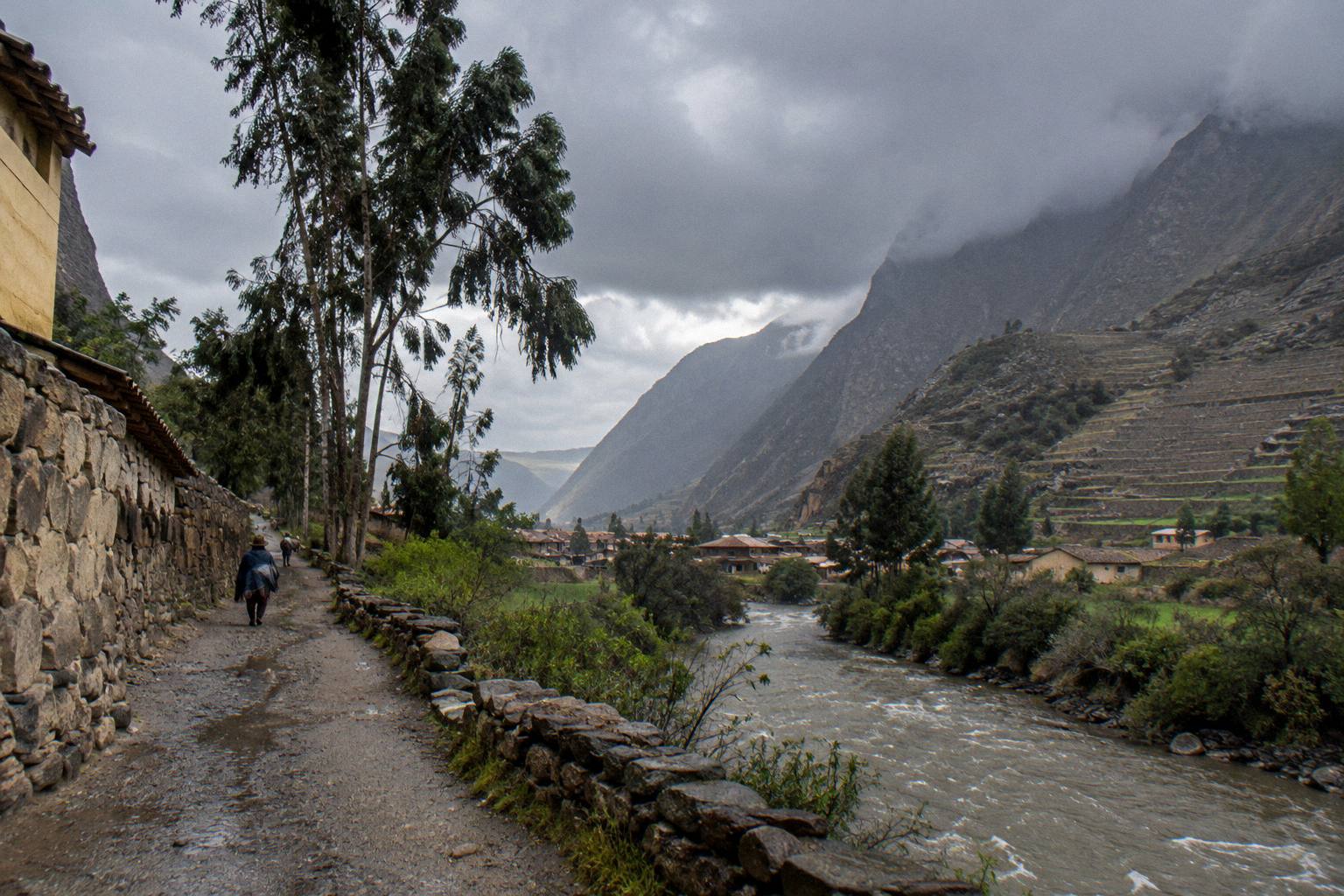
How Do Longer Bus Legs Connect Through Cusco Around A Valley Trip?
Cusco works as the hub for every long bus leg around the valley, with three checked products covering the wider circuit: the Hidroelectrica service from Cusco toward Machu Picchu's back door (4.3 across 53 reviews), the Turismo Mer bus from Puno to Cusco with a lunch stop (4.6 across 24 reviews, listing 11 hours), and the World Explorer Peru direct bus from Cusco to Arequipa (3.7 across 16 reviews), though none serves Ollantaytambo.
Arriving from the south, the Turismo Mer Puno to Cusco bus with a lunch stop lists 11 hours for the 387 km corridor, whose free-flow drive estimate is 6.2 h, a gap that shows what real Andean roads do to notional driving times. It drops at the Terminal Privado Turismo Mer in Cusco, carries free cancellation up to 24 hours before departure for a full refund as listed, and its rating comes from a small pool of 24 reviews, printed here with that count as a matter of policy.
Leaving toward the white city, the World Explorer Peru direct bus from Cusco to Arequipa lists 10 hours against a 9.4 h free-flow estimate for the 487 km route, names a Cruzero Suite 160 degree seat in its listing, and drops at the Arequipa bus terminal; its 3.7 rating spans 16 reviews, a pool too small for any popularity claim, and cancellation is free up to 24 hours before departure as listed.
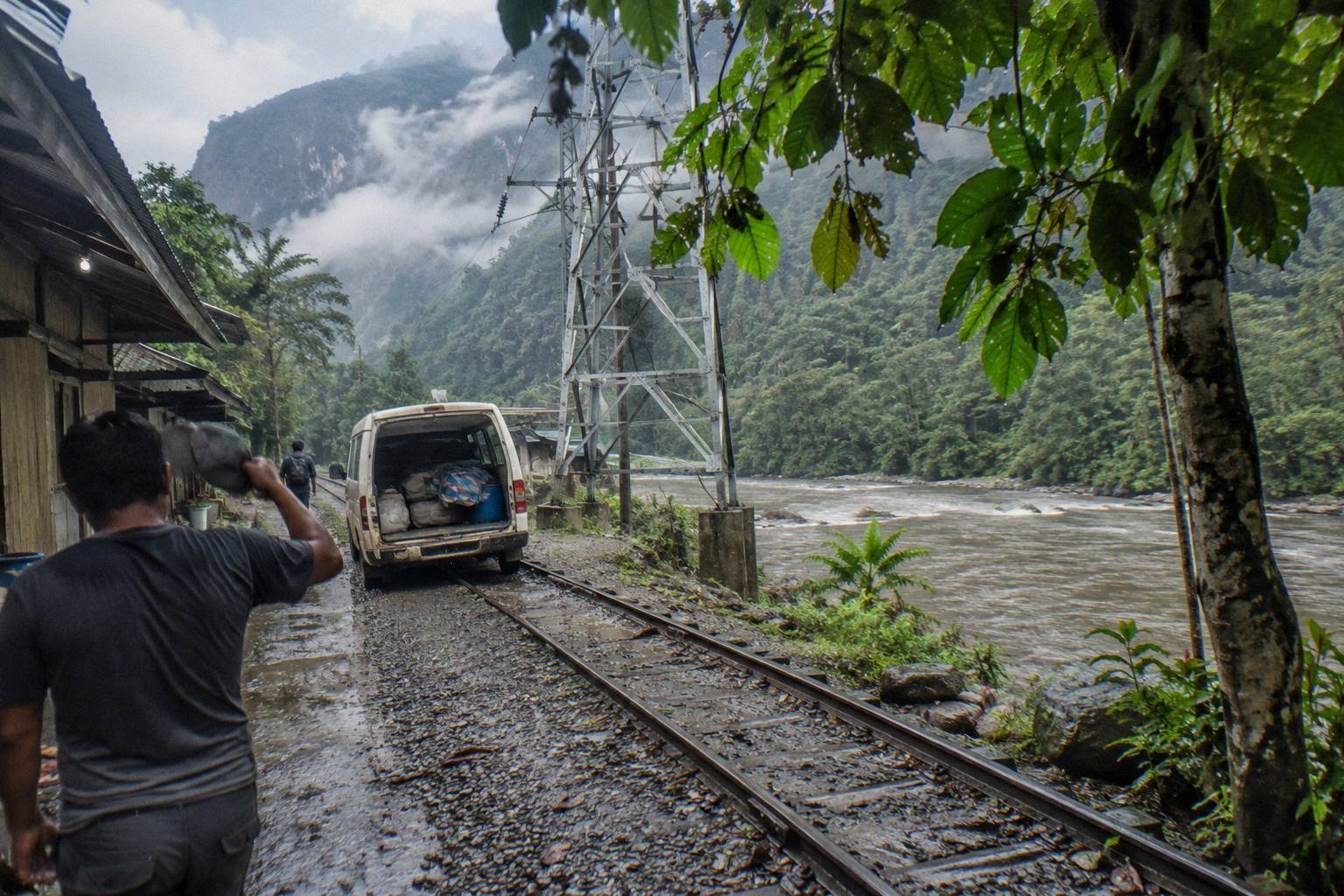
And out the back door toward Machu Picchu, the Machu Picchu by Car Vip tourist bus to Hidroelectrica remains the checked option, with 6-Hour Bus, 2 Rest Stops beside that link for readers ready to compare it against the train-and-trek alternatives covered in the Peru train versus bus comparison. The pattern across all three is the same one that runs through this page: printed listings, printed review counts, printed operator claims attributed to their source, and no invented figures where a listing is silent.
Which Seats, Stops And Timing Choices Matter On A Short Valley Ride?
On a shared valley service the choices that matter are daylight, drop-off and luggage position: government advice names night as the risk window for buses, Ollantaytambo's drop-off is a small-town grid where a named landmark beats a street number, and on a short shared ride your bag rides where you can see it or not at all. None of these needs a timetable to act on, and all three are decided before you board.
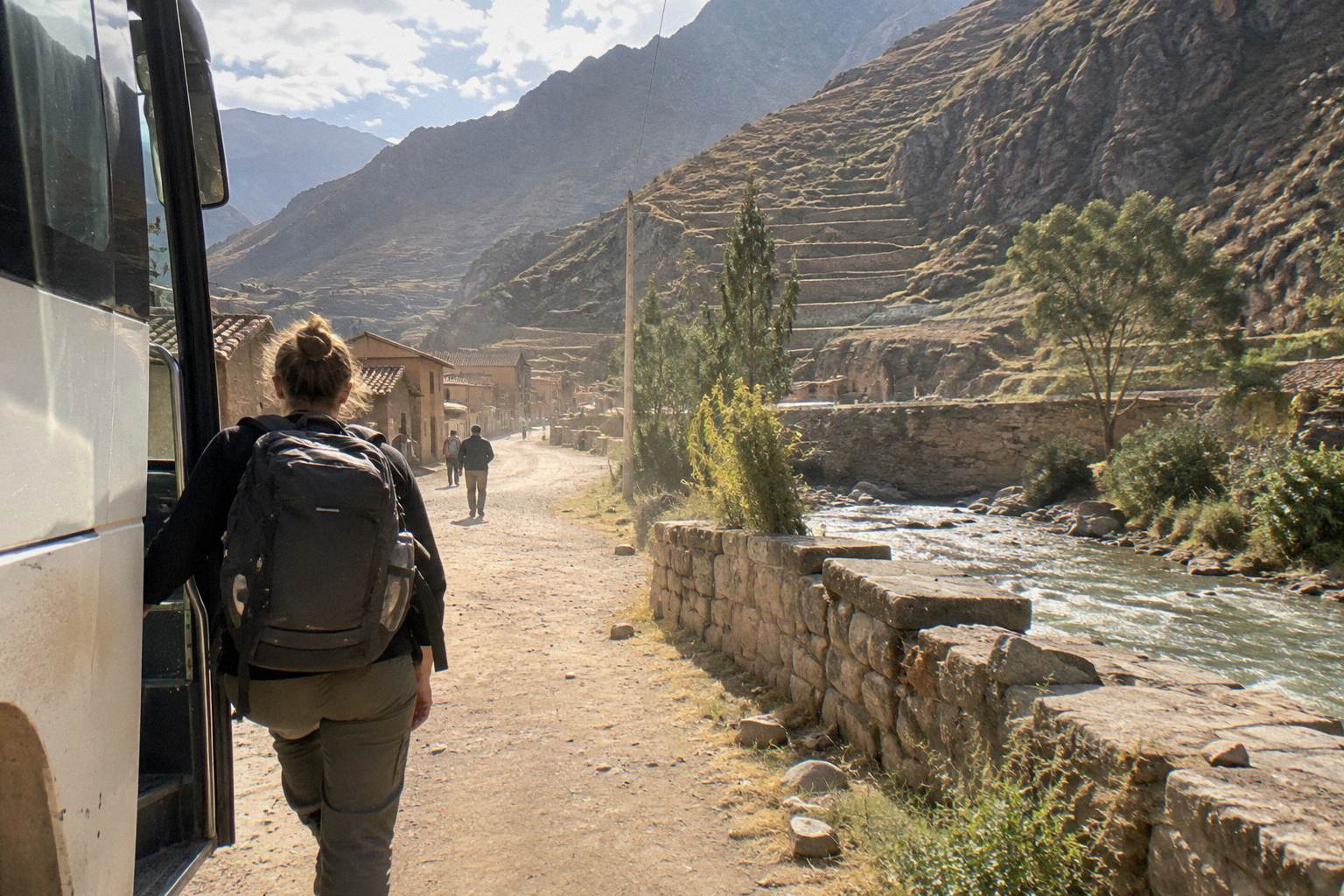
Daylight is the advisory-backed preference, and on a leg this short it costs little; Canada's "Avoid taking buses and coaches at night" and the FCDO's parallel warning about overnight travel in mountainous regions are quoted earlier in this guide. Drop-off is the second choice: Ollantaytambo is compact, and naming the plaza or your accommodation when you board is more reliable than any address convention. Luggage is the third; the 20 kg regulation allowance belongs to the formal national services, and on a shared car the boot is a negotiation, so the rule of thumb is to keep valuables on your lap and to agree the bag situation with the fare, in the same sentence, before the door closes.
One more angle is worth naming, because pages in this genre skip it: the valley ride is the one leg of a Peru circuit where the scenery competes with sleep. The descent passes terraces, village edges and river flats, and riders who treat it as transport-only miss the point of the route's fame. None of that is a safety claim or a promise; it is the plain observation that the altitude gap between the two INEI figures marks a landscape transition, and a window seat on the valley side is the only seat-picking advice this page will venture.
Common Questions About The Cusco To Ollantaytambo Bus
How Do You Get From Cusco To Ollantaytambo By Bus?
By local shared services: regional buses and colectivos carry the leg, and no verified operator page publishes a stand address, fare or running time for it. Ask at your accommodation or a Cusco ticket office for the current loading point, agree the fare before boarding, and check SUTRAN's alert map for the road's status on the day.
Is There A Direct Tourist Bus From Cusco To Ollantaytambo?
No bookable one-way tourist bus connects the two, and none of the tourist-bus products this site has checked serves Ollantaytambo. The checked tourist buses from Cusco run on other corridors, of which the Hidroelectrica service toward Machu Picchu's back door is the one most Sacred Valley visitors weigh.
How Much Lower Is Ollantaytambo Than Cusco?
Ollantaytambo sits at 2,846 m and Cusco at about 3,400 m, per the INEI Cusco 2017 compendium, a clear descent into the valley. The valley is milder but still high mountain country, and altitude planning should treat the whole circuit, not one town.
Where In Cusco Do The Buses To The Sacred Valley Leave From?
There is no single Sacred Valley terminal. The published Cusco addresses belong to long-distance carriers, Cruz del Sur at Av. Vallecito 538 and offices on Av. Industrial, Oltursa at Av. Industrial 24 in Huancaro; shared valley services load at curbside points that no official page lists, so ask locally on the day.
What Rights Come With A Bus Ticket In Peru?
INDECOPI states a domestic ticket can be postponed or transferred with at least 24 hours notice, charging only the real reissue cost, and the national transit regulation grants up to 20 kg of free luggage on national service, a fare receipt and a licensed vehicle. Complaints go to the carrier's Libro de Reclamaciones and then to INDECOPI's Reclama Virtual portal.
Is The Cusco To Ollantaytambo Bus Ride Safe?
This site prints no verdict of its own. The UK FCDO states "Bus crashes are common, especially at night. Only use reputable transport companies, and where possible, avoid overnight travel, especially in mountainous and remote regions," and Canada and Australia publish parallel cautions; none of them names this leg. Daylight riding, a same-day check of SUTRAN's road alert map and registered cabs at terminals are the advisory-named habits.