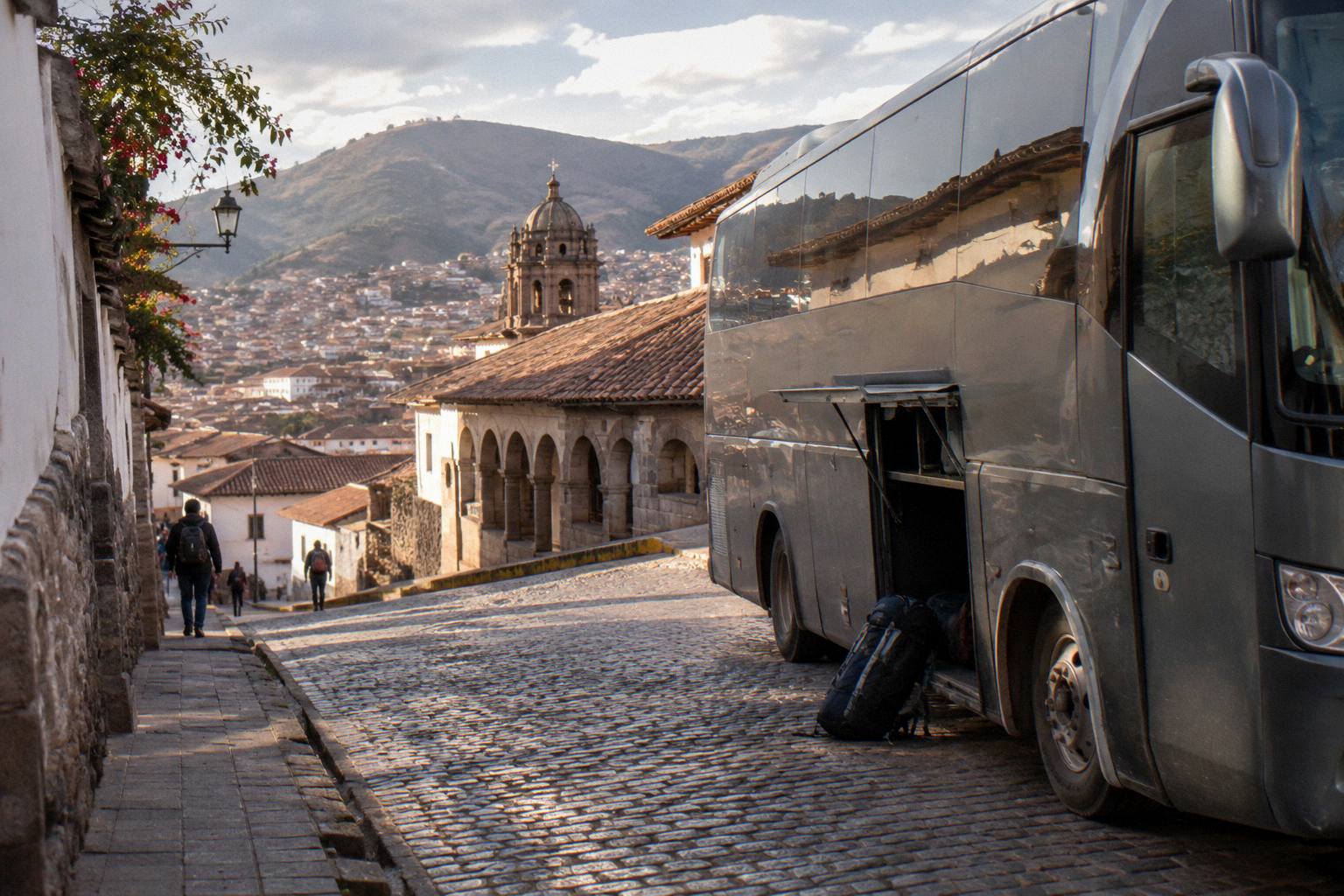
Is The Peru Hop Bus Safe?
An honest look at Peru Hop safety: what the operator lists, what government advisories say about buses in Peru, and the questions worth asking before you book.
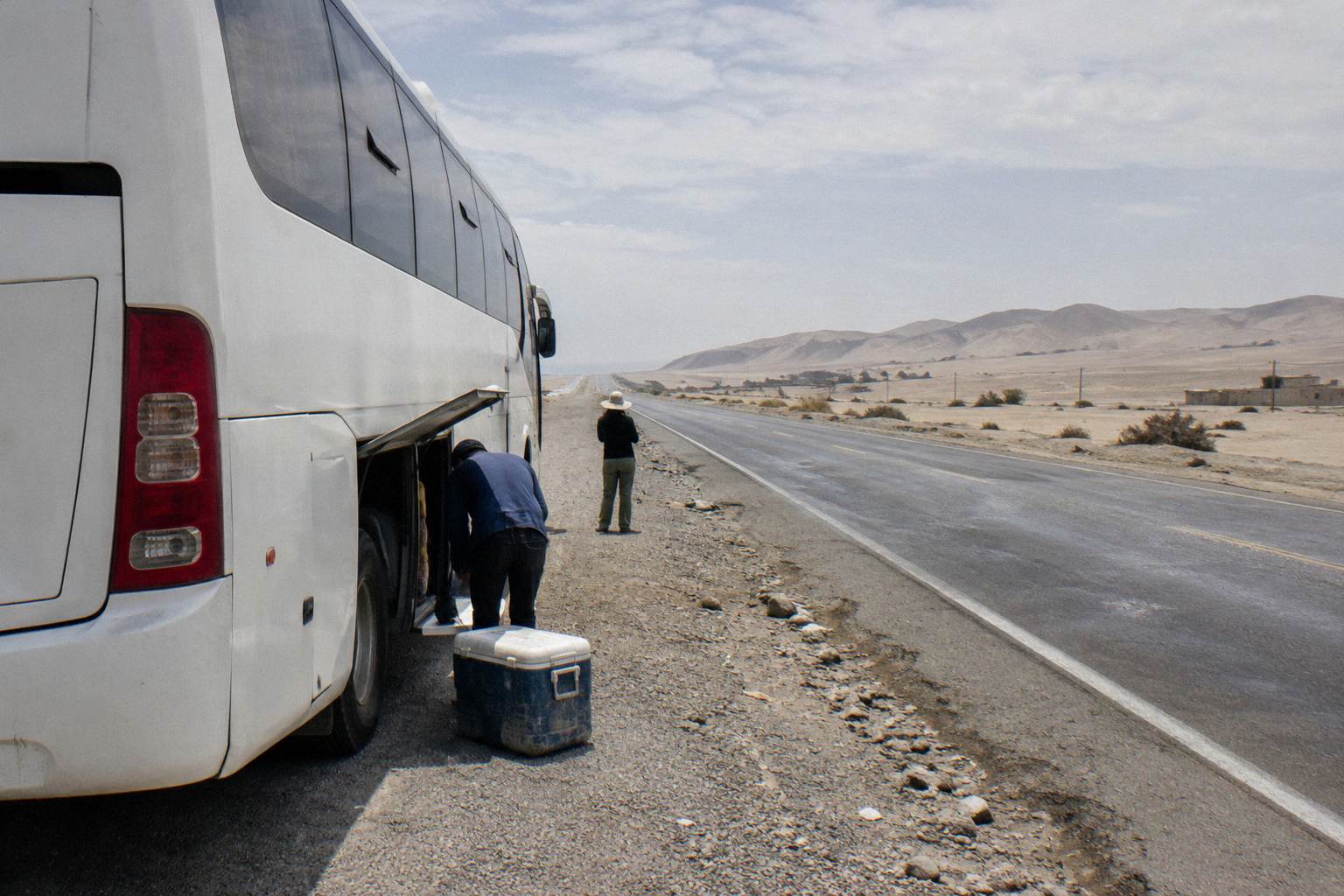
No honest answer can declare any bus service in Peru safe, and this page will not do it. What can be said is this: the UK FCDO advises bus passengers to "only use reputable transport companies," while the hop-on hop-off operator lists GPS tracking, speed-restriction software, seatbelts and a team of drivers on its own buses, and Peru Hop reports 395,000+ passengers since 2013. Safety claims belong to their sources; the decision belongs to you.
The question deserves to be taken apart rather than answered with a slogan. Peru Hop is a hop-on hop-off bus network covering Peru and Bolivia, with departures from Lima, Cusco, Arequipa, Copacabana and La Paz, tickets valid for one year, and a bus time that can be changed in the operator's app up to 12 hours before departure. Those facts shape the safety picture as much as any equipment list, because a passenger who can change a leg the day before has options a fixed-ticket traveller does not.
What this page will not do is tell you bus travel in Peru is fine. Four governments publish advice on Peruvian road travel, and their wording is blunt. Quoting them exactly, with their names attached, is the most useful thing any article can do. From there, the operator's own claims can be weighed, and the trade-offs that matter (long legs, evening departures, borders) can be looked at plainly.
If a hop-on hop-off pass is not the right fit, the same south-coast corridor is served by bookable tourist bus seats, including the Wayki Bus Peru one-way bus from Miraflores to Paracas, rated 4.2 across 62 reviews, with Wayki Bus, Miraflores Pickup on the live listing. A second booking page by another operator covers the same Lima to Paracas run with hotel pickup in Miraflores and Barranco, from US$18 per person on that listing's own basis.
What Do Government Advisories Say About Buses In Peru?
Four governments publish running advice on Peru, and none of them singles out any individual operator for praise or warning. The UK FCDO writes that "bus crashes are common, especially at night" and tells passengers to "only use reputable transport companies." Canada writes "avoid taking buses and coaches at night." Those sentences apply to every bus in the country, hop-on hop-off included, and they are the baseline against which any operator's claims sit.
The exact wording matters, because paraphrase softens it. The UK FCDO, on its Peru safety and security page, states: "Bus crashes are common, especially at night. Only use reputable transport companies, and where possible, avoid overnight travel, especially in mountainous and remote regions." The same page warns: "Armed robbers sometimes hold up provincial and inter-city buses," and "There is a risk of robbery by criminals posing as taxi drivers, especially at Jorge Chavez International Airport and bus terminals."
Canada's advice, on travel.gc.ca, is direct about causes: "Intercity bus travel can be dangerous due to the risk of bus accidents, which are usually caused by excessive speed, poor vehicle maintenance and driver fatigue. Armed gangs have been known to stop buses to rob travellers, especially at night." Its short instruction is "Avoid taking buses and coaches at night," alongside "Follow the main roads used by bus tour companies" and "Remain particularly vigilant at bus terminals and in taxis."
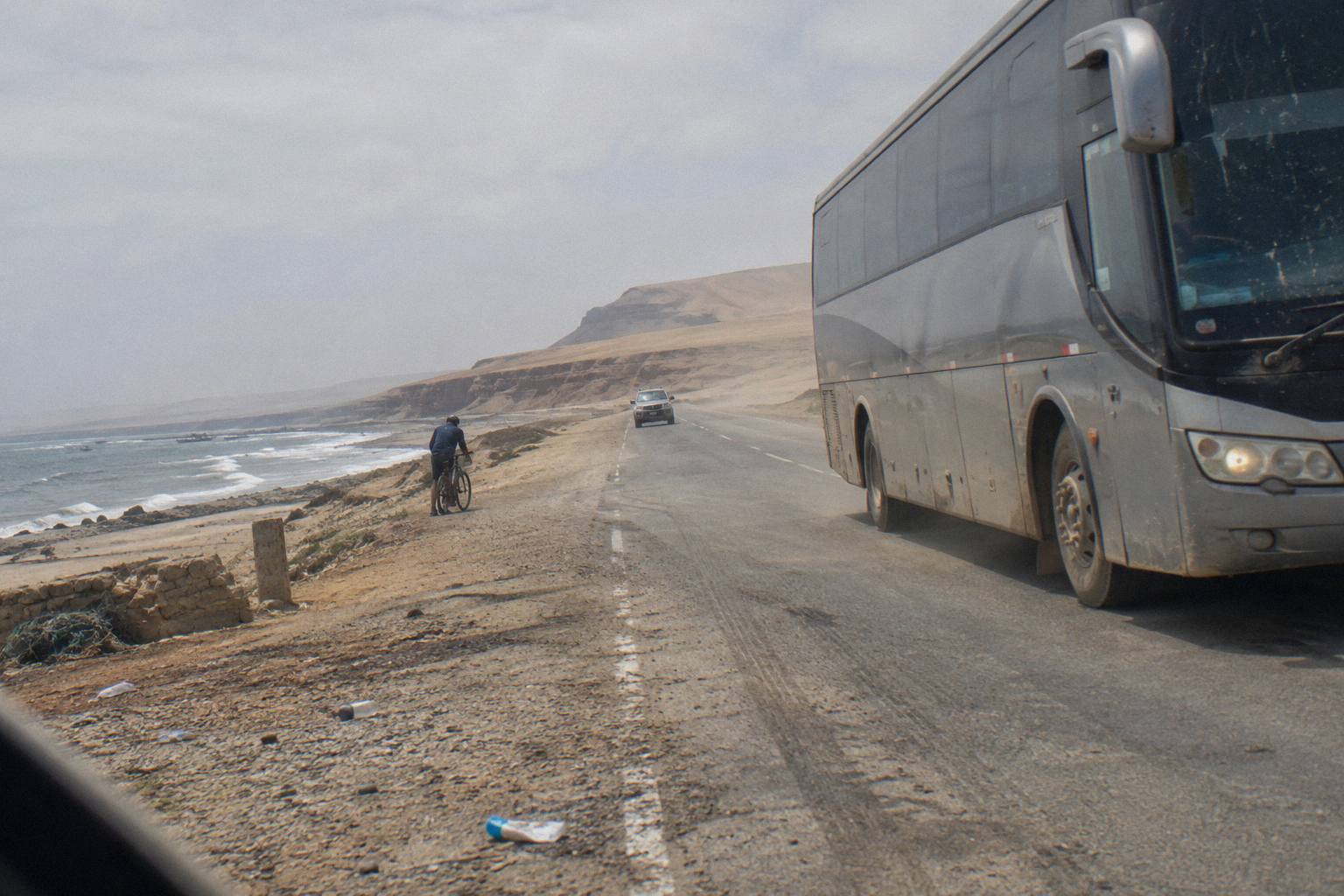
Australia's Smartraveller adds a detail relevant to overnight legs: "Robberies and assaults occur frequently on intercity buses, including while passengers are sleeping," with specific mention of "theft as you sleep on intercity bus routes between Lima, Ica, Nazca and Cusco" and "bogus roadblocks or checkpoints on roads outside major cities after dark." The US Embassy in Lima republishes the State Department advisory at Level 2, Exercise Increased Caution, and notes that demonstrations "can shut down local roads, trains, and major highways. This often happens without warning."
| Source | Verbatim wording on buses |
|---|---|
| UK FCDO | "Bus crashes are common, especially at night. Only use reputable transport companies, and where possible, avoid overnight travel, especially in mountainous and remote regions." |
| Government of Canada | "Avoid taking buses and coaches at night." |
| Smartraveller (Australia) | "Use only reputable bus companies." Robberies "occur frequently on intercity buses, including while passengers are sleeping." |
| US Embassy Lima | "Level 2 - Exercise Increased Caution"; demonstrations "can shut down local roads, trains, and major highways." |
Two things follow from this table. First, none of the four governments names any operator, in either direction, so no article should imply official endorsement of one. Second, every piece of advice above is about buses in general, which means the practical question is not whether a brand is exempt from these risks but whether its schedule, pickup method and staffing reduce exposure to the specific situations the advisories describe.
What Safety Features Does The Operator List?
The operator lists, on its own buses and safety page, semi-cama reclining seats, A/C and heating, toilets, GPS tracking, speed-restriction software, seatbelts, USB points and a team of drivers, plus a local bilingual host on every bus. Those are operator statements, and they map onto the exact risk factors Canada names: speed, maintenance and driver fatigue. Speed-restriction software and a driver team speak to those causes most directly.
The seating and climate claims are comfort claims as much as anything. Semi-cama means a reclining seat that stops short of a flat bed, which is the standard class for long Peruvian routes and the subject of a separate explainer on bus classes, cama and semi-cama. Toilets on board reduce roadside stops after dark, which is where Smartraveller's warning about outside-city checkpoints bites. Heating matters on the high-altitude legs: Puno sits at about 3,848 m per INEI's compendium, and night temperatures on the altiplano drop far below coastal Lima's.
The anti-fatigue claims line up with what Peruvian regulation itself requires of every national operator. Under Peru's national transit regulation, continuous driving is capped at 5 hours by day and 4 at night, a second driver is required when a trip exceeds those spans, and a third over 20 hours. A multi-driver team is not a perk unique to one company; it is what the rules demand on long routes, and the operator's "team of drivers" wording sits inside that framework.
One honest caveat belongs here rather than buried later: Bolivia Hop, the linked sister brand on the lake routes, runs buses with no onboard toilet because of the lake-crossing weight limit, and passengers cross the Strait of Tiquina on a separate boat with public toilets available. Anyone whose mental picture of the service is "same bus, same kit, every leg" should adjust it for that border stretch.
A short callout for the reader who came here to decide whether to book: the hop-on hop-off model with hotel pickup, a year of validity and app-based changes is a genuine answer to several of the advisory risks, and you can See Peru Hop Passes on the operator's own site, where the current pass list and conditions are set out. Nothing on this page is a promise that any leg is risk-free.
Does Door-To-Door Pickup Reduce Terminal Risks?
The operator offers hotel or Airbnb pickup with no terminals and no taxis, and that design speaks directly to two named FCDO risks: robbery by criminals posing as taxi drivers "especially at Jorge Chavez International Airport and bus terminals," and the instruction to "use one of the taxis registered at bus terminals." Removing the terminal-to-hotel taxi leg removes a step the advisories single out, though it does not touch the road risks of the journey itself.
Regular interprovincial carriers in Peru are required to use habilitated terminals at origin and destination, which is good order but concentrates passengers and luggage in the exact places the FCDO and Canada flag. A door pickup swaps that for a meeting at your accommodation, with a bilingual host on board who handles the logistics that a first-time visitor would otherwise manage alone: finding the right platform, confirming the right bus, judging a taxi. Peru By Bus covers how that terminal system works in practice for travellers who book conventional carriers.
The flip side is coverage. The hop-on hop-off network serves the Lima, Paracas, Huacachina, Nazca, Arequipa, Puno, Cusco and Bolivia corridor and its variants. It does not reach Machu Picchu itself; the operator's own page says Cusco to Aguas Calientes is by train, trek or bus and points to partner operators for tours. It does not serve Huaraz, Puerto Maldonado, the north coast, the central highlands, Tacna-Arica or Ecuador, and those routes still run through the terminal system the advisories describe, on the large conventional carriers that dominate them.
For the south-coast sections the network does serve, bookable tourist bus tickets offer a middle ground: terminal-light, door-meeting-point runs such as the Wayki Bus Peru one-way bus from Lima to Huacachina, rated 3.7 across 77 reviews, which picks up in Miraflores, San Isidro and Barranco and stops in Paracas before the drop at the Viajero hostel meeting point in Huacachina, with the listing giving 8 hours including that stop.
Are The Long Legs And Overnight Sections A Problem?
Yes, they are the honest weak point of the itinerary. The corridor includes genuinely long legs, Nazca to Arequipa among them, and some later legs run in the evening or overnight, which is the exact condition all four advisories tell passengers to avoid where possible. Anyone booking the pass should look at which legs of their chosen pass fall after dark and decide with Canada's "avoid taking buses and coaches at night" in front of them.
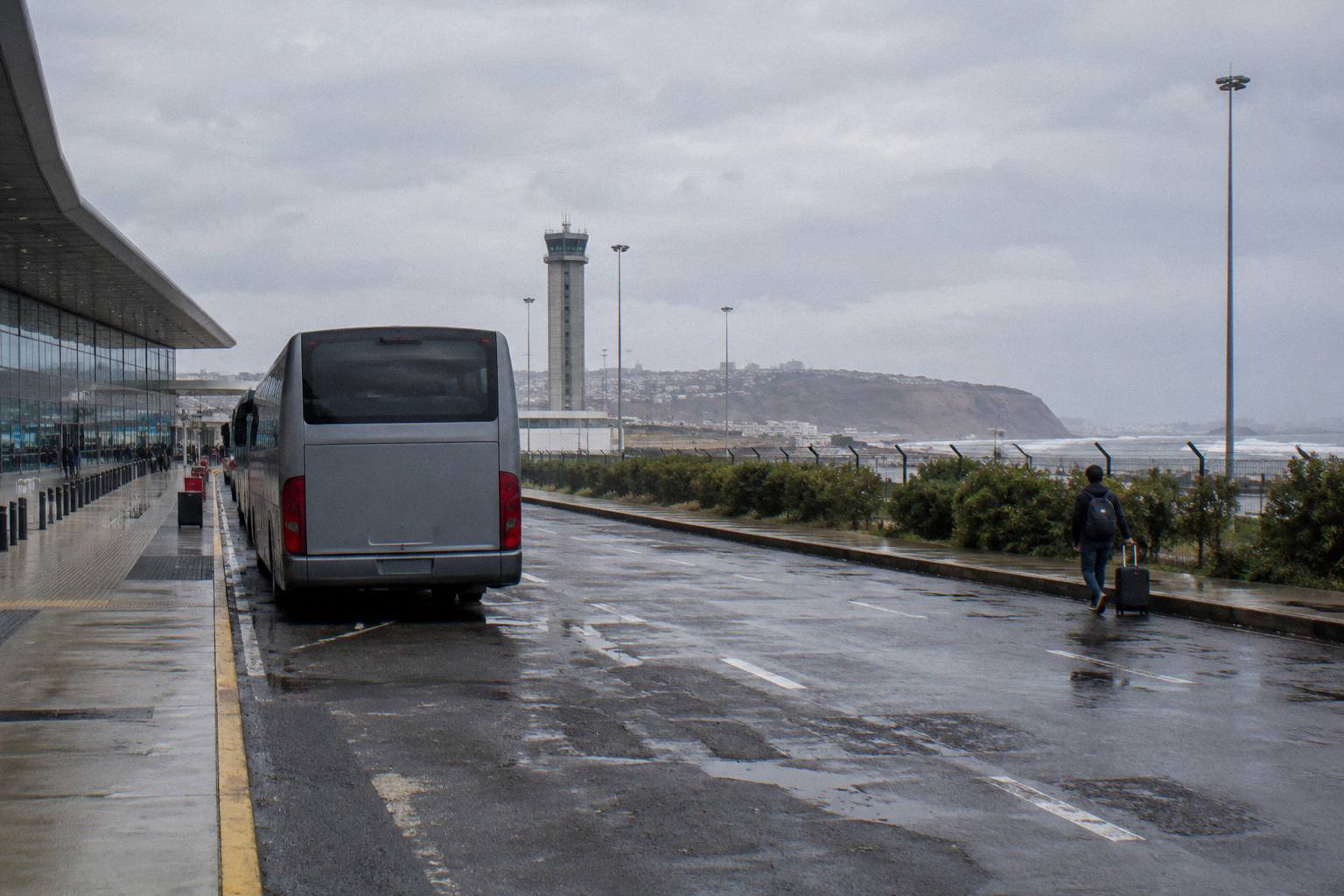
The distances explain the schedules. The free-flow drive estimate for Nazca to Arequipa is 566 km and 7.8 hours before any stop, and Lima to Arequipa is 1,002 km and 14.3 hours on the same free-flow basis; real bus journeys exceed those figures. You cannot compress a corridor that size into daylight-only legs without spending extra nights, and a hop-on hop-off pass that hops at will will inevitably place some travellers on an evening or overnight section, especially on the "fastest time" passes the operator lists, such as the 3-day express runs.
Free-flow drive estimates on the core corridor, to keep the scale in view:
| Route section | Distance | Free-flow drive estimate |
|---|---|---|
| Lima to Paracas | 251 km | 3.5 h |
| Paracas to Huacachina | 74 km | 1.3 h |
| Ica to Nazca | 142 km | 2.4 h |
| Nazca to Arequipa | 566 km | 7.8 h |
| Arequipa to Puno | 273 km | 5.5 h |
| Puno to Cusco | 387 km | 6.2 h |
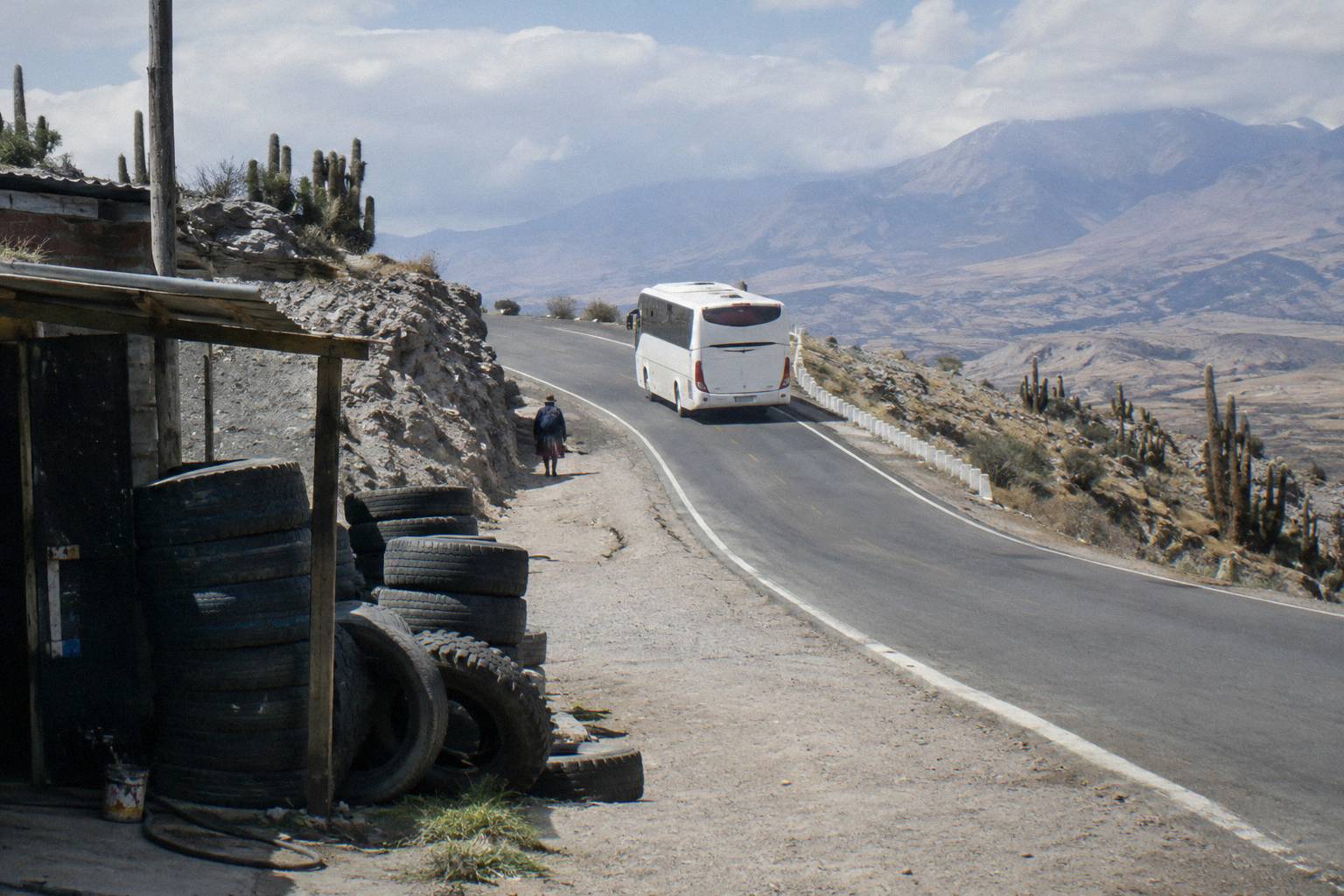
These figures are OSRM free-flow drive estimates, not timetable times, and they understate real journeys. The mitigation available to a pass holder is the flexibility built into the ticket: buses run every day, a bus time can be changed in the app up to 12 hours before departure, and the ticket is valid for a year, so a traveller who would rather split Nazca to Arequipa with an overnight stop can do so. That flexibility is the strongest practical answer to the overnight-leg problem, and it is worth more than any equipment claim.
How Do You Check A Bus And Driver Before Travel?
Peru's transport authority SUTRAN runs a public lookup where any bus and its driver can be checked by plate number or driver DNI, and its alert map shows roads closed in red, restricted in yellow and open in green, with a 24-hour WhatsApp line at 999 382 606. These tools work for any carrier in the country, and using them the day before departure is the single most useful habit a bus passenger in Peru can build.
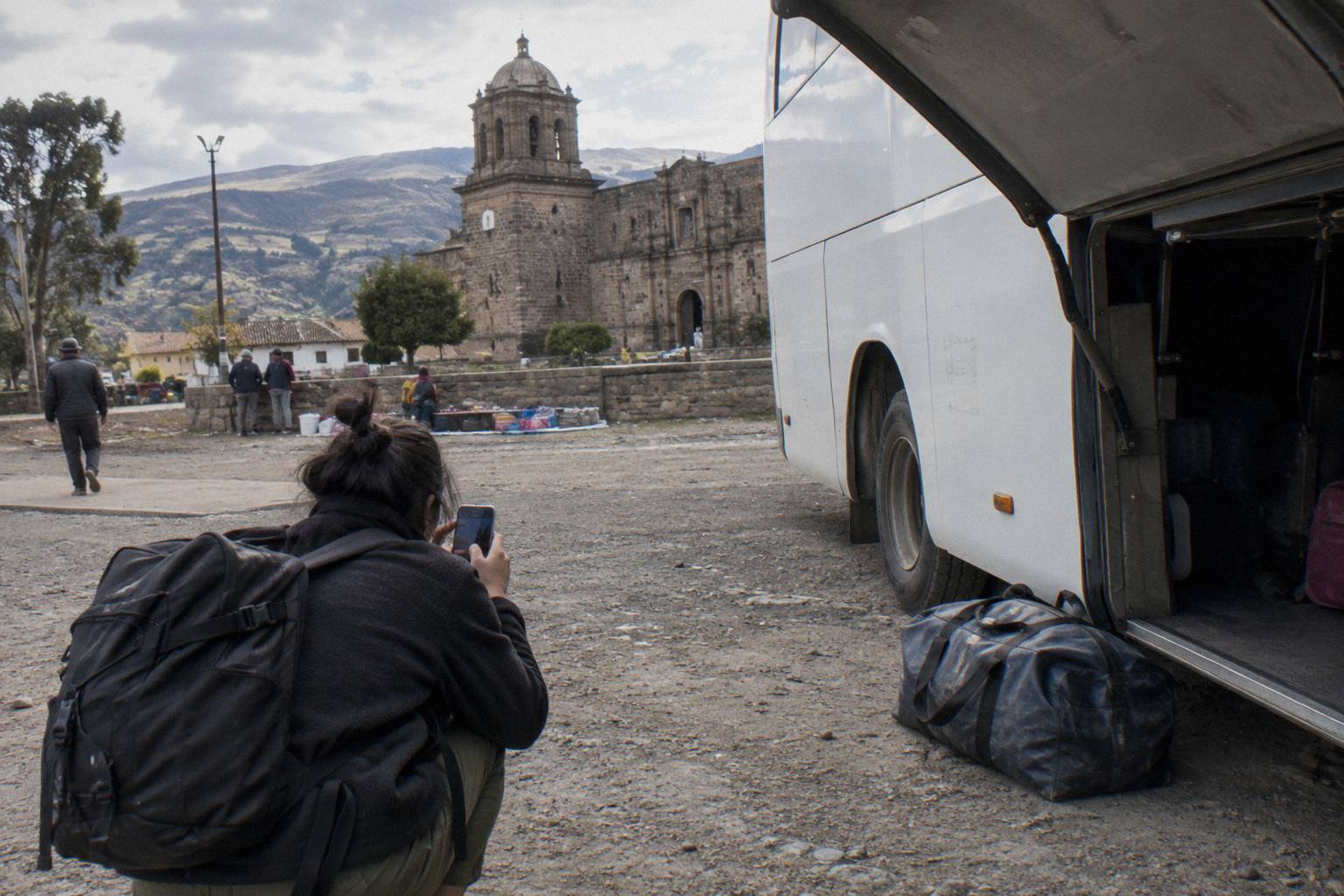
The plate and driver lookup exists because regulation makes papers the passenger's business too: licensed vehicle, technical inspection, insurance. The alert map matters even more for this corridor, because the FCDO notes that "political protests in Peru are unpredictable and can escalate quickly," that demonstrations "can become violent and lead to roadblocks," and that local groups "can announce strike action, with little or no notice, particularly in areas connected to mining," naming Arequipa, Ayacucho, Cusco, La Libertad, Madre de Dios and Puno as regions with recent protests. Blockades appear on the map as live points, and "do not attempt to pass blockades" is the FCDO's verbatim instruction.
SUTRAN also states that the 90 km/h limit for interprovincial buses applies only on roads without any other speed sign, which is a useful fact to hold when reading any operator's speed-control marketing: the device that caps a bus at 110 km/h is a limiter requirement, not the legal road limit, and on a signed mountain descent the sign wins.
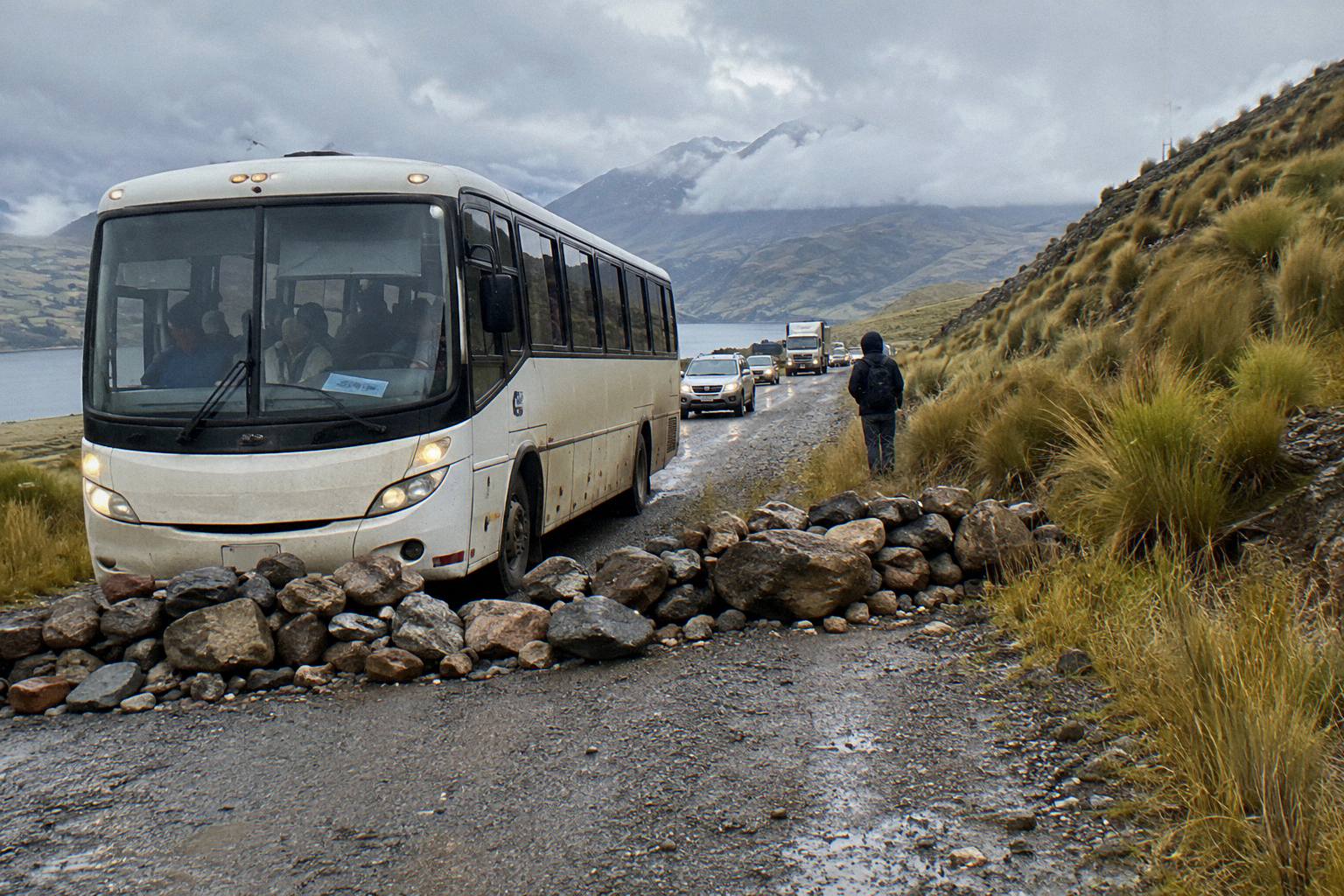
For a hop-on hop-off traveller, the practical sequence is short: check the map the day before each leg, keep the WhatsApp number saved, and if a leg shows restricted, use the app's 12-hour change window rather than improvising. The operator's phone and WhatsApp help line runs during Peru daytime hours, so a problem surfacing at night becomes a morning call.
What Are The Trade-Offs Beyond Safety?
The trade-off is scope versus fit. The pass bundles door pickup, a host on board, stop-over flexibility and the corridor's headline stops, including the hidden stops on Lima passes such as the Secret Slave Tunnels in Chincha, the Nazca Lines viewing tower, the Paracas National Reserve, the Lake Lagunillas viewpoint and a pisco vineyard in Ica. Against that stand the long legs, the overnight sections and the no-toilet Bolivia Hop crossing.
The bundle makes sense for a traveller who wants the southern corridor managed end to end, with extra tours bookable from the same shop: Rainbow Mountain, the Ballestas Islands, buggy and sandboarding in Huacachina, a Nazca Lines flight, Colca Canyon options, and Lake Titicaca and Isla del Sol tours. It makes less sense for a traveller heading to Huaraz, the north, the jungle or Machu Picchu's back door by bus, routes covered in how to get to Chachapoyas by bus, where conventional carriers and bookable tourist buses are the working options.
On the legs the network shares with conventional carriers, a tourist bus ticket can replicate the door-to-door feel one section at a time. The Puno to Cusco leg, for instance, is run as the Turismo Mer tourist bus with an all-you-can-eat lunch stop, rated 4.6 across 24 reviews, listing 11 hours for the run with a lunch stop named in the listing and free cancellation up to 24 hours before for a full refund. Section-by-section booking trades the pass's flexibility for the ability to pick each operator on its own reviews.
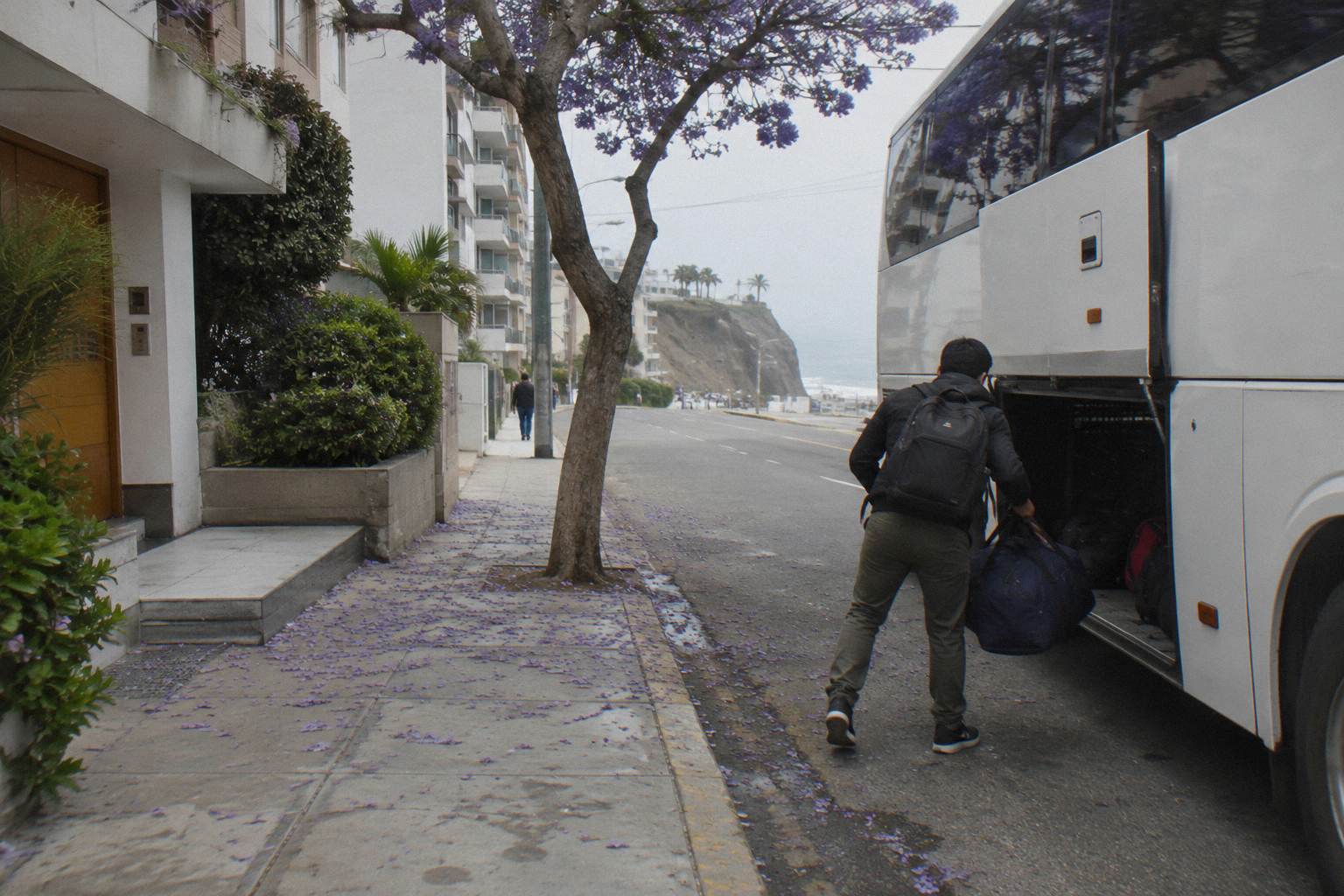
Peru Hop reports 20,000+ TripAdvisor reviews, 8,000+ Google reviews and 1,500+ Trustpilot reviews from 85+ nationalities, figures printed here as the operator's own reporting rather than as independent findings. Those pools are large by any standard, and a reader weighing the decision can survey them directly; the same reader should also weigh the free-cancellation lines on the bookable alternatives, since a refundable seat is its own kind of risk management.
Common Questions About Peru Hop Safety
Is The Peru Hop Bus Safe?
No honest source will declare any bus in Peru safe. The UK FCDO advises using only reputable transport companies and avoiding overnight travel where possible, and the operator lists GPS tracking, speed-restriction software, seatbelts and a team of drivers, with door pickup that removes terminal taxi legs. Weigh the verbatim advisory wording against those features before booking.
Does The Hop-On Hop-Off Operator Control Its Own Buses?
Its own pages list a dedicated fleet with semi-cama reclining seats, toilets, GPS tracking, speed-restriction software, seatbelts and a team of drivers, plus a bilingual host on every bus. Those are operator statements; Bolivia Hop buses on the lake crossing carry no onboard toilet because of the weight limit.
Do The Buses Run At Night?
Some later legs run in the evening or overnight, especially on the fastest passes, and the corridor's distances make that hard to avoid: Nazca to Arequipa alone is a 566 km, 7.8 hour free-flow drive estimate. Canada's advice is to avoid buses at night; the pass's 12-hour change window and year of validity let you split long legs with extra stops.
Is Door Pickup Really Safer Than A Terminal?
It removes the terminal taxi leg that the FCDO specifically warns about, robbery by criminals posing as taxi drivers at airports and bus terminals. It does not change the road risks of the journey itself.
Where Does The Network Not Go?
It does not serve Machu Picchu itself, Huaraz, Puerto Maldonado, the north coast, the central highlands, Tacna-Arica, Ecuador or the jungle. Those routes run on conventional carriers through the terminal system.
What Can I Check Myself Before A Bus Leg In Peru?
SUTRAN's lookup takes a plate number or driver DNI and shows whether papers are in order, and its alert map shows closed, restricted and open roads with a 24-hour WhatsApp line at 999 382 606. Check the map the day before each leg.