How Much Is The Bus To Machu Picchu?
What the bus leg to Machu Picchu actually costs, why there is no direct bus, and how the back-door route via Hidroelectrica works.
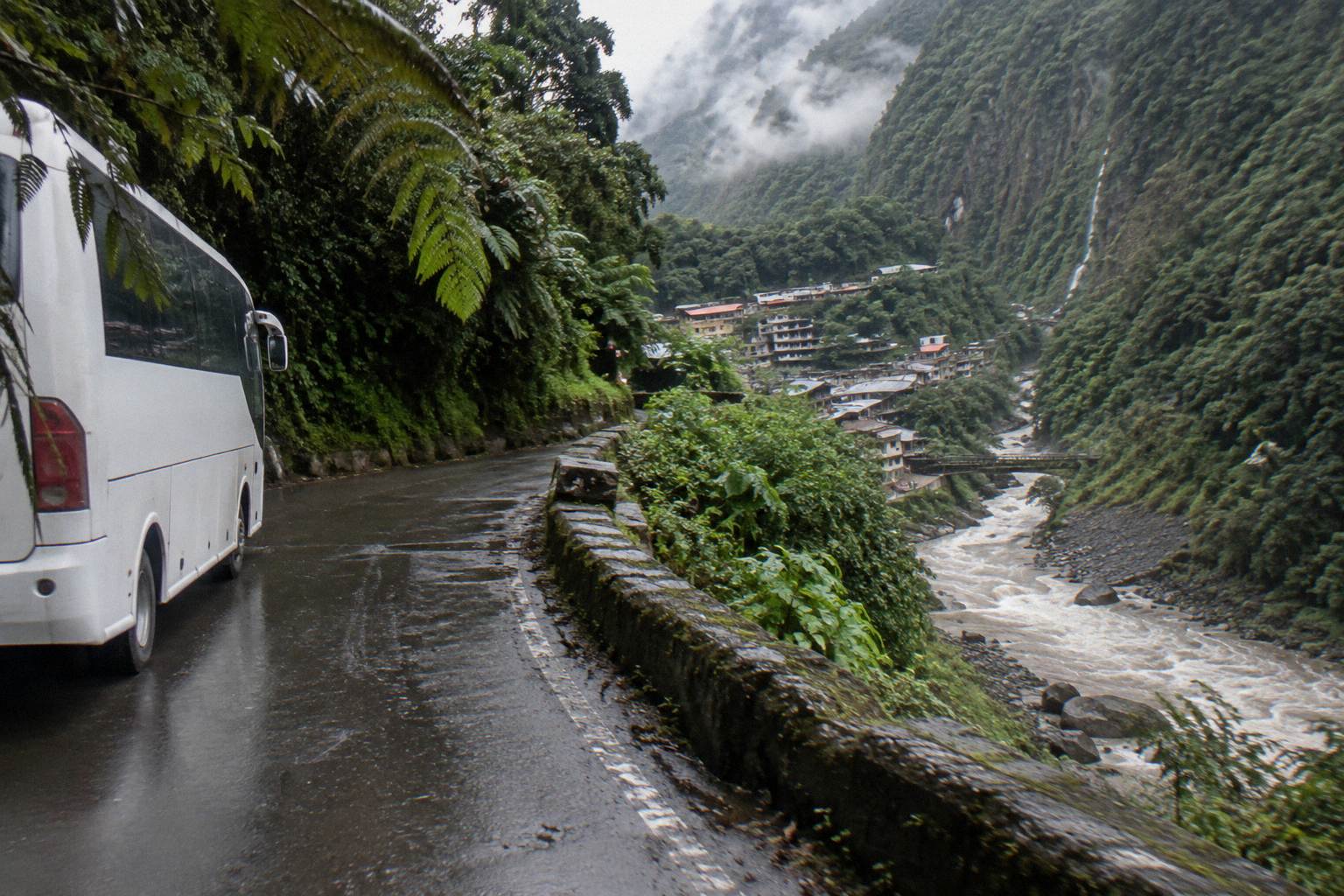
The honest answer is that no bus drives to Machu Picchu. The citadel sits above Aguas Calientes, a town with no road in, so every visitor arrives by train, on foot, or by a combination of the two. What people mean when they ask about the bus to Machu Picchu is the back-door route: a road leg from Cusco down to the hydroelectric station, known locally as Hidroelectrica, followed by a flat walk or a short rail leg along the Urubamba to Aguas Calientes.
The only bus ticket is the one-way tourist bus from Cusco to Hidroelectrica, operated by Machu Picchu by Car Vip, rated 4.3 across 53 reviews. One twin listing, a round-trip Cusco to Hidroelectrica transfer, is listed from US$30 per person. Everything past Hidroelectrica is a walk or a rail fare, not a bus fare.
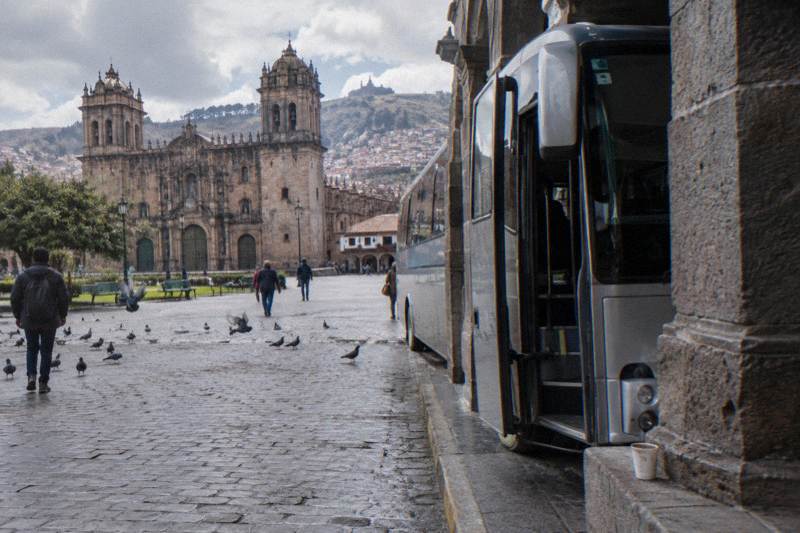
The word "bus" is doing a lot of work in this question. A traveller heading to Machu Picchu by road books a seat from Cusco to Hidroelectrica, a station in the cloud forest that serves as the back-door start for the walk or the rail leg to Aguas Calientes. The featured product, the Cusco: Tourist Bus to Hydroelectric Station (2 Rest Stops) ticket, departs from Cusco's Plaza de Armas, makes two rest stops, and drops passengers at a private terminal at Hidroelectrica inside Restaurante Escobar. The listing gives a duration of 6 hours and free cancellation up to 24 hours before departure for a full refund. You can check availability on the operator's live listing, where the current price sits.
Around that main ticket sit three twin listings on the same marketplace, each a separate product with its own rating and its own basis: a round-trip Cusco to Hidroelectrica transfer rated 4.0 across 46 reviews, a direct bus rated 4.0 across 30 reviews, and the round trip from US$30 per person already named. They are alternatives, not versions of the same thing, and they should be compared listing against listing rather than merged.
Is There A Direct Bus To Machu Picchu?
No direct bus to Machu Picchu exists, and the geography explains why. Aguas Calientes, the town below the citadel, has no road access, so buses stop at Hidroelectrica on the far side of the Urubamba valley. From there the options on record are the flat walking trail along the river toward Aguas Calientes or the rail leg. Any product claiming to bus you to the site itself would be claiming a road that is not there.
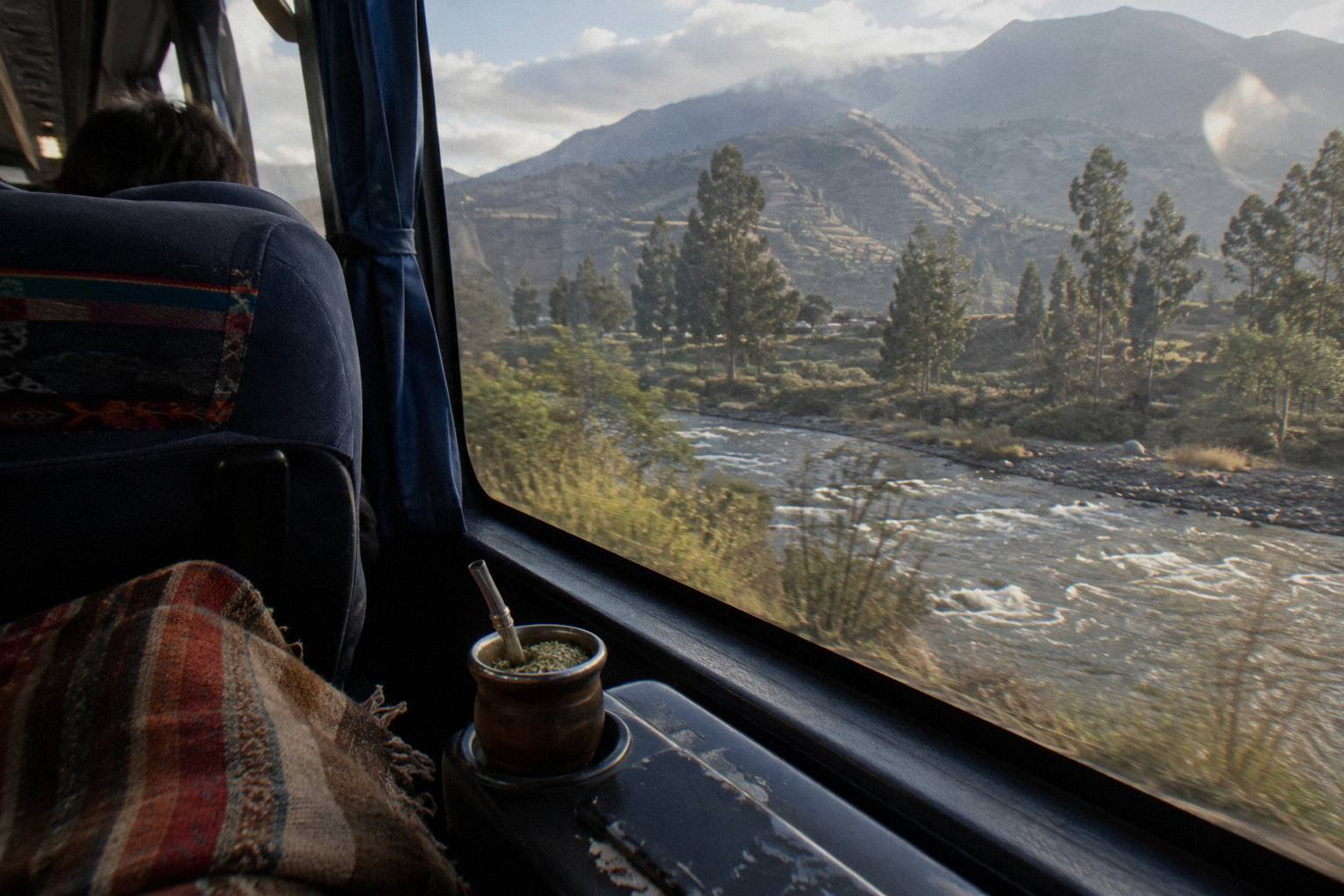
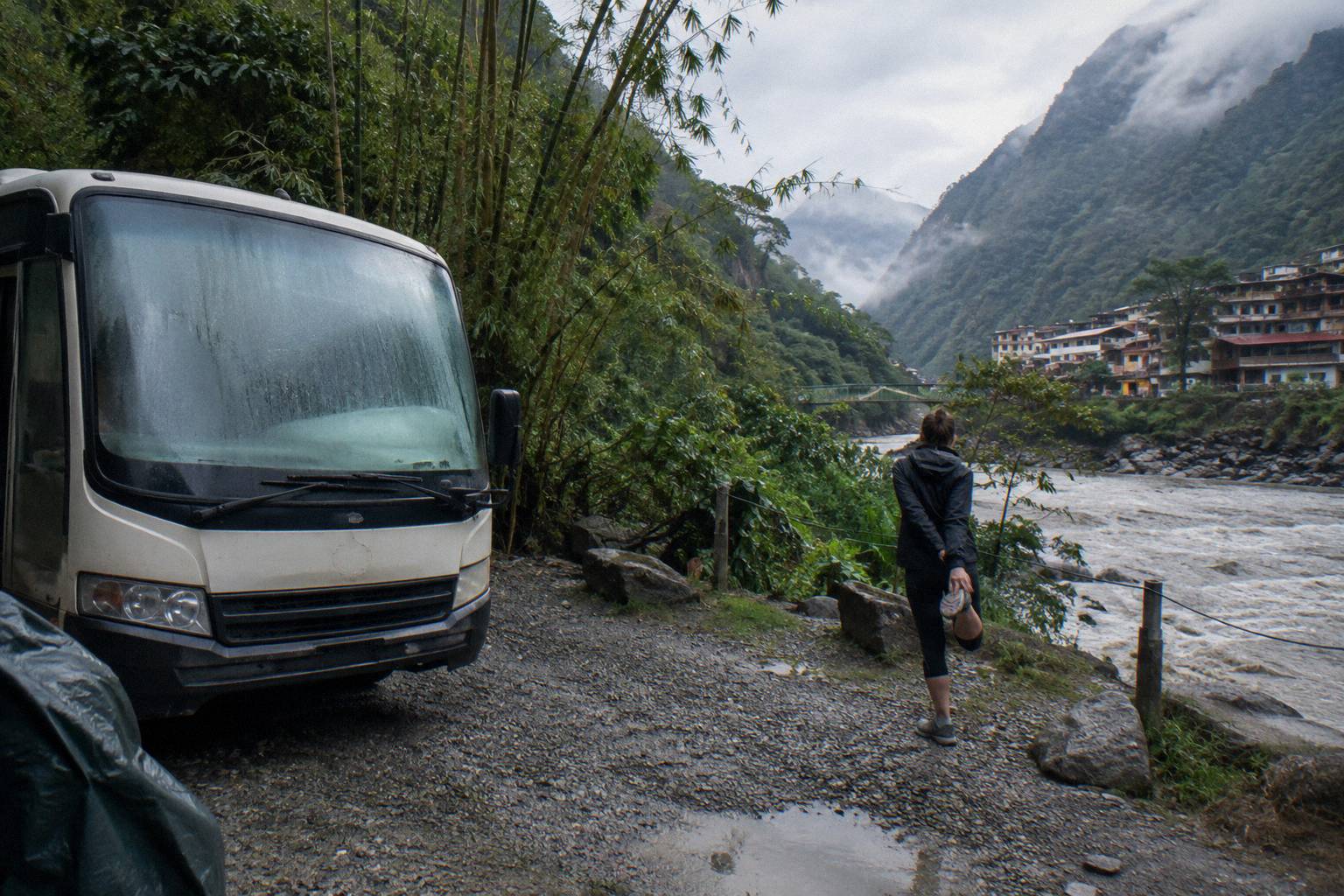
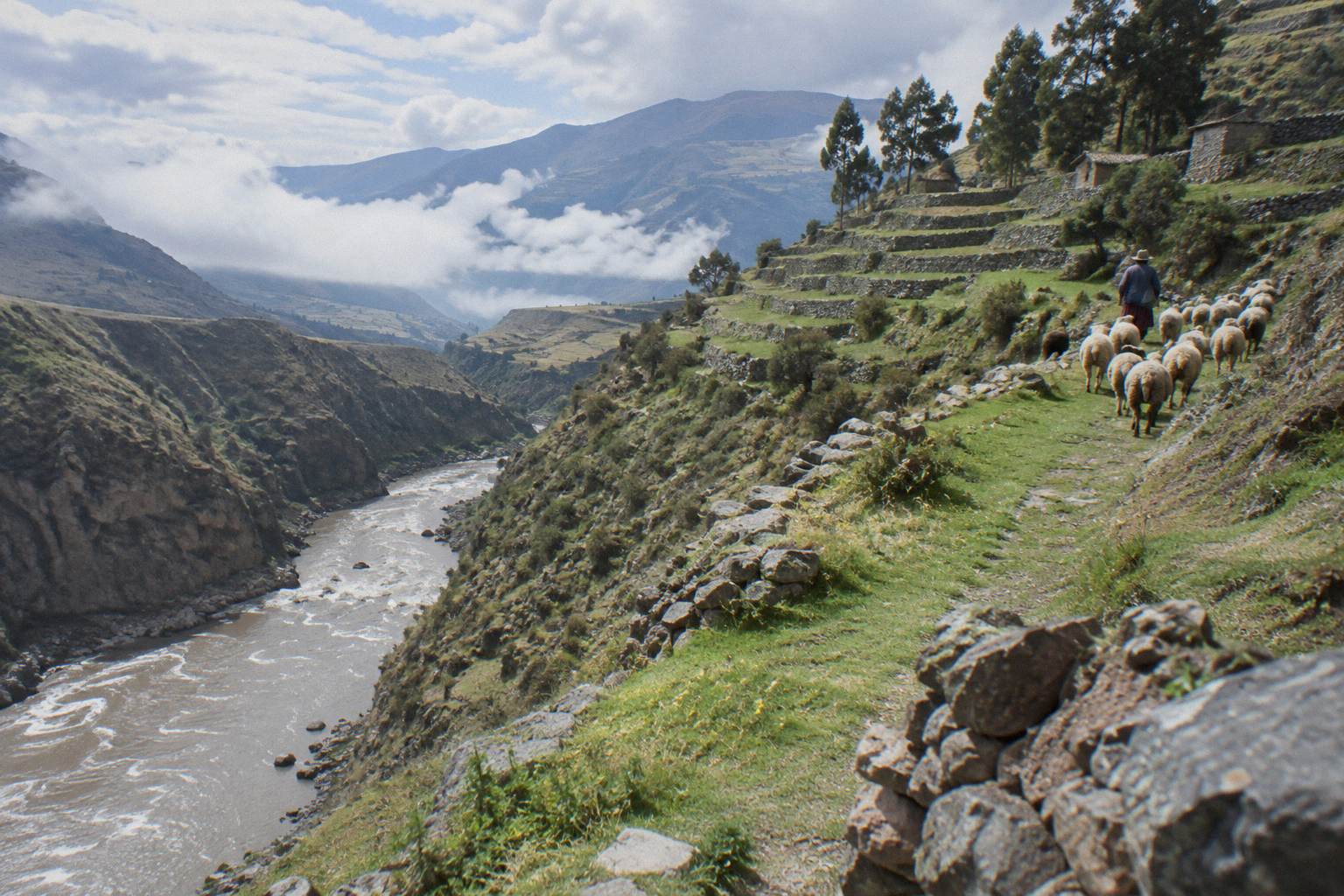
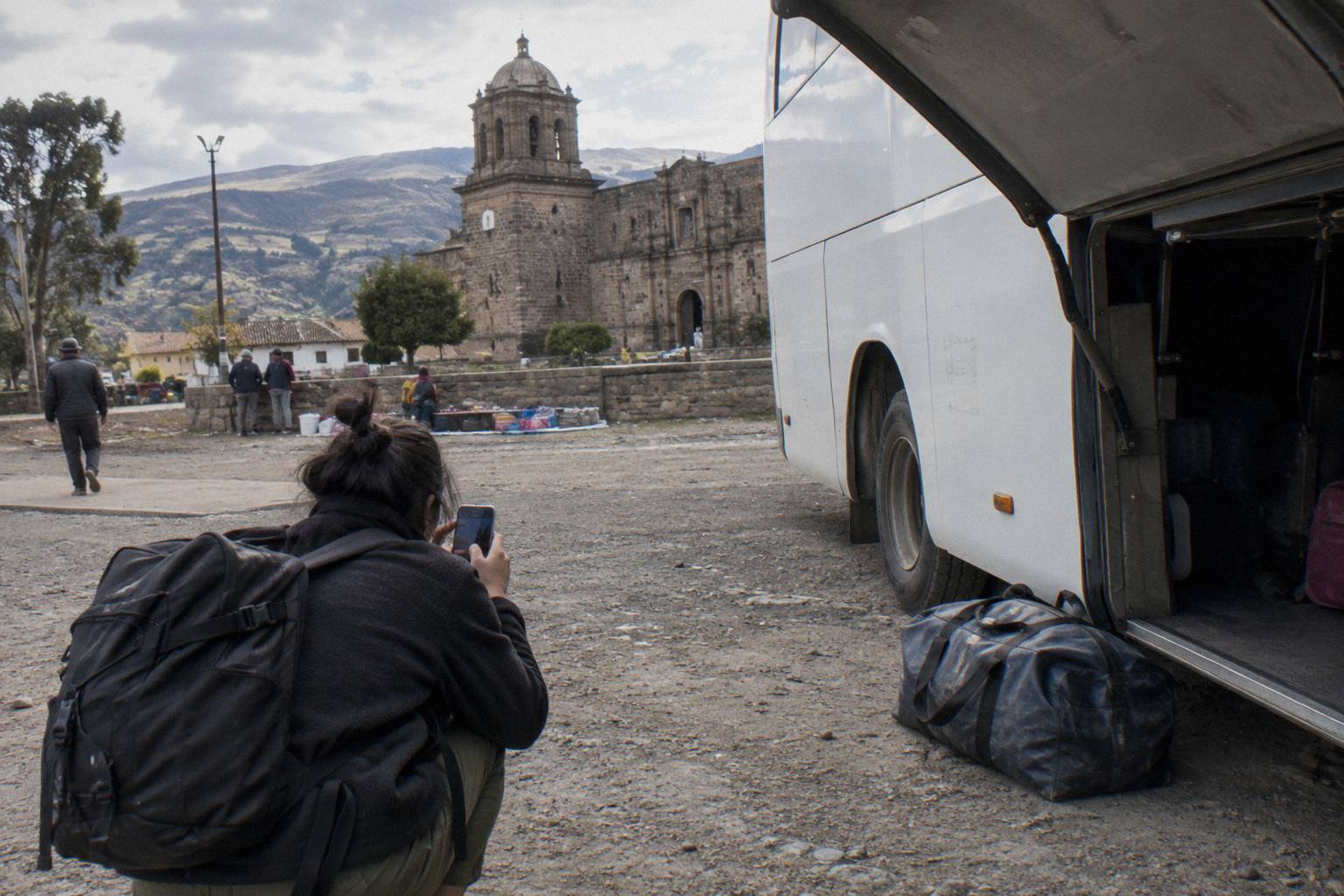
The route that people call the back door works like this. A bus leaves Cusco and descends through the cloud forest to Hidroelectrica, a hydroelectric station with a small private terminal area. The Machu Picchu by Car Vip listing drops passengers at its own terminal inside Restaurante Escobar, which functions as the staging point for the last leg. From the station, the trail along the river toward Aguas Calientes is the free option on foot, and the rail line runs the same corridor for those who would rather ride.
This structure is why the question "how much is the bus" has no single number for an answer. The bus leg ends at Hidroelectrica, full stop. The tourist bus listing gives 6 hours for the drive with two rest stops, the drop-off point is named, and beyond that point the bus ticket buys nothing more. Travellers comparing a rail journey from Ollantaytambo against this road-and-walk route are comparing a different set of legs, and the train versus bus comparison for Peru covers that side of the decision with the same fact discipline.
How Long Is The Drive From Cusco To Hidroelectrica?
The OSRM free-flow drive estimate for Cusco to Hidroelectrica is about 212 km and 5.1 hours, and a real bus journey takes longer because the figure assumes a car moving without stops on a clear road. The tourist bus listing itself gives 6 hours including two rest stops, and that listing figure, not the free-flow estimate, is what the operator promises.
Free-flow estimates come from a routing engine, not a timetable. They are useful for scale: 212 km of mountain road between Cusco and the hydroelectric station tells you this is a real journey through the highlands and down into cloud forest, not a shuttle hop. The listing's own figure of 6 hours includes two rest stops named in the product title, which is the operator's planning number for anyone building an itinerary around the arrival end at Hidroelectrica.
| Leg | Distance | Free-Flow Drive Estimate | What A Real Bus Adds |
|---|---|---|---|
| Cusco to Hidroelectrica | about 212 km | about 5.1 hours | Rest stops, mountain road conditions, terminal boarding |
| Cusco to Arequipa | 487 km | 9.4 hours | A different route entirely, for onward planning only |
| Puno to Cusco | 387 km | 6.2 hours | A separate corridor, not part of this journey |
Each figure in the table belongs to its own pair. The 212 km estimate is the only one that describes this route; the Arequipa and Puno rows are there because travellers building a southern circuit pass through those corridors before or after Cusco, and the free-flow estimate gives a sense of scale, while the operator timetable gives the real time. If a southern Peru bus circuit is on your planning sheet, the same caveat applies everywhere on it: real journeys exceed the free-flow figure, and no free-flow number is a bus time.
For context on what shapes those real journeys, SUTRAN states that the 90 km/h limit for interprovincial buses applies only on roads without any other regulatory speed sign, which on a mountain descent like this one means the effective pace is set by the road, not the ceiling. Peru's national transit regulation caps continuous driving at 5 hours by day and 4 at night, requiring a second driver beyond that, which is one reason long Andean legs are structured the way they are.
What Comes After The Bus At Hidroelectrica?
The route ends the bus leg at Hidroelectrica and hands over to the walk or the rail line along the river to Aguas Calientes. Planning numbers should come from the operators of those legs, not from a bus article guessing at them.
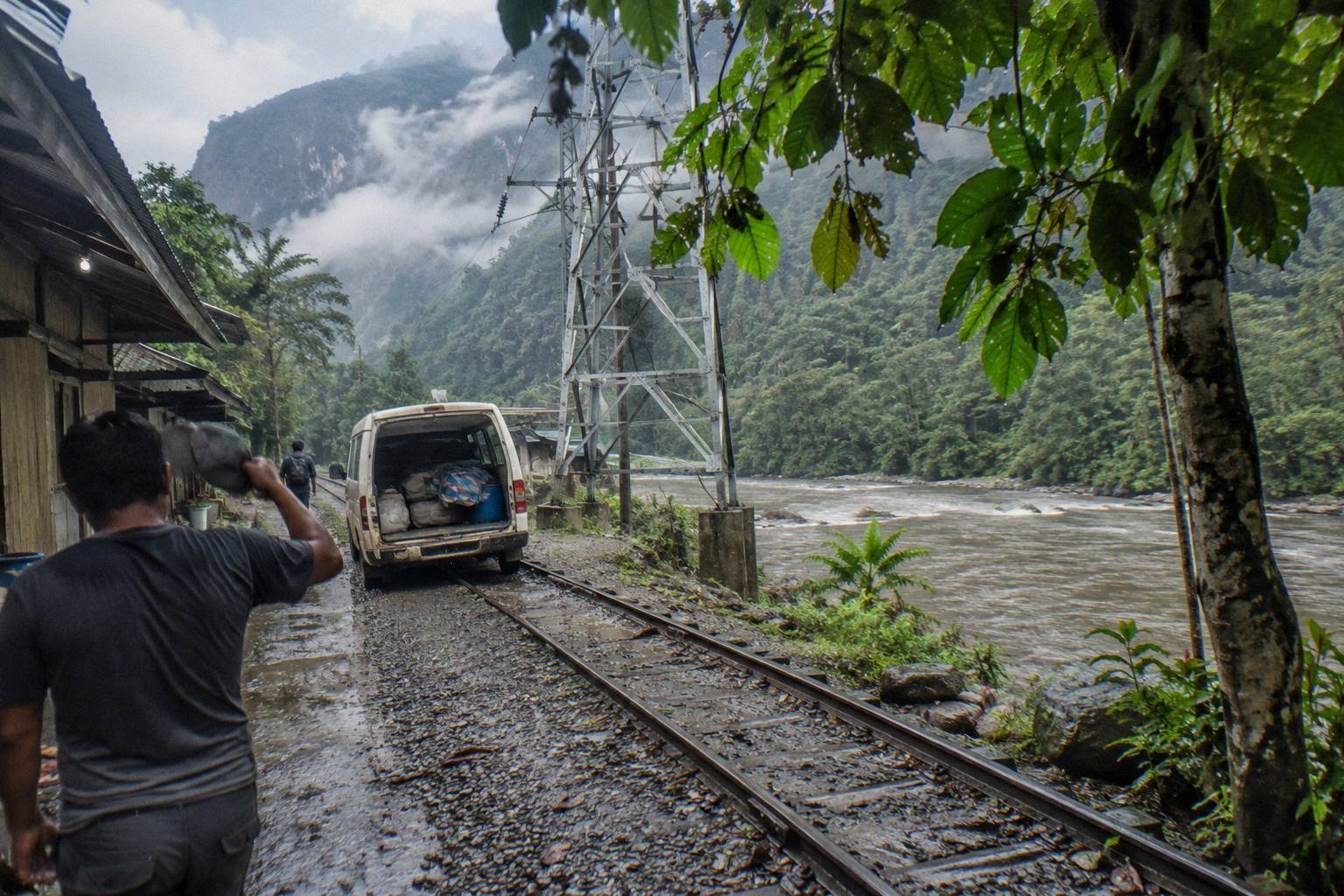
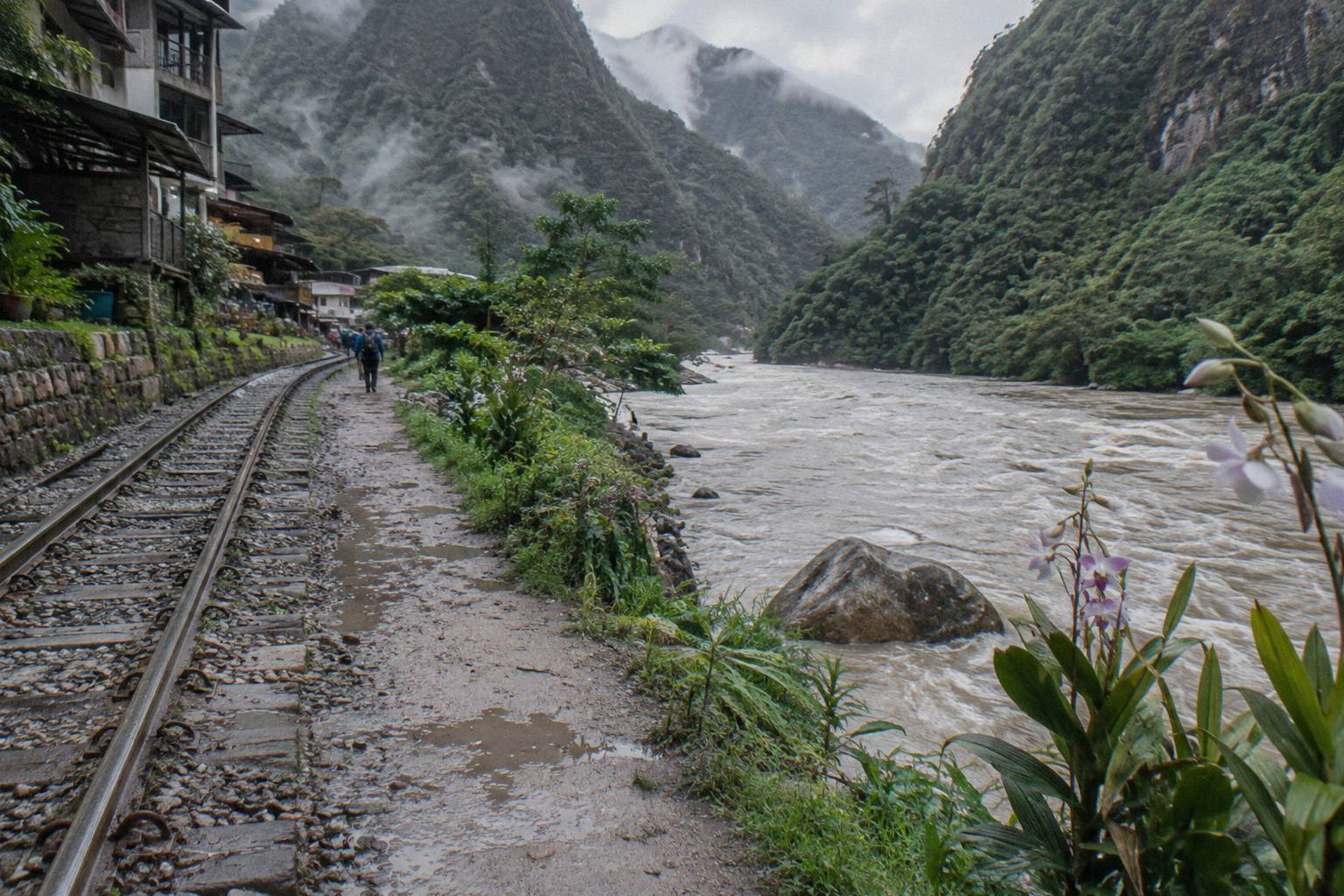
The walk from the station toward Aguas Calientes follows the river corridor on flat ground, and it is the option that gives this route its budget reputation. The rail leg covers the same corridor. What can be said from the listing is the arrival point: a private terminal at Hidroelectrica inside Restaurante Escobar, with the trail and rail options beyond it.
One warning belongs here because the twin listings invite confusion. A round-trip Cusco to Hidroelectrica transfer is a separate product rated 4.0 across 46 reviews, and a direct bus listing rated 4.0 across 30 reviews is another one again. Treat the bus ticket as a road leg to a station, and price the rest of the journey from the operators who run it.
The listed tickets for this route, with what each one carries, sit side by side below. Ratings are printed with their review counts, prices only where a firm figure exists, and anything absent is simply absent rather than filled in.
| Listed Ticket | Rating And Reviews | Price Printed | Listing Duration | Cancellation As Listed |
|---|---|---|---|---|
| Tourist bus Cusco to Hidroelectrica, two rest stops | 4.3 across 53 reviews | On the live listing | 6 hours | Free cancellation up to 24 hours before, full refund |
| Round-trip transfer Cusco to Hidroelectrica | 4.0 across 46 reviews | On the live listing | Check the operator's page | Check the operator's page |
| Direct bus Cusco to Hidroelectrica | 4.0 across 30 reviews | On the live listing | Check the operator's page | Check the operator's page |
| Round trip, listing basis | Reviews on the listing | From US$30 per person | Check the operator's page | Check the operator's page |
Practical reading of the numbers helps when you plan the day. The six hour listed duration is the figure to build your schedule around, not the 5.1 hour free-flow estimate, and the two rest stops are already inside that bus time. The cancellation window closes 24 hours before departure with a full refund attached, so fix your travel date before you pay rather than after, and if the day depends on the walk or the rail leg, confirm those seats first; a refundable bus ticket is small comfort if the onward leg is full or shut. Book the road leg as a road leg and nothing more.
The safety notes above turn into three simple checks. Look at the SUTRAN alert map before your travel date, treat red as a reason to stop and yellow as a reason to ask, and use the WhatsApp line if the map leaves you unsure. Treat the FCDO warning on night crashes in the mountains as a clear vote for a daytime departure, and weigh any overnight offer against it. Pack for two climates in one day, since the drive starts high in Cusco and finishes far lower at the river, so a warm layer for the morning and something lighter for the afternoon will both earn their place. A charged power bank helps too, because a phone holding your ticket, your map checks and your photos does a lot of work on a day like this.
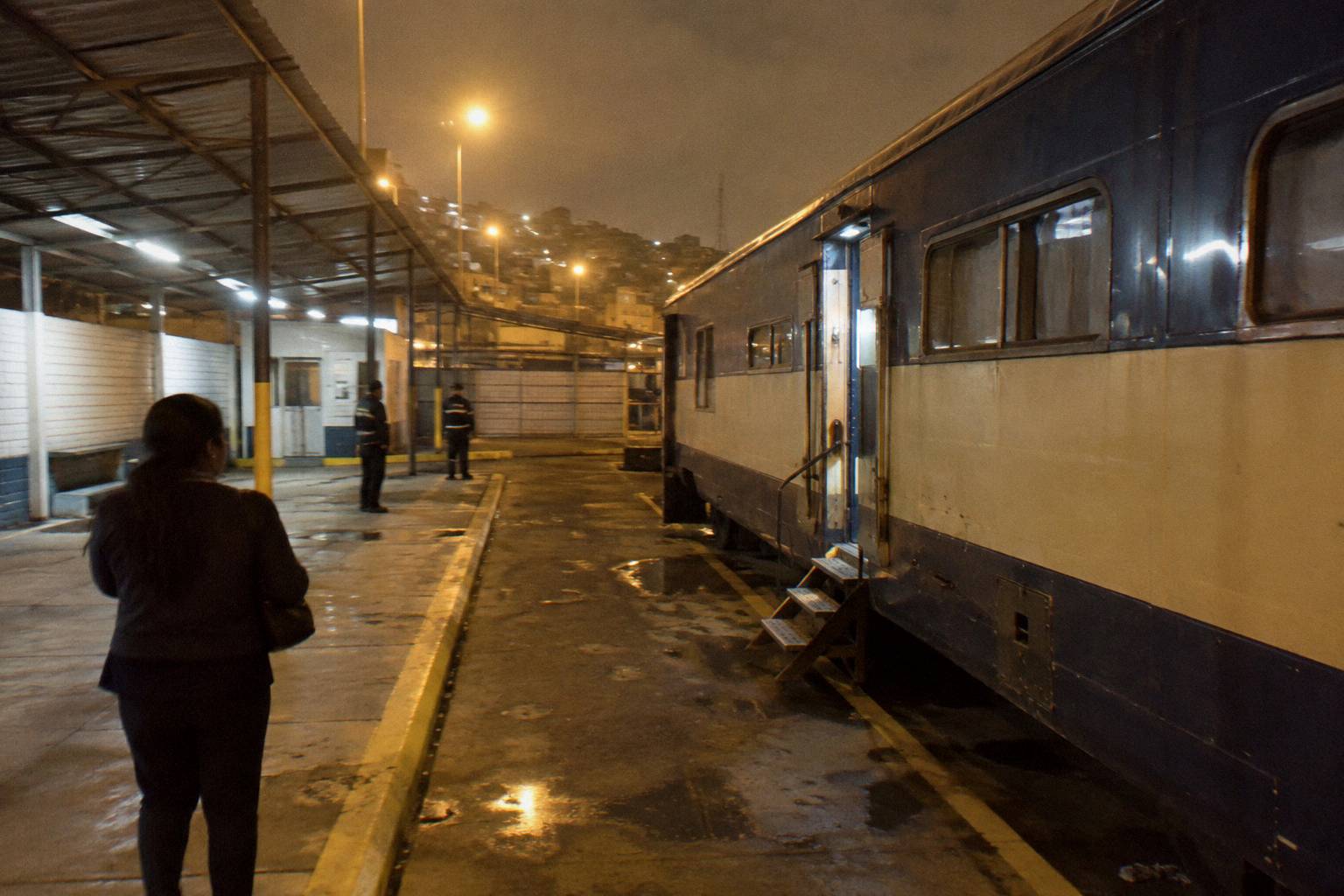
On the booking side, only one row in the table carries both a printed duration and printed cancellation terms, so if a firm refund policy matters to you, that is the ticket that states it plainly. The US$30 per person figure applies on a round-trip basis, per the listing, and every price shown as on the live listing should be confirmed at the moment you book rather than days ahead. Save a screenshot of the arrival point before you travel, a private terminal inside Restaurante Escobar at Hidroelectrica, since having that name to hand makes the final step, locating the trail or the rail line beyond the terminal, far easier once you step off the bus.
Does Peru Hop Go To Machu Picchu?
Peru Hop does not run a service to Machu Picchu, and its own network material does not claim it does; the hop-on hop-off passes connect cities such as Lima, Arequipa, Puno and Cusco, with the citadel reached separately by train, trek or a partner operator from Cusco. For this route, the ticket that exists is the Cusco to Hidroelectrica tourist bus described above.
That single sentence settles the question, because travellers new to the country sometimes assume the hop-on hop-off network covers the citadel itself. It does not.
Is The Back-Door Bus Route A Sensible Choice?
The back-door route trades money for time and effort. The bus leg is a one-way tourist service with two rest stops, free cancellation up to 24 hours before for a full refund, and a 6 hour listed duration, while the one firm figure is the round-trip twin from US$30 per person. Whether that trade suits you depends on the walk and the schedule.
On safety, the honest material is government advice, and it should be read as written. The UK FCDO states: "Bus crashes are common, especially at night. Only use reputable transport companies, and where possible, avoid overnight travel, especially in mountainous and remote regions." The Cusco to Hidroelectrica leg is mountainous by any definition.
What a planner can do with that advice is practical. The FCDO safety page recommends using reputable transport companies and avoiding overnight travel in mountainous regions where possible, and a listed tourist service with named rest stops, a named drop-off and a published cancellation policy fits the kind of product you can check before buying. You can also verify any bus and driver in Peru by plate or driver document on SUTRAN's public lookup, which takes a minute and settles the paperwork question independently of any operator's marketing.
Booking terms matter on this route more than on a city hop, because plans around Machu Picchu shift with entry availability and weather. The featured listing carries free cancellation up to 24 hours before departure for a full refund, as listed, which is worth holding onto when the citadel end of the itinerary is still uncertain.
How Does The Back-Door Route Fit A Southern Circuit?
Listed services cover both corridors into Cusco: a Turismo Mer tourist bus from Puno with a lunch stop rated 4.6 across 24 reviews, and a World Explorer Peru direct bus from Cusco to Arequipa rated 3.7 across 16 reviews. The free-flow estimates are 387 km and 6.2 hours for Puno to Cusco, and 487 km and 9.4 hours for Arequipa to Cusco.
The Puno service is worth a look for its own sake. The Turismo Mer bus lists an all-you-can-eat lunch stop on an 11 hour listed journey, which turns the longest single leg of the southern loop into a day with a meal built in, and its 4.6 rating across 24 reviews is the strongest in this cluster even though the pool is small. The listing drops passengers at the operator's private terminal in Cusco, which matters when the Hidroelectrica bus departs from the Plaza de Armas side of town.
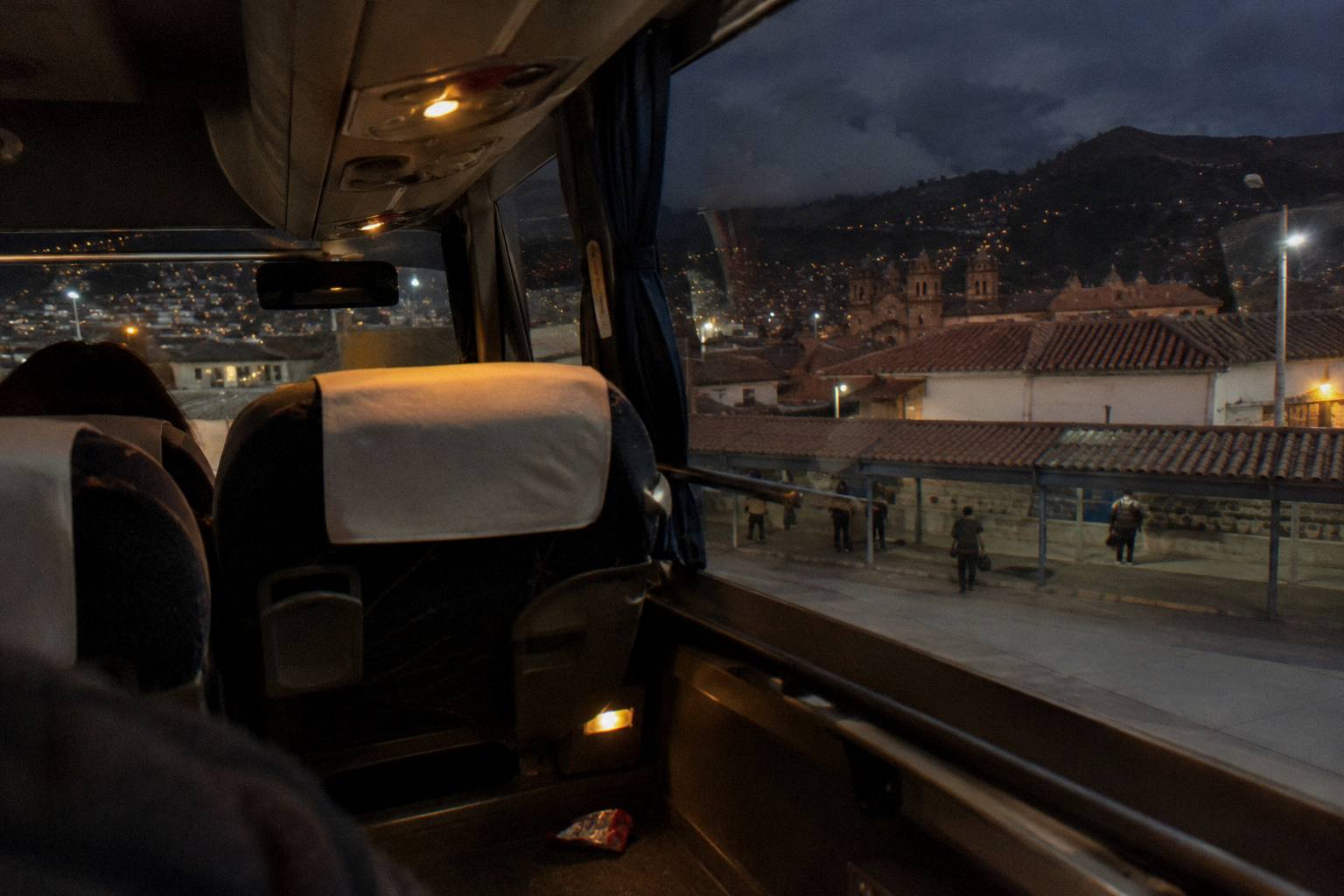
In the other direction, the World Explorer Peru direct bus from Cusco to Arequipa lists 10 hours and a Cruzero Suite seat the listing describes as reclining 160 degrees, rated 3.7 across 16 reviews. For anyone finishing at Machu Picchu and heading south toward Arequipa and Colca, it is the listed road option on that corridor, with the same free-cancellation window up to 24 hours before departure as the others. Building the loop so the Hidroelectrica leg sits in the middle, after you have adjusted to Cusco's altitude of about 3,400 m, is the planning move most itineraries settle on, and the altitude and bus travel guide covers the acclimatisation side of that without medical claims.
Altitude is the quiet variable in all of this. Cusco sits at about 3,400 m and Hidroelectrica sits far below in the cloud forest, so this route drops thousands of metres and then climbs back on the return, and the round-trip twin listing exists precisely because most people come back up the same road. The 4.0 across 46 reviews round trip and the 4.0 across 30 reviews direct bus are the listed alternatives if a one-way does not fit your plan.
What Should You Check Before Booking The Bus Leg?
Three checks cover the road leg: the live listing for the current price, since no stable figure exists beyond the US$30 round-trip twin; the operator's cancellation line, since the featured listing carries free cancellation up to 24 hours before for a full refund; and the road situation, since SUTRAN's alert map shows closures in real time and strikes in Peru can be announced with little notice. Together they decide whether the back door is open on your dates.
On disruption, the advice bodies are blunt. The FCDO states: "Political protests in Peru are unpredictable and can escalate quickly. Demonstrations can become violent and lead to roadblocks, travel disruption, including trains, and suspension of immigration services at land borders." It also names Arequipa, Ayacucho, Cusco, La Libertad, Madre de Dios and Puno as regions with recent protests, and Cusco is the region this route starts in. SUTRAN's interactive alert map shows closed roads in red, restricted in yellow and open in green, with a 24 hour WhatsApp line, and checking it the day before travel is the practical response to advice that says blockades can appear with little notice. The handling of blockades if you meet one is covered in full elsewhere, in the guide to what to do when a Peru bus meets a road block.
Season matters too. The Andean rainy season runs roughly September to April, and the FCDO carries a notice that through late 2026 to April 2027 the El Nino weather event is expected to generate heavy rainfall, possible flooding, landslides and mudslides, especially on the northern and central coast, with travel disruption such as road closures. The cloud forest leg of this route lives on mountain roads where rain is the standing condition of the season, which is one more reason the day-before road check earns its place in the routine.
Booking itself is simple. Per Peru By Bus reporting on how ticketing works nationally, INDECOPI says a domestic bus ticket can be postponed or transferred with 24 hours notice at only the real reissue cost, which sits beside the listed 24 hour free-cancellation window on this product as a second layer of flexibility. SUTRAN advises taking a luggage ticket for hold bags, and up to 20 kg travels free on national bus service under Peru's passenger rules. The full packing and hold-luggage picture, including what the operators themselves allow, is in the luggage and theft on Peru buses guide.
Common Questions About The Bus To Machu Picchu
How Much Is The Bus To Machu Picchu?
There is no bus to the site itself. The one firm figure is a round-trip twin listing from US$30 per person. The walk or rail leg from Hidroelectrica to Aguas Calientes is priced separately by its operators.
Is There A Direct Bus To Machu Picchu?
No. Aguas Calientes has no road access, so buses stop at Hidroelectrica. From the station the route continues on foot along the river or by rail, then up to the citadel entrance. Any ticket promising a bus to the site itself would be claiming a road that does not exist.
How Long Does The Bus From Cusco To Hidroelectrica Take?
The listing gives 6 hours including two rest stops. The OSRM free-flow drive estimate for the roughly 212 km route is about 5.1 hours, a car-without-stops figure that real bus journeys exceed, so the listing's 6 hours is the planning number.
Can I Cancel The Hidroelectrica Bus Ticket?
The featured listing carries free cancellation up to 24 hours before departure for a full refund, as listed. Twin listings are separate products with their own terms, so check the cancellation line on whichever listing you actually book.
Where Does The Bus Drop You At Hidroelectrica?
The Machu Picchu by Car Vip listing drops passengers at a private terminal at Hidroelectrica, inside Restaurante Escobar. That point is the staging area for the river walk or rail leg toward Aguas Calientes.