
Can You Take A Bus From Rio De Janeiro To Lima?
The honest answer to the Rio de Janeiro to Lima bus question: what is confirmed on official pages for the Peruvian end, what must be checked with operators and consulates, and which domestic tickets cover the final legs.
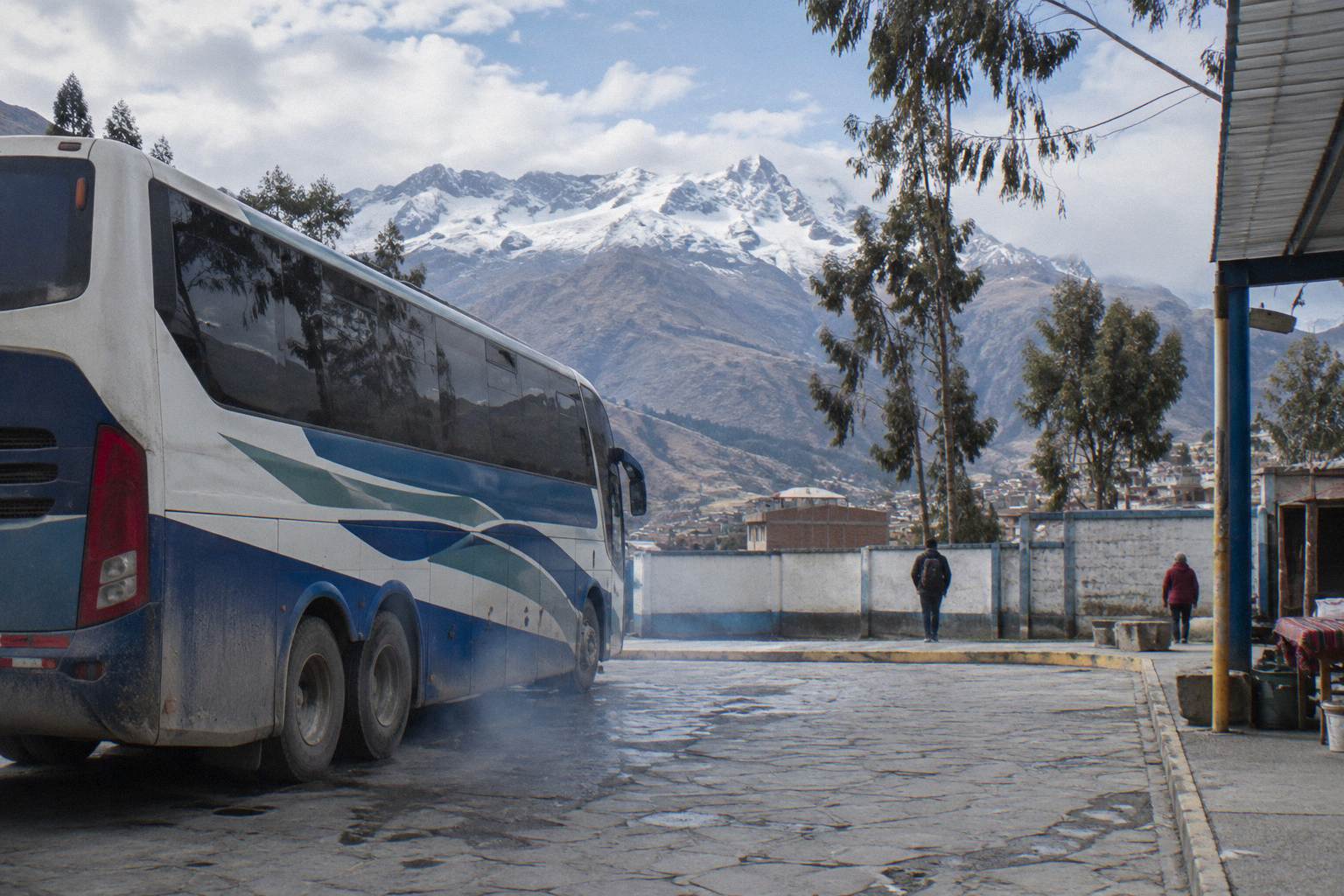
No, no through-service from Rio de Janeiro to Lima appears on any operator or official page this publisher can cite. The trip exists only as a chain of separate tickets you assemble yourself, since nothing names a company selling the whole route, a fare, or a total duration; the documented material covers just the Peruvian end, with crossings from Bolivia, domestic tickets, and government advice shaping each leg.
The question is a real one that travellers ask, and it deserves a straight answer rather than a confident yes built on guesswork. A reader searching for a Rio to Lima bus is weighing an overland trip across South America, and the decision hinges on three separate problems: how to get out of Brazil by land, how to cross into Peru through Bolivia, and how to cover the long Peruvian legs once inside the country. Each problem has a different quality of information behind it.
On the Brazil side, silence is the honest report. No bus operator page, border post page, or official schedule available to this publisher describes a service from Rio de Janeiro toward Peru, and no distance or duration figure for the full Rio to Lima route can be responsibly printed. Anyone planning that leg needs to ask the operators and the Brazilian and Bolivian consulates directly, and treat anything a forum or blog claims as a starting point rather than a fact.
The Peruvian end is a different matter. Peru's transport ministry and migration authority publish real information about the border posts at Kasani and Desaguadero, the consumer body INDECOPI publishes ticket rules, and SUTRAN, the national transport regulator, runs a road-alert map and a vehicle lookup. There are also bookable domestic tourist buses covering the classic southern route, with ratings, durations, and drop-off points on their listings. The rest of this article works through the chain leg by leg, from the border to Cusco.
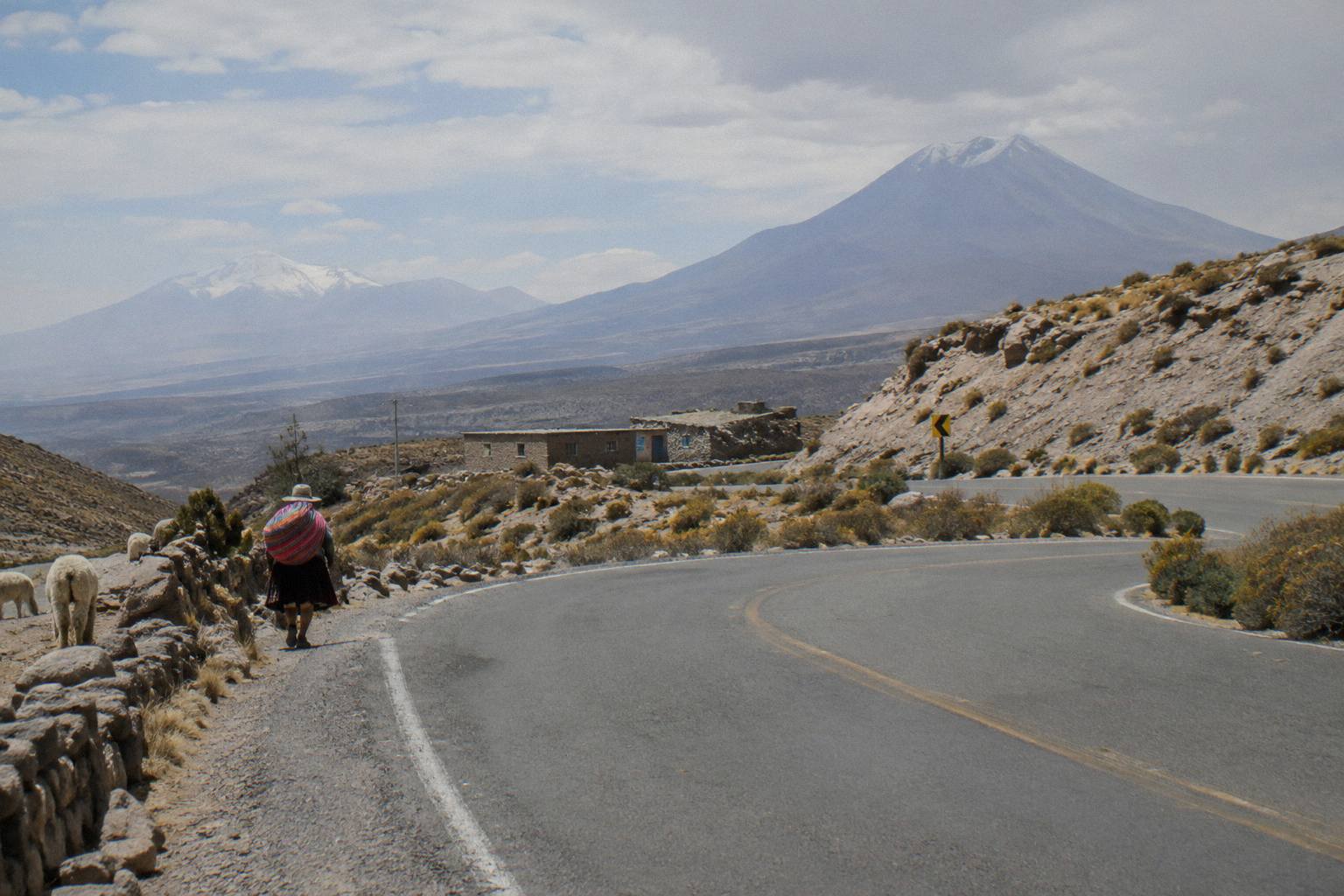
For context on how the domestic network fits together once you are inside Peru, the southern Peru bus circuit guide lays out the Lima, Paracas, Arequipa, Puno, and Cusco chain that most overland travellers follow, and the Peru bus safety guide covers the practical habits that matter on long highland rides. Both matter to a reader arriving from Bolivia, because the final legs of a transcontinental trip are the ones with the best information and the easiest bookings.
How Would An Overland Route From Brazil Even Work?
A realistic chain runs from Rio de Janeiro into Bolivia on Brazilian buses, across Bolivia to Copacabana or Desaguadero on the lakeshore, and into Peru at Kasani or Desaguadero, before Peruvian buses take you north through Puno toward Arequipa or Cusco. The Kasani and Desaguadero border posts appear on Peru's official migration pages, buses from Puno onward are bookable, and only the Brazil and Bolivia legs need checking operator by operator.
Breaking the project into legs is not a rhetorical trick, it is how the journey would actually be bought. No page available to this publisher sells a Rio to Lima ticket, so every segment means a separate operator, a separate terminal, and in at least two cases a separate border procedure. That has planning consequences: a missed connection in Bolivia does not strand you on a single ticket, but it also means no operator is responsible for getting you the rest of the way.
The Bolivia crossing is the hinge of the route. Peru's migration authority, Migraciones, describes the Kasani post as sitting in the district of Yunguyo and connecting Peru with the Bolivian town of Copacabana, with the post roughly 10 km from Copacabana itself. Desaguadero is the other major crossing, described on official pages as lying 25 metres from the Desaguadero bridge. Copacabana is the crossing that pairs best with the lake route toward Puno, and the free-flow drive estimate for Puno to Copacabana is 142 km and 2.5 hours, a figure that excludes any border wait and is not a bus timetable.
Once inside Peru at either post, the practical question becomes how to reach Puno and then Cusco. The free-flow drive estimate for Puno to Cusco is 387 km and 6.2 hours, and real tourist-bus services turn that corridor into a full-day ride with stops. That is the leg where a bookable ticket with a real rating and a real duration exists, which is why this article keeps returning to it. For the broader picture of what the Peruvian south looks like on the ground, the delays, strikes, and rainy season guide explains how roadblocks and weather can interrupt exactly this kind of multi-leg itinerary, and it applies to anyone crossing in from Bolivia with a fixed onward plan.
One more reality check belongs here. The UK FCDO states that "Political protests in Peru are unpredictable and can escalate quickly. Demonstrations can become violent and lead to roadblocks, travel disruption, including trains, and suspension of immigration services at land borders." A reader attempting a five-leg overland crossing should read that sentence as a planning input, not background noise, because immigration suspension at a land border is the exact scenario that breaks an international bus chain.
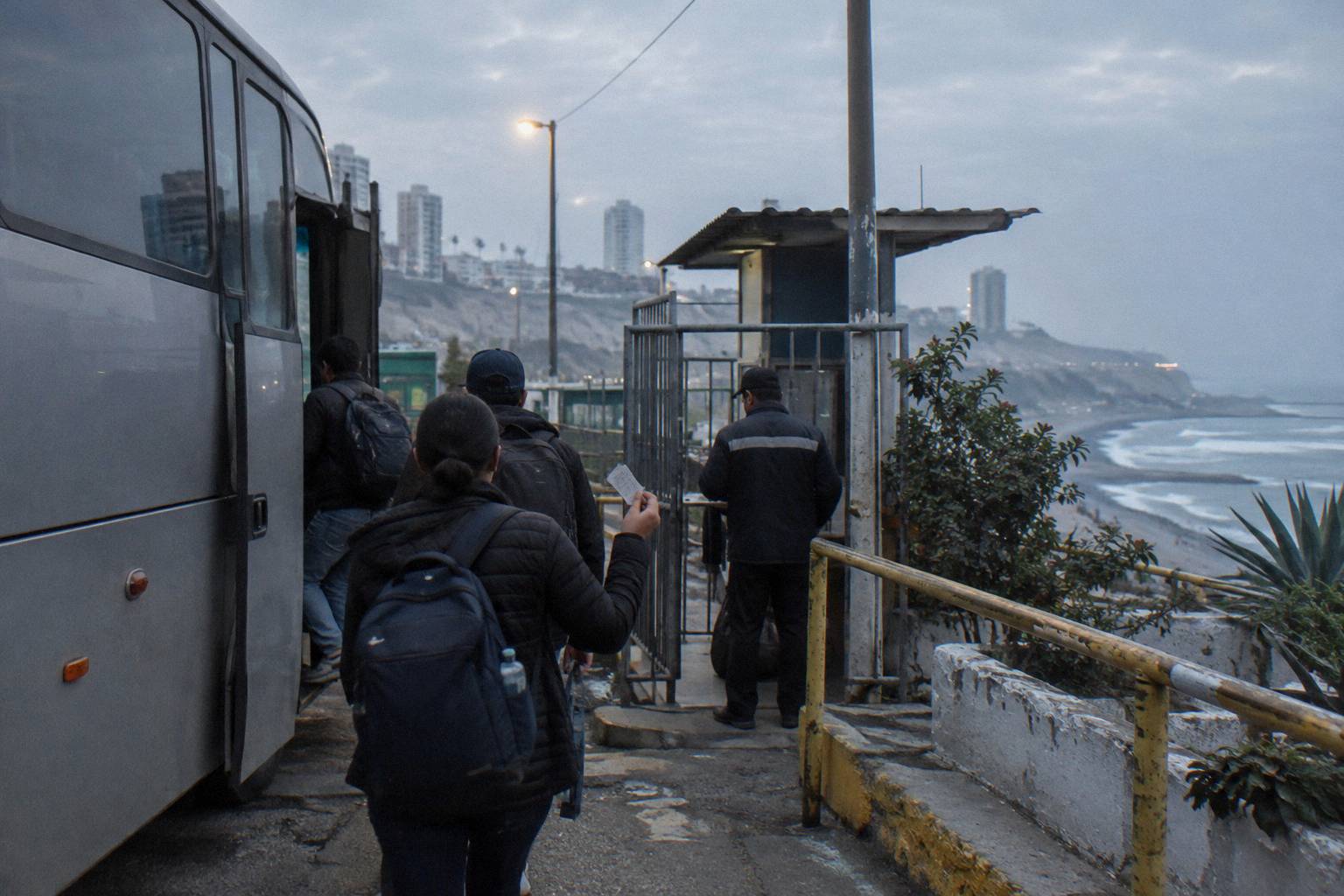
What Is Confirmed At The Peru-Bolivia Border Crossings?
Official Peruvian pages describe two crossings from Bolivia into Peru: Kasani in the Yunguyo district, which connects to Copacabana, and Desaguadero near the bridge of the same name. Peru also confirms the Tarjeta Andina de Migracion (TAM) card is obligatory for entering and leaving CAN member countries, though fixed year-round hours are not published and Bolivian visa rules vary by nationality, so verify both before committing to a date.
The border is where a Rio to Lima plan either becomes concrete or falls apart, so it deserves its own careful look. Peru's official pages give real, citable detail on the posts themselves, but they stop short of the guarantees a planner wants: fixed hours, visa certainty, and a description of the Bolivia-side procedure. The gaps are not hidden, they are simply not answered by the sources, and the responsible move is to say so plainly.
| Border post | What official pages state | What must be checked directly |
|---|---|---|
| Kasani, Yunguyo district | Connects Peru with Copacabana in Bolivia; Migraciones describes the post and its district; roughly 10 km from Copacabana | Year-round hours; Bolivia-side procedure; visa requirement for your nationality |
| Desaguadero | Post described as 25 metres from the Desaguadero bridge | Hours on your travel date; whether the border is affected by any strike action |
| TAM card | Peru states the TAM is an obligatory migration control document for CAN countries and is used entering and leaving | Ask at the post whether a paper form is issued there, as printed-form suppression is documented at Lima airport and cruise ports only |
On the TAM card specifically, Peru's official page describes it as a control and statistical document of obligatory use for entering and leaving the territories of the CAN countries, and notes that Peru says it is received on entering Bolivia, Colombia, or Ecuador. The same page documents the virtual TAM replacing paper at Jorge Chavez airport and cruise ports. What it does not document is the paper-form procedure at land posts, so the instruction to travellers is to ask at the post, full stop.
Visas are the other open variable. A Bolivian foreign-ministry notice exempts some nationalities from visas and describes implementation as gradual, and no page available here confirms any single nationality's standing at the Kasani or Desaguadero posts. The only responsible instruction is to check with the Bolivian consulate for your passport before building an itinerary around the crossing. The same applies to Brazil's entry rules for your nationality, which sit outside the scope of any Peruvian source.
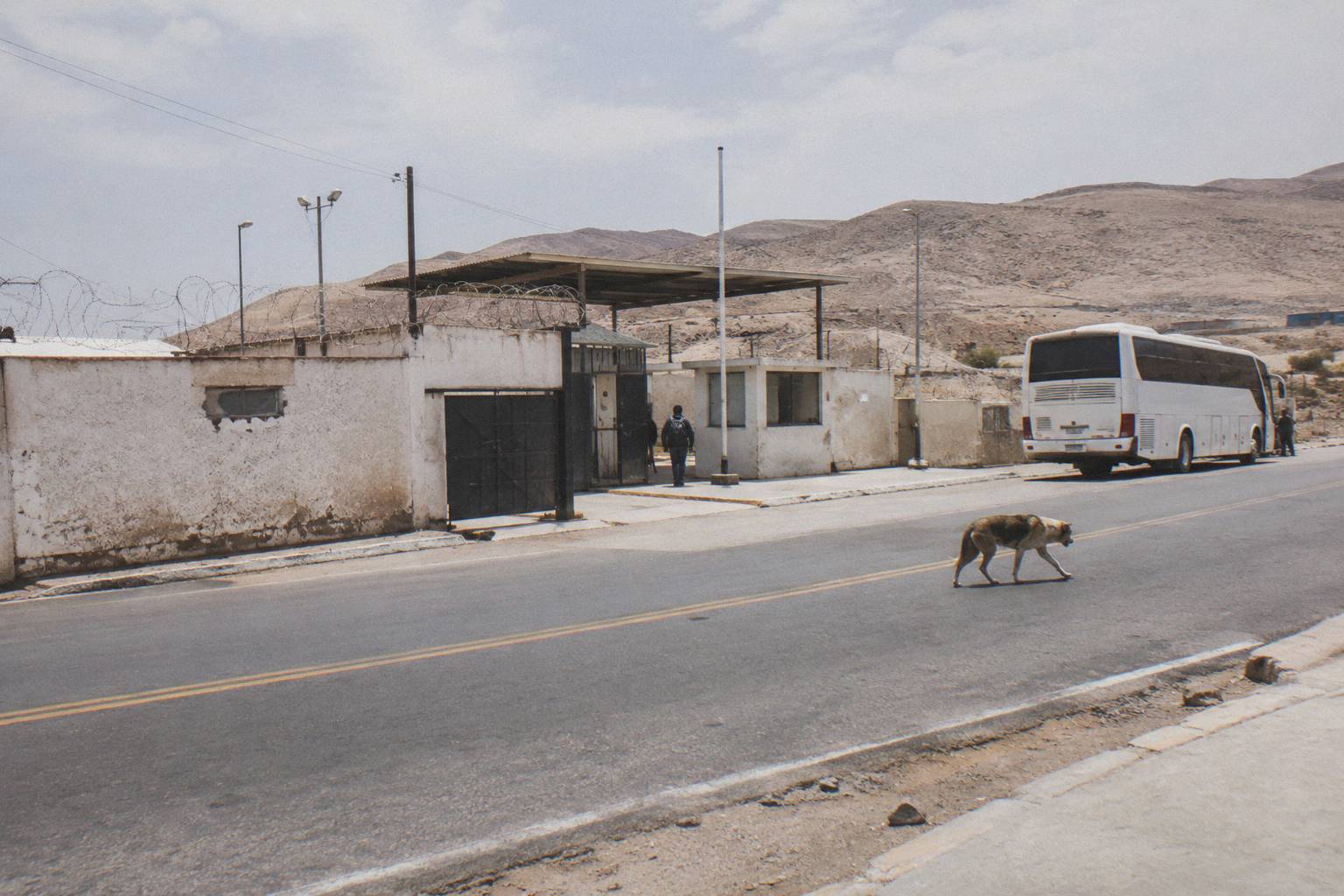
Disruption at these crossings is a documented pattern rather than a hypothetical. The Government of Canada's Peru advice states that strikes "could also lead to border closures, including with Bolivia," and the FCDO notes that demonstrations can lead to "suspension of immigration services at land borders." Both advisories, linked below, belong on the reading list of anyone whose whole plan depends on one border post opening on one specific day. Building a spare day either side of the crossing is the practical response.
The official pages behind these claims are worth opening directly: the FCDO's Peru safety and security advice carries the protest and border-disruption language, and Peru's own TAM card page carries the migration-card rules. Nothing on either page promises a smooth crossing; both describe systems with real failure modes, which is exactly the information an overland planner needs.
Which Bus Tickets Cover The Peruvian Legs?
Three tourist-bus tickets cover the Peruvian legs of the southern chain: Puno to Cusco (4.6 across 24 reviews, lunch stop, 11-hour listed duration), Arequipa to Puno (4.3 across 20 reviews, 160-degree recline sleeper seat, 7-hour listed duration), and Lima to Paracas (4.2 across 62 reviews, 3-hour listed duration). None prints a stable price; the live listing carries the fare.
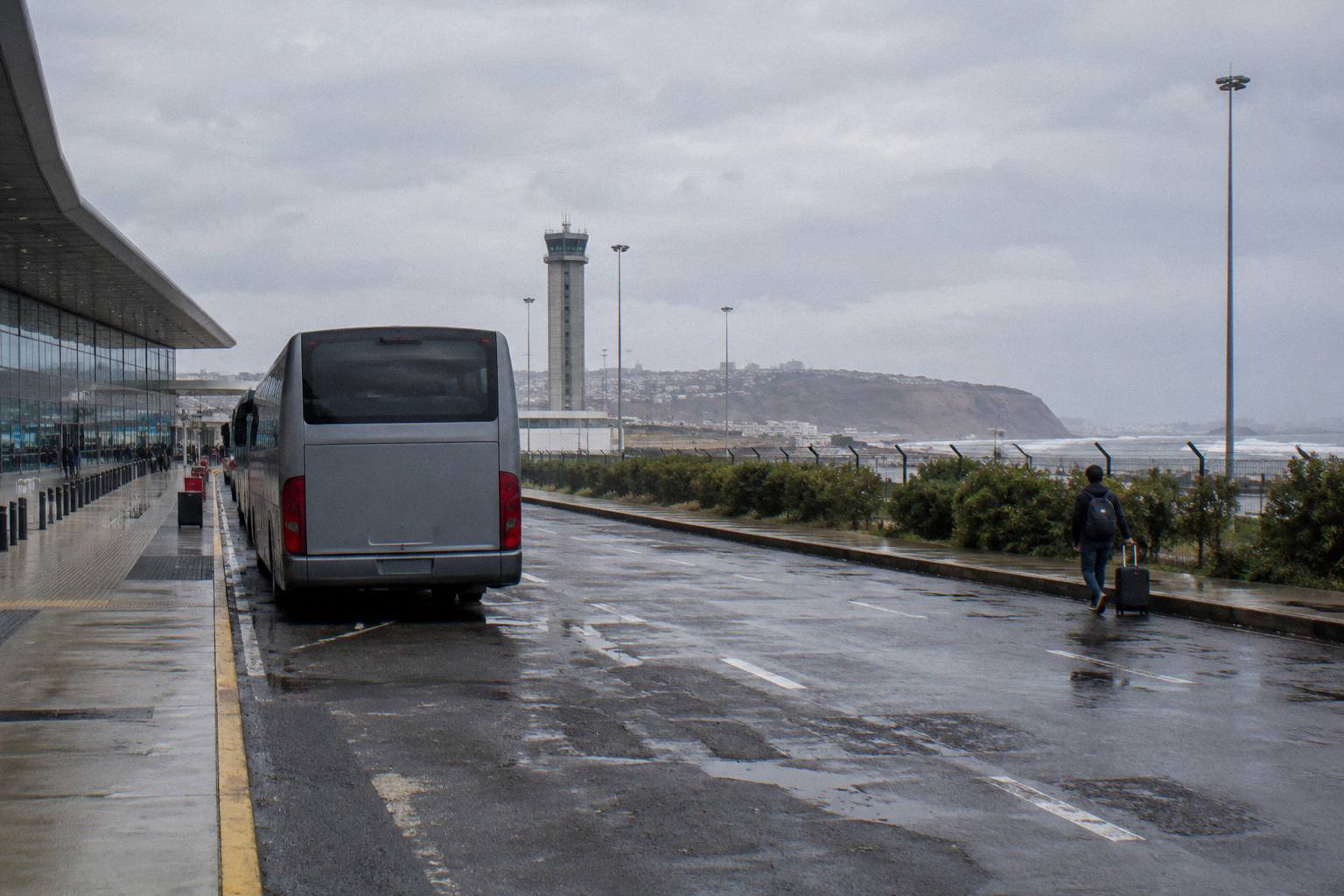
Once the border is behind you, the quality of information jumps. These are real products with real review pools, stated durations, named drop-off points, and cancellation terms, and they turn the vague idea of "getting across Peru by bus" into three specific purchases. They also illustrate the trade-offs a long-haul overland traveller faces: daylight sightseeing versus overnight distance, and lunch stops versus sleeper seats.
The Puno to Cusco tourist bus with a lunch stop, operated by Turismo Mer, is the natural anchor for anyone arriving from Bolivia, Check availability. The listing gives 11 hours, names an all-you-can-eat lunch stop, and ends at the Terminal Privado Turismo Mer in Cusco. Its 4.6 rating across 24 reviews is the strongest of the three, and its free-cancellation term, up to 24 hours before for a full refund as listed, matters for a traveller whose border arrival date might shift.
The sleeper alternative shows the other end of the chain. The Turismo Mer direct sleeper from Arequipa to Puno is rated 4.3 across 20 reviews, the listing gives 7 hours, and it names a 160-degree recline seat on a night service. The listing also marks the terminal boarding fee as not included, so check the boarding-fee line on the listing before budgeting. For a reader assembling a multi-day route, the sleeper covers ground overnight while the lunch-stop bus turns the same corridor into a full day.
The Lima leg completes the picture. The Wayki Bus one-way from Miraflores to Paracas, rated 4.2 across 62 reviews, is a tourist bus picking up in Miraflores and Barranco and dropping at El Chaco in Paracas, with the listing giving 3 hours, against a free-flow drive estimate of 251 km and 3.5 hours for the pair. A separate listing by another operator offers the same direction with hotel pickup from US$18 per person, and it stands as its own alternative with its own basis rather than a merged claim.
| Ticket | Operator | Direction | Listing duration | Rating and reviews |
|---|---|---|---|---|
| Bus from Puno to Cusco with all-you-can-eat lunch | Turismo Mer | Puno to Cusco, one way | 11 hours | 4.6 across 24 reviews |
| Direct sleeper bus from Arequipa to Puno | Turismo Mer | Arequipa to Puno, one way, night | 7 hours | 4.3 across 20 reviews |
| One-way bus from Miraflores, Lima to Paracas | Wayki Bus Peru | Lima to Paracas, one way | 3 hours | 4.2 across 62 reviews |
Every duration in that table is the product's own listed figure, not a promise about any given day, and every rating carries its review count so the pool size is visible. Three reviews would be a weak signal; 62 is a real one, though a modest one. Free cancellation up to 24 hours before, as listed on each of the three, is the practical safety net that makes chaining them onto an international itinerary tolerable.
What Do Government Advisories Say About Long Bus Journeys?
Four government sources advise caution on Peruvian intercity buses, with the UK FCDO stating "Bus crashes are common, especially at night. Only use reputable transport companies, and where possible, avoid overnight travel, especially in mountainous and remote regions," and Canada advising readers to "Avoid taking buses and coaches at night." Smartraveller reports "Robberies and assaults occur frequently on intercity buses, including while passengers are sleeping." None of the four says bus travel is safe, and this publisher does not either.
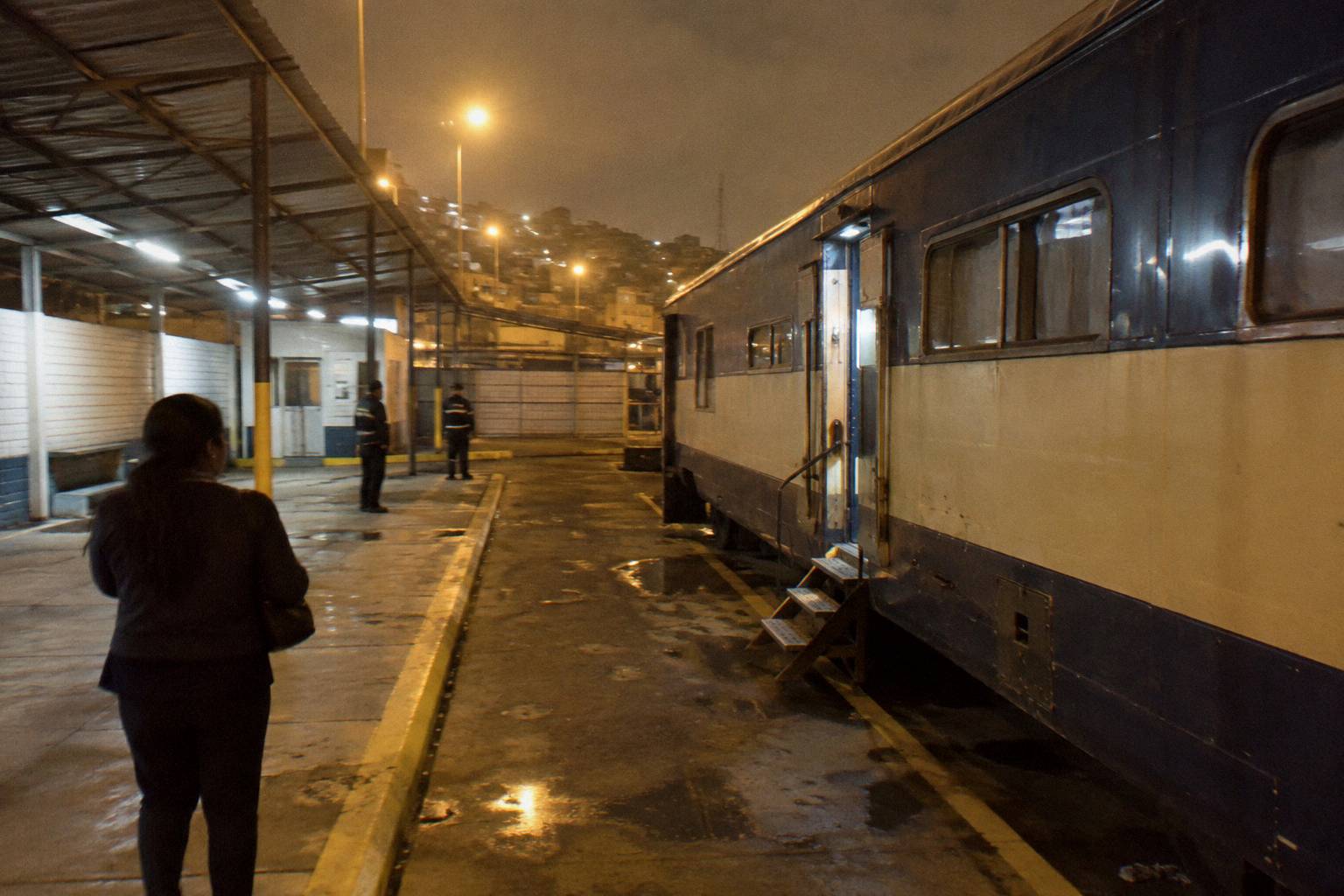
A transcontinental overland trip is, by construction, a long series of intercity bus journeys, so the advisory language applies to it with full force. It is worth reading the exact sentences rather than a paraphrase, because the specifics, night travel, sleeping passengers, terminal taxis, and roadblocks, each suggest a different countermeasure. The FCDO also warns "There is a risk of robbery by criminals posing as taxi drivers, especially at Jorge Chavez International Airport and bus terminals," and advises readers to "use one of the taxis registered at bus terminals" and "on bus journeys, keep your passport with you."
The US Embassy in Lima republishes the State Department advisory at Level 2, "Exercise Increased Caution," and notes that "Criminal groups sometimes set up roadblocks to rob people in areas outside of Lima." The same page states that U.S. government employees "may travel at night with commercial bus companies along the Pan-American Highway, to Huaraz, and on the Lima-Arequipa-Cusco corridor," a sentence that shows which corridors the U.S. government treats as workable at night for its own staff. Canada's advice adds "Remain particularly vigilant at bus terminals and in taxis" and "Only use authorized cabs located inside airport terminals and bus stations."
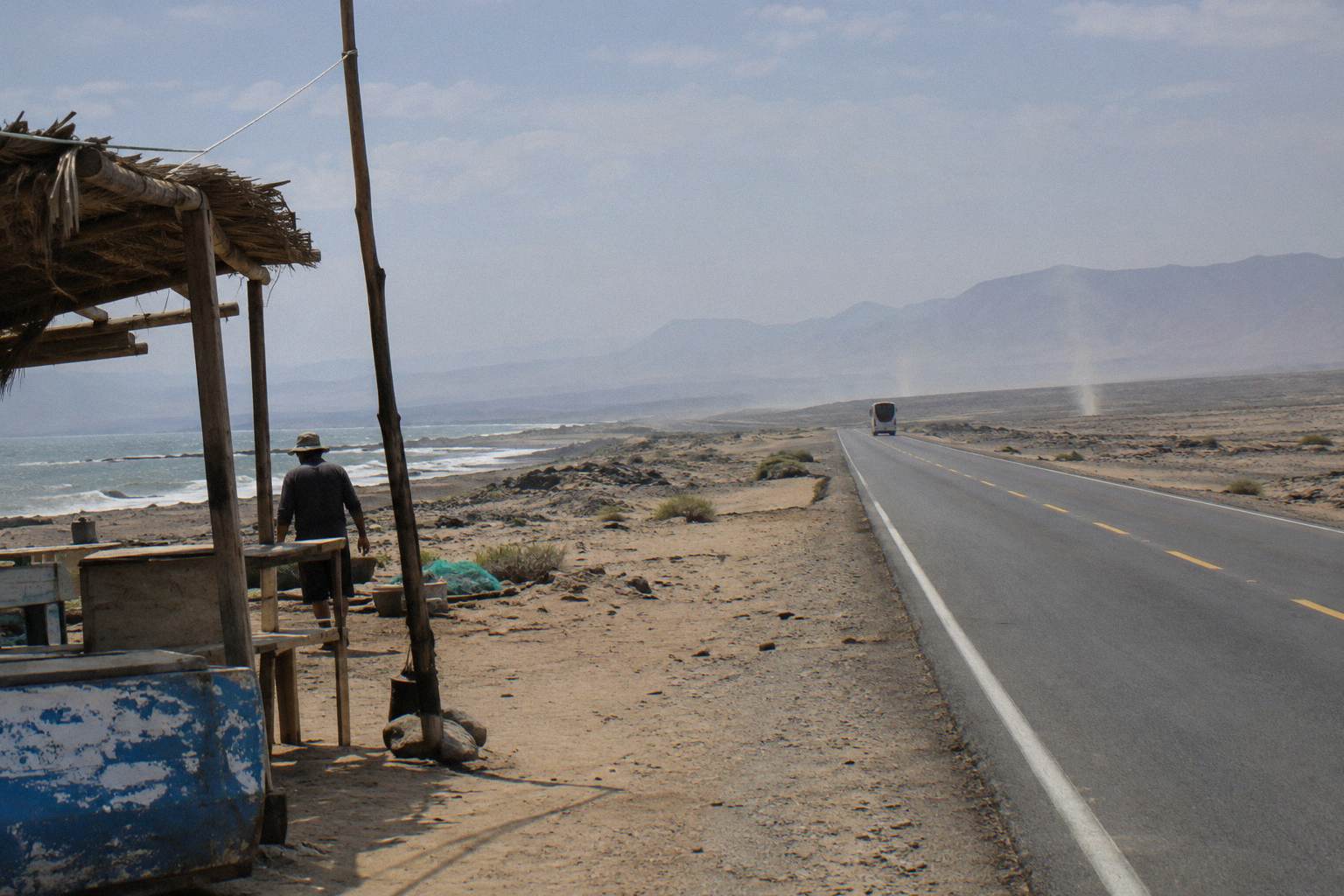
The sources to open yourself are the Government of Canada's Peru travel advice and the Australian Smartraveller page on Peru, alongside the FCDO page already linked above. Read together, they do not forbid bus travel; they describe a specific set of risks with specific behaviors attached, from registered terminal taxis to daytime travel on main roads. A reader crossing a continent should treat those behaviors as the baseline for every leg, not just the Peruvian ones.
There is also a seasonal layer. The FCDO states: "Through late 2026 to April 2027, the El Nino weather event is expected to generate heavy rainfall, possible flooding, landslides, and mudslides, especially in, but not restricted to, the northern and central coast. These could cause travel disruption, such as road closures." That is a verbatim advisory sentence with a period in it, and it matters to anyone timing a coast-hugging leg of a long overland route. The same advisory names recent protest activity in Arequipa, Ayacucho, Cusco, La Libertad, Madre de Dios, and Puno, a list that covers most of the southern route a Bolivia arrival would follow.
What Should You Check Before Committing To An Overland Trip?
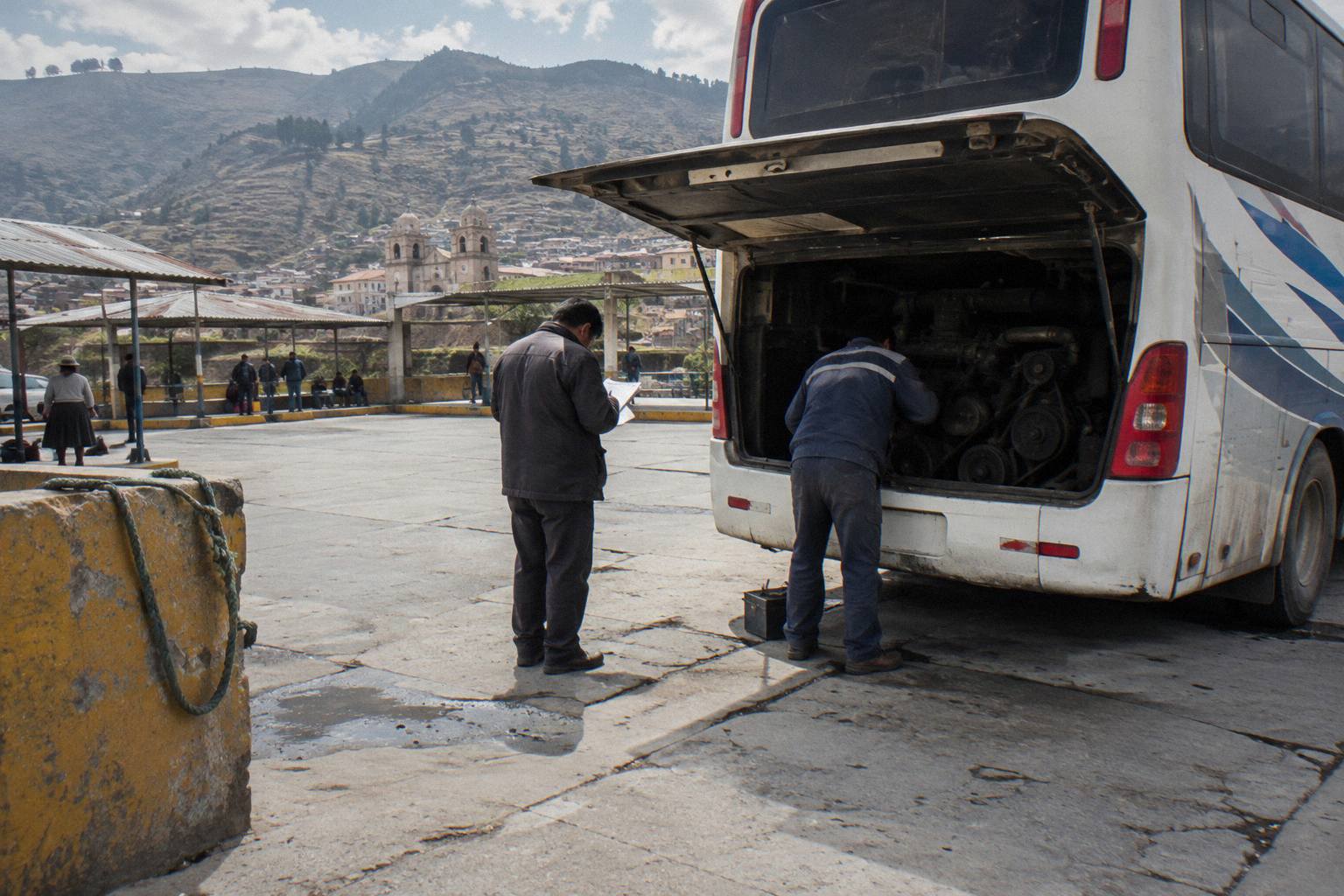
Before committing, check three things with primary sources: the SUTRAN road-alert map for closures and restrictions on your exact legs, the Bolivian consulate for your nationality's visa standing, and the live listing of every bus ticket for its fare, boarding point, and cancellation line. SUTRAN also runs a public lookup that lets anyone check a bus and its driver by plate number or driver DNI, which is worth doing before any long ride in Peru.
The checking tools are free and public, which makes skipping them hard to defend. SUTRAN's alert map shows closed roads in red, restricted roads in yellow, and open roads in green, and its causes include natural events, accidents, infrastructure damage, and what it terms the human factor, which covers blockades from social protest. The map is the single best pre-departure check for a Peruvian leg, and a 24-hour WhatsApp line backs it up. SUTRAN's separate vehicle lookup answers a different question: whether the specific bus and driver hold current papers, checked by plate or driver DNI.
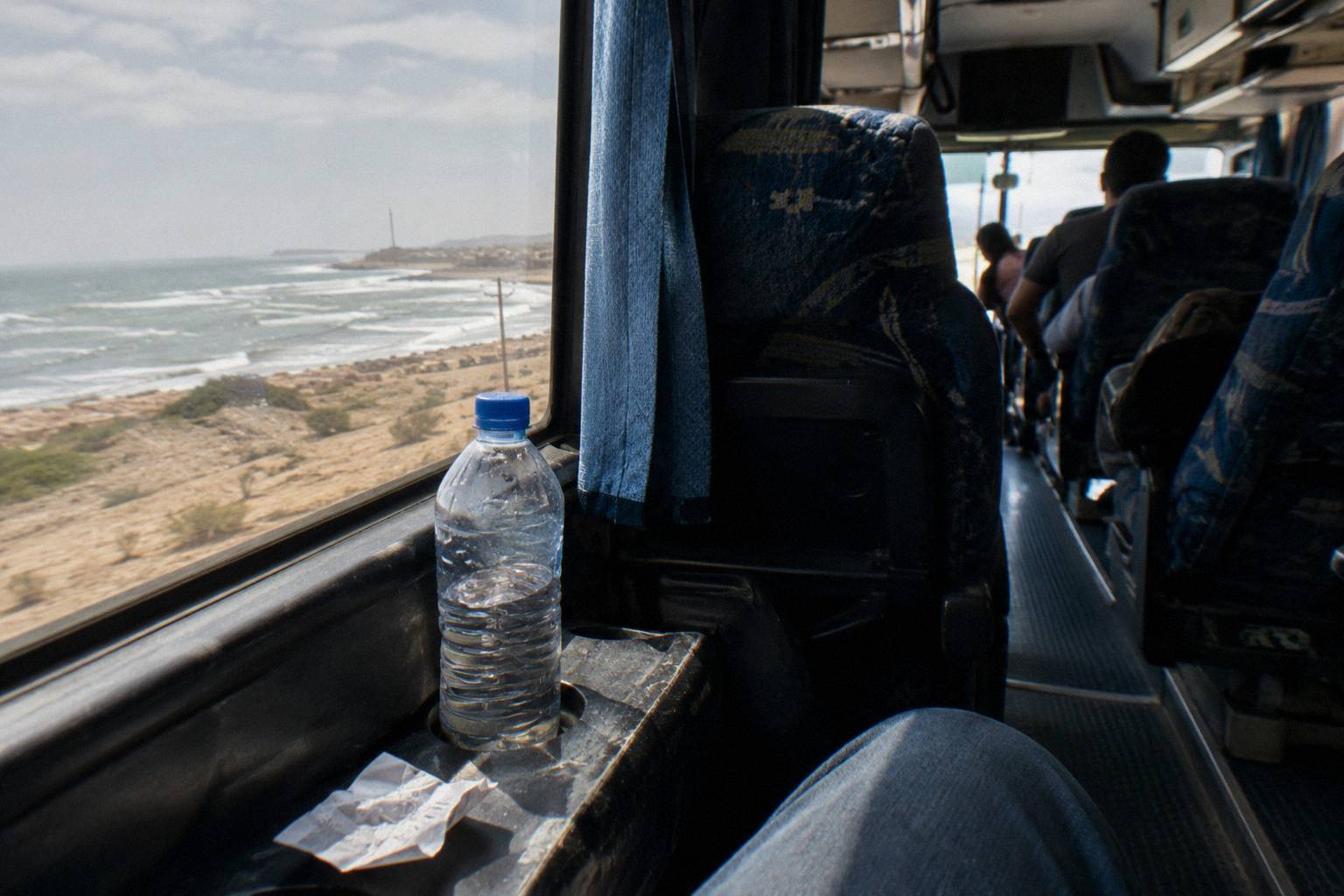
Consumer rules matter too. INDECOPI, Peru's consumer body, states that a domestic bus ticket can be postponed or transferred with 24 hours notice at only the real cost of reissuing, with no penalty. That rule turns a rigid-looking chain of Peruvian tickets into something more forgiving when a border or a roadblock moves your dates. Complaints about a carrier go first to the company's Libro de Reclamaciones and then to INDECOPI's Reclama Virtual portal if unresolved.
Assembling the whole picture, the honest plan for a Rio de Janeiro to Lima journey looks like this: confirm the Brazil and Bolivia legs directly with operators and consulates, cross at Kasani or Desaguadero with visa and TAM questions already answered, build slack around the border for closures and strikes, buy the Peruvian legs as separate tickets with free-cancellation terms, and run the SUTRAN map the day before each departure. That is not a through-ticket, but it is a real, checkable route, and every part of it that can be sourced has been sourced here. The parts that cannot, above all the Brazil leg, are labelled as open questions rather than dressed up as answers.
For readers whose appetite for long overland planning outstrips one article, Peru By Bus carries route-by-route guides, class and luggage explainers, and border-crossing pages for every direction the network runs. The transcontinental dream starts, in practice, with the first domestic leg, and that leg is the one with the best information.
Common Questions About Buses From Brazil To Peru
Can You Take A Bus From Rio De Janeiro To Lima?
No through-service or through-ticket appears on any operator or official page this publisher can cite. The journey exists only as a chain of separate legs: Brazilian buses into Bolivia, a crossing at Kasani or Desaguadero into Peru, and Peruvian carriers onward from Puno. The Brazil and Bolivia legs must be checked directly with operators and consulates.
Which Border Posts Connect Bolivia To Peru By Land?
Peru's migration authority describes Kasani in the Yunguyo district, connecting to Copacabana and roughly 10 km from it, and Desaguadero, described as 25 metres from the Desaguadero bridge. Standing year-round hours are not published as a fixed rule for either post, so check before you go, and note that advisories warn strikes can close the Bolivia border.
Do I Need A TAM Card To Enter Peru By Land?
Peru states the Tarjeta Andina de Migracion is an obligatory migration control document for entering and leaving CAN member countries. The virtual TAM is documented at Lima airport and cruise ports; the paper-form procedure at land posts is not documented either way, so ask at the post when you cross.
How Long Is The Bus From Puno To Cusco?
The Turismo Mer tourist bus listing gives 11 hours for the one-way trip with a lunch stop, and the product is rated 4.6 across 24 reviews. The free-flow drive estimate for the pair is 387 km and 6.2 hours, which real journeys exceed; the 11-hour figure is the listing's own, not a guarantee for any given day.
Is It Okay To Ride Overnight Buses In Peru?
This publisher makes no safety verdict. The UK FCDO states "Bus crashes are common, especially at night" and advises avoiding overnight travel where possible, Canada advises readers to "Avoid taking buses and coaches at night," and Smartraveller reports robberies on intercity buses while passengers sleep. Daytime travel on main roads is the pattern the advisories point toward.
Can I Change A Peruvian Bus Ticket If My Border Crossing Is Delayed?
INDECOPI states a domestic bus ticket can be postponed or transferred with at least 24 hours notice, charging only the real cost of reissuing with no penalty. The tourist buses listed on this page also carry free cancellation up to 24 hours before for a full refund, as listed, which pairs well with an arrival date a border might move.