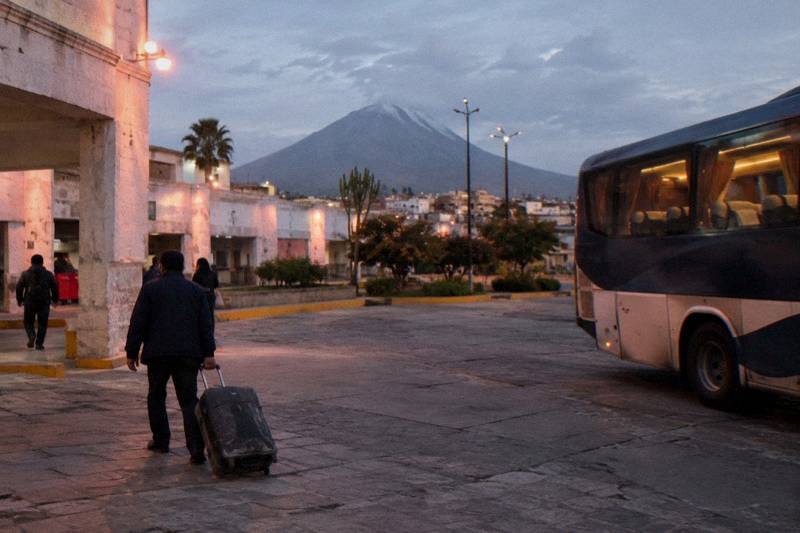
What Is The Best Seat On A Peru Overnight Bus?
A practical guide to choosing a seat on a Peru overnight bus: recline degrees by operator, first versus second level, luggage rules, and what government advice says about sleeping on intercity routes.
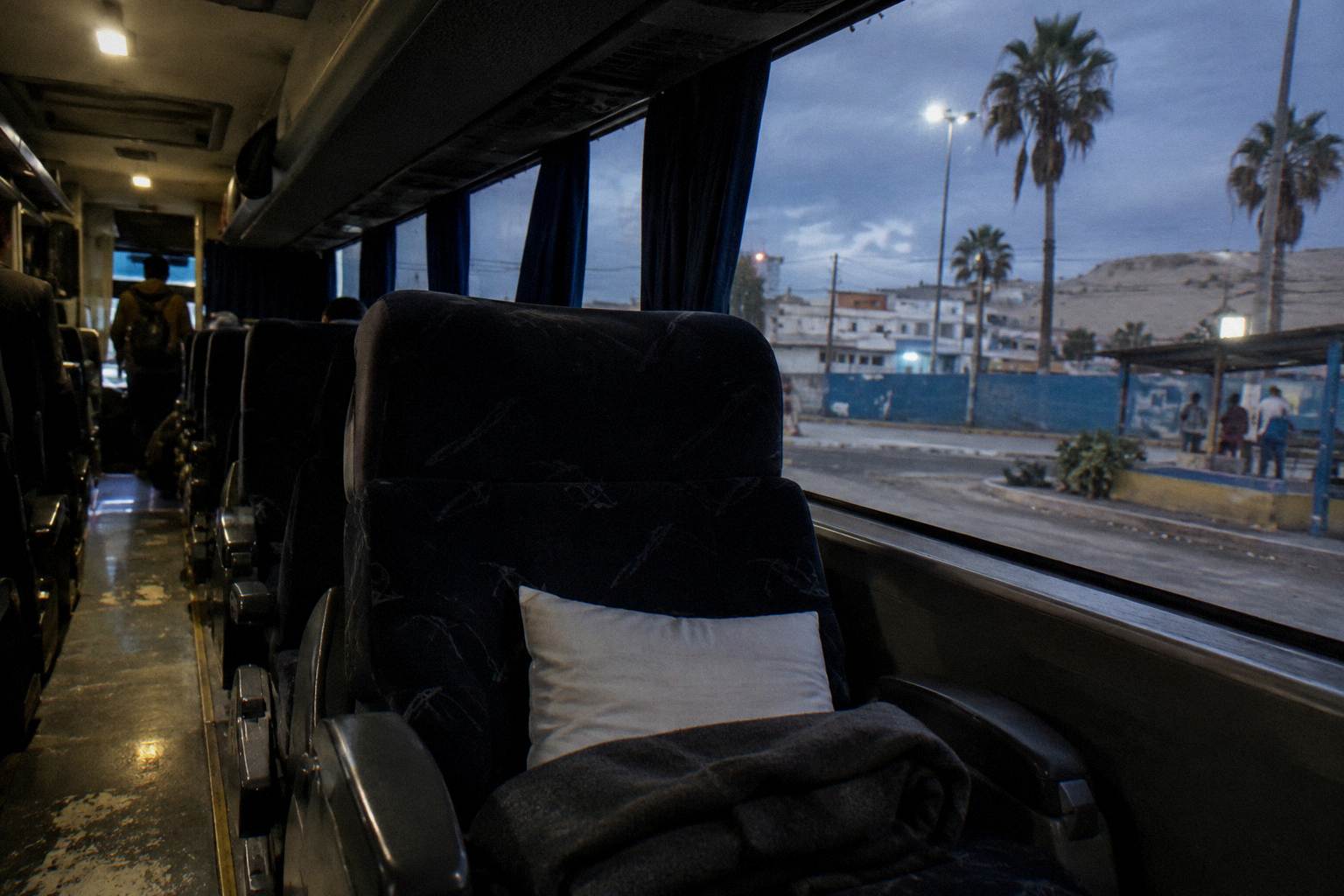
The best seat on a Peru overnight bus is the flattest seat you can book at a position you control: a 160 or 180 degree recline on the level you prefer, away from the toilet, with your day bag in sight. Peru's operators publish recline degrees per class, from 120 degree economic seats to 180 degree full flat beds, so the honest answer starts with the class, then the level, then the row, in that order.
That order matters because the class decides most of the journey. A 180 degree seat turns an overnight leg into a night of sleep regardless of row; a 120 degree seat leaves you choosing between compromises no row can fix. Once the class is set, the level and the row do the rest of the work, and both are knowable before you pay if the booking flow shows a seat map.
This guide works only from what operators themselves publish and what Peru's regulator and foreign governments state. No source ranks seats by crash outcome, and this page does not either. What exists is a set of published seat specifications, published luggage allowances and verbatim government advice about sleeping passengers, and those three things together answer most of the question.
If the overnight leg you are weighing is the southern route from Arequipa to Lake Titicaca, the Direct Sleeper Bus from Arequipa to Puno is the article's worked example throughout: a Turismo Mer sleeper with 160 degree recline, rated 4.3 across 20 reviews, Check availability to see its live listing. For the wider picture of night travel, Peru By Bus carries a full overnight guide alongside this one.
Which Seat Positions Work Best On A Double-Deck Bus?
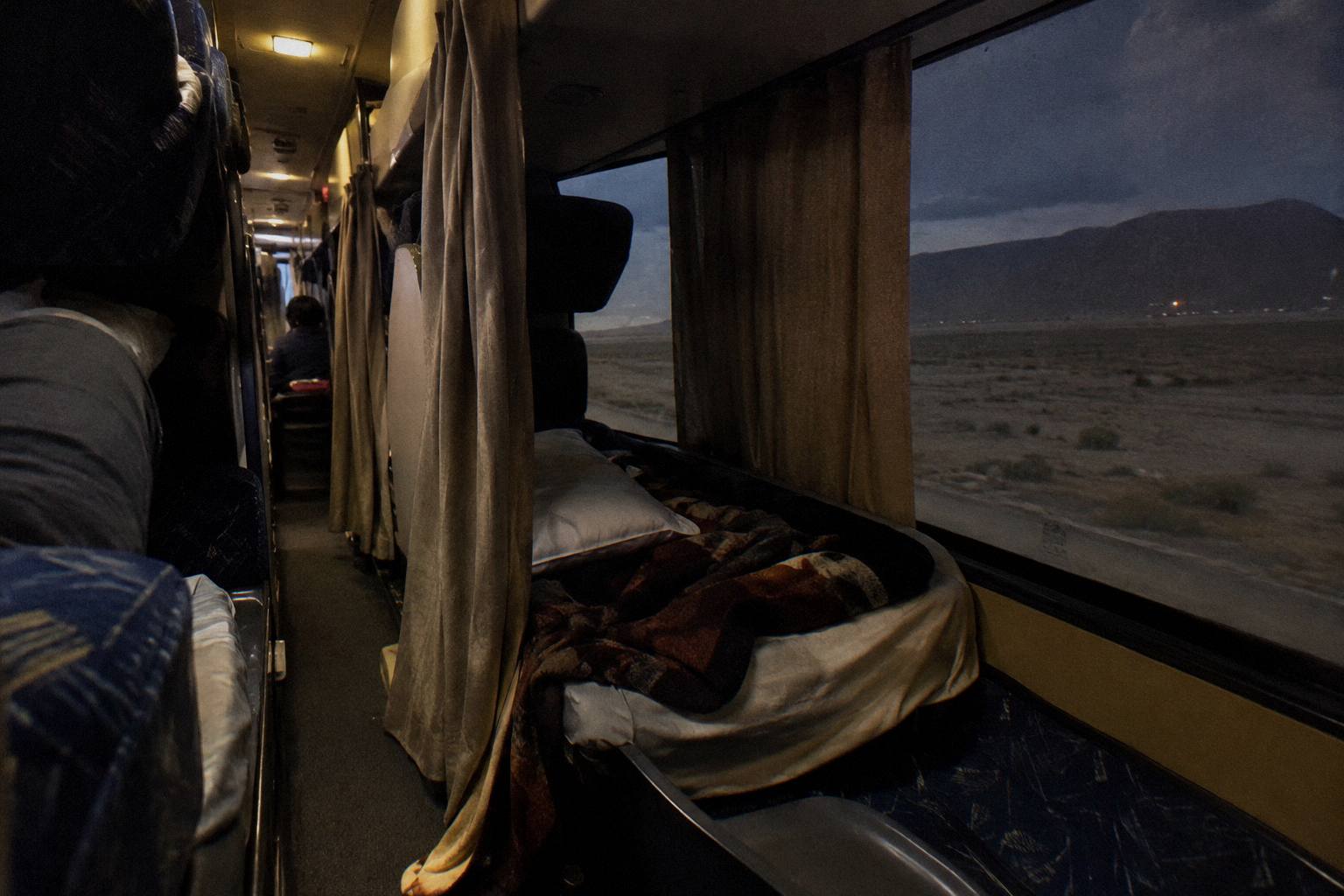
On a two-level bus, the second level rides higher, feels more of the sway and gives a better view; the first level sits lower, nearer the luggage hold and the toilet, and sways less. Neither level is published as safer, and no official source ranks them. The practical choice is motion against convenience: upstairs for quiet and view, downstairs for a steadier ride and quicker exit.
Operators that publish two-level seat plans make the trade explicit. Civa states on its own page that SuperCiva seats recline 160 degrees on the first level and 140 on the second, so the flatter seat is downstairs on that service. Movil Bus states the reverse pattern for its Premier class: 160 degrees on the first level and 180 degree full flat on the second, so the flattest bed is upstairs. There is no universal rule by level; there is only the operator's own seat chart for the class you booked.
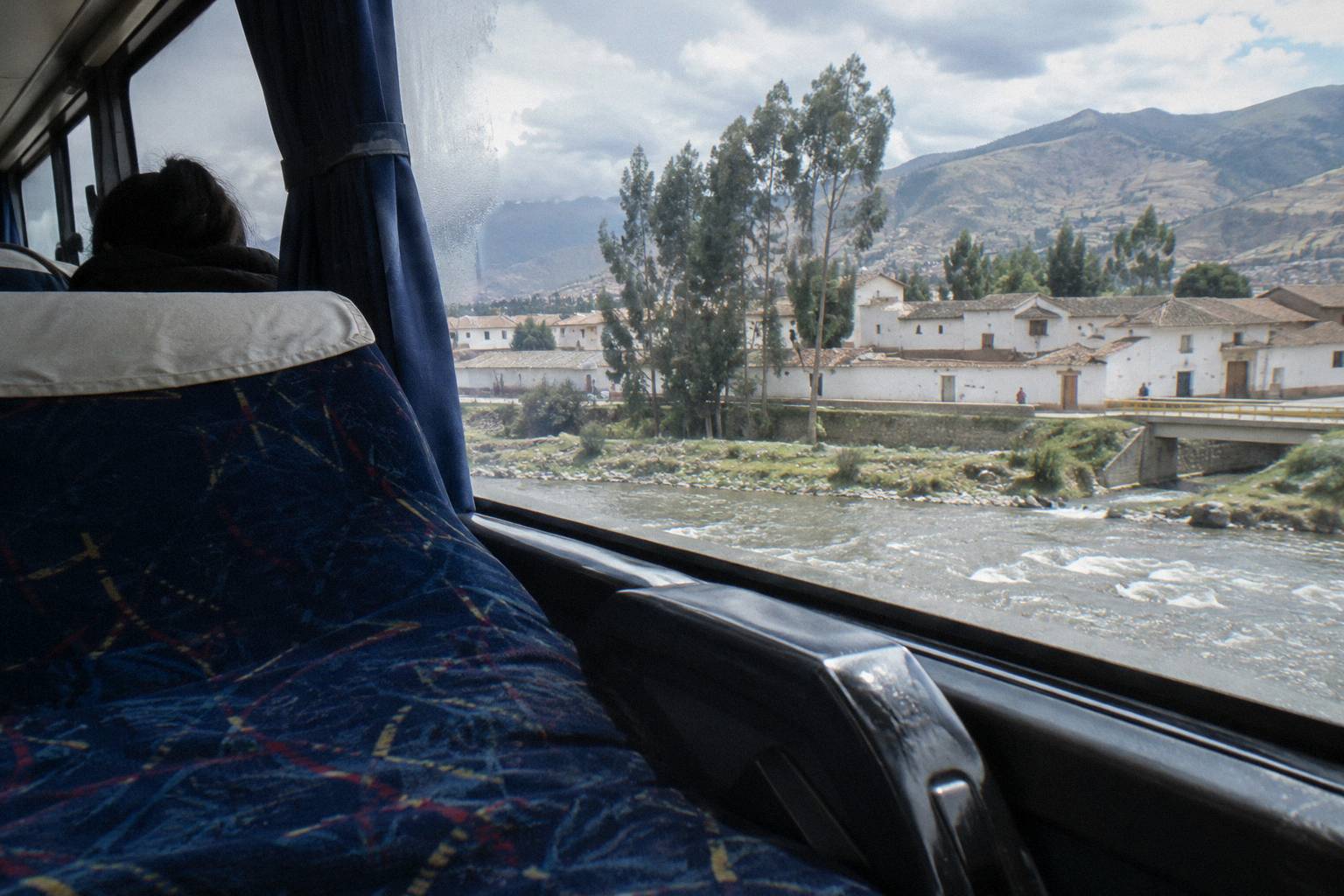
Row position is simpler. Rows over the axles feel less pitch and bounce than rows at the extreme front or back of the saloon. Seats near the toilet trade convenience against door noise and traffic through the night, a trade every overnight rider weighs the same way. Seats at the very front of the top level give the widest view and the most motion. Emergency exit rows can carry fixed or bulky armrests; ask the operator for a seat map before assuming extra legroom, because exit-row rules on Peruvian buses are not published as a standard.
| Operator and class | First level recline | Second level recline | Source |
|---|---|---|---|
| Civa SuperCiva | 160 degrees | 140 degrees | Operator's own page |
| Movil Bus Premier | 160 degrees | 180 degrees full flat | Operator's own page |
| Cruz del Sur Suite (Lima to Cusco) | 160 degrees | Listing does not split by level | Operator's page |
The table shows why the level question has to be asked per service: the two operators that publish a split put their flattest seats on opposite decks. Booking flows that show a live seat map answer this in seconds; where none is shown, the operator's contact channels are the way to confirm which deck your class sits on.
What Does Seat Recline Mean On Peru Buses?
Recline degree is the angle the seat back drops from upright: 180 degrees is a flat bed, 160 degrees is close to flat, 140 and 120 degrees are steep-angled seats that need a pillow for real sleep. Operators publish these figures per class, and the gaps between classes are large enough that the class choice, not the row, decides how you sleep.
Peru's bus classes are named for exactly this. The word cama means bed and marks classes at or near full flat; semi-cama marks the mid-range angles. The vocabulary and the trade-offs are laid out in the guide to Peru bus classes, cama and semi-cama. Published figures from operators' own pages run from Linea's Especial at 145 degrees through Dorado and VIP at 160 to Super VIP at 180 degrees "tipo cama", and from Movil Bus's Economico at 120 degrees up to its full flat 180.
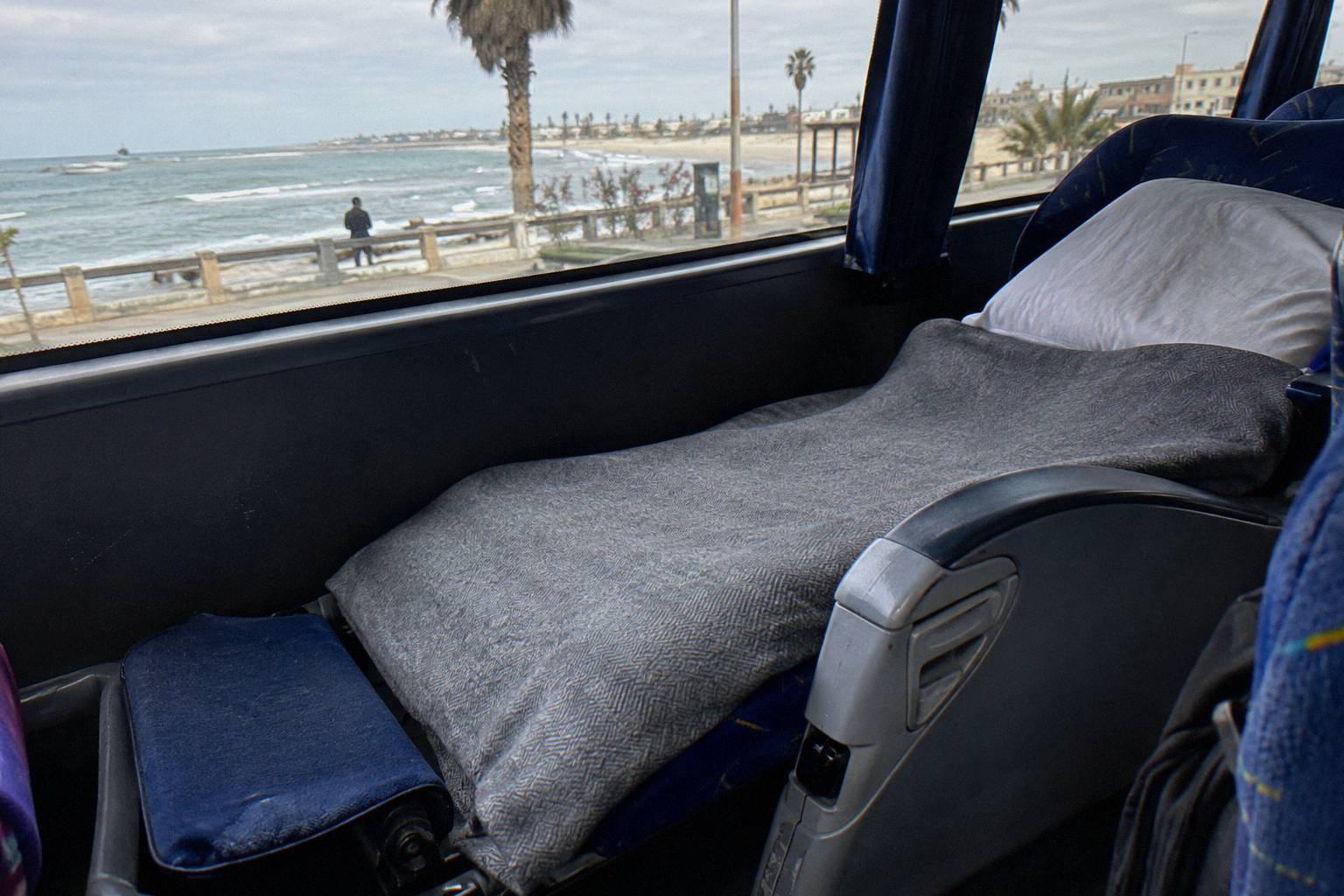
One caution about seats that are not quite flat. A 160 degree seat looks nearly horizontal in a photo and still slopes in practice, so bags and bodies shift toward the footwell on mountain roads. The routes this article's example buses run cross real altitude: Puno sits at 3,848 m per INEI's compendium, and the Arequipa to Puno leg climbs from Arequipa at 2,429 m. Altitude affects sleep more than seat angle for many riders, and the altitude and bus travel guide covers it separately.
Some listings name the seat type outright, which saves the guessing. The Direct Bus Cusco to Arequipa product by World Explorer Peru, rated 3.7 across 16 reviews, names a Cruzero Suite 160 degree seat in its listing; the listing gives 10 hours for the trip. On the sleeper side, the Turismo Mer Arequipa to Puno night bus names its 160 degree recline in the listing, which gives 7 hours.
That listing also illustrates the small print worth reading while seat shopping: its cancellation line offers free cancellation up to 24 hours before for a full refund, and the drop-off is the Arequipa bus terminal. Seat, schedule basis and cancellation terms sit on the same page, and checking all three before choosing the row is the habit worth building.
Does Seat Choice Affect Sleep And Theft Risk?
Government advice links overnight buses to theft from sleeping passengers but names no seat as safer. Smartraveller states: "Robberies and assaults occur frequently on intercity buses, including while passengers are sleeping." The practical responses are the ones the same advice gives: keep your passport and valuables on your body, not in the overhead rack, whatever row you sit in.
That quote is worth reading in full context. Smartraveller also warns of "theft as you sleep on intercity bus routes between Lima, Ica, Nazca and Cusco" and of "bogus roadblocks or checkpoints on roads outside major cities after dark", advice summarised in the Peru bus safety guide. The UK FCDO, in its safety and security section, tells travellers: "on bus journeys, keep your passport with you". None of these pages assigns risk by row, deck or class, and a page that claimed row 5 is safer than row 20 would be inventing a statistic.
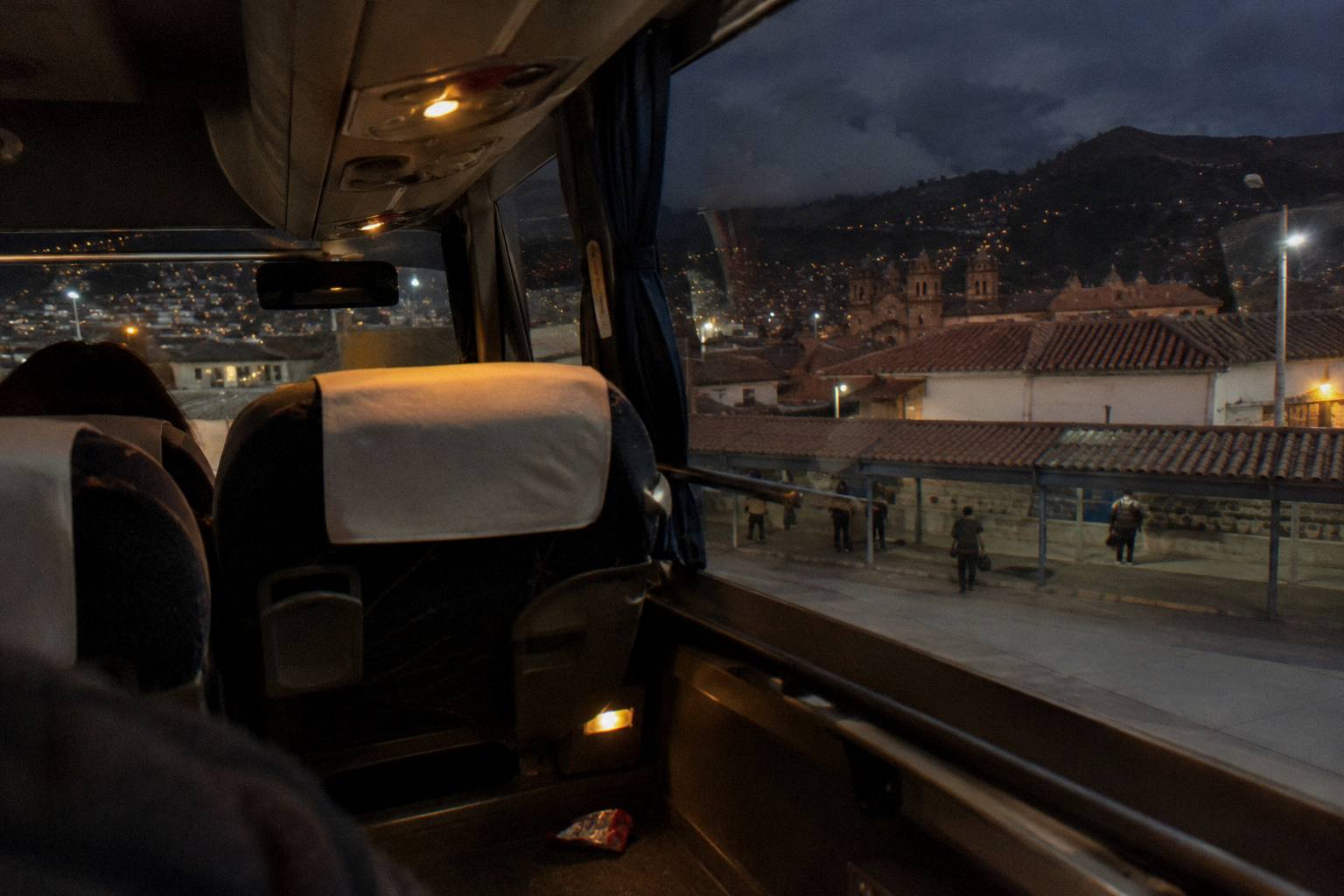
What seat choice can do is manage exposure. An aisle-facing outer pocket is easier for a passing hand to reach than an inner one; a day bag wedged under your knees is harder to lift than one in the overhead rack two rows back. The regulation side supports the same habit: Peru's national transit rules cap hold luggage at 20 kg free on national service, and operators publish their hold-plus-hand splits, summarised in the luggage and theft guide. Anything you sleep with should fit in the hand allowance.
| Operator | Hold luggage | Hand luggage | Stated by |
|---|---|---|---|
| Cruz del Sur | 20 kg | 6 kg | Operator's pages |
| Oltursa | 20 kg | One piece up to 5 kg | Operator's terms page |
| Movil Bus | 20 kg, up to 3 pieces | 8 kg, up to 2 pieces | Operator's pages |
| Linea | 20 kg | Check the operator's page | Operator's terms page |
The numbers say the same thing four times: there is room for a proper day bag at your seat and no reason to sleep with the whole pack in the rack. SUTRAN advises passengers to take a luggage ticket for hold bags, which is a separate protection for checked items and costs nothing to ask for at the counter.
Which Bus Classes Offer The Deepest Recline?
The deepest published reclines in Peru are 180 degrees: Cruz del Sur's 180 degree reclining seats on its /confort/ page, Linea's Super VIP at 180 "tipo cama", and Movil Bus's Premier full flat on the second level. Next come the 160 degree seats, the most widely published figure, including Turismo Mer's sleeper and the Suite class on Cruz del Sur's Lima to Cusco service.
The distribution matters for planning because 180 degree beds are concentrated on specific classes, not spread across a fleet. Cruz del Sur's comfort page lists 180 degree reclining seats alongside a pilot change every 4 hours, permanent medical checks and alcohol tests, DNI control and a metal detector, GPS monitoring, toilets and courtesy Wi-Fi, all stated by the operator. Its Lima to Cusco page adds the Suite seat at 160 degrees with 20 kg hold plus 6 kg hand luggage. Linea's Super VIP 180 runs on a northern network only: Lima, Chimbote, Trujillo, Pacasmayo, Chiclayo, Piura, Huaraz, Cajamarca, Chepen and Jaen, per its route list.
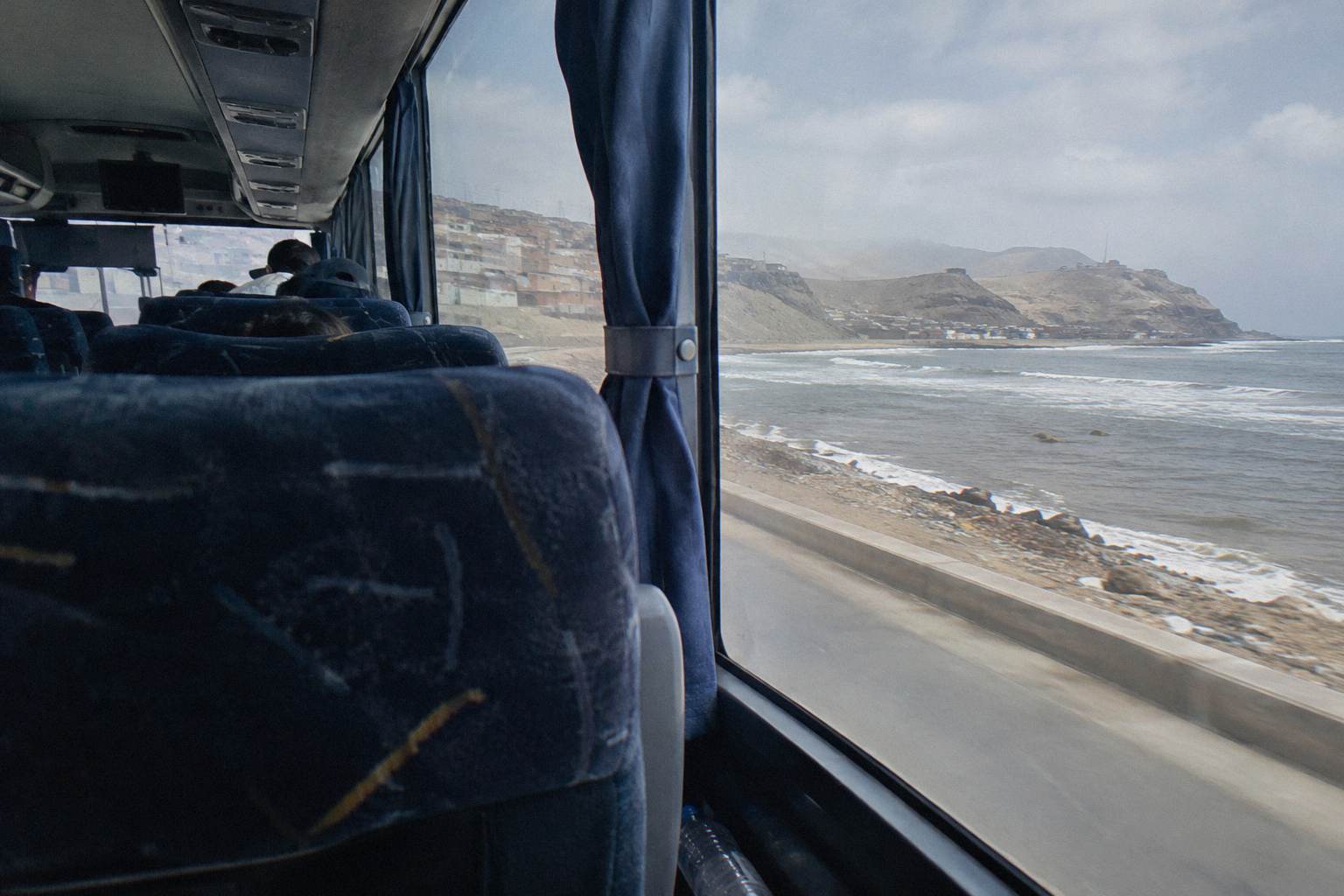
Oltursa sits apart on this question: it sells economico and bus cama VIP classes but states no recline degrees anywhere on its pages, so no figure can be printed here, and its tariffs are marked "referenciales", subject to seasonal change. Civa prints degrees only for SuperCiva. When an operator publishes no degrees, the booking page's seat map and photos are the evidence, and asking the operator directly for the seat specification is fair use of its contact channels. The operator comparison guide holds the full class tables.
The sleeper class deserves a note of its own because it is the closest thing to a hotel bed on wheels in the published specs. The Turismo Mer Direct Sleeper Bus from Arequipa to Puno, rated 4.3 across 20 reviews, lists a 160 degree recline and a night service; its listing gives 7 hours and free cancellation up to 24 hours before. One detail its listing does carry: the terminal boarding fee is listed as not included, so check the boarding fee line on the listing before budgeting. The same operator runs a Puno to Cusco day bus with an all-you-can-eat lunch, rated 4.6 across 24 reviews, which lets a rider split the south circuit into one night leg and one daylight leg.
Splitting night and day legs that way is a seat strategy in disguise: the flat sleeper does the sleeping, and the daytime service gives you the window for the scenery, including the Abra La Raya pass at about 4,300 m per INEI. Riders who try to get both from one ticket end up sleeping through the view or watching through a night they paid a bed for.
How Do You Pick A Seat When Booking?
Pick the class first by published recline, then the level by the operator's own seat chart, then the row: over an axle, away from the toilet, window side for sleeping. Ask the operator for a seat map when the booking flow shows none, print or screenshot your seat, and keep your passport and valuables on your body per the FCDO's advice. That sequence is the whole method.
Booking mechanics support the method. Peru's ticketing rules, per an INDECOPI notice, let a domestic bus ticket be postponed or transferred with 24 hours notice at only the real reissue cost, which makes an early seat choice low risk if plans shift; the complaint and rebooking channel is INDECOPI's Reclama Virtual. Before departure, SUTRAN's bus and driver lookup checks the vehicle and driver by plate or DNI, a thirty-second check worth running the day before a night leg. Road status the same evening is on the SUTRAN alert map, where closed roads show red, restricted yellow and open green.
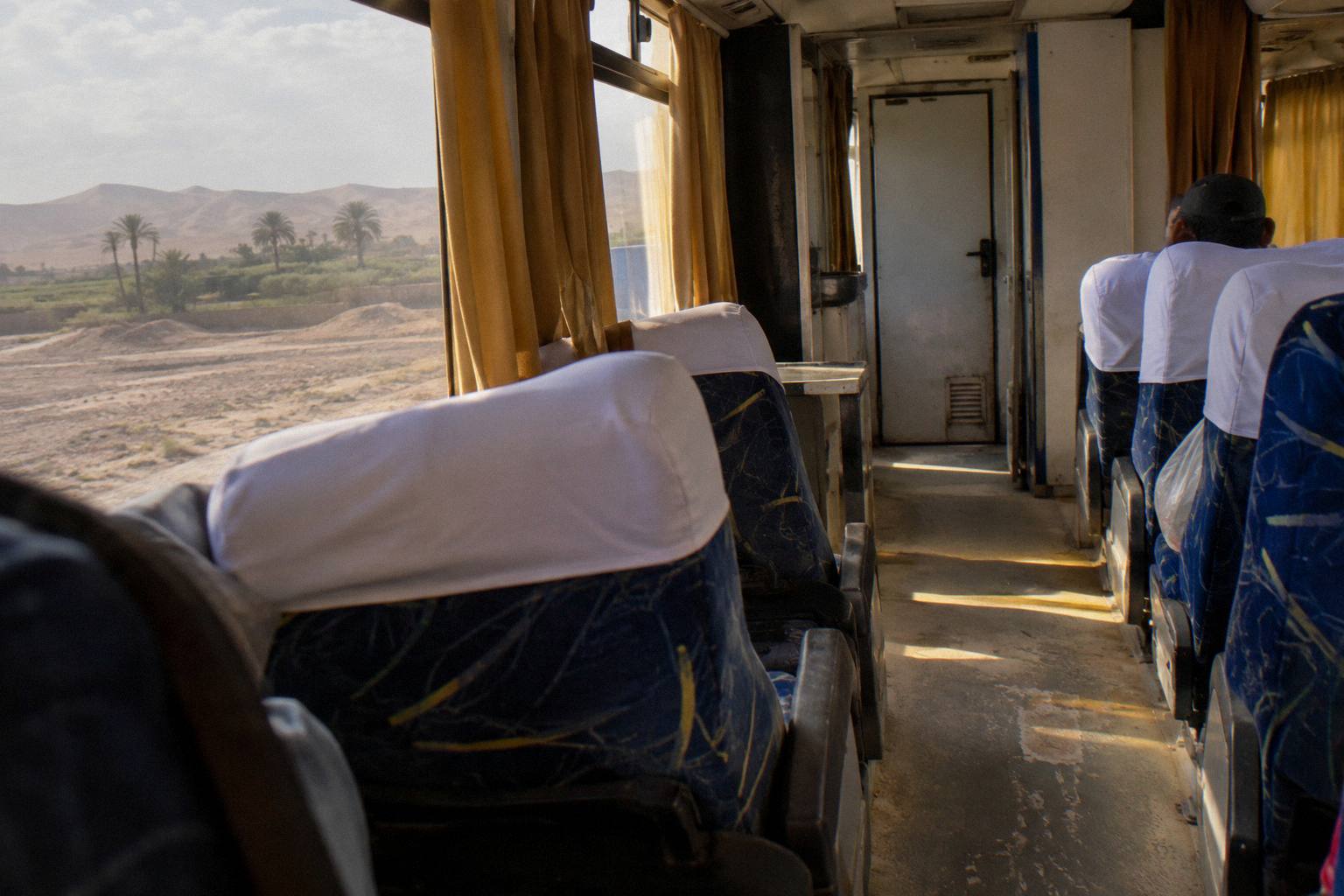
A seat plan also tells you what the class name hides. A "160 degree" class with a 2-plus-1 layout gives wider seats and a single side with no neighbour; the same recline in a 2-plus-2 layout gives a narrower seat. Neither detail is published as a standard, so the seat map at booking is the only reliable source, and operators that show one are doing the work for you.
One limitation to state plainly: the hop-on hop-off pass network does not serve the Arequipa to Puno night leg this article uses as its example, so pass riders book a conventional carrier or a sleeper listing such as the Turismo Mer service for that segment. Everything else in this method, class, level, row and the security habits, transfers to any overnight bus in the country.
What About The Bus Itself, Not Just The Seat?
The vehicle matters as much as the seat: GPS monitoring, a toilet, driver rotation and speed control are published by operators and change the overnight experience independently of your row. Cruz del Sur lists a pilot change every 4 hours; Movil Bus lists GPS monitoring and speed control; regulation requires permanent wireless monitoring on national buses. Check the bus features before fixating on the seat number.
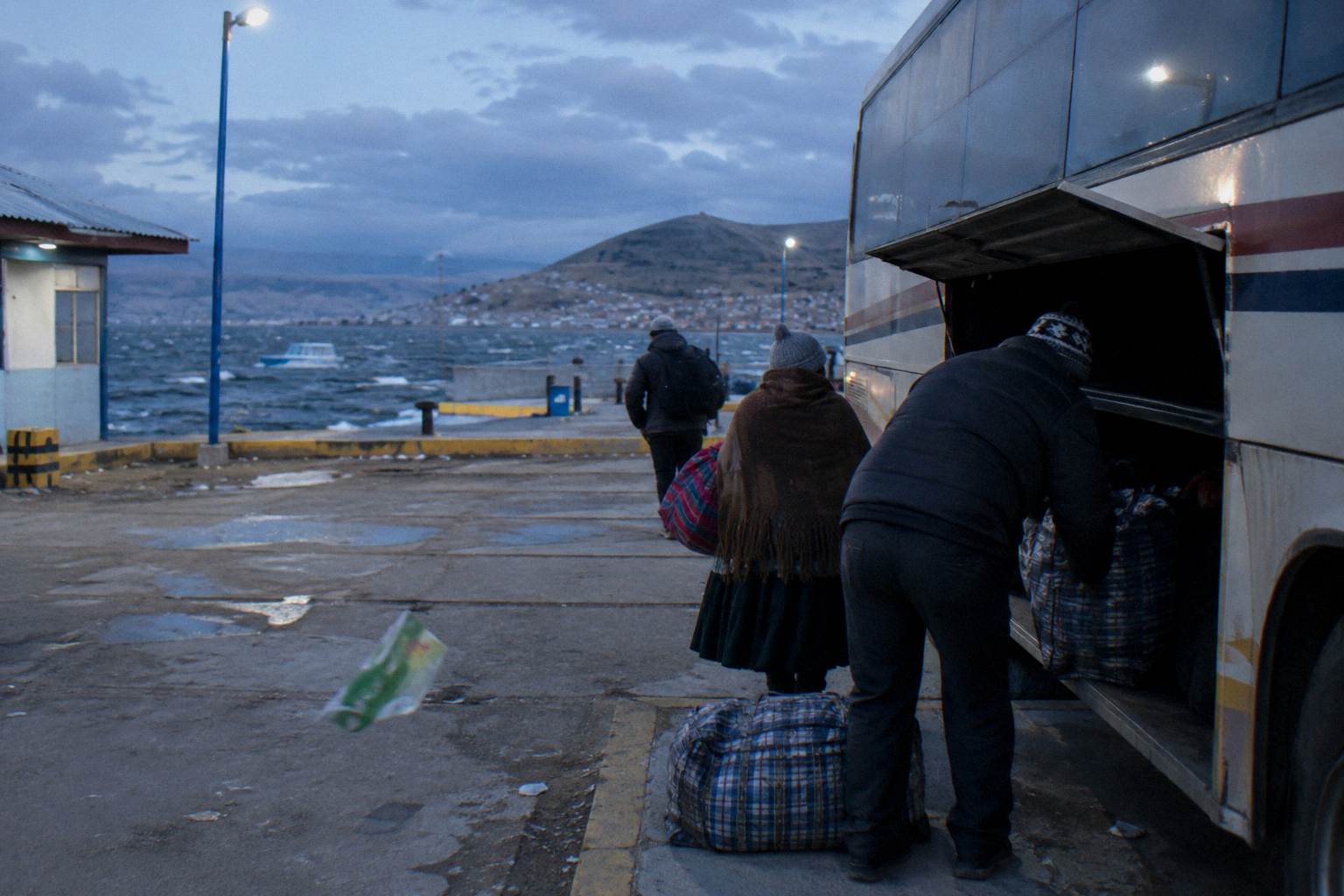
The regulation behind those features is specific. Peru's national transit regulation requires national buses to carry wireless control and monitoring that transmits to the authority permanently, minimum 2-point seat belts at all seats with a crew announcement that belts are mandatory, and crew that does not exceed continuous driving limits of 5 hours by day or 4 at night, with a second driver beyond that. These are fleet-level facts, and they are why two buses with identical recline figures can still feel different: one may rotate drivers on schedule, the other may not publish it.
Boarding procedure is the other overnight-specific check. Regular carriers must use terminals at origin, destination and stops, and passengers board only at authorised points with the bus stopped, per the transit rules. That is why the seat you pick is protected by a controlled boarding rather than a curbside scramble, and why arriving at the terminal with time to find your platform is part of the seat plan.
Sleep strategy finishes the picture. A 180 degree bed rewards an eye mask and warm layer, since operators list air conditioning and heating without publishing temperatures; what you wear and where your documents sit are the two variables fully under your control. The FCDO's plain instruction covers the second one: "on bus journeys, keep your passport with you".
Common Questions About Peru Overnight Bus Seats
What Is The Best Seat On A Peru Overnight Bus?
The best seat is the flattest one you can book: a 160 or 180 degree recline class, on the level the operator's seat chart places it, in a row over an axle and away from the toilet. Published recline degrees decide sleep quality more than row position, so choose class first, level second, row last.
Is The Top Deck Or Bottom Deck Better On A Peru Bus?
Neither is published as safer. The top deck gives the view and more sway; the bottom deck sits nearer the hold and toilet and sways less. Civa puts its flatter 160 degree seats downstairs on SuperCiva, Movil Bus puts its 180 degree full flat Premier seats upstairs, so the operator's own chart settles it per service.
Do Peru Overnight Buses Have Toilets?
Many long-distance classes list an onboard toilet, and operators such as Cruz del Sur state it on their comfort pages. Class-level details vary by service, so confirm the toilet on the specific listing or operator page for your bus before booking, especially on two-level services where layout differs by deck.
Which Seat Is Safest In A Crash?
No official source or dataset ranks seats on Peruvian buses by crash outcome, and this page does not either. Government advice addresses prevention instead: the UK FCDO states "Bus crashes are common, especially at night. Only use reputable transport companies, and where possible, avoid overnight travel, especially in mountainous and remote regions."
How Do I Keep My Belongings Safe While Sleeping?
Keep your passport and valuables on your body, not in the overhead rack. Smartraveller states: "Robberies and assaults occur frequently on intercity buses, including while passengers are sleeping." Use the free 20 kg hold allowance for the big pack, take a SUTRAN-advised luggage ticket for it, and keep only the hand allowance at your seat.
Can I Change My Seat Or Bus After Booking?
INDECOPI states a domestic bus ticket can be postponed or transferred with 24 hours notice, with only the real cost of reissue charged and no penalty. Many tourist-bus listings also carry free cancellation up to 24 hours before for a full refund, including the Turismo Mer Arequipa to Puno sleeper, so check the cancellation line on the listing when you pick the seat.